
Greenhouses under £600 - Best Deals in UK!
Showing 1–12 of 29 results
-
40% OFF: 8′ x 12′ Palram Canopia Octave Silver Greenhouse (3.67m x 2.44m) £539.9940%

-
29% OFF: 5’x2′ Forest Victorian Tall Wall Greenhouse (1.5×0.6m) £514.9929%

-
28% OFF: 4′ x 6′ Forest Wallscape Lean To Greenhouse with Solid Back (1.28m x 1.93m) £579.9928%

-
27% OFF: 4′ x 8′ Forest Wallscape Lean To Greenhouse with Open Back (1.28m x 2.52m) £579.9927%

-
22% OFF: 4′ x 6′ Forest Wallscape Lean To Greenhouse with Open Back (1.28m x 1.93m) £549.9922%

-
22% OFF: 5′ x 2′ Forest Victorian Tall Wall Greenhouse with Auto Vent (1.47m x 0.72m) £579.9922%

-
21% OFF: 4′ x 4′ Forest Wallscape Lean To Greenhouse with Glazed Back (1.28m x 1.34m) £549.9921%

-
12% OFF: 6’4 x 10â6 Halls Popular 106 Greenhouse (1.93 x 3.19m) £572.9912%

-
12% OFF: 6’4 x 8’6 Halls Popular 68 Small Greenhouse (1.93 x 2.57m) £525.9912%

-
12% OFF: 6’4 x 8’6 Green Frame Halls Popular 68 Small Greenhouse (1.93 x 2.57m) £572.9912%

-
12% OFF: 6’4 x 6’5 Green Frame Halls Popular 66 Small Greenhouse (1.93 x 1.95m) £525.9912%

-
8% OFF: 6â x 10â Palram Canopia Harmony Walk In Green Polycarbonate Greenhouse (1.85m x 3.06m) £530.998%

Greenhouses under £600 offer practical growing space in a range of sizes, shapes and glazing options, from compact lean-tos to freestanding hobby houses for reliable seed sowing and crop protection.
Affordable growing space without cutting corners
A greenhouse in this budget range is often the point where a garden starts to feel properly set up for year-round growing. You are not just buying a frame and some panes; you are buying a place to start seeds earlier, shelter tender plants, and keep crops moving when the weather turns awkward. In the under £600 bracket, the choice is broad enough to find something that suits a narrow courtyard, a family garden, or a more ambitious allotment plot.
What makes this category interesting is the balance between price, size and spec. You will see simpler kits with lighter frames, as well as more substantial designs with extra headroom, stronger glazing or a better door layout. The key difference is usually not just the look, but how the structure fits the way you grow.
Shapes that change how the greenhouse works
Greenhouses in this price band come in several shapes, and each one does something slightly different. The shape affects airflow, usable height, how easy it is to place against a wall, and where shelving can go.
Bestseller der Kategorie Greenhouses under £600
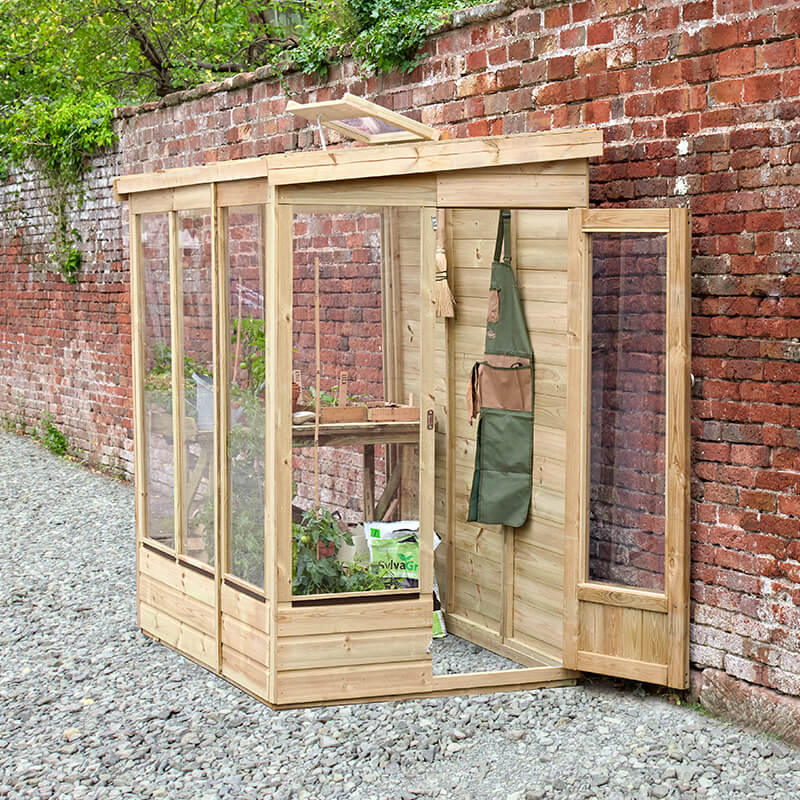
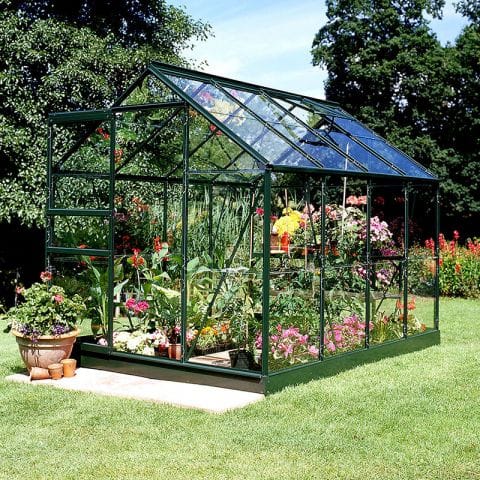
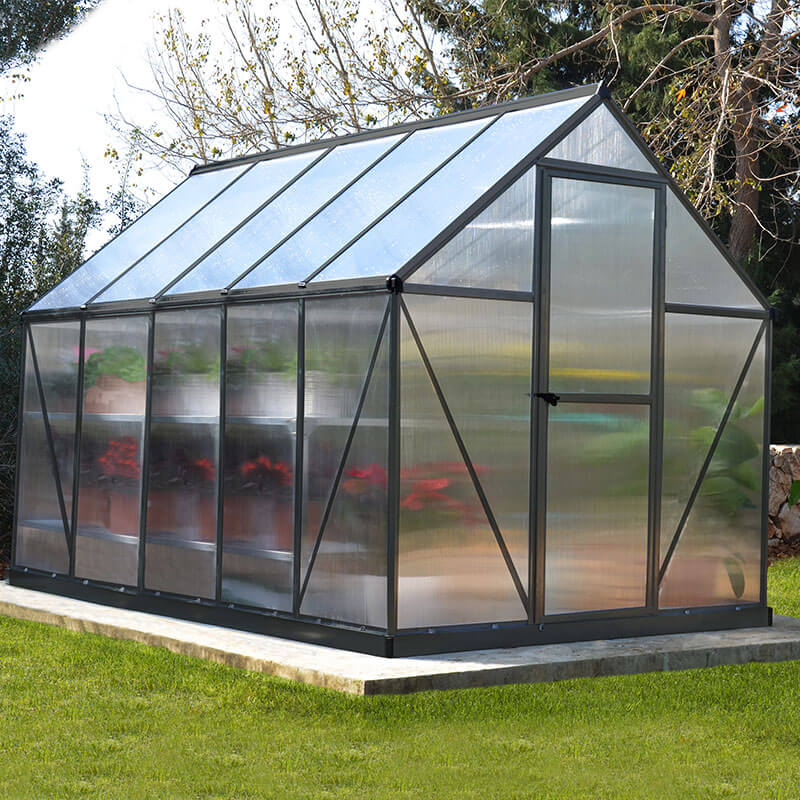
- Lean-to greenhouses sit against an existing wall, which makes them a good fit for smaller gardens or patios. They use less ground space and can feel tucked in neatly.
- Freestanding greenhouses are the classic style, with access all round and more freedom over placement. They usually suit gardeners who want a full growing area and flexible staging.
- Mini greenhouses are useful where space is tight. They are often chosen for seedlings, herbs or a small number of tender plants, rather than large-scale crop growing.
- Victorian-style or curved roof designs can give more visual character, and the roof profile may help create extra headroom in the centre, which is handy for taller plants.
Each form has its own feel. A lean-to often looks tidy and efficient, while a freestanding house tends to feel more open and practical if you want to move trays, pots and staging about. If your site is not huge, the shape can matter as much as the footprint.
Frame materials: lightweight, sturdy or somewhere in between
One of the clearest differences between greenhouses under £600 is the frame material. The frame is what gives the structure its character, its weight, and a good part of its durability.
- Aluminium frames are common in this budget. They are light, neat looking and widely used because they offer a clean structure without feeling bulky.
- Powder-coated aluminium adds a coloured finish, which can help the greenhouse sit more naturally in the garden and may also make the frame look a bit less stark.
- Steel components sometimes appear in reinforcement parts, bracing or smaller frames. Steel can add strength, though it may increase weight.
- Timber-framed greenhouses are less common in this price bracket, but when available they tend to appeal to buyers who prefer a softer, more traditional garden look.
In practical terms, aluminium is often the easiest choice for buyers comparing value and simplicity. It is not about flash; it is about a structure that does the job without demanding a huge budget. Timber can look warmer and more natural, but it often asks for a different kind of buying decision. Steel can feel reassuring in some designs, though the overall build needs to match the purpose.
Glazing choices and what they mean in use
The glazing is where a greenhouse either feels bright and open or a bit more sheltered and forgiving. In this budget, the most common options are glass and polycarbonate, and they behave quite differently.
- Horticultural glass gives a clear, traditional greenhouse appearance and lets in plenty of light. It is popular with gardeners who want a classic finish and a crisp view of the plants.
- Toughened glass is usually found on better-specified models in this budget. It adds a sense of security, especially in busy family gardens or exposed sites.
- Polycarbonate glazing is lighter, less brittle and often chosen where practicality matters more than a perfectly clear view. It can be easier to handle and may feel more forgiving during setup.
- Double-wall or twinwall polycarbonate can offer a bit more insulation than single-sheet versions, which makes a difference when you want steadier growing conditions.
The difference is not only about appearance. Glass tends to look sharper and can give a very direct light transmission, while polycarbonate can feel a touch more functional and protective. If you want a greenhouse for early sowing and a neat garden presence, glass often appeals. If you are after lighter weight and a more practical build, polycarbonate is worth a serious look.
Small, medium or roomy: picking the right footprint
Under £600, the size range often covers compact houses for a small terrace all the way up to decent hobby greenhouses that make proper use of a back garden. The right size depends less on what sounds impressive and more on what you will actually put inside it.
A compact greenhouse can be a good fit if you mainly raise seedlings, overwinter a few pots, or want somewhere to harden off young plants. A mid-sized greenhouse usually gives more flexibility, with room for staging, hanging baskets, a wider bench arrangement and a better mix of crops. Some larger options in this bracket still remain within reach if you are careful with layout and do not need lots of extras.
One thing people often notice too late is usable space rather than just floor size. A greenhouse with more headroom or a sensible door position can feel far easier to work in than a slightly larger model with a cramped interior. That small difference can matter a lot once trays, pots and watering cans are in play.
Useful differences buyers often compare
When people look at greenhouses under £600, the comparison is rarely only about size. They tend to weigh several small details that change daily use quite a lot.
- Single or double doors: a wider opening can make moving trays and larger pots easier, especially if you use staging or a trolley.
- Roof pitch: a steeper roof may shed rain more neatly and create a more open feel inside.
- Side height: taller side walls can give better standing room and more practical bench space.
- Vent openings: roof vents and louvre options affect how airy the greenhouse feels, which matters when the sun comes out suddenly.
- Base included or not: some kits require a separate base or foundation solution, so buyers often check this before ordering.
These are the details that separate a greenhouse that simply fits the garden from one that works with your routine. It can be a bit annoying if a structure looks ideal online but the door is too narrow for the trays you use. That sort of thing is worth checking early.
Why this budget works for real gardeners
A greenhouse under £600 can make sense for several kinds of grower. It is often enough to support a serious hobby without pushing into the higher price brackets that come with more specialised structures. You can get a proper growing environment, some decent scale, and still keep the purchase within a set budget.
Advantages in this category often include a sensible balance of cost and function, a wide choice of compact and medium sizes, and enough variety to suit both starter growers and more experienced gardeners. For many buyers, that means they can begin growing earlier in the year, protect delicate plants from cold snaps, and get a more organised space for propagation.
There is also a visual benefit. Even a relatively modest greenhouse changes the feel of a garden, making it look more purposeful. It is not only about crops. It can become a focal point, and yes, that can be part of the appeal when you are comparing options side by side.
When glass feels right and when polycarbonate wins
Glass and polycarbonate attract different buyers, and the choice often comes down to the kind of growing experience you want rather than a simple best-or-worst answer.
Glass greenhouses usually appeal if you want a clean, classic finish and plenty of natural light. They suit gardeners who enjoy seeing the whole structure as part of the garden, almost like a small room for plants. They can also feel more traditional, which matters to some people when the greenhouse sits in a visible spot.
Polycarbonate greenhouses are often picked for easier handling and a more practical feel. The panels are lighter, which can be helpful during assembly, and the structure can feel less fragile in everyday use. If your site is a bit exposed or you want a greenhouse that feels more forgiving, this option can make good sense.
Neither choice is automatically right. Some buyers prefer the crisp brightness of glass; others like the slightly softer, more robust feel of polycarbonate. The important thing is how it aligns with your space, your weather and your routine.
Features that can make everyday use smoother
Within this budget, the feature list can vary quite a lot. Some designs stay simple, while others include useful touches that improve the day-to-day experience without turning the greenhouse into something overcomplicated.
- Integral gutters can help collect rainwater, which is useful if you prefer to store water nearby.
- Sliding or hinged doors each have a different feel; sliding doors can save space, while hinged doors can feel more familiar.
- Roof vents support better airflow and help the structure feel less stuffy on warmer days.
- Low thresholds make stepping in and out easier, especially when carrying trays or bags.
- Bench or staging compatibility matters if you plan to divide the greenhouse into working and growing zones.
Not every greenhouse under £600 includes all of these, and that is fine. The point is to choose the features you will actually use. A greenhouse can look impressive on paper and still be a poor fit if the practical bits do not match your setup.
Good choices for different garden types
Different gardens ask different things from a greenhouse. In a narrow garden, a lean-to or compact freestanding model may be the neatest fit. In a family garden with more open space, a medium-sized freestanding structure can give you room to organise plants without feeling crowded. On an allotment, practicality often wins out, so a durable frame, sensible access and light but usable glazing can matter more than decorative details.
If you have a sheltered spot, you may have more freedom with glass. If your garden feels exposed or windy, lighter materials and good anchoring become more relevant. A greenhouse in this category should feel like it belongs to the site rather than fighting it.
What to check before buying
A few checks can save a lot of hassle later, and they are especially useful when you are comparing greenhouses under £600 with similar-looking specs.
- Overall dimensions: check both footprint and height, not just the headline size.
- Door width: make sure the opening suits trays, pots and anything larger you plan to move inside.
- Glazing type: confirm whether panels are glass or polycarbonate, and whether the glass is toughened.
- Base requirement: some models need a proper base to sit correctly, so do not assume it is included.
- Roof and side vent layout: the arrangement can affect how practical the space feels during warm spells.
It sounds obvious, but people sometimes focus on the style and miss the measurements. Then the greenhouse arrives, and suddenly the staging plan is a bit off. Best to check the boring bits, even if they are not the exciting part.
Why buyers keep coming back to this price point
There is a sweet spot in the under £600 range where the greenhouse feels substantial enough to use seriously, but not so costly that it becomes a big commitment. That balance is part of the appeal. You can compare shapes, glazing, frame finishes and sizes without stepping into a much higher spend every time you want a slightly better spec.
For many gardeners, this is the point where the purchase starts to feel rewarding in more than one way. It is useful, it looks good, and it can help organise a garden that has been doing a lot of things in a small space. The result is not just a place for plants, but a better rhythm to the growing season.
Choosing with the way you grow in mind
The best greenhouse under £600 is the one that matches your crops, your space and how you like to work. If you raise lots of seedlings, you may want width and staging. If you grow taller plants, headroom matters. If you have a narrow plot, a lean-to may be the smarter buy. If you want that classic greenhouse look, glass will probably catch your eye. If you want lighter handling and a more practical feel, polycarbonate could be the better fit.
That is really the point of this category: it gives you room to choose. Not every greenhouse needs to be huge, and not every garden needs the same format. What matters is getting a structure that makes your growing feel easier, tidier and more enjoyable, without pushing the budget too far.
A final glance at what you are really buying
When you browse Greenhouses under £600, you are looking at a category with real range: compact to medium sizes, lean-to and freestanding forms, glass and polycarbonate glazing, and frame styles that suit different gardens. Some are about neatness, some about capacity, and some about keeping things simple. The choice is often in the details, and those details are what shape how the greenhouse will feel once it is in place.
For a buyer, that means more than just comparing prices. It means comparing how much usable space you get, how easy it will be to work inside, and whether the greenhouse looks like a natural part of the garden. If those things line up, the budget feels well spent.
[Sassy_Social_Share]