
Greenhouses under £5000 - Best Deals in UK!
Showing all 7 results
-
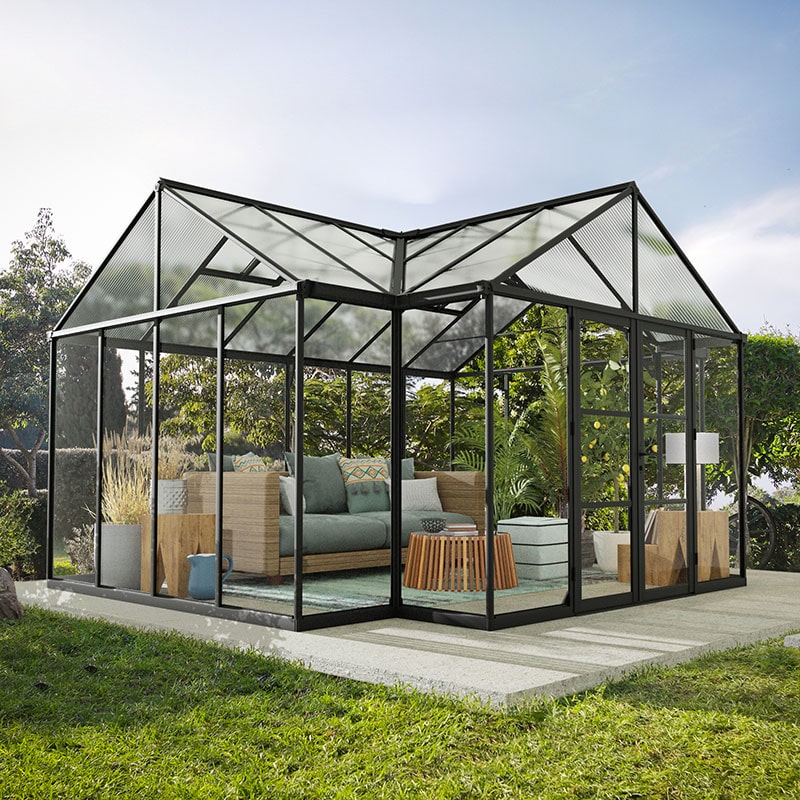
47% OFF: 14’9 x 12’5 Palram Canopia Triomphe Orangery Enclosed Garden Gazebo (4.54m x 3.8m) £4,919.0047%

-
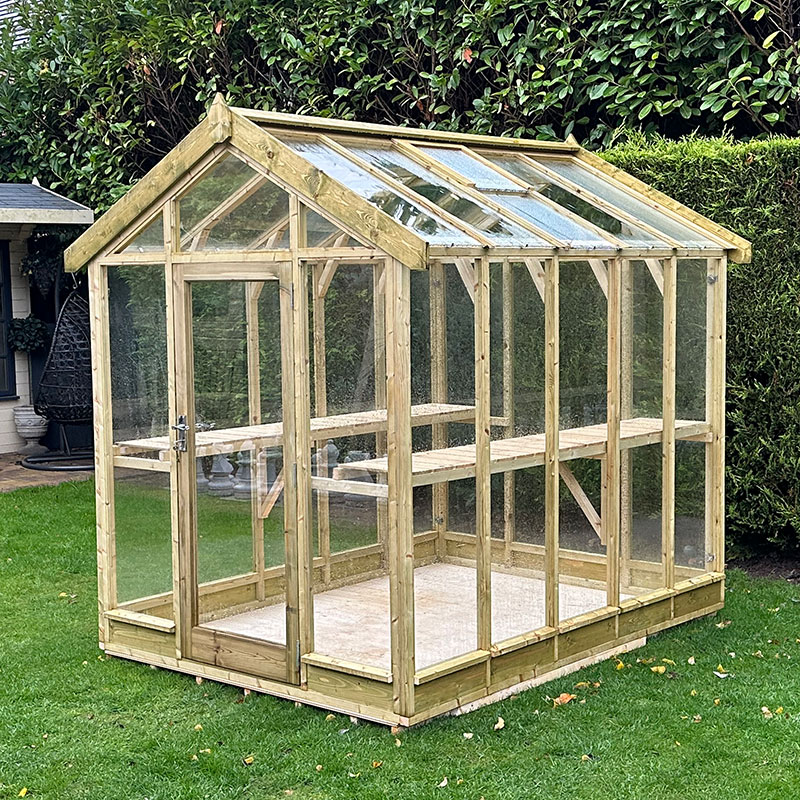
13% OFF: 8’3 x 9’4 Coppice Ashdown Apex Wooden Greenhouse (2.52m x 2.85m) £4,189.0013%

-
12% OFF: 8’3 x 9’4 Coppice Ashdown Apex Painted Wooden Greenhouse (2.52m x 2.85m) £4,759.0012%

-
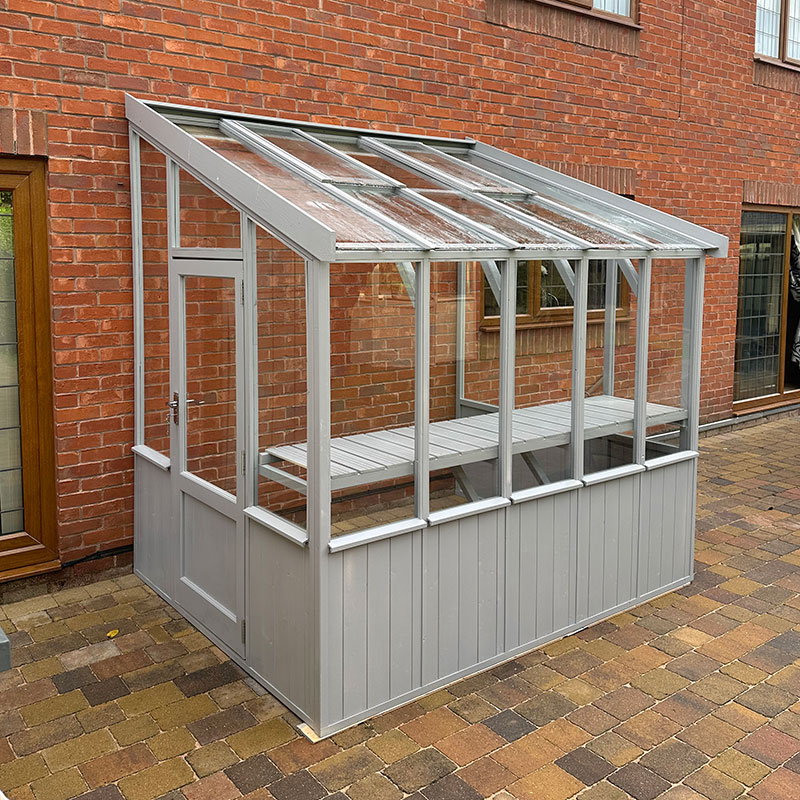
12% OFF: 8’1 x 7’10 Coppice Hatfield Lean To Painted Wooden Greenhouse (2.47m x 2.4m) £4,039.0012%

-
12% OFF: 8’1 x 9’4 Coppice Hatfield Lean To Painted Wooden Greenhouse (2.47m x 2.85m) £4,289.0012%

-
12% OFF: 8’3 x 6’4 Coppice Ashdown Apex Painted Wooden Greenhouse (2.52m x 1.93m) £4,229.0012%

-
12% OFF: 8’3 x 7’10 Coppice Ashdown Apex Painted Wooden Greenhouse (2.52m x 2.4m) £4,489.0012%

Greenhouses under £5000 offer a practical route into year-round growing, with choices in aluminium frames, polycarbonate or glass glazing, compact lean-tos, and spacious apex designs for allotment or garden use.
Why this price band matters for real gardens
In the under £5000 range, a greenhouse can move beyond a simple starter structure and into something properly useful for everyday growing. You are often looking at a mix of space-efficient footprints, sturdy framing, and glazing options that suit different light levels and budgets. That makes this category interesting for buyers who want more than a basic shelter, but do not need to go into bespoke or commercial-level builds.
What stands out here is the balance between size, build quality, and shape. Some greenhouses in this bracket are designed to tuck neatly against a wall, while others give you full standing room and better working space for staging, seed trays, and larger pots. The main choice is not just price, it is how the structure fits the way you actually garden.
Lean-to, freestanding, or attached: picking the right layout
The first big split is between lean-to greenhouses and freestanding greenhouses. A lean-to sits against a wall or fence, which can make it ideal for narrower plots and sheltered corners. It usually uses less ground space, and if positioned well, it can benefit from the warmth of the building behind it. That said, it will often give you less usable wall height on one side, so bench layout needs a bit of thought.
Bestseller der Kategorie Greenhouses under £5000
Freestanding greenhouses offer more flexibility. You can place them where light is best, and access is generally easier from all sides. This style suits people who want more growing zones, more airflow potential, and a layout that is easier to reorganise over time. For many buyers, it is the difference between “fits the space” and “fits the way I grow”.
Within freestanding designs, there are also differences in footprint:
- Compact models for smaller gardens, patios, and tight corners
- Mid-sized structures for serious seed-starting, overwintering, and potting up
- Larger walk-in greenhouses that allow for staging, shelves, and better separation of crops
Shape changes more than looks
Greenhouse shape affects headroom, airflow, and how easy the structure is to use day to day. An apex roof is the familiar pitched style, often chosen because it gives good central height and a classic profile. That extra height can be useful for climbing plants, hanging baskets, or simply moving about without feeling cramped. It also helps rain run off more easily, which is one reason many gardeners still prefer it.
Even-span designs are similar in purpose, but can feel more balanced if you want a traditional rectangular layout with equal roof slopes. Then there are pent roof styles, often found on lean-tos, where one slope is used to keep the shape neat against a wall. A pent greenhouse can be a tidy solution when every inch matters, although the lower side wall can limit what you place there.
Another shape worth noting is the tall or extended-eaves profile. These are helpful if you grow tomatoes, chillies, cucumbers, or want more vertical room for staging. If you are deciding between forms, think less about looks and more about what happens when you stand inside with trays, canes, and pots already taking up space.
Glazing choices: glass, polycarbonate, and the feel of the light
The glazing is one of the biggest differences in this category. Horticultural glass gives a clear, traditional finish and lets in plenty of light. It is a common choice for gardeners who want a classic appearance and easy visibility of plants inside. It can also make the greenhouse feel brighter, which matters if you use it for sowing, display, or general plant inspection.
Polycarbonate glazing is different in character. It tends to diffuse light more softly, which can reduce harsh direct sun and make the interior feel less exposed. This can be useful if your greenhouse sits in an open, sunny part of the garden. Polycarbonate is also often chosen for its lower weight, which can be helpful where handling or siting is a concern. The trade-off is that some buyers prefer the sharper visual clarity of glass.
There are also differences in thickness and panel construction, even without naming specific systems. In general:
- Single glazing suits buyers who want a lighter, simpler structure
- Thicker panels can feel more substantial and are often chosen for a steadier internal environment
- Diffused glazing helps soften bright sunlight for more even growing conditions
Frame materials that shape the whole greenhouse
Most greenhouses under £5000 use aluminium frames, and there is a reason that keeps coming up. Aluminium is a practical option because it is low on fuss, visually neat, and commonly paired with both glass and polycarbonate. It gives a clean modern line, though some gardeners still prefer the warmer look of timber when available. In this price band, aluminium usually means a better balance of durability and manageable cost.
Frame design also affects how the greenhouse handles wind, doors, and glazing support. A more rigid frame can feel steadier when the weather turns, and it also helps with adding accessories such as staging or shelving. Even if the structure is not custom-built, small details like bar spacing and joint style change how usable it feels inside.
Things to compare in the frame spec:
- Profile depth for a stronger, more stable feel
- Bar spacing that matches your chosen glazing style
- Door opening width if you plan to move trays, bags of compost, or larger pots in and out
- Integrated guttering where included, as this can support water collection and neat roof edges
What you gain when the budget is under £5000
This budget range can be a sweet spot for buyers who want more than a temporary tunnel but still want to keep the spend sensible. A greenhouse under £5000 can give you proper standing room, clearer zoning for seedlings and mature plants, and a more polished look in the garden. It may also open up larger footprints or better glazing than the lowest-cost options.
Another advantage is choice. You are not locked into one single shape or size, and that means the greenhouse can match the garden rather than dominate it. For small plots, that might mean a narrow lean-to with careful proportions. For larger spaces, it may mean a freestanding structure with enough room for a potting bench, shelves, and a few hanging sections too.
It is also worth saying that this category often attracts buyers who want the greenhouse to act as both growing space and garden feature. That does not mean decorative for the sake of it. It means the structure should look like it belongs there, not like an afterthought.
Different buyers need different greenhouse types
A greenhouse can solve different problems depending on how you garden. If you are mainly starting seeds, a smaller footprint with good light can be enough. If you are moving plants on through the season, you may need more bench depth and taller clearance. If you overwinter tender plants, the key may be a more enclosed feel and the ability to group pots without everything becoming crowded.
Some typical user needs in this category include:
- Seed sowing and propagation with room for trays and labels
- Tomato and vegetable growing where height and ventilation space matter
- Overwintering pots and shrubs needing shelter without taking over the house or shed
- Mixed-use growing where the same greenhouse has to handle both propagation and mature plants
The differences may sound small, but they add up fast once the greenhouse is full. A structure that looks fine in an empty garden can feel very different when you have trays on the bench, bags in the corner, and a watering can in the way. So it pays to think in practical layers.
Ventilation, access, and the bits people notice later
When comparing greenhouses under £5000, buyers often focus on frame and glazing first, then later realise the small details matter just as much. Roof vents and side vents, where included, affect how the interior feels on warmer days. Door placement matters too, especially if one side of the greenhouse is close to a fence or boundary. A good entrance can make daily use feel easy rather than awkward.
Internal access is also a quiet but important point. Wide doors help when you are carrying trays or larger containers. Taller headroom can make the greenhouse more comfortable to work in for longer periods. And if the structure has a sensible layout for staging, you are less likely to end up balancing things on the floor, which never really works out for long.
How to judge value without getting distracted by the price tag
With greenhouse shopping, value is not just about what costs less. It is about whether the structure gives you the right size, materials, and shape for your garden. A cheaper greenhouse that feels cramped may cost more in frustration than a slightly pricier one that gives you enough room to work properly. On the other hand, paying for a large structure you barely use is not smart either.
Useful things to compare before choosing:
- External footprint versus the actual usable interior space
- Wall height and how it affects shelves and taller plants
- Glazing type and how much direct or diffused light you want
- Door position for access from paths, patios, or side returns
- Overall style if the greenhouse will be visible from the house or main seating area
This is the point where many buyers realise they do not just want a greenhouse, they want a greenhouse that fits their routines. That is a different thing altogether.
Garden styles these greenhouses suit well
Greenhouses under £5000 work across a range of garden styles. In a formal garden, a symmetrical apex greenhouse can sit neatly alongside borders and paths. In a smaller urban garden, a lean-to can make use of space that might otherwise go unused. In a more productive plot, the priority may be pure function: enough room to sow, pot on, and keep growing through the seasons without shuffling plants around every day.
They also suit buyers who want a structure that feels settled rather than temporary. The greenhouse becomes part of the garden layout, not just a seasonal add-on. That can matter if you enjoy a clear working area that still looks good from the kitchen window. Sometimes that is the real reason people end up choosing a greenhouse, even if they started out looking at it only as a growing space.
Little differences that make a big day-to-day change
Two greenhouses can sit in the same price range and still feel very different to use. One may have more height but a narrower door. Another may have smaller proportions but better light spread. One might suit a sheltered garden corner, while another is better in an open position where it can catch more sun.
That is why it helps to read the structure almost like a working room. Ask yourself where the shelves would go, how the door opens, whether you can kneel comfortably, and if there is space to step back from the bench without bumping into everything. Small practical details often decide whether a greenhouse feels organised or just a bit crowded.
Making the shortlist without overcomplicating it
If you are narrowing down greenhouses under £5000, start with the basics: shape, glazing, frame, and size. Then think about how you actually use your garden. If the greenhouse is mainly for seedlings and a few overwintering plants, a compact model may be enough. If you want a more flexible growing zone, look for better headroom and a layout that gives you space to move around.
It can help to make a simple priority list:
- Best fit for the available space
- Right amount of standing room
- Preferred light quality from glass or polycarbonate
- Access that works with your tools and trays
- A shape that matches how you like to organise plants
That way, the decision feels less like comparing a long list of technical details and more like choosing the structure that will actually earn its place in the garden.
A category made for serious growing, without drifting into excess
Greenhouses under £5000 sit in a very usable part of the market. They can offer thoughtful proportions, sensible materials, and enough variation to suit different plots and growing habits. The best choice is rarely the one with the most features on paper. It is the one that gives you the right mix of space, light, structure, and access.
If you are comparing lean-tos, freestanding designs, apex roofs, pent profiles, glass, or polycarbonate, the main question is simple: which greenhouse will make your growing easier to organise and more pleasant to use? Answer that well, and the category suddenly becomes a lot easier to shop.
[Sassy_Social_Share]