
Greenhouses under £4000 - Best Deals in UK!
Showing 13–24 of 24 results
-
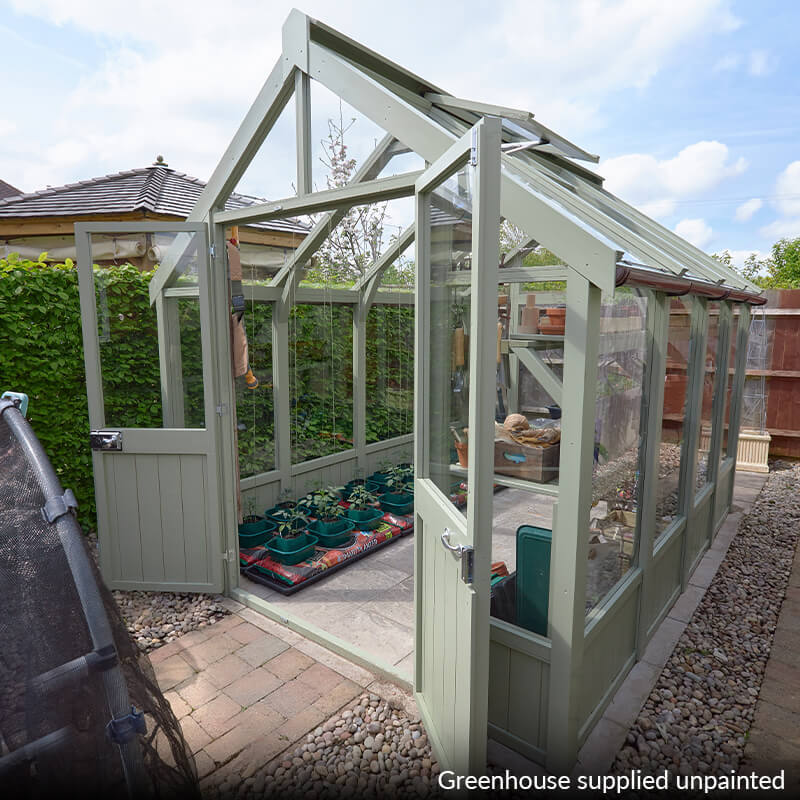
12% OFF: 6’3 x 9’4 Coppice Ashdown Apex Painted Wooden Greenhouse (1.91m x 2.85m) £3,519.0012%

-
12% OFF: 5’3 x 6’4 Coppice Ashdown Apex Painted Wooden Greenhouse (1.6m x 1.93m) £3,069.0012%

-
11% OFF: 6’3 x 6’4 Coppice Ashdown Apex Painted Wooden Greenhouse (1.91m x 1.93m) £3,119.0011%

-
11% OFF: 8’1 x 6’4 Coppice Hatfield Lean To Painted Wooden Greenhouse (2.47m x 1.93m) £3,989.0011%

-
11% OFF: 4’2 x 9’4 Coppice Hatfield Lean To Painted Wooden Greenhouse (1.27m x 2.85m) £3,099.0011%

-
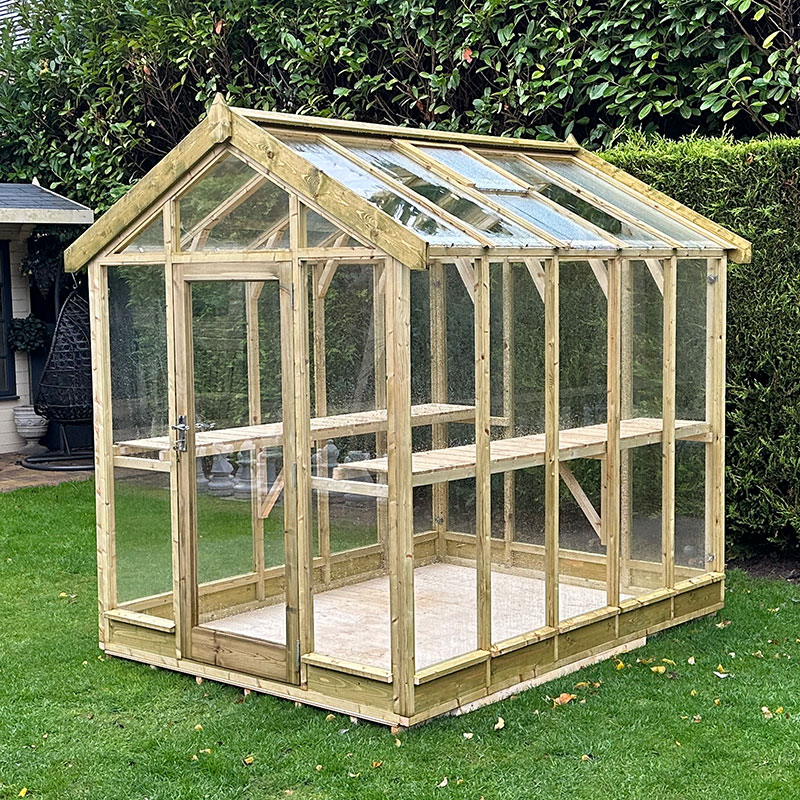
11% OFF: 4’4 x 9’4 Coppice Ashdown Apex Wooden Greenhouse (1.32m x 2.85m) £3,029.0011%

-
11% OFF: 5’3 x 4’9 Coppice Ashdown Apex Painted Wooden Greenhouse (1.6m x 1.45m) £3,019.0011%

-
11% OFF: 6’3 x 9’4 Coppice Ashdown Apex Wooden Greenhouse (1.91m x 2.85m) £3,109.0011%

-
11% OFF: 8’3 x 4’9 Coppice Ashdown Apex Painted Wooden Greenhouse (2.52m x 1.45m) £3,989.0011%

-
11% OFF: 6’1 x 6’4 Coppice Hatfield Lean To Painted Wooden Greenhouse (1.86m x 1.93m) £3,099.0011%

-
10% OFF: Forest Vale 10×8 Greenhouse (3.26m x 2.56m) – Modular Greenhouse with Installation Included £3,599.9910%

-
8′ x 20′ Palram Canopia Rion Clear Sun Room (2.57m x 6.32m) £3,199.00
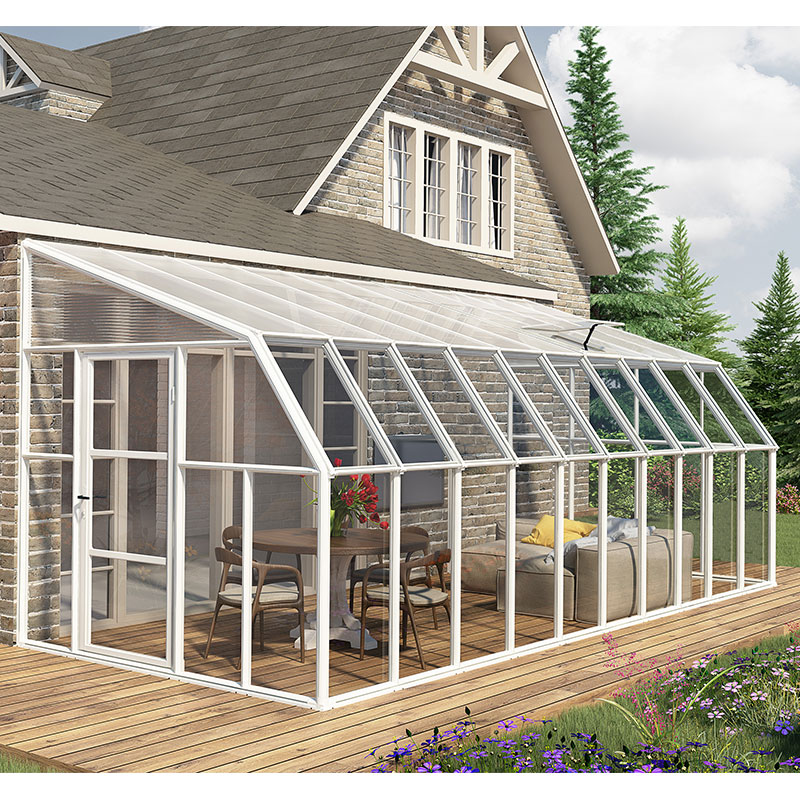
Greenhouses under £4000 give you room for proper growing without stretching the budget, with choices in aluminium, timber and polycarbonate that suit small gardens, keen growers and year-round use.
Space to Grow, Without the Price Jump
When you start looking at greenhouses under £4000, the range opens up in a very practical way. You are no longer limited to the smallest starter sizes, yet you do not have to move into the higher-end bracket either. That means more choice in length, width and roof style, plus better options for people who want to use the greenhouse for a mix of seed sowing, potting on, and growing more ambitious crops. It is a useful middle ground, especially if you want a structure that feels more substantial than a basic lean-to but still makes sense for a normal garden budget.
This price band often suits buyers who already know they want a greenhouse, but are still weighing up what shape and material works best. That is where the details matter. A greenhouse under £4000 might be a slim lean-to fixed against a wall, a freestanding apex greenhouse with classic pitched roof lines, a neat mini greenhouse for tighter plots, or a broader structure with extra headroom for taller crops. The differences are not just visual; they change how the space feels to work in, how much light enters, and how easy it is to organise trays, benches and taller plants.
Shapes That Change How the Space Works
The shape of a greenhouse has a real effect on everyday use, and it is one of the main reasons people compare models in this price range so closely. A traditional apex shape gives that familiar pitched roof, which helps rain run off cleanly and often creates a balanced look in the garden. It also offers useful internal height down the centre, which matters if you are growing cordon tomatoes, cucumbers or taller ornamentals.
Bestseller der Kategorie Greenhouses under £4000
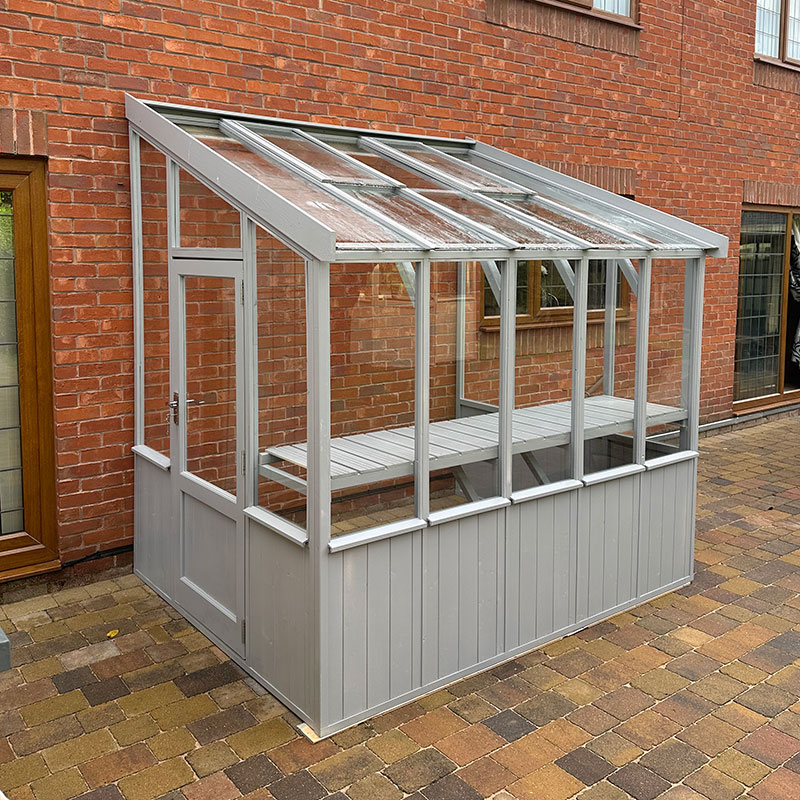
A lean-to greenhouse takes a different approach. It uses the wall of a house, garage or outbuilding to save space and can feel particularly tidy in narrower gardens or courtyards. Because one side is already supported, it can be a smart choice where ground space is at a premium. It usually has a more compact footprint, but the layout can still be surprisingly usable if you want a sheltered growing area close to the kitchen or back door.
There are also rounder or curved roof profiles, which can soften the look of a greenhouse and sometimes help light move more evenly through the structure. These shapes tend to feel less angular, and that can appeal if you want something that blends into a modern garden rather than looking strictly traditional. Some buyers prefer the look, others prefer the practicality of straight sides for staging plants. It really depends on what you are putting inside it.
Aluminium, Timber or Polycarbonate? The Material Difference
Within the under-£4000 range, the frame and glazing choices are one of the main things that separate one greenhouse from another. Aluminium greenhouses are common because the frames are light, neat and often designed with slim profiles that let in plenty of light. They can suit contemporary gardens well, and the finish usually keeps the overall look clean. If you like a structure that feels sharp and orderly, aluminium is often the one people go for first.
Timber greenhouses bring a different feel altogether. They often look warmer and more traditional, with a presence that can sit nicely in older gardens, cottage-style plots or more planted spaces. The frame is visually broader, which some people love because it feels sturdy and characterful. Others prefer the lighter look of metal. The choice is less about right and wrong and more about whether you want the greenhouse to stand out or settle in.
Glazing makes another big difference. Glass glazing gives the most familiar greenhouse appearance, with clear light and that classic reflective finish. Polycarbonate panels are another option in this budget, and they tend to appeal to buyers who want a lighter, less brittle material. They can feel more forgiving for family gardens or exposed sites. The look is different, though, and this matters if you care about the style of the building as much as its function.
- Aluminium frames suit a crisp, low-fuss look
- Timber frames suit gardens where character matters
- Glass glazing gives a classic, clear finish
- Polycarbonate can be a practical choice for exposed or busier gardens
Small, Medium or Extra Roomy? Picking the Right Footprint
Greenhouses under £4000 are not all the same size, and that is a good thing. A smaller structure can be ideal if you mainly want a protected spot for sowing seeds, overwintering a few pots, or keeping delicate plants out of the rain. These models are easier to fit into tight borders, side passages or compact patios, and they can still make a proper difference to how long your growing season feels.
A medium-sized greenhouse often hits the sweet spot for many households. There is enough room for staging, propagation and some serious crop growing, but the structure still remains manageable in a normal domestic garden. This is where you start to notice the benefit of extra bench depth, more headroom and better circulation space. You can actually move around without feeling boxed in.
Larger options in this price range can be worth a look if you plan to grow a mix of vegetables and ornamentals, or if you like to keep things organised in separate zones. One side can be for sowing and the other for established plants, for instance. Having more length or width can also make it easier to use narrow benches along the sides while keeping the centre open. That sounds simple, but it changes the whole feel of using the greenhouse.
Why the Layout Matters as Much as the Size
Some greenhouses look similar at first glance, yet feel very different once you step inside. The internal layout, door position and roof height all affect whether the space works hard for you or feels awkward. A greenhouse with a central door can offer a balanced entrance and easy movement if you plan to use both sides equally. A single door at the end may suit a narrow plot better. There is no universal answer here, only what fits the way you grow.
Side bench space is useful if you like keeping trays off the floor and want easy access to smaller pots. Full-width staging can help you use every inch efficiently, especially in compact structures. Some gardeners prefer a clear central aisle so they can carry watering cans and trays without knocking into things. Others like to fill the whole space and just make narrow paths between rows. The best greenhouse is often the one that matches your habits, not the one that looks best in a catalogue photo.
Height is another detail worth paying attention to. A greenhouse with more vertical room can handle climbing crops better and feel less cramped on hot days. If you have ever stooped all season in a low structure, you will know what a difference a little extra headroom can make. Even in the under-£4000 bracket, there are options that give a better working posture and a more flexible growing environment.
Practical Advantages You Can Actually Use
The appeal of greenhouses under £4000 is not only about fitting a budget. It is about getting a structure with enough substance to be genuinely useful. One clear advantage is the ability to create a more controlled growing space than a simple cold frame or open bed. You can start earlier, protect young plants from poor weather and keep more delicate crops in better condition when the garden turns unpredictable.
Another benefit is the way a greenhouse helps organise the growing year. Seed trays, small pots, cuttings and repotted plants each need different conditions, and a proper greenhouse gives you a place to separate them out. That sounds obvious, but it is often what turns gardening from a scramble into a rhythm. In this price range, you are more likely to find structures that make that kind of organisation realistic rather than awkward.
A greenhouse can also support a broader range of crops. If you want to try peppers, aubergines, tomatoes, herbs or tender bedding plants, the sheltered environment gives you more options than the open garden alone. For people with shorter summers or windy sites, that extra protection can be the difference between a crop that limps along and one that actually finishes well. Not every greenhouse is about pushing the season to the extreme, but even a modest one can make a clear difference.
Glass or Polycarbonate: The Feel Is Different
Buyers often focus on whether glazing is glass or polycarbonate, and for good reason. The two do not behave quite the same, and they certainly do not look identical. Glass greenhouses tend to offer the most traditional style and a bright, open appearance. The light is clear, and many gardeners like the sense of seeing through the structure rather than into a softer surface. It feels familiar, almost proper in a way that some people really want from a greenhouse.
Polycarbonate greenhouses have a more muted appearance. The panels diffuse light differently, and the whole structure can feel slightly less stark. Some people prefer that because it softens the look and can suit modern or busy gardens. It is also a sensible choice if you are thinking about a structure that has to cope with a bit more rough and tumble. In a family garden or a more exposed spot, that can matter quite a lot.
The difference is not just visual. It is also about how you want the greenhouse to sit in the garden and what sort of growing atmosphere you prefer. Clear glazing shows off plants well and gives a classic feel. Diffused panels can reduce the harshness of direct light a little. Neither is automatically better. It depends on what you plan to grow and how you like the space to look when it is full of plants, tools and trays.
- Glass for a classic greenhouse appearance
- Polycarbonate for a softer, more practical feel
- Higher headroom if you grow taller crops
- Lean-to forms if floor space is tight
Useful Tips When Comparing Options
When browsing greenhouses under £4000, it helps to compare more than the headline size. Look closely at the wall height, roof pitch and door width. A greenhouse can sound generous on paper, but if the door feels narrow or the side height is too low, it may not be as comfortable to use as you hoped. These details shape the day-to-day experience more than many people expect.
It is also worth thinking about what you will actually place inside the greenhouse. If you are mostly growing seed trays and small pots, you may want more staging and less open floor. If you plan to grow tomatoes or taller plants, check the usable height under the ridge and along the sides. If you want to store compost bags or watering equipment, a slightly wider design can make the space feel less crowded. That extra bit of room is often the difference between neat and frustrating.
Placement matters too. A lean-to can work brilliantly near a sunny wall, while a freestanding structure may suit a more open part of the garden where light reaches all sides. If the site is exposed, the frame style and panel choice become more important. A greenhouse in a sheltered corner behaves differently from one that gets the full force of wind and rain, so the same size can feel very different in practice.
What Makes One Greenhouse Feel Better to Use
Sometimes the right greenhouse is not the one with the longest list of features, but the one that feels easiest to live with. You may prefer a structure that opens up neatly, gives enough room to turn with a tray in your hands, and has a roof line that does not make the interior feel cramped. Those small decisions add up. A greenhouse is a working space as much as a garden feature, and it should support your habits instead of getting in the way.
Some buyers like a more traditional look, with a pitched roof and clear glazing. Others prefer a cleaner, more contemporary outline that feels simpler beside modern paving or fencing. Timber can offer a softer, more furnished look, while aluminium often reads as smart and understated. These are not just style choices. They also affect whether the greenhouse feels like a centrepiece, a tucked-away utility space, or somewhere in between.
If you are shopping with a budget under £4000, you are in a good place to balance appearance, size and practicality without rushing into a very expensive setup. That is really the main attraction. You can choose a greenhouse that suits the garden you have now, while still giving yourself enough flexibility to grow more than a few token plants. For many buyers, that is exactly the point.
Different Types at a Glance
There are several main types to consider, and each one suits a different kind of plot or growing habit. The variety within the under-£4000 range is one of the reasons it is such a useful category to browse. You are not locked into a single style, and that makes it easier to compare what feels right.
- Lean-to greenhouses — space-saving, wall-supported and handy near the house
- Apex greenhouses — classic pitched roofs with a balanced, familiar shape
- Freestanding greenhouses — flexible placement and access all round
- Compact greenhouses — suitable for smaller gardens or limited growing space
- Longer models — better for dividing growing zones and working with more crops
Choosing With the Garden in Mind
It helps to imagine the greenhouse in the actual garden, not just as a product on a page. A slim model might be the neat answer for a narrow terrace or side return. A wider freestanding greenhouse might suit a lawn edge or a dedicated growing area. Timber may soften a plot with lots of planting, while aluminium can sharpen up a more structured garden. The point is to match the greenhouse to the space, not force the space to suit the greenhouse.
Many people also find that once they compare a few options, the best one is usually the one that makes the most sense over time. Not just today, but in spring when trays need room, in summer when taller crops start taking over, and in autumn when you want a shelter for late plants. A good greenhouse under £4000 gives you those options without making the whole purchase feel overdone. It is a practical step, but also a satisfying one.
So if you are narrowing down greenhouses under £4000, look closely at shape, frame material, glazing type and usable height. Those are the details that decide whether the greenhouse just looks nice, or genuinely works for the way you garden. And once you find the right fit, it tends to feel like the garden has suddenly got a bit more room to breathe.
[Sassy_Social_Share]