
Greenhouses under £100 - Best Deals in UK!
Showing the single result

Greenhouses under £100 offer a practical way to start seedlings, shelter tender plants and extend the growing season without stretching the budget.
Why a sub-£100 greenhouse still earns its place
A greenhouse under £100 is often chosen for one simple reason: it gives gardeners a protected growing space without asking for a big outlay. For many homes, that price point opens the door to a mini greenhouse, a walk-in grow house or a cold frame style structure that can sit neatly on a patio, against a wall, or at the end of a narrow border. These are not grand glass houses with brick bases; they are compact, honest bits of kit that help you make use of a small garden, a balcony, or even a spare patch of paving.
What makes this category useful is the balance between cost, size and flexibility. You can find options that are easy to move, simple to assemble and suited to different kinds of growing, from early lettuce and salad leaves to young tomato plants or plug plants that need a bit more shelter before going out into the garden. For a lot of buyers, this is less about display and more about getting a dependable growing space in place without delay.
Small footprint, different jobs
The first thing to notice about greenhouses in this price band is that they are not all built for the same task. Some are made for seed starting, some for overwintering pots, and some for giving climbing crops a head start. A tall, narrow unit can be useful if you want to stack shelves and keep trays off the ground. A low, bench-top design may suit herbs, lettuce and seedlings better, especially if you only have a ledge or wall space.
Bestseller der Kategorie Greenhouses under £100
There is also a clear difference between a structure that is meant to be a temporary growing shelter and one that aims to act more like a fixed garden feature. In this bracket, you will often see lightweight frames with polythene covers, reusable plastic panels or simpler cloche-style designs. Each has its own feel, and each changes how much room you have, how much light gets in, and how easy it is to place it where you need it.
Shapes that suit the space you have
Shape matters more than people sometimes expect. A tall, upright greenhouse works well if you want to grow upwards and use shelves. It can fit beside a fence, garage or shed, which is handy in tight gardens. A lean-to greenhouse style, if found within budget, makes sense where wall space is already there and you want to make use of reflected warmth. Then there are tunnel-style greenhouses, which often give a longer growing run and can feel roomy for the money, though they may need more ground space.
There are also mini greenhouses with two, three or four shelves, which are popular for patios and balconies. These tend to be chosen by buyers who want a neat footprint and a clear place for trays and pots. The shape changes not just how it looks, but how it performs. For example, a narrow tower can be easier to tuck away, while a wider tunnel shape may give better access for taller plants and a little more space for air movement. If you are shopping under £100, the shape is often the main clue to what the greenhouse is really suited for.
Frames, covers and what they tell you
In this budget range, the frame material and covering are key. Many models use powder-coated steel frames or lighter metal tubing. These are usually chosen because they keep the structure affordable and straightforward. You may also see plastic fittings or connectors that make the unit easier to put together, though they can feel different from heavier-duty parts. The cover is often clear or translucent PVC, reinforced polythene or rigid plastic panels depending on the style.
The covering affects several things at once: how much light reaches the plants, how much shelter they get from rain and breeze, and how easy it is to open the greenhouse for access. A clearer cover is useful if light levels are a priority, while a more textured or reinforced cover can give the unit a slightly sturdier feel. None of these are quite the same as glass, and that is worth knowing. But for many buyers, the aim is not to mimic a full-size greenhouse; it is to create a protective growing space that does a tidy job for the price.
Mini greenhouse, walk-in grow house or cold frame?
The category can cover a few different under-types, and that is where buyers can make a better choice. A mini greenhouse is usually compact, shelf-based and best for seedlings, cuttings and smaller pots. It is a good fit when you want to keep everything at waist height and close to the house. A walk-in greenhouse, even in a budget form, gives you room to step inside, which is useful if you have trays, cane-supported plants or a mix of crops at different stages.
A cold frame is another useful form, though it is different in purpose. It sits low to the ground and is more about creating a sheltered microclimate for hardening off plants or protecting salad leaves from cold snaps. If your priority is early sowing and low, space-saving coverage, a cold frame may suit better than a taller house. The difference is practical rather than decorative: one is built for height and access, the other for snug, ground-level protection.
What you gain without spending more
There are a few clear advantages to shopping in the greenhouses under £100 range. One is accessibility. You can begin growing sooner, without waiting to save for a larger build. Another is flexibility; many smaller units can be moved, repositioned or stored away if your layout changes. That matters in gardens where the sun shifts by season or where a patio space has to serve more than one purpose.
There is also the benefit of controlled shelter. Even a modest greenhouse can help young plants avoid harsh wind, heavy rain and the odd chill that can slow growth down. For people starting from seed, this can mean a more reliable start. For those with a narrow space, it can turn a dull wall or unused corner into a working growing spot. It is less about impressing visitors and more about making the space earn its keep.
Differences that affect daily use
When comparing options, the differences often show up in everyday handling. Some greenhouses under £100 have zip-front access, which is handy if you want quick entry and a simple closure. Others use roll-up doors or flap-style panels. The opening style affects how easy it is to water, move trays or check on plants. Shelf spacing is another point. A unit with closely spaced shelves can suit seed trays and small pots, while wider gaps are better for tomato plants, chillies or taller bedding plants.
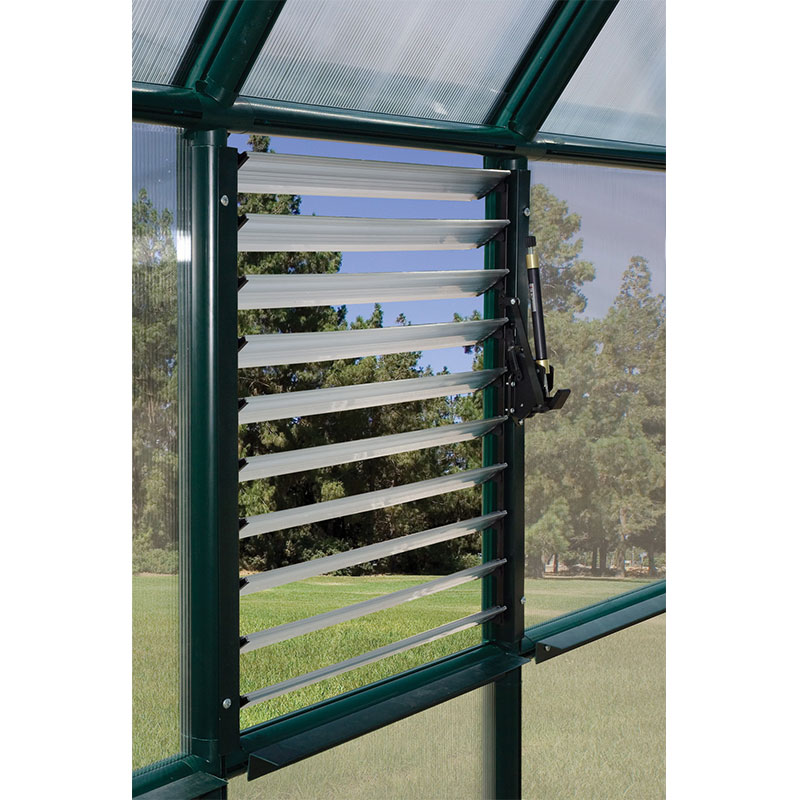
Ventilation can vary too. Some budget greenhouses rely on the door or front panel being opened, while others include a simple vent or cover that can be adjusted. This is useful to know because different crops behave differently in a warm, enclosed space. Salad crops may prefer a gentler set-up, while tomatoes and peppers can use the extra warmth a bit more readily. A buyer who knows what they plan to grow will usually find the differences easier to judge.
Materials that work for the price
Under £100, the aim is usually to find a combination that gives reasonable durability and a good growing environment without becoming bulky or expensive. Steel frames are common because they help keep the shape in place. Plastic covers often make the greenhouse lighter and quicker to assemble. Some structures use reinforced seams or ties to help keep the cover fitted around the frame. These details are not flashy, but they matter in practice.
If you are choosing between two similar greenhouses, it can help to look at whether the structure feels more like a seasonal grow tent or a more fixed garden unit. The first is usually lighter and easier to shift. The second may be a bit firmer in shape and better for a set position on a patio or path. Neither is wrong. It depends on whether you want something that moves with the season or something that settles into one spot.
Best uses for compact growing spaces
These greenhouses are often a strong fit for balconies, courtyards, small patios and narrow terraces. That is where a full-size greenhouse can feel out of scale, but a smaller structure can actually improve how the area works. If you grow in containers, a shelf greenhouse gives each pot a place and reduces clutter. If you are raising plug plants, you can keep them together and make better use of the light available. For mixed growers, it creates a home for both herbs and ornamentals, which can be quite handy.
They are also useful when you want to separate crops by need. For example, a shelf can hold seed trays at the top, young bedding plants in the middle and a couple of deeper pots below. That sort of layering makes compact growing feel more organised. It also gives you a better sense of what is ready to move on and what needs more time. Small greenhouse ownership is often about order as much as shelter.
Choosing the right style for the plants you grow
If your main aim is starting seeds early, a compact shelf greenhouse with good light access may be the best fit. If you grow salad leaves, herbs and cuttings, a lower structure can be enough and may use the space more efficiently. For those wanting to grow tomatoes, peppers or taller annuals, height becomes more important, so a walk-in or taller framed option makes more sense. It is not only about what fits in the garden; it is about what fits the plant.
There is also a difference between a greenhouse chosen for temporary propagation and one chosen for ongoing seasonal use. Some gardeners only need protection in spring, when young plants are vulnerable. Others want a spot that stays in use from early sowing to late autumn. That makes the interior layout important. If you tend to swap crops often, look for open shelves and easy access. If you mostly want one job from it, a simpler shape may be enough.
Little buying tips that save regret later
A useful tip is to measure the actual space, including the area needed to open the door or lift the cover. A greenhouse can look compact online and still feel tight once it is in place. It is also worth thinking about what kind of pots you already own. A unit with narrow shelves may be awkward if your trays are larger than expected. Likewise, if you prefer long seed trays, check the shelf depth before buying.
Another thing to weigh up is where the greenhouse will sit in relation to light. A budget greenhouse can do a decent job, but it still needs a sensible position to work well. Near a wall can be useful for shelter, while an open sunny spot gives more direct light. If you have to choose between height and width, think about the plants first. Many buyers are drawn to a walk-in shape, but a smaller shelf unit sometimes suits their actual use better. That is one of those boring little truths that saves hassle later.
Why these budget options keep selling
Greenhouses under £100 remain popular because they answer a real need: a simple, space-aware growing shelter that does not ask for a full project or a large spend. They let you try greenhouse growing without overcommitting. They also make sense for renters, first-time gardeners and anyone who wants to keep their gardening setup light and adaptable. In a small garden, that can be the difference between having a place for plants and not having one at all.
And while the features are modest, the uses are not. A good compact greenhouse can help you extend the season, keep young plants together, and make better use of awkward corners. Some buyers want a neat shelf tower. Others want a tunnel shape for a longer run. Others just want something that keeps the rain off the trays and gives the seedlings a fair start. That variety is part of the appeal, and it is why this category keeps finding room in gardens of all sizes.
What to look for when comparing options
When comparing different greenhouses under £100, focus on shape, height, shelf layout, cover type and access. Those are the features that change how useful the greenhouse feels day to day. A model with more height may suit mixed planting, while a shorter unit can be better for hardening off or for keeping smaller pots together. A stronger-looking frame can be worth choosing if the greenhouse will stay in one place for much of the year.
If you are after a neat, affordable growing space, this category gives you plenty to work with. It is about picking the right form for the job, not chasing features you will not use. Whether you need a mini greenhouse for seedlings, a walk-in style for taller crops or a cold frame for close-to-the-ground protection, there is usually an option that fits both the garden and the budget. That is the real draw: useful shelter, a bit of extra growing room, and a price that stays manageable.
- Mini greenhouse styles suit trays, herbs and compact patios.
- Walk-in greenhouse formats give more access and taller growing space.
- Cold frame designs are lower, snug and good for early plants.
- Shelf-based units help keep seedlings organised and off the ground.
- Tunnel shapes can offer a longer run of growing space for the money.
- Lean-to styles make sense where wall space and shelter are available.
- PVC and polythene covers keep the build light and budget-friendly.
- Steel frames are common and help hold the shape in place.