
Greenhouses 9x9 - Best Deals in UK!
Showing all 2 results
-
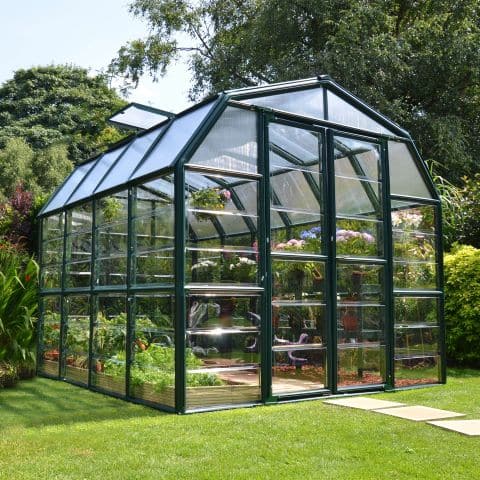
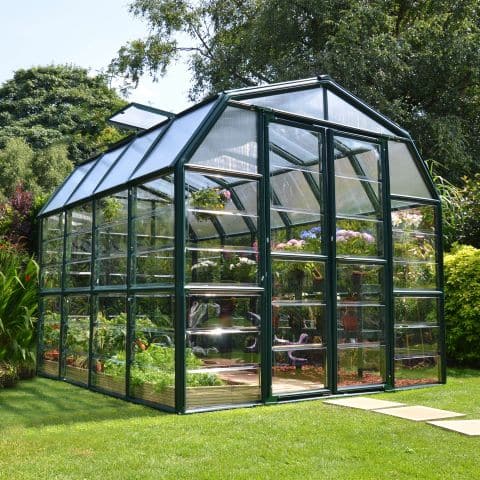
8% OFF: 8â x 8â Palram Canopia Rion Grand Gardener Polycarbonate Greenhouse (2.67m x 2.64m) £1,508.998%

-
8â x 8â Palram Canopia Rion Grand Gardener Polycarbonate Greenhouse (2.67m x 2.64m) £1,639.00
9×9 greenhouses offer a balanced growing space for compact gardens, with room for seedlings, tomatoes, herbs and staging. Compare glass, polythene and polycarbonate styles, plus lean-to and apex forms.
A square footprint that makes sense
A 9×9 greenhouse gives you a neat, square growing area that feels easy to plan from the start. The footprint is compact enough for smaller plots, yet still generous enough to make proper use of shelving, staging and floor space. That square shape matters more than people often think: beds, pots and crop rows fit in a more orderly way, and there is less awkward dead space than in longer, narrower houses. If you like the idea of a greenhouse that can be organised clearly, a 9ft x 9ft format is a very practical middle ground.
It suits gardeners who want more than a cold frame or mini greenhouse, but do not want a structure that takes over the whole garden. For many buyers, this size feels like the point where a greenhouse starts to become a true growing room rather than just a place to tuck a few trays away.
What fits inside a 9×9 greenhouse?
Inside a 9×9 greenhouse, you can usually divide the space into distinct growing zones. One side can hold a run of staging for trays and pots, while the other side is kept open for taller crops or container planting. That balance is part of the appeal. A square greenhouse tends to work well for:
Bestseller der Kategorie Greenhouses 9x9
- Seed sowing and early propagation
- Tomatoes, cucumbers and peppers grown in pots or grow bags
- Herbs in smaller containers along the edges
- Overwintering plants that need shelter but not lots of room
- Bench space for repotting and potting up
The real advantage is flexibility. You are not locked into one arrangement, and because the floor plan is fairly even, it is easier to create a layout that suits how you actually garden, not how a brochure says you should. That sounds obvious, but with greenhouse sizes, it often makes a big difference.
Glass, polycarbonate or polythene?
When people search for 9×9 greenhouses, they are often comparing the covering material as much as the size. Each option gives a slightly different feel, light quality and visual finish.
Glass greenhouses have the classic look and are popular with gardeners who want a clear view of their plants and a traditional finish in the garden. The light is crisp, which suits many ornamental and edible crops. A glass 9×9 greenhouse can also feel more permanent, so it often appeals to buyers looking for a structure that becomes part of the garden design.
Polycarbonate greenhouses are often chosen when a bit more impact resistance and insulation matter. The panels have a more contemporary appearance and can diffuse light, which some growers like for gentler conditions on bright days. In a 9×9 format, that can be useful if the greenhouse will be used for a mix of crops rather than one very specific purpose.
Polythene-covered greenhouses are a different kind of option again. They tend to be lighter in appearance and can suit gardeners who want something more flexible or temporary-looking. In 9×9 size, a polythene structure can still provide a proper growing area, but the overall style is more utilitarian. It is a useful choice where budget and practicality are the main points of comparison.
Form matters as much as material
A 9×9 greenhouse is not only about the covering; the shape of the structure changes how it feels to use. The most common forms are:
- Apex greenhouses – the familiar pitched roof shape, with a central ridge and sloping sides
- Lean-to greenhouses – built against a wall or shed, using existing structure for support and shelter
- Victorian-style greenhouses – decorative styling with more traditional lines and a characterful finish
- Corner or square layouts – especially useful where garden space is tight and the footprint needs to sit neatly into a boundary
The difference is not just cosmetic. An apex design usually feels open and simple to work in, with good headroom down the centre. A lean-to can be a clever use of space, especially where one wall is already warm or sheltered. It may also suit people who want easy access from the house or patio. Decorative styles bring a softer look, which can matter if the greenhouse will sit in a visible part of the garden and you do not want it to feel too industrial.
Why the 9×9 size is so useful
There is a nice middle area between small and large greenhouses, and 9×9 sits right in that space. It is big enough to support proper crop rotation across a season, but not so large that it becomes difficult to organise. If you have ever had a greenhouse that was too narrow to work in comfortably, you will know how much this counts.
The square proportions allow a more even spread of light and shelving options. You can keep taller plants away from the edges if needed, or use the whole perimeter for trays and seedling pots. It is also easier to create a clear path through the middle without wasting width at one end. For gardeners who like tidiness, that can be a real bonus.
In practical terms, a 9×9 greenhouse often suits growers who want to raise more than just a few plants each year. It is a size that can handle a busy spring start, a productive summer and enough sheltered space into autumn. That broad usefulness is part of why this category gets looked at so often.
Different users, different layouts
One of the nice things about this category is that it can fit different gardening habits. A person growing mainly salads and herbs may use the greenhouse very differently from someone starting tomatoes, peppers and bedding plants from seed. The same 9×9 footprint can support both, but the internal layout changes.
For edible growers, the square shape makes it easier to set up rows of containers and keep access clear. For ornamental gardeners, the same space can be used to harden off young plants, shelter tender blooms and keep pots looking tidy before they go outside. If you like mixing both, the size is broad enough to do that without everything feeling crammed in.
It also suits people who want a greenhouse that does not dominate a small or medium garden. Because the footprint is neat and regular, it often sits better beside paths, borders and patios than a more awkward size would. That visual balance can make the whole garden feel more settled.
Light, height and everyday use
A good 9×9 greenhouse should feel pleasant to move around in, with enough light for healthy plant growth and enough height to make the interior usable. Apex models often offer a more open feel overhead, while lean-to versions can be slightly more limited in height depending on where they are placed. That difference is worth noticing if you plan to grow tall crops or use hanging supports.
Light transmission is another key point. Glass gives a bright, clean look; polycarbonate can soften the sun a little; polythene is more functional and less about the view. None of these are automatically better in every case. What matters is what you plan to grow and how you like the space to feel when you step inside.
If you enjoy a greenhouse that feels like a little working room, with clear lines and easy access to shelves, the square format can be very satisfying. It tends to make daily use simpler, and that is often what buyers really want, even if they do not say it that way.
Small details that change the buying decision
When comparing 9×9 greenhouses, buyers often focus on a few details that shape how usable the space will be. These are worth checking carefully:
- Door position – central or offset access changes how the interior is arranged
- Sidewall style – taller side walls can make staging and shelving more workable
- Roof pitch – influences headroom and the overall look of the structure
- Panel type – clear, diffused or flexible coverings give different growing conditions
- Frame finish – the colour and profile can affect how the greenhouse sits in the garden
These are not small things once you start using the greenhouse every week. A model that looks similar on the outside can feel quite different in real life, simply because the access point or wall height changes the way you move around inside. That is why it helps to compare the structure, not just the footprint.
Style without losing practicality
A 9×9 greenhouse does not have to look plain. Even practical greenhouse designs can have a style that suits the rest of the garden. A traditional glass build may echo older properties and formal planting schemes. A cleaner polycarbonate design can work well beside modern patios or timber fencing. Lean-to versions often blend in quietly, especially where the wall behind them already gives the garden some structure.
The point is not decoration for its own sake. It is about choosing a greenhouse that feels like it belongs. For many buyers, that matters because the greenhouse will be visible all year, not just during the peak growing season. If the shape, finish and proportions sit well in the space, it is more likely to feel like a worthwhile addition rather than a box at the end of the garden.
Useful tips when comparing the range
If you are narrowing down options in the 9×9 greenhouse category, a few simple comparisons can help:
- Measure the actual garden space with room around the outside, not just the footprint itself
- Think about crop height before choosing between apex and lean-to shapes
- Match the covering to your priorities such as clarity, diffused light or a more practical finish
- Look at internal layout potential so staging, pots and access all work together
- Consider how visible it will be, because the greenhouse becomes part of the garden scene very quickly
That last point is easy to overlook, but it really does shape satisfaction. Some greenhouses are chosen mainly for function, others for appearance, and many people want a bit of both. A 9×9 size gives enough room to be useful without needing to feel oversized.
A size that keeps options open
The appeal of 9×9 greenhouses lies in how adaptable they are. They can support propagation, fruiting crops, overwintering and display, depending on how they are set up. They can be traditional or modern, simple or more decorative, freestanding or tucked against a wall. That range of choices means you can look for a greenhouse that suits your plot and your own way of gardening, instead of forcing one style to do everything.
For buyers comparing greenhouse categories, this size is often the one that feels sensible without being restrictive. It gives enough internal space for proper use, enough structure to organise growing areas, and enough visual presence to feel like a real feature. If you want a greenhouse that can do a fair bit without becoming a huge project, 9×9 is a size worth a close look.
[Sassy_Social_Share]