
Greenhouses 9x8 - Best Deals in UK!
Showing all 3 results
-
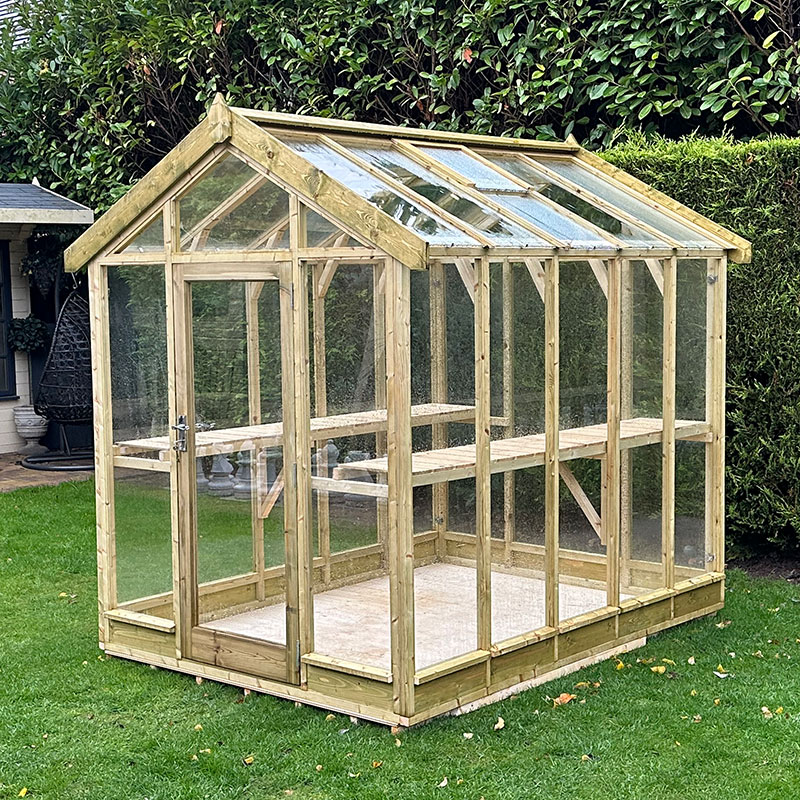
13% OFF: 8’3 x 9’4 Coppice Ashdown Apex Wooden Greenhouse (2.52m x 2.85m) £4,189.0013%

-
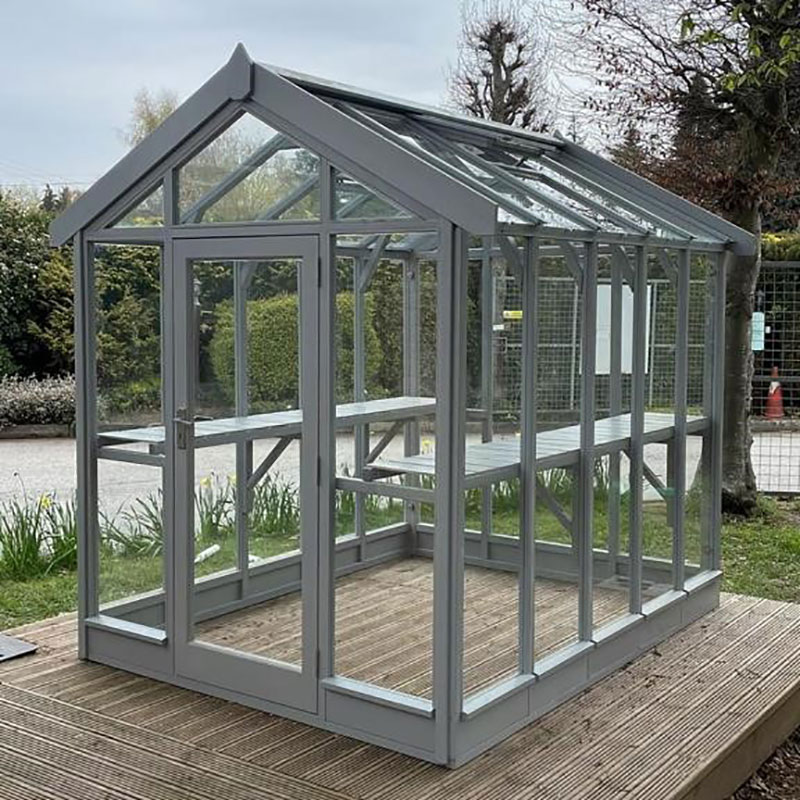
12% OFF: 8’3 x 9’4 Coppice Ashdown Apex Painted Wooden Greenhouse (2.52m x 2.85m) £4,759.0012%

-
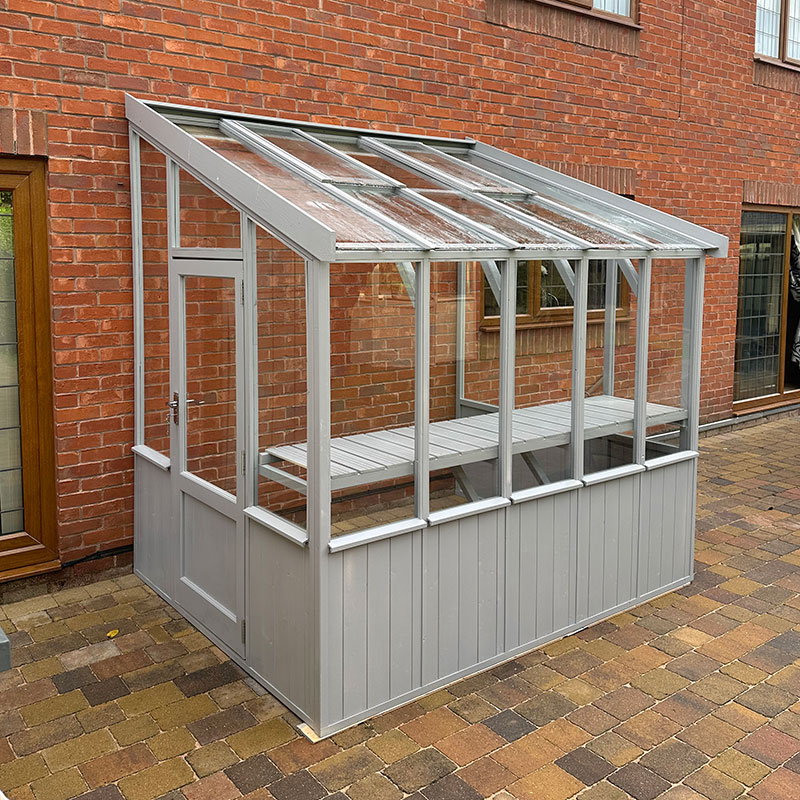
12% OFF: 8’1 x 9’4 Coppice Hatfield Lean To Painted Wooden Greenhouse (2.47m x 2.85m) £4,289.0012%

9×8 greenhouses offer a balanced growing space for keen gardeners, with room for beds, staging, and taller crops in a compact footprint.
A size that feels practical, not cramped
A 9×8 greenhouse sits in that useful middle ground where the structure is large enough to feel proper, but not so large that it takes over the whole plot. The proportions suit gardeners who want a dedicated growing area for seedlings, salad crops, tomatoes, cucumbers, cuttings, and overwintering plants, while still leaving space for movement inside. The 9ft by 8ft footprint gives a noticeably different feel from narrower hobby houses, because the extra width makes layout decisions easier. You can divide the space more naturally, with one side for staging and the other for soil beds or pots, or keep the centre open for access on both sides.
This size also works well when you want a greenhouse that looks purposeful rather than oversized. It can suit medium gardens, side plots, and areas where a larger frame would feel out of place. For many buyers, the appeal is simply that the footprint gives enough room to do proper greenhouse work without having to step into a very large building. That balance is what makes greenhouses 9×8 such a common choice for home growers who want a bit more than the basics.
What the 9×8 shape changes inside
The exact proportions matter more than people sometimes expect. A 9×8 greenhouse is not just “slightly bigger”; the extra width compared with narrower sizes often changes how usable the interior feels. In a long, narrow house, movement can become awkward once shelves, pots, and trays are added. With 9ft of width, there is more chance to set out double staging, a central path, or a mix of benching and floor growing without it turning into a squeeze.
Bestseller der Kategorie Greenhouses 9x8
The shape also helps with taller plants. If you are growing tomatoes, peppers, cordons, or climbing crops, the extra width can leave room for supports and hanging space without crowding the doorway. A 9×8 layout can also make it easier to separate crops by height or by use, for example one side for propagation trays and the other for mature plants. That split is useful because it lets the greenhouse work as several zones at once, rather than one crowded space.
Lean-to, free-standing, ridge, and more
When people search for 9×8 greenhouses, they are often looking at more than one build style. The size can appear in several formats, and each one brings a different feel. A free-standing greenhouse is the most flexible, with access all round and the option to position it where light is best. A lean-to greenhouse uses an existing wall, which can be useful when garden space is limited or when you want the structure to sit close to the house or shed. The choice is not just about appearance; it changes how the greenhouse connects with the rest of the garden.
A ridge greenhouse keeps the classic pitched roof profile, often giving a familiar shape with good headroom at the centre. Within the 9×8 footprint, this is a popular format because the roofline supports a comfortable working space and handles tall plants well. There are also apex and overlap style descriptions used in some ranges, and these terms usually point to the construction or glazing method rather than a separate size. The key difference is often in how the frame looks, how the panels are fixed, and how much of the structure feels enclosed or open.
For buyers comparing styles, the important thing is that the 9×8 footprint can suit several greenhouse forms without feeling awkward. A neat lean-to may be ideal for one garden, while a freestanding ridge house feels better in another. The size is versatile enough to work in both directions.
Aluminium, timber, and the feel of the frame
One of the main differences across greenhouses in this size is the frame material. A 9×8 aluminium greenhouse tends to have a light, clean look and is often chosen for its straightforward profile. Aluminium frames usually suit buyers who want a tidy modern finish and a structure that does not look heavy in the garden. The lines are usually neat, and the frame can make the glazing appear crisp and orderly.
A timber greenhouse feels different. It has a warmer, more traditional look and can sit very naturally in gardens with planting borders, old brick paths, or cottage-style planting. In a 9×8 size, timber often creates a softer presence, which some buyers prefer because it looks more like part of the garden rather than a separate object. The difference is not only visual; timber-framed houses often appeal to people who want that classic greenhouse character.
There are also combinations and variations where framing details influence the appearance and internal layout. The practical difference buyers often notice is how the frame affects light, width, and visual bulk. Slimmer framing can feel more open inside, while chunkier framing may look more substantial. In a 9×8 greenhouse, that balance matters because the frame should support the space without making it feel smaller than it is.
Glazing choices that change the growing feel
The glazing type is another detail that shapes the way a 9×8 greenhouse performs and looks. Horticultural glass gives that clear, traditional greenhouse appearance many buyers expect. It allows plants to be seen easily and keeps the structure visually open. For those who like a more classic finish, this can be part of the appeal. The greenhouse looks like a proper growing house, not just a garden shelter.
Some 9×8 models are offered with polycarbonate glazing, which changes the feel of the structure quite a bit. Polycarbonate has a different visual texture and can make the greenhouse seem less brittle in appearance. It is often chosen by people who want a more practical look and a slightly different light quality inside. The main difference is how the panels read from the outside and how they sit within the frame, which can affect the overall tone of the garden.
There are also differences between single glazing and thicker panel systems. Single glazing tends to look more traditional and very clear, while thicker panels can make the greenhouse feel a bit more enclosed. In a 9×8 footprint, that choice can matter because it affects how the interior light feels and how open the house appears from the path or lawn. Buyers often pick by a mix of appearance, crop needs, and the style they want the greenhouse to bring to the plot.
Why this size suits mixed growing plans
A 9×8 greenhouse gives room for mixed use, which is one reason it appeals to so many gardeners. It can hold trays of seedlings on staging, mature plants on the floor, and a few taller crops without everything competing for the same space. That matters if your growing plans are not limited to one crop type. One season it may be full of plug plants and salad sowings; another season it could be full of tomatoes, basil, and overwintered pelargoniums.
The size is also handy for people who like to separate tasks. You can keep one section for propagation, one for potting-up, and another for display or storage of pots and trays. That division makes the greenhouse more useful because it reduces the feeling of clutter. In a smaller house, the same mix of plants can feel messy quite quickly. In a 9×8, there is room to breathe a little.
For gardeners who enjoy changing things through the year, the size gives a good amount of flexibility. It is large enough to adapt, but not so large that unused areas feel wasted. That is a real advantage for anyone who likes a greenhouse to do several jobs rather than just one.
Double doors, roof shape, and easier movement
Details such as door width, roof pitch, and vent placement make a noticeable difference in a greenhouse of this size. A 9×8 frame often benefits from a layout that makes carrying trays, watering cans, and larger pots less awkward. Double doors can be especially useful, because they create a wider opening for moving items in and out, and they make the greenhouse feel more accessible when you are working with full hands. Not every design will have the same door arrangement, so it is worth checking how you will use the entrance.
The roof form also matters. A higher ridge line can give more headroom for tall crops and hanging baskets, while a lower profile may look neater in some gardens. With the 9×8 footprint, roof shape has a bigger effect than many people realise because it changes how spacious the middle of the greenhouse feels. A pitched roof can make the interior feel more balanced, while a different roofline may better suit a tighter garden setting.
Vent and opening arrangements are not just technical details; they influence how the greenhouse is used day to day. In a 9×8 space, the placement of roof vents or side vents can affect which sections of the greenhouse are easier to use for propagation or taller planting. The better the layout works with your crops, the more naturally the greenhouse becomes part of your routine.
Comparing 9×8 with smaller and larger options
Buyers often compare a 9×8 greenhouse with 6×4, 6×6, 8×6, and 10×8 sizes. The differences are not only in area; they change how the greenhouse feels when used. Compared with an 8×6 greenhouse, the 9×8 gives more usable width and a less cramped working pattern. That extra room is often what turns a greenhouse from “just enough” into something genuinely useful for more than one task at a time.
Against a 10×8 greenhouse, the 9×8 is usually a little more modest in footprint, which may suit gardens where every bit of ground matters. Some buyers want the feel of a bigger working house without committing to the largest common domestic size. In that sense, the 9×8 can hit a useful middle point. It is roomy, but not demanding.
Smaller houses can still suit beginner growers or very limited gardens, but they may not offer the same freedom for layout. Larger houses give even more scope, of course, yet they can ask for more space than some plots can give. The 9×8 size often lands in the sweet spot for people who want a greenhouse that does not feel like a compromise.
Which crops and uses fit the footprint
Because of its proportions, a 9×8 greenhouse suits a broad range of uses. It is very suitable for tomatoes, cucumbers, peppers, chillies, aubergines, salad leaves, herbs, and trays of bedding plants. The extra width makes it easier to mix crops that need more vertical room with those that stay lower and can sit on staging or shelves. That is one of the biggest practical advantages of this size.
The greenhouse can also support propagation work with seed trays, small pots, and cuttings, while still leaving space for larger plants later in the season. If you like to raise your own plants from seed rather than buy them ready-grown, the 9×8 format gives a better chance to keep different stages separate. That helps avoid the common issue of a greenhouse becoming all one level of plant height, which can be awkward for light and access.
For buyers interested in ornamental growing, the space is also well suited to tender flowering plants, overwintering display pots, and container collections. The combination of floor area and workable width makes it easier to store plants neatly instead of stacking them in a way that feels temporary or untidy.
Small details that make a big difference
When looking at greenhouses 9×8, it helps to notice the small details that affect usability. Staging width changes how much bench space you really get. The position of the door affects how you move around the first section of the greenhouse. Glazing style changes the look from outside and the feel inside. Even the way the frame is joined can alter whether the greenhouse feels open, tidy, or a bit boxy.
It is also worth thinking about whether the internal layout allows for a clear route through the greenhouse. In a 9×8 space, one of the best things is that you can keep access simple without filling every edge. That makes the greenhouse easier to use for regular growing tasks. If everything is packed too tightly, the size advantage is lost. If the layout is thoughtful, the space feels bigger than the numbers suggest.
Another point is how the greenhouse sits in the garden itself. Some buyers prefer it against a wall, near a fence, or as a feature in a sunnier open position. The 9×8 footprint is versatile enough to suit a few different placements, which is useful when planning around paths, borders, or existing sheds. In practice, the right position can make the greenhouse feel more useful before anything has even been planted inside.
Why buyers keep coming back to 9×8
The reason this category stays popular is not complicated. A 9×8 greenhouse gives enough room to work properly, enough width to avoid constant shuffling, and enough flexibility to suit different gardening styles. It can be a growing house, a propagation space, a plant shelter, or a mix of all three. That makes it attractive to gardeners who want one structure to do several jobs well.
It also offers a satisfying sense of proportion. Smaller structures can feel limiting, while larger ones can feel like more than a typical plot wants. The 9×8 size tends to feel deliberate. It looks substantial without being overbearing, and it gives the gardener space to organise plants in a way that makes sense. For anyone comparing types, frame materials, and glazing options, this size often becomes the one that seems easiest to live with over time.
If you are choosing a greenhouse for more than just one season, the 9×8 format is worth a close look. Its blend of usable floor area, layout flexibility, and varied style options makes it a strong candidate for gardeners who want a structure that feels genuinely useful rather than simply present.
Quick points worth checking before you decide
- Frame material: aluminium for a cleaner, lighter look; timber for a warmer, more traditional feel.
- Glazing type: clear glass for a classic greenhouse appearance, or polycarbonate if the style and panel feel suit your plans better.
- Door layout: single or double access can change how easy it is to move plants and trays.
- Interior use: think about whether you want more staging, more floor growing space, or a split layout.
- Roof shape: a pitched roof often feels roomier in the centre and helps with taller crops.
- Garden fit: the 9×8 footprint is large enough to be useful, but still manageable in many domestic gardens.
A greenhouse that gives you options
What makes 9×8 greenhouses so appealing is the way they open up different growing approaches without forcing you into one fixed plan. You can use the space for early sowings, summer cropping, potting benches, or mixed plant housing. The size works across seasons and across styles, which is a big part of the buying decision for many gardeners. It is not a one-purpose structure; it is a workable space that can change with the year.
When you compare the subtypes, materials, and glazing choices, the right version usually becomes clear. Some buyers want a classic ridge profile and glass panels. Others prefer a timber frame with a softer garden presence. Some need a lean-to arrangement that saves space along a wall. Whatever the style, the 9×8 footprint gives a solid starting point. It is a size that tends to make sense once you picture real plants, real trays, and real room to move around them.
For gardeners who want a greenhouse with enough presence to feel useful, but not so much scale that it becomes awkward, the 9×8 category is a very practical place to start looking.
[Sassy_Social_Share]