
Greenhouses 9x6 - Best Deals in UK!
Showing all 5 results
-
12% OFF: 6’4 x 8’6 Halls Popular 68 Small Greenhouse (1.93 x 2.57m) £525.9912%

-
12% OFF: 6’4 x 8’6 Green Frame Halls Popular 68 Small Greenhouse (1.93 x 2.57m) £572.9912%

-
12% OFF: 6’3 x 9’4 Coppice Ashdown Apex Painted Wooden Greenhouse (1.91m x 2.85m) £3,519.0012%

-
12% OFF: 6’1 x 9’4 Coppice Hatfield Lean To Painted Wooden Greenhouse (1.86m x 2.85m) £3,539.0012%

-
11% OFF: 6’3 x 9’4 Coppice Ashdown Apex Wooden Greenhouse (1.91m x 2.85m) £3,109.0011%

Greenhouses 9×6 give you a practical growing space with room for staging, climbing crops and a few rows of pots, while still fitting neatly into many UK gardens.
A size that feels roomy without taking over the plot
A 9×6 greenhouse sits in that useful middle ground where you can grow more than a compact 6×4, but without needing the footprint of a larger 10×8 or 12×8 structure. It suits gardeners who want proper working space for seedlings, tomatoes, peppers, cut flowers and overwintering plants, yet still need to leave breathing room in the garden. The extra depth makes a real difference: you can create a clear centre aisle, place benches along the sides, and still have enough space to move trays around without constantly shuffling things about.
For many buyers, the appeal is not just the measurements themselves, but what those measurements allow. A 9×6 greenhouse can feel organised rather than cramped, which matters when you are trying to separate propagation, potting-on and plant display all in one place. It is a size that often suits family gardens, allotments and keen hobby growers who have moved beyond a starter greenhouse and want something a bit more capable.
What the 9×6 format actually offers
The 9ft by 6ft layout gives you a long, narrow shape that works well for staged growing. The length helps with workflow: seed trays near the door, young plants in the middle, and larger crops towards the back. This kind of arrangement can make day-to-day use feel easier, because there is less crossing over and fewer awkward reaches. The width, meanwhile, is enough for practical shelving on both sides if you prefer, though many growers choose one side for staging and leave the other open for taller crops.
Bestseller der Kategorie Greenhouses 9x6
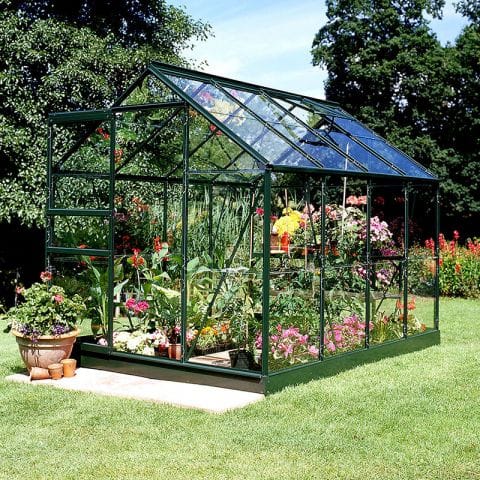
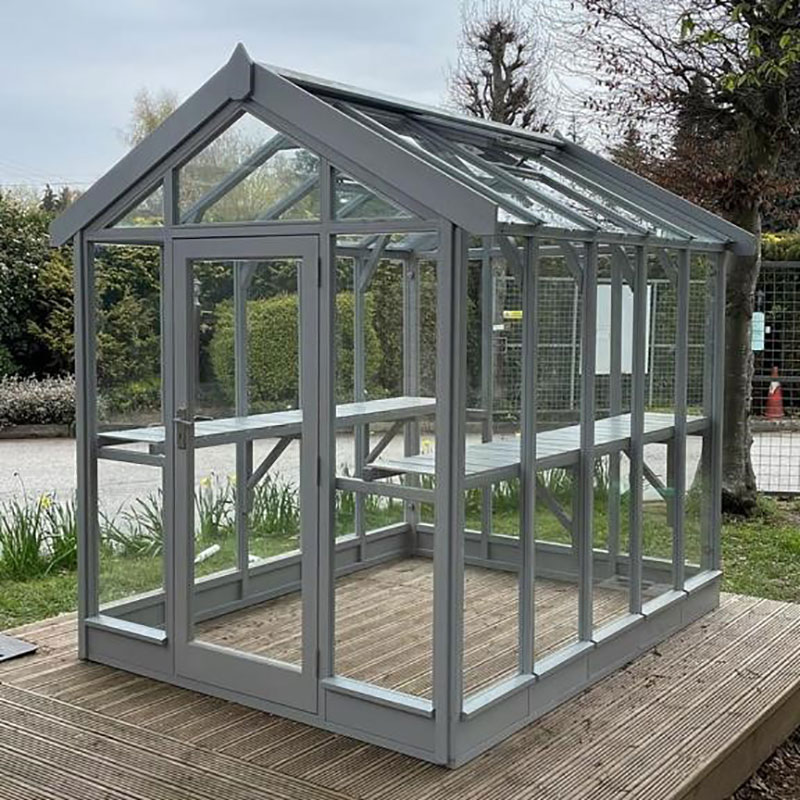
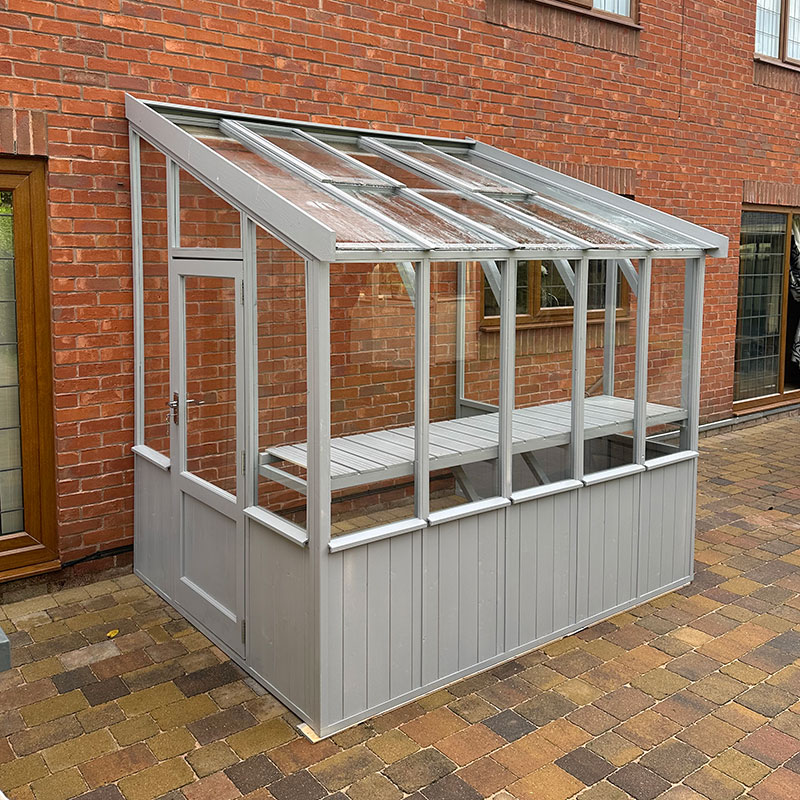
Compared with smaller greenhouses, a 9×6 tends to feel more flexible. Compared with wider buildings, it can be easier to place against a boundary fence or along a sunny side of the garden. That balance is one of the main reasons this category remains popular. It is not simply about fitting more in; it is about fitting things in a way that makes sense.
Common greenhouse forms in this size
Within the 9×6 greenhouse category, you will usually see a few clear shapes and styles. Each one changes how the space feels and how it can be used.
- Victorian-style greenhouses with decorative ridges and curved detailing, often chosen for a classic garden look.
- Lean-to greenhouses set against a wall or outbuilding, useful where side space is tighter and warmth retention is a priority.
- Traditional aluminium greenhouses with clean lines and practical glazing layouts, often selected for straightforward use.
- Wooden greenhouses that bring a softer appearance and can sit well in more natural-looking gardens.
- Polycarbonate greenhouses where impact resistance and lighter construction are important, especially in exposed spots.
Although the size remains the same, the shape and build can change the feel quite a lot. A Victorian frame may suit a decorative planting area, while a plain aluminium frame can look more utilitarian and direct. A lean-to 9×6 can be especially useful where a free-standing house would feel too dominant. The differences are worth thinking about early, because the structure type influences how the greenhouse sits in the garden as much as what goes inside it.
Glazing choices that change the way it works
Another key difference in 9×6 greenhouses is the glazing. The most common options are horticultural glass, toughened glass and polycarbonate panels. Each one brings a different feel and practical outcome, and the right choice often depends on how exposed your garden is, and what you like growing.
Horticultural glass gives a classic greenhouse look and clear light transmission, which suits traditional growing and a neat appearance. Toughened glass is chosen where added strength is preferred; it tends to feel like a safer, sturdier option in many buyers’ minds. Polycarbonate panels, by contrast, diffuse light a little more and can be attractive for gardeners who want a lighter-weight build or a more forgiving surface in windy areas. There’s no single right answer here, only different priorities. If you want that crisp visual style and traditional plant house feel, glass is often the route. If your site is more exposed, polycarbonate may make more sense.
Why the 9×6 footprint suits serious growers
A lot of gardeners reach for a 9×6 greenhouse when they begin to outgrow a smaller structure. That is usually because this size gives proper zoning. You can dedicate one area to propagation, another to potting, and still keep room for crops that need a bit more elbow space. It becomes possible to grow in layers rather than in one crowded mass. And that layering can be the difference between a greenhouse that is used well and one that just feels full all the time.
This size also helps when you want to grow several crops at once. Tomatoes can occupy one side, cucumbers or peppers another, while seedlings and cuttings stay in a separate zone. If you enjoy succession sowing, the extra length is handy because plants can be moved along the house as they develop. It is a more forgiving setup than very small houses, where one batch of pots can quickly block access to everything else.
Different layouts for different growing habits
The internal layout of a 9×6 greenhouse can be tailored in several ways, and that is one reason the category is so useful. Some gardeners prefer a central path with benches down both sides. Others choose one full side for shelving and keep the other side open for taller specimens and cane-supported crops. In a long narrow greenhouse, the layout matters as much as the frame itself.
- Two-side staging works well for propagation-heavy growing and lots of small pots.
- Single-side staging leaves a more open walkway and is better for taller crops.
- End-to-end zoning helps separate early-season seedlings from established plants.
- Mixed-height shelving gives room for trays, tools and compact plants without using floor space.
If you grow mainly tomatoes, cucumbers and chillies, you may prefer a layout with a clearer open strip for canes and supports. If you are more into seed sowing, plug trays and potting on, then more bench space will suit you better. The same 9×6 size can feel quite different depending on how it is fitted out, so it is worth picturing the inside rather than only the outside footprint.
Material differences that matter to the buyer
In this category, buyers will often compare aluminium, wood and sometimes steel-framed options. Aluminium is popular because it tends to look tidy and straightforward, with a lighter visual profile. It works particularly well in a clean-lined modern garden or where the greenhouse needs to stay visually unobtrusive. Wood offers a warmer, more garden-room feel, which many people like when the greenhouse is close to seating areas or borders. It can soften the structure’s appearance, though it does change the character of the build quite a bit.
Frame material affects more than appearance. It influences how the greenhouse sits in the landscape, how heavy it feels, and how it pairs with different glazing types. A metal-framed 9×6 greenhouse can look crisp and practical, while a timber one often reads as more traditional. If you are trying to match an existing garden style, this becomes important quickly. A greenhouse is not only a growing space; it is also part of the garden view.
Which crops fit best in a 9×6 greenhouse
This size is especially handy for crops that need a little more room than a windowsill can offer, but not a full commercial setup. Tomatoes, peppers, aubergines, cucumbers, salad leaves, young bedding plants and cuttings all sit naturally within a 9×6 space. You can also use part of the greenhouse for overwintering tender plants, which is useful if you like to protect plants without turning the structure into a storage shed.
The size is also comfortable for those who want to combine utility and display. A row of canna lilies, citrus in containers, or a few treasured pelargoniums can share the house with productive crops. This is one of the nicer things about the 9×6 format: it is big enough to feel purposeful, yet not so big that every corner needs filling. There is room for a bit of choice.
Useful buying points that are easy to miss
People often focus on the greenhouse size first, which makes sense, but with 9×6 greenhouses the finer details shape day-to-day use. Door position matters a lot if the greenhouse is going on a narrow site. A taller doorway can make access easier when carrying trays or watering cans. Ridge height matters too, especially if you want to grow cordon crops or simply avoid the house feeling low and boxed in.
- Door style affects access with trays, shelves and taller plants.
- Side height changes how usable the edges are for staging.
- Roof profile influences headroom and the overall look.
- Vent positions can affect how the space is divided internally.
- Base footprint needs to suit the garden line and available sunlight.
Even in a 9×6 size, a few centimetres here and there can make a noticeable difference. A greenhouse that feels easy to walk into and work in tends to get used more often. That is usually what buyers want, even if they do not say it quite like that.
When a 9×6 is better than smaller or larger options
Compared with a 6×4 greenhouse, the 9×6 gives far more freedom for zoning and crop rotation. You are less likely to end up with pots stacked awkwardly on the floor. Compared with larger formats, it is easier to place in a typical domestic garden and may need less visual compromise. That makes it a sensible choice where space is limited but ambition is not.
For gardeners who are unsure between sizes, the question is often whether the greenhouse will be mainly for a handful of seasonal jobs or for regular use throughout the year. A 9×6 leans towards the second category. It is not overbearing, but it is substantial enough to support proper growing patterns. If you enjoy sowing, pricking out, moving plants on and growing several crops side by side, this size usually feels more satisfying than a very compact house.
Buying with the site in mind, not just the catalogue image
It is easy to look at a 9×6 greenhouse online and focus on the frame style or glazing, but the site itself changes everything. A long narrow greenhouse works best where it can catch good light through most of the day, ideally with a position that avoids heavy shading from fences, sheds or trees. Because the format is elongated, the direction it faces can affect how usable each end feels. A careful site choice makes the inside feel calmer and more workable.
Think too about what sits around it. If the greenhouse is close to a border, the 9×6 shape can blend in neatly. If it sits more centrally, the look of the roofline and framing becomes more noticeable. Some people want the greenhouse to stand out a bit; others prefer it to feel tucked into the garden. Both approaches can work, but the size and style need to suit the setting.
Why this category keeps drawing interest
The lasting appeal of Greenhouses 9×6 is simple enough: they give proper growing space without pushing into the biggest-possible bracket. For buyers, that often means a better balance between practicality, footprint and appearance. You get room to experiment with sowing schedules, enough depth for useful staging, and a structure that can still feel at home in a domestic garden.
There is also a kind of satisfaction in a greenhouse that matches the way you garden. If you are past the very small starter setup but not ready for something huge, the 9×6 format often lands in the right place. It supports ambition, but does not demand a giant garden to go with it. That makes it a strong choice for gardeners who want a bit more scope, a bit more order, and a greenhouse that feels genuinely useful rather than merely decorative.
[Sassy_Social_Share]