
Greenhouses 9x5 - Best Deals in UK!
Showing all 3 results
-
13% OFF: 5’3 x 9’4 Coppice Ashdown Apex Painted Wooden Greenhouse (1.6m x 2.85m) £3,479.0013%

-
13% OFF: 5’1 x 9’4 Coppice Hatfield Lean To Painted Wooden Greenhouse (1.55m x 2.85m) £3,129.0013%

-
12% OFF: 5’3 x 9’4 Coppice Ashdown Apex Wooden Greenhouse (1.6m x 2.85m) £3,069.0012%

9×5 greenhouses offer a practical footprint for keen growers who want more room than a narrow lean-to, without stepping up to a full large-scale structure. Compare styles, glazing, frame materials and roof shapes to find a greenhouse that suits your plot, crops and layout.
A handy footprint for serious growing
A 9×5 greenhouse gives you a useful balance of length and width. It is wide enough to create clear working areas, staging and crop zones, yet still compact enough for many gardens where space has to be thought about carefully. That extra width over a slimmer greenhouse often makes the biggest difference in day-to-day use, because it allows better movement between beds, shelves and paths. You are not constantly turning sideways with trays in hand, which sounds small but matters once the greenhouse starts filling up.
This size is often chosen by gardeners who want a structure for more than just a few pots of herbs. It works well for seed sowing, raising young plants, overwintering tender stock and growing crops that need shelter through a longer season. A 9×5 layout can also suit mixed use, with one side for propagation and the other for taller plants or staging. The shape gives enough flexibility that you can arrange it in a way that feels tailored, not cramped.
Glasshouse, polycarbonate or something in between?
When people look at 9×5 greenhouses, the first big choice is usually glazing. Traditional horticultural glass gives a clear, classic finish and lets in plenty of light, which is useful if you are growing a wide range of plants. It also keeps the greenhouse looking neat and familiar, especially in more traditional gardens. Toughened glass is often chosen where extra resistance is wanted, while overlapping pane systems can offer a more budget-conscious route.
Bestseller der Kategorie Greenhouses 9x5
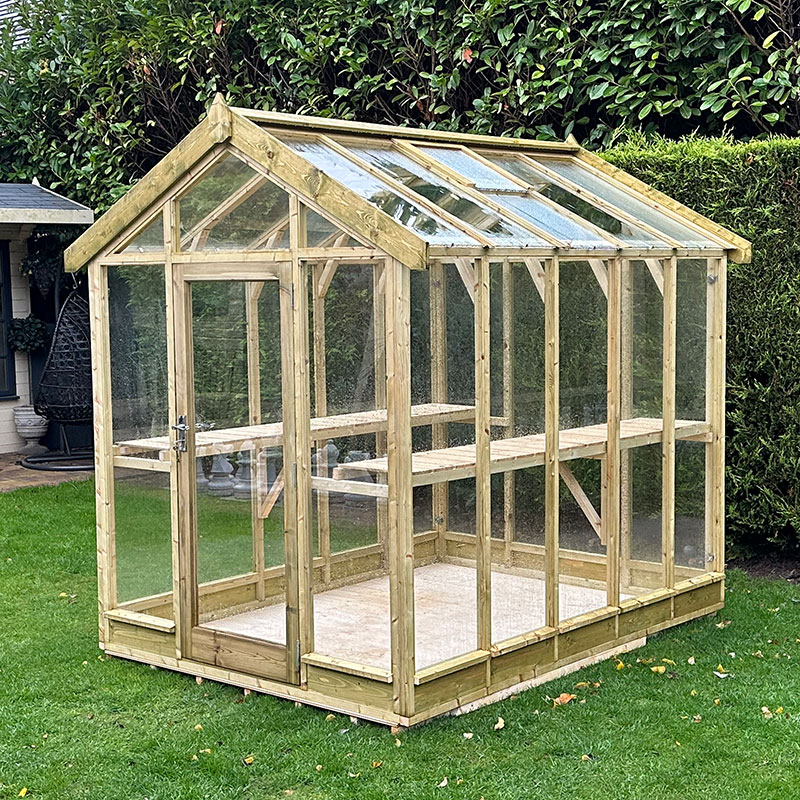
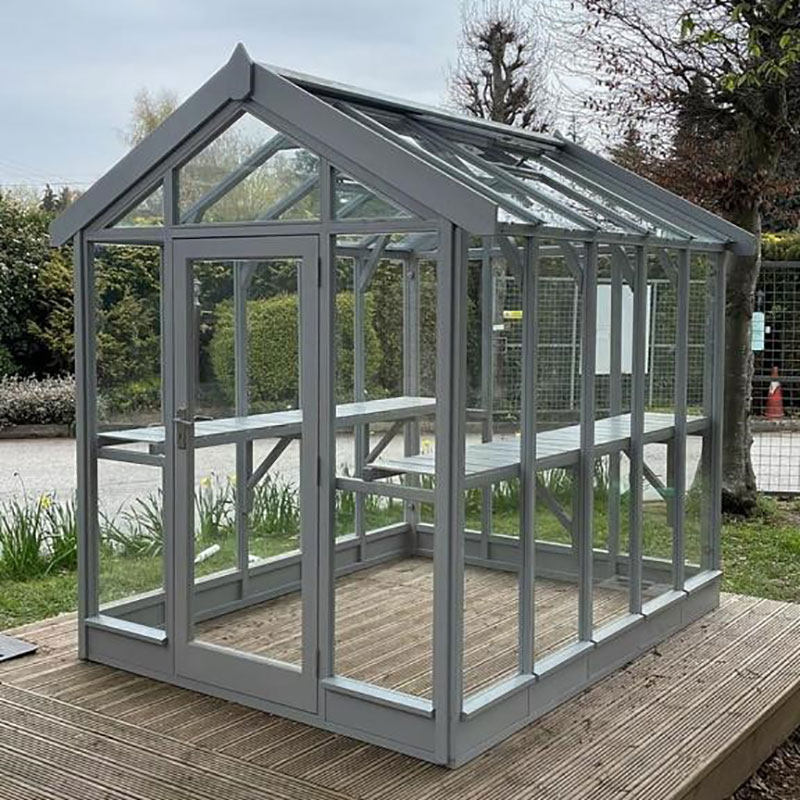
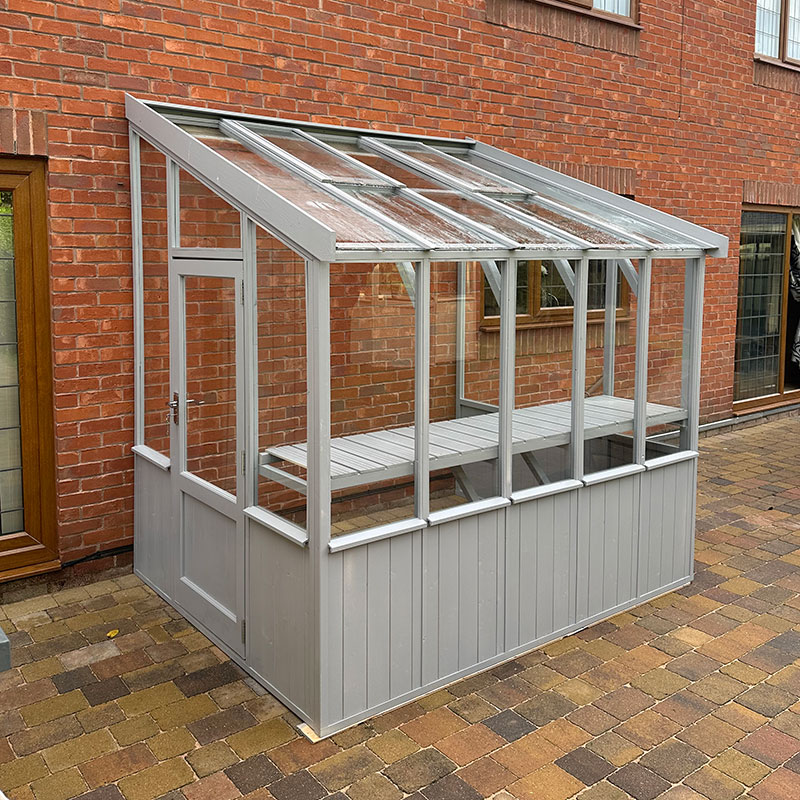
Polycarbonate glazing, by contrast, is often picked for its lighter weight and its different light-diffusing quality. Some gardeners like the softer light spread, especially for young plants or areas where scorching can be a concern. It can also feel more forgiving in a busy garden, particularly where stray balls, branches or the odd knock might happen. The difference is not just about looks; it changes how the space feels inside and how light travels through the house.
There are also hybrid-style options and different panel thicknesses, depending on the design. For a 9×5 greenhouse, the choice may come down to how you plan to use the space. A brighter, sharper light level can suit seed raising and fruiting crops, while a more diffused finish may feel easier for general mixed growing. Neither is automatically right or wrong. It depends on what you want the greenhouse to do.
Frame shapes that change the way the space works
Not all 9×5 greenhouses are built in the same way, and the frame shape has a real effect on use. Lean-to greenhouses are ideal where you have a wall, fence or outbuilding to work with. They can be a clever answer for smaller plots, because they make use of existing structure and keep the footprint efficient. A 9×5 lean-to may feel especially organised, with easy access from the garden side and shelter from one side already built in.
Freestanding greenhouses give more flexibility in position and access. A 9×5 freestanding design can be approached from all sides, which is handy if you want to place it away from boundaries or create a more central growing point in the garden. This format often suits gardeners who like to build a full planting system inside, because both length and width can be used more freely.
The roof line also matters. Apex roofs are a familiar choice, giving a classic profile and good internal headroom in the centre. Barn-style or curved roofs may alter the feel of the space and can affect how staging and taller plants fit beneath. With a 9×5 greenhouse, roof shape is not just an appearance issue; it influences how usable the centre strip becomes and where taller crops can sit without crowding the roofline. A house with generous head height in the middle often makes a small-ish footprint seem less restrictive.
Why the 9×5 size appeals to different growers
The 9×5 dimension suits a wide range of gardening habits. For some, it is a dedicated place for propagation and early sowing. For others, it becomes a seasonal workroom where trays, pots, compost and plant supports live in a more orderly way than they would outdoors. It is also a size that can support both short-term and longer-term crops at the same time, which makes planning easier.
A key benefit of this footprint is the chance to create zones. You might have a bench along one side for seedlings, a central path for access, and the opposite side for taller tomatoes, cucumbers or decorative plants. Or you may decide to keep one end clear for storage of canes, trays and watering cans. A 9×5 greenhouse is large enough to divide without becoming awkward. That makes it attractive to gardeners who want a proper growing space rather than a compromise setup.
It also suits people who need a greenhouse that looks balanced in a medium-sized garden. A structure this size can feel substantial without taking over the whole plot. In practical terms, that means you can enjoy the gains of sheltered growing while still keeping outdoor space for lawn, borders or seating. It is a bit of a sweet spot, though that phrase gets thrown around too much.
Different internal layouts for different jobs
Inside a 9×5 greenhouse, the layout can be arranged in several ways depending on what you grow. A common setup is two side benches with a central path, which works well for easy access and tidy organisation. This is handy if you want one side for propagation and the other for crops that need more light. It also means you are not stretching too far across the house every time you need to check something.
Another option is a single long bench along one side, leaving the rest open for standing pots, larger containers or floor-grown produce. This can feel more spacious if you are growing taller plants or using trellis systems. Some gardeners prefer a partly open layout because it gives them room to change things through the season. You might start with trays and then move on to mature plants without rearranging the whole greenhouse.
For those who like a more intensive setup, the 9×5 size can also support tiered staging or mixed-height arrangements. That is useful if you are working with a broad mix of seedlings, ornamental plants and fruiting crops. The important point is that this footprint gives you enough room to make deliberate choices. You are not forced into a single format, which is one reason it remains a popular size in many gardens.
The small differences that shape buying choices
Two greenhouses may both be called 9×5, yet feel quite different once you look at the details. Glazing thickness, frame finish, door position, ridge height and side-wall height all matter. A slightly taller design can make the interior feel easier to work in, especially if you spend time potting, carrying trays or growing plants that stretch upwards. Lower side walls can limit where staging sits, while extra height may give more headroom for hanging items or taller crops.
Door width is another detail people sometimes overlook. If you plan to wheel compost, trays or a barrow in and out, that can shape how easy the greenhouse is to use. A practical entrance matters in a structure of this size because the whole point is to make work smoother, not more awkward. The same goes for the position of vents or opening sections, which may influence how you arrange the interior even if you are not focusing on climate control as a primary feature.
Panel style can also change the look and feel. Clear glass gives a crisp view through the house, while diffused panels offer a softer visual effect. Some buyers prefer the traditional greenhouse look, while others want something that blends more quietly into the garden. There is no single right answer, only a better match for the garden and how you intend to use it.
Useful features buyers tend to look for
When comparing 9×5 greenhouses, it helps to focus on features that affect use rather than just appearance. Look at:
- Frame material – aluminium is a common choice for a clean, low-fuss structure, while other materials may suit different garden styles.
- Glazing type – glass for clarity, polycarbonate for a different light spread and lighter panels.
- Roof shape – apex, curved or other forms can change the working height inside.
- Door layout – single, double or wider access depending on what needs to come through.
- Side height – useful if you want more room for benches and taller plants near the edges.
- Base compatibility – important for a secure fit and for keeping the footprint accurate.
These details may seem modest on paper, but in a greenhouse the small things add up. A well-chosen combination can make the space feel calmer, easier to organise and more satisfying to use. And because a 9×5 greenhouse is a proper working room, not just a display piece, these practical points are worth attention before buying.
How the shape affects what you can grow
The form of the greenhouse can influence the crop mix as much as the size does. In an apex-style 9×5 greenhouse, the central height can support tall tomatoes, climbing beans in pots, or trellised fruiting plants. The sloping sides are often better suited to staging, seed trays or lower containers. That gives a natural hierarchy inside the structure, which can be useful for organising plants by size and light needs.
A lean-to 9×5 greenhouse may be especially good for crops that benefit from a protected, sheltered position near the house or boundary. It can feel more integrated into the garden plan and may be easier to access for quick tasks. A freestanding version can be better if you want the whole perimeter to be usable or if you like to walk around the structure and view it from different angles. That choice can influence the types of plants you keep at the edges and the way the interior is arranged.
If you grow a mix of flowers, veg and young shrubs, a 9×5 size can make that mix easier to manage. One section might be for early trays, another for hardy container plants, another for taller summer crops. The greenhouse then becomes a working system rather than a single-purpose box, which is one of the reasons many gardeners stay with this size once they have used it.
Planning the footprint before you buy
Because a 9×5 greenhouse is a meaningful structure, it is worth thinking carefully about where it will sit. The available space should allow for the greenhouse itself plus enough room to move around the outside if needed. Access to the door matters too, especially if the entrance will face a path, gate or compost area. A thoughtful position can make the whole space easier to live with.
It is also sensible to think about the shape of the garden around it. A long, narrow border, a corner near a wall, or a clearer central area may all suit different greenhouse types. Some buyers want the greenhouse tucked away; others prefer it as a feature. A 9×5 unit can work in both settings, but the visual weight changes depending on frame colour, roof profile and glazing style. The same greenhouse can feel quite subtle in one garden and more prominent in another.
If you are comparing options, it helps to decide what matters most: light levels, access, appearance, internal height or layout flexibility. Once those priorities are clear, the choice becomes much easier. There is no point buying a greenhouse that looks right but makes everyday use fiddly. A good 9×5 model should feel like it belongs to the way you garden.
Why this size keeps making sense
The appeal of 9×5 greenhouses is that they sit in a useful middle ground. They are not tiny, so you are not fighting for room. They are not so large that the space becomes difficult to organise or justify. That makes them a strong option for gardeners who want to grow more seriously, but still need a structure that fits within an ordinary garden without overpowering it.
They also offer room for change. A greenhouse of this size can start as a place for seedlings and end up as a more complex growing space with benches, staging and seasonal crop rotation. The layout can evolve as your habits change, which is helpful if you are not sure whether you will lean more toward vegetables, ornamentals or a mixed approach. That adaptability is one of the main reasons people return to this category when upgrading from a smaller frame.
For buyers comparing greenhouses, the 9×5 format often hits the right note between usable space and manageable scale. It gives you enough structure to work properly, enough length for planning, and enough width to avoid that cramped feeling that puts people off using a greenhouse as much as they hoped. In other words, it can do the job without making the garden feel crowded.
The choice that comes down to how you grow
In the end, a 9×5 greenhouse is about matching the structure to the way you actually garden. If you want a classic glazed house with clear lines, traditional glass may suit you. If you prefer a lighter panel system or a different look, polycarbonate could be the better fit. If your garden benefits from a wall-based structure, a lean-to version may make more sense than a freestanding one. And if headroom and internal planning matter most, the roof shape and side height deserve careful attention.
What makes this category worth exploring is not just the dimensions, but the way those dimensions support real use. A 9×5 greenhouse can be a propagation area, a shelter for tender plants, a place for long-season crops, or a mix of all three. It can look traditional or more modern, depending on the build. It can feel compact or generous, depending on how it is laid out. That versatility is what many gardeners are actually after, even if they do not phrase it that way.
For anyone comparing greenhouses 9×5, the best starting point is simple: look at the shape, the glazing, the frame and the access, then imagine the crops and tasks you want to carry out inside. The right choice tends to be the one that fits the job properly and makes the garden feel more complete, without making things complicated. That’s usually the sign you’ve picked well.
[Sassy_Social_Share]