
Greenhouses 8x5 - Best Deals in UK!
Showing all 4 results
-
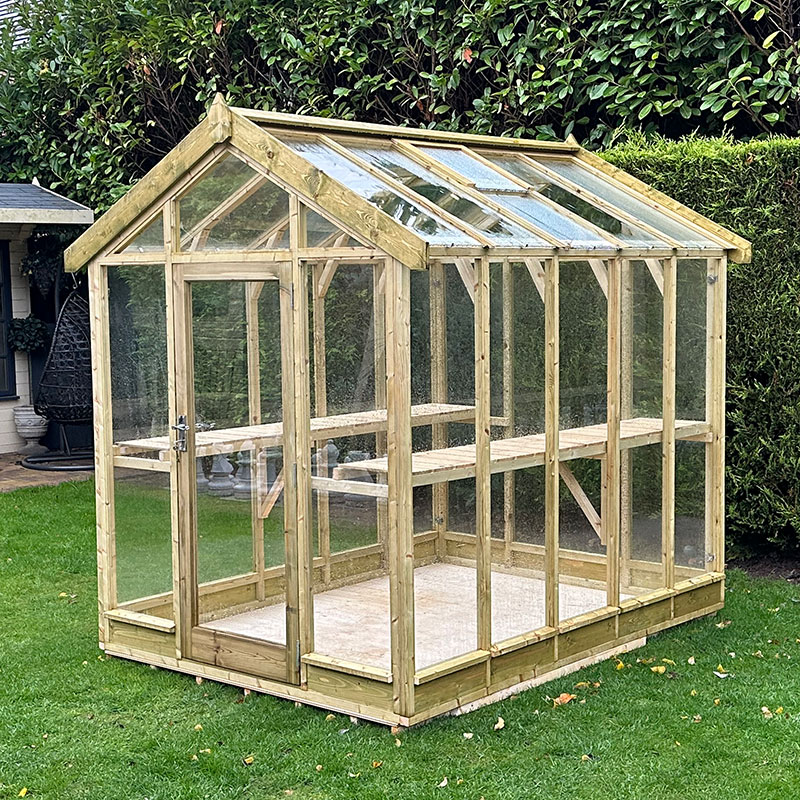
13% OFF: 8’3 x 4’9 Coppice Ashdown Apex Wooden Greenhouse (2.52m x 1.45m) £3,479.0013%

-
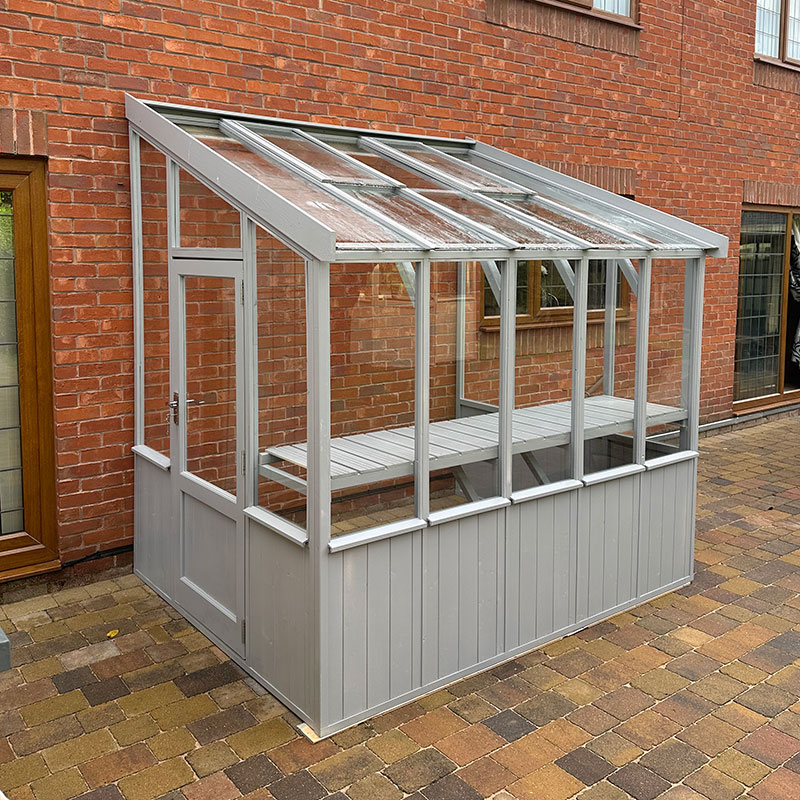
13% OFF: 8’1 x 4’9 Coppice Hatfield Lean To Painted Wooden Greenhouse (2.47m x 1.45m) £3,929.0013%

-
13% OFF: 5’1 x 7’10 Coppice Hatfield Lean To Painted Wooden Greenhouse (1.55m x 2.4m) £2,949.0013%

-
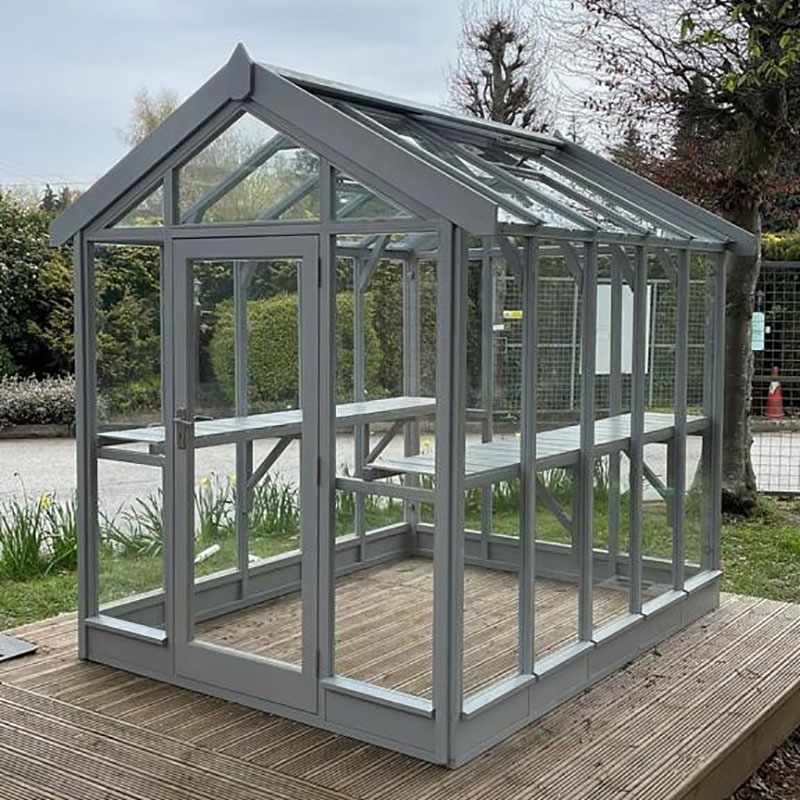
11% OFF: 8’3 x 4’9 Coppice Ashdown Apex Painted Wooden Greenhouse (2.52m x 1.45m) £3,989.0011%

8×5 greenhouses offer a practical footprint for productive growing, giving enough room for staging, borders, and benches without taking over the whole garden.
Why the 8×5 size makes sense
An 8×5 greenhouse sits in that useful middle ground: bigger than a small lean-to, but not so large that it feels awkward in an average garden. The 8ft by 5ft footprint gives a clear layout for anyone who wants a proper growing space for seedlings, salads, herbs, cuttings, and more demanding plants that benefit from a controlled environment. Because the shape is fairly compact, it can fit along a fence line, behind a shed, or at the end of a plot where a wider structure would simply look out of place.
For buyers comparing sizes, the difference is often not just about space, but about how the greenhouse is used. An 8×5 greenhouse can feel more workable than a very narrow model because there is enough width for a sensible central aisle plus shelves or staging on one side. At the same time, it avoids the “empty warehouse” feeling that a large house can create when only a modest amount of produce is being grown.
A footprint that works in real gardens
One of the big appeals of this category is that the size is easier to place in a normal outdoor setting. A 5ft width is often narrow enough to tuck into spaces where access is limited, while the 8ft length gives a more generous run for trays, pots, and vertical growing. This makes the format useful for gardeners who want a dedicated space but do not have a huge amount of ground to spare.
Bestseller der Kategorie Greenhouses 8x5
In practical terms, the layout of an 8×5 structure can support:
- Benching along one side for pots, seed trays, or propagation work
- A central walkway that still allows comfortable movement
- Floor-standing crops such as tomato plants, cucumbers, or taller ornamentals
- Vertical use with climbers trained upwards rather than spreading out
That balance between access and growing room is what many people find attractive. It is not about squeezing everything in; it is about making each square foot useful without feeling cramped.
Shapes that change the feel of the space
Within the 8×5 greenhouse category, the shape matters a great deal. The same footprint can feel very different depending on the roof form and side profile. A gable roof tends to create a classic look with a more open head height in the centre. That suits taller crops and makes the internal space feel less boxed in. A pent roof, by contrast, has a sloping single aspect that often sits neatly against a wall or boundary, giving a slightly more tucked-in appearance and, in some layouts, easier integration with surrounding garden structures.
There are also differences between traditional upright styles and designs that lean more towards a lower profile. Upright styles usually allow a more comfortable working height for moving around, whereas lower forms may appeal where visual impact matters and the gardener wants the greenhouse to sit quietly in the plot. The choice is not only aesthetic; it affects how the internal height is used and where shelves, hanging baskets, or taller plants can go.
Aluminium, timber, and the look of the frame
The frame material has a strong effect on both appearance and how the greenhouse sits in the garden. Aluminium-framed 8×5 greenhouses are often chosen for their crisp, modern finish and slimmer profiles, which can increase the feeling of glass area. That can be useful where light matters and the aim is to keep the structure visually light rather than heavy. Timber-framed versions, meanwhile, tend to have a warmer, more traditional presence, which can suit cottage-style gardens or plots where softer lines are preferred.
The difference is not just visual. A slimmer aluminium frame can create a cleaner internal layout and may feel more open in a smaller footprint. Timber often brings a more substantial look, which some buyers prefer if the greenhouse is meant to become a focal point. In an 8×5 size, these choices are noticeable because the structure is compact enough for every line and proportion to matter.
Glass choices that affect light, privacy, and feel
Another key distinction in this category is the glazing. Horticultural glass gives a classic greenhouse look with clear light transmission, making the inside feel bright and direct. Safety glass may be preferred where a stronger, more secure option is wanted, especially in gardens used by families or in places with more exposure. Some buyers also consider toughened glass for added confidence, depending on the style of greenhouse and the setting.
The choice of glazing affects more than safety or appearance. Clear glazing creates a sharper view through the structure and can make the greenhouse feel more open from the outside. On the other hand, a more discrete finish can help the greenhouse blend into a boundary area rather than dominate it. In a smaller footprint like 8×5, the visual balance between frame and glass is especially important, because the whole unit is close enough to the eye to be noticed as a single object rather than just a functional shed-like box.
Layout options inside a compact growing house
Inside an 8×5 greenhouse, the layout possibilities are more varied than people sometimes expect. The width allows for a reasonable split between working space and growing space, though the exact arrangement depends on whether the user wants more staging, more floor area, or a mix of both. Some gardeners prefer a clear central path with shelving on one side. Others want perimeter benches and a clear centre for larger containers.
This size also suits a more specialised approach. For example, a grower focusing on seed starting may want several levels of staging to make the most of the square footage. Someone growing tomatoes, peppers, or cucumbers may prefer more open ground space and fewer fixed surfaces. The benefit is flexibility: the same greenhouse can feel tailored to a very different growing style simply by how the interior is arranged.
- Bench-led layouts for propagation and pot culture
- Open-floor layouts for taller or heavier crops
- Mixed layouts combining low staging with a free central section
- Corner use for water butts, tool storage, or stackable trays, where allowed by the layout
Lean-to or freestanding: two very different characters
In the 8×5 category, some buyers will look at a lean-to greenhouse while others prefer a freestanding greenhouse. A lean-to version often makes efficient use of wall space and can sit neatly beside a house, shed, or boundary wall. It tends to feel more integrated with the garden and can be a smart choice where the available plot is narrow. Because it shares one side with an existing structure, it can also create a more enclosed, sheltered impression.
A freestanding model, on the other hand, gives more freedom in placement and access. It can be approached from more than one side, which is helpful if the greenhouse is to be used heavily through the season. In an 8×5 size, that independence can make the space feel more balanced and easier to plan around. The difference is partly about convenience, but also about how the greenhouse will look in the wider garden. Lean-to styles often read as part of the architecture, while freestanding units feel more like a dedicated growing destination.
Small enough for control, large enough for variety
The real strength of an 8×5 greenhouse is the way it supports variety without becoming unwieldy. It gives enough room for trays of early crops, a few taller plants, and separate zones for different stages of growth. That means the same space can handle sowing, potting on, and protecting tender varieties at the same time, provided the internal arrangement is thought through properly.
This matters for buyers who want a greenhouse that feels useful beyond just one season. A smaller house can quickly become crowded once pots start filling up, while a larger one may leave the grower with too much empty space. The 8×5 format sits between those extremes. It can be a sensible choice for gardeners moving up from a mini greenhouse, or for those downsizing from a larger house but still wanting a proper protected area.
When the roof style changes the experience
Roof shape influences not only appearance but also how usable the greenhouse feels from the inside. A higher central roofline gives extra headroom for hanging baskets or taller climbers, and it can make the structure feel less cramped on wet days when you are moving around with trays and tools. A lower, more compact roof can create a tidy silhouette and may be more suitable where planning considerations, neighbouring sight lines, or garden proportions matter.
In an 8×5 greenhouse, these differences are noticeable because the floor area is modest enough that height becomes part of the experience. A buyer choosing between roof forms should think about what is grown most often: taller crops and hanging items benefit from additional vertical room, while low-lying propagation work may not need so much height. It is a simple point, but one that can make the greenhouse feel well matched rather than merely functional.
Useful differences buyers actually notice
When people compare 8×5 greenhouses, the differences usually come down to a handful of features rather than broad claims. The practical ones are often the most important. How wide are the doors? Is the access comfortable when carrying trays? Does the frame leave enough clear space inside? Does the design allow the gardener to use both sides, or is one side effectively lost to structure?
Other details include whether the greenhouse looks more traditional or more contemporary, whether the glazing feels open or more discreet, and whether the footprint suits the garden’s shape. An 8×5 unit can suit narrow borders, side returns, and plots with only a moderate flat area. It can also work as a secondary growing space next to a main garden, which is useful for people who want to separate edible crops from ornamentals.
- More usable than a very narrow frame
- Less space-hungry than larger houses
- Flexible interior zoning for shelves, staging, and open floor
- Works well as a first “proper” greenhouse after smaller structures
What to think about before choosing one
Before buying, it helps to imagine the greenhouse actually in use rather than just viewing it as a garden object. An 8×5 greenhouse is ideal when you want a defined growing zone, but the internal arrangement should match the crops you intend to grow. If the aim is propagation, look for a structure that gives useful bench space without blocking the light. If taller plants are the priority, check that the roof form and internal height feel comfortable enough for growth upward.
It is also worth thinking about the visual presence of the greenhouse in the garden. Some buyers want it to stand as a feature, while others want it to sit quietly against planting or a boundary. The 8×5 size gives room for both approaches, depending on frame colour, glazing style, and roof shape. That is part of the attraction: the category is specific enough to be practical, but varied enough to suit different tastes.
A sensible choice for gardeners who want more than a small box
For buyers comparing greenhouse categories, the 8×5 greenhouse often ends up feeling like a balanced decision. It gives enough room for a real growing routine, enough structure to support different crop types, and enough flexibility to suit both traditional and modern garden layouts. It is not oversized, but it is far from limited. That middle-size quality is exactly why it appeals to so many people who want a proper working greenhouse without committing to a much larger footprint.
If the goal is to create a productive, well-organised space that looks at home in the garden and can handle a mix of plants, an 8×5 format is easy to justify. The range of subtypes, roof forms, frame materials, and glazing options means there is plenty to compare, but the basic attraction stays the same: a greenhouse that feels genuinely usable, not just nice to look at.
[Sassy_Social_Share]