
Greenhouses 70 sq ft / 6 m² - Best Deals in UK!
Showing the single result

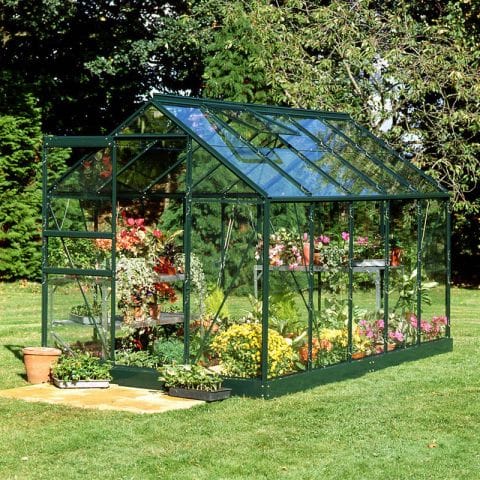
70 sq ft / 6 m² greenhouses offer a compact growing footprint for beds, pots, seedlings and overwintering, with enough room for a serious hobby garden without taking over the plot.
Small Footprint, Proper Growing Space
A 70 sq ft / 6 m² greenhouse sits in that useful middle ground where a gardener can do more than a few trays on a shelf, yet does not need to sacrifice half the garden for glass. It is a size that often suits narrow plots, side returns, patios with a solid base, and allotments where every square metre has to earn its keep. The exact shape changes how that space feels: a lean-to greenhouse can use a wall and stay neat along one side, while a freestanding greenhouse gives more planting freedom and better access all round.
This category is especially attractive if you want a structure that can hold a mix of seed sowing benches, tomato cords, winter pots, and a row or two of crops in staging. In this size, the internal layout matters a lot. A greenhouse that is slightly wider, even by a few inches, may feel noticeably easier to move around in. That can make the difference between a space that is just usable and one that actually feels pleasant, not cramped.
Which Shape Fits Your Plot?
The shape is more than a visual detail. It changes light, headroom, internal circulation and what you can realistically grow. In a 6 m² greenhouse, the main forms each have a different character:
Bestseller der Kategorie Greenhouses 70 sq ft / 6 m²
- Lean-to – fixed to a wall, often ideal where space is tight or where you want some shelter from wind. It can work well beside a house, garage or boundary wall.
- Apex – the familiar peaked roof, offering a balanced interior and decent headroom down the centre. This is a common choice when you want a classic all-round layout.
- Greenhouse with a pent roof – a single-sloping roofline that can look tidy and may suit lower garden walls or a modern setting.
- Victorian or ornate style – more about appearance, but often chosen when the greenhouse also needs to sit as a feature in the garden rather than disappear into it.
- Tunnel-style structure – less rigid in look, usually chosen for cropping focus rather than decorative presence; the internal space can feel generous for its footprint.
The best choice depends on whether your priority is growing volume, access, or how the structure will sit in the garden. A lean-to can save room and feel sheltered, though it may offer less flexibility for central staging. A freestanding apex design tends to give a more even working space, which is helpful if you want to move pots about and rotate crops. A pent roof can be useful where the greenhouse has to fit a boundary neatly, and it often has a simpler visual line. There is no single right answer, only the one that suits how you garden.
Glazing That Changes the Feel of the Whole Space
Within this category, the glazing makes a bigger difference than many buyers expect. Horticultural glass gives a clear, traditional finish and a bright interior, which is useful if you want maximum light on a compact growing area. Toughened glass adds a different level of reassurance, especially where durability matters or where the greenhouse may be exposed to knocks. It is often chosen when the structure is going to be used heavily, with trays, canes and moving pots. The visual result is similar, but the practical feel is not quite the same.
Polycarbonate panels bring another set of differences. They tend to diffuse light, which can be helpful for young plants that do not like sharp glare. They also usually feel more forgiving in use, particularly for gardeners who want a structure with a less fragile feel. The trade-off is that the interior look is not as crisp as glass, and the greenhouse may feel a bit different in terms of brightness and shadow. For some people that matters, for others not at all. In a 70 sq ft greenhouse, the glazing choice can affect whether the interior feels open and airy or more softly enclosed.
If you are comparing types, ask how each one handles the balance between light transmission, privacy, and practical resilience. For example, a site that faces a busy path may benefit from slightly diffused glazing, while a shaded plot may need the clearest possible panel. Small structure, yes, but these details really do change how the greenhouse works day to day.
Why 70 sq ft Often Hits a Sweet Spot
A greenhouse of around 70 square feet is big enough for proper cropping, but still compact enough to fit into many domestic gardens without dominating them. That means it can support a more varied planting plan than a mini greenhouse, yet remain manageable in layout and proportion. For gardeners who want to raise seedlings, harden off young plants, grow a few warm-season crops and still have room for overwintering, this size is often the point where the greenhouse stops feeling like a novelty and starts feeling like a working part of the garden.
There is also a practical difference in how the space can be divided. With a structure of this size, you can often create distinct areas for growing, standing room, and storage of trays without everything overlapping. A smaller unit may force you to stack and shuffle constantly. A 6 m² greenhouse gives you a little more breathing space, which sounds minor, but when you are carrying compost, watering cans or tall plants, it is actually quite useful.
Layouts That Make the Space Work Harder
The inside layout is where a 70 sq ft greenhouse becomes especially interesting. Because the footprint is limited, every choice affects how usable it feels. A single central path with staging on both sides is common, though it only works well if the greenhouse has enough width for genuine movement, not just squeezing past. In some cases, one long side bench and one lower growing zone can feel better than trying to line both sides with staging.
Useful internal arrangements include:
- Fixed side staging for trays, plugs and small pots.
- Low shelf runs for herbs, pricked-out seedlings and compact crops.
- Floor space for taller plants such as tomatoes, cucumbers or sweet peppers.
- Hanging space under the ridge for baskets, labels or training lines, where the structure allows it.
- End-wall use for taller shelving or narrow storage without blocking light.
The best layout often depends on what you grow most. If you are seed-heavy, you may want more bench room and clear light. If you are aiming at productive summer crops, the central area needs to stay open for vines and taller stems. A lot of buyers underestimate how much headroom matters until they try to move round a crop that has already taken off. In a compact greenhouse, a few inches of extra roof height can be felt immediately.
Different Types for Different Growing Plans
Not every 70 sq ft greenhouse is trying to do the same job. Some are tuned for propagation and early sowing, others for mixed ornamentals and vegetables, and some are more about extending the season without taking over the whole plot. A traditional glass greenhouse usually appeals to growers who want a bright, classic environment and clear sightlines. A polycarbonate greenhouse may suit someone who wants softer light and a sturdier feel. A wall greenhouse or lean-to is often chosen where there is a fixed building line and the gardener wants to use heat-retaining masonry. A freestanding model is better if the planting plan changes often, because the access is easier from more than one side.
There are also differences in roof style that matter more than the brochure photos suggest. A taller apex roof tends to help with headroom for climbing crops and can prevent the interior from feeling too boxy. A lower pent roof can look neat against a boundary, though it may give less vertical room for hanging baskets or taller supports. Some buyers prefer a greenhouse that feels balanced and open; others want the profile to stay low and modest. Both are valid, honestly, it just depends on the site.
Where the Extra Square Metre Counts
Comparing this size with a smaller greenhouse is useful because the gain is not just about dimensions, it is about options. A 70 sq ft structure can hold more than one crop cycle at once. For example, you might keep seed trays in one section, established plants in another, and a spare shelf for new sowings or potting-up. That layering is harder in a tiny house. It means the greenhouse can support a more continuous rhythm of planting rather than a stop-start rush.
Compared with much larger greenhouses, the 6 m² size has the opposite appeal: it asks for less land, less commitment and usually less visual interruption. If your garden is not huge, this matters. A greenhouse should feel like part of the plot, not a shed that has swallowed it. Buyers often like that a 70 sq ft greenhouse is substantial enough to feel serious, but not so large that the rest of the garden loses shape. There is a nice balance there.
Details Buyers Notice When They Actually Use It
Small features can change the whole buying experience. Door position, for example, influences whether the greenhouse feels easy to enter with a tray in each hand or slightly awkward each time. A wider opening can make a compact structure feel much more generous. Vent placement also changes how the greenhouse feels in use, especially in a small footprint where air movement and light levels become closely linked to layout. Roof vent or side vent options can be useful depending on where the greenhouse sits and how exposed it is.
Threshold height, gutter line, and ridge profile all affect comfort too. A greenhouse that is visually slim outside may still have decent internal volume if the roofline is well designed. Likewise, some models look spacious on paper but feel tighter once staging is fitted. It is worth checking not only the outer size but the usable interior width, because that is what determines whether two people can pass, or whether you can turn a pot without knocking a tray. Little thing, but it matters.
Good Reasons to Choose This Size Over a Bigger One
For many gardens, a 6 m² greenhouse is the point where the purchase feels practical rather than excessive. It can support meaningful growing without requiring a major site change. If you are working with an allotment, a narrow side passage, or a modest back garden, this size can deliver real usefulness without crowding paths, lawns or seating areas. That matters because a greenhouse is not only about what happens inside it; it also affects how the rest of the garden functions.
Another plus is that a compact greenhouse can feel more focused. You are less tempted to scatter tools, trays and spare pots everywhere because the space has clearer limits. Some gardeners find that helpful. It encourages a more deliberate setup and can make the greenhouse easier to read at a glance. The structure feels purposeful, not oversized. For people who like growing but do not want the plot to be overrun by glass, that is a proper advantage.
What to Compare Before You Decide
When looking at 70 sq ft greenhouse options, compare the following points closely:
- Overall shape — apex, pent, lean-to or more decorative form.
- Usable width — not just external size, but room between staging and walls.
- Roof height — especially if you want tall crops or hanging space.
- Glazing type — glass for clarity, polycarbonate for diffused light and a different feel.
- Door style and opening width — very important for trays, compost bags and easy access.
- Internal planning — whether the layout supports both propagation and mature crops.
- Site fit — how the structure sits against paths, fences or walls.
These checks may sound obvious, but they are what separate a greenhouse that looks good in a listing from one that genuinely suits your growing habits. A buyer can be drawn in by the image and still miss the things that shape everyday use. In this category, the details are the whole point.
A Size That Leaves Room for the Rest of the Garden
A 70 sq ft / 6 m² greenhouse gives you enough space to grow properly without making the garden feel crowded out. That balance is what makes it appealing. It suits gardeners who want structure, variety and a bit of flexibility, whether they lean towards vegetables, flowers, propagation or a mixed plan. The best choice will depend on the form, glazing, internal arrangement and how the greenhouse meets the space around it.
Choose carefully, and this size can become the part of the garden where seasons start earlier, plants get a better start, and the whole growing year feels more organised. Not because it is large, but because it is the right scale for doing useful work.
[Sassy_Social_Share]