
Greenhouses 5x4 - Best Deals in UK!
Showing all 5 results
-
13% OFF: 4’2 x 4’9 Coppice Hatfield Lean To Painted Wooden Greenhouse (1.27m x 1.45m) £2,619.0013%

-
12% OFF: 4′ x 4′ Halls Cotswold Birdlip Small Greenhouse in Black with Toughened Glass (1.47m x 1.32m) £1,239.0012%

-
12% OFF: 4’4 x 4’9 Coppice Ashdown Apex Wooden Greenhouse (1.32m x 1.45m) £2,469.0012%

-
12% OFF: 4’4 x 4’9 Coppice Ashdown Apex Painted Wooden Greenhouse (1.32m x 1.45m) £2,909.0012%

-
11% OFF: 4′ x 4′ Halls Cotswold Birdlip Small Greenhouse with Toughened Glass (1.47m x 1.32m) £1,009.0011%

5×4 greenhouses offer a practical balance of growing space, tidy footprint and year-round protection for vegetables, herbs and tender plants, with shapes and glazing to suit different gardens.
Why a 5×4 greenhouse feels “just right”
A 5×4 greenhouse sits in that useful middle ground where a garden does not need to feel crowded, yet the growing space still gives you room to do something proper with it. The footprint is compact enough for smaller plots, side returns and narrower spaces, but it is also large enough to make sensible use of benches, staging and floor space. That combination is exactly why this size is so often chosen by people who want a greenhouse that works hard without taking over the garden.
Compared with very small structures, a 5×4 greenhouse gives you more flexibility with crop grouping and spacing. Compared with larger sheds of glass, it is usually easier to site, easier to place near a fence or wall, and less visually dominant. For buyers who want a greenhouse that feels purposeful rather than oversized, this format makes a lot of sense.
The shape makes a bigger difference than many people expect
Within the 5×4 greenhouse category, shape matters nearly as much as size. A traditional lean-to greenhouse attaches to a wall or garage and can be a smart option where garden space is tight. It often suits paved courtyards or narrower plots, and it can help create a sheltered growing corner. The main difference is that one side is fixed against a structure, so access and light need to be thought through carefully.
Bestseller der Kategorie Greenhouses 5x4
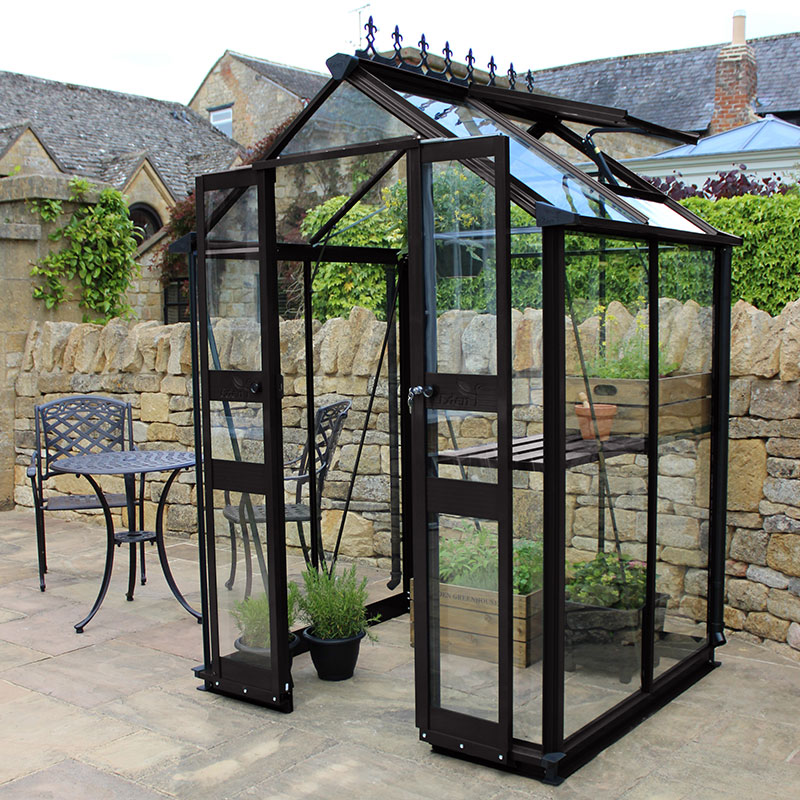
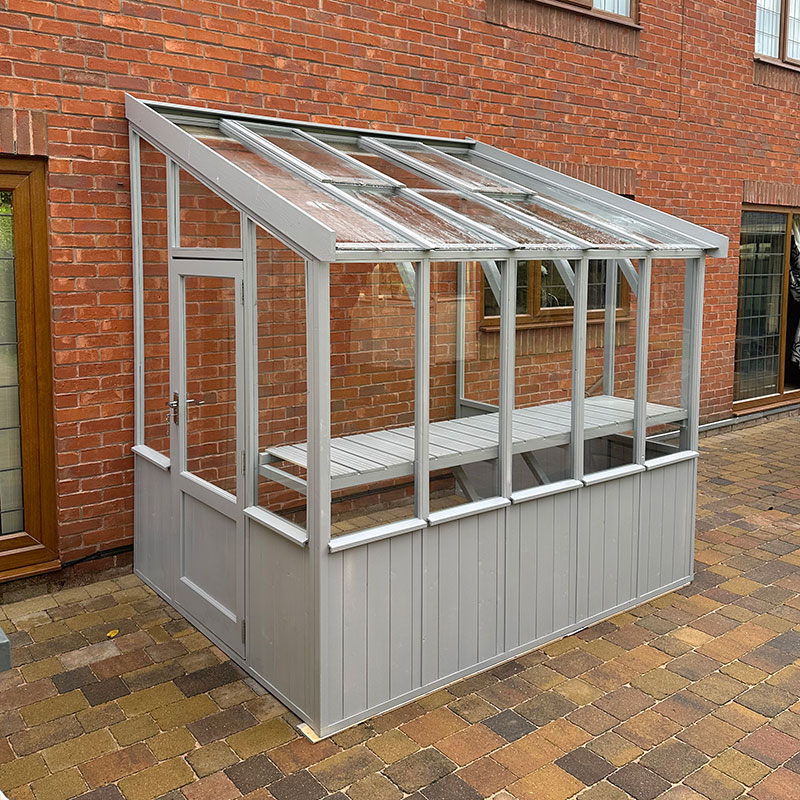
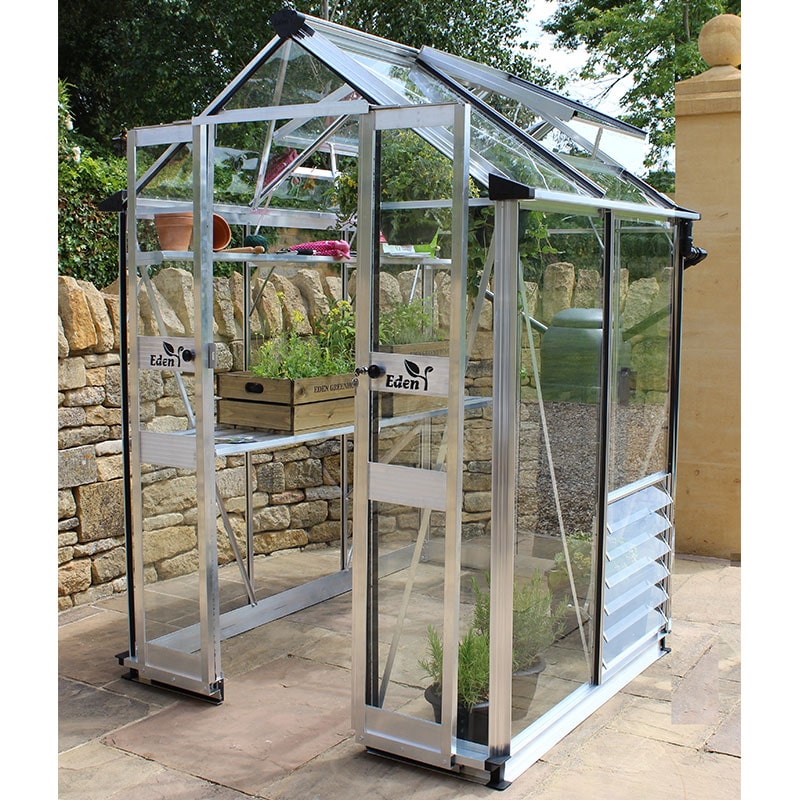
A freestanding greenhouse gives more freedom in positioning. With a 5×4 footprint, it can be placed to catch light from several directions, and you are not tied to a wall. That can make planning easier if your garden changes through the seasons, or if you want to orient the door and vents in a particular way.
There are also differences in roof form. A pitch roof greenhouse gives a classic profile and often feels roomy overhead. A high ridge can improve head space and help taller crops feel less cramped. Some designs have a more compact apex, which can suit lower boundaries or spaces where height is limited. The look changes, yes, but so does the internal feel — and that affects how the greenhouse is actually used day to day.
Glazing choices that change the way the space works
One of the main decisions in a 5×4 greenhouse is the glazing. Horticultural glass is the classic option, giving a clear, traditional appearance and excellent light transmission. It is often chosen by gardeners who like the familiar look of paneled glass and want strong visibility of the plants inside. The neat grid effect also suits older gardens and more traditional settings.
Toughened glass brings a different sort of reassurance. It is designed to be more resistant to impact than standard horticultural glass, which can matter if the greenhouse sits in a busy part of the garden, near play areas or where branches occasionally brush against the structure. It tends to be chosen by buyers looking for that extra bit of confidence, though the visual style remains close to a classic greenhouse.
Polycarbonate glazing is another route entirely. It is often selected for its lighter weight and more diffuse light. That softer light can be useful for growers who want to reduce harsh glare, especially on exposed sites. It also changes the feel of the greenhouse: less crisp reflections, more muted interior light, and often a slightly more modern presence. For some buyers, that is a good trade-off; for others, the clear glass look is still the favourite.
The main difference is not just appearance. It is also about how the greenhouse behaves with light, weight and handling. A 5×4 size makes this decision even more important because every panel is part of a relatively compact working area, so the glazing you choose really shapes the experience inside.
Frames and finishes that suit different gardens
The frame of a 5×4 greenhouse affects both style and practical use. Aluminium frames are widely chosen because they have a neat, contemporary look and suit many garden styles without feeling heavy. They can sit comfortably in modern plots, but they do not look out of place in more traditional settings either. Their slim profile is often appreciated where light and visibility are important.
Some gardeners prefer the warmer visual character of wooden greenhouses. In a 5×4 format, timber can soften the overall appearance and help the greenhouse blend into planting, borders and older brickwork. It can feel more ornamental, more like part of the garden room than a separate object. That said, timber and aluminium do not give quite the same visual message, so buyers often choose based on the wider garden character.
There are also painted and natural finishes that alter the mood of the structure. A darker frame can make glazing seem more discreet, while a lighter frame can feel fresh and open. These differences may sound small, but in a 5×4 greenhouse, where the structure is seen as a feature rather than a giant building, finish plays a real part in the final choice.
What the 5×4 footprint can actually hold
Space is where this category earns its keep. A 5×4 greenhouse is usually big enough for a sensible arrangement of benching, staging and standing room, without becoming awkward to reach across. You can separate young plants from larger crops, keep a side clear for trays or pots, and still have enough room for movement. That matters more than people sometimes admit at the start.
For growers who like a tidy system, this size allows distinct zones: one for propagation, one for fruiting plants, and one for taller or trailing specimens. That split can make the greenhouse feel organised rather than crowded. It also helps when you want to compare varieties side by side, or keep different sowing batches in their own place.
A 5×4 layout can also support a mix of raised staging and floor-grown crops. Tomatoes, peppers and cucumbers often benefit from vertical space, while trays of seedlings and herbs sit neatly on shelves or benches. The size is enough to do both, which is part of its appeal. It is not just “a greenhouse”, it is a workable growing area that can be adapted to what you actually want to grow.
Subtypes buyers often compare before choosing
People looking for 5×4 greenhouses often compare a few distinct subtypes before they buy:
- Traditional apex greenhouses with a familiar pitched roof and classic paneled look.
- Lean-to 5×4 greenhouses for wall-side positioning and space-saving placement.
- Freestanding 5×4 greenhouses for more flexible siting and access from all sides.
- Glass greenhouses for clear visibility, clean lines and a traditional growing environment.
- Polycarbonate greenhouses for softer light and a lighter feel in exposed gardens.
- Timber-framed greenhouses where a warmer, garden-room style is preferred.
These are not just style labels. They influence how the greenhouse sits in the garden, how light enters the space, and how the internal layout can be used. A buyer who wants display value may lean towards a traditional glass apex design. Someone with a narrower plot may find a lean-to format much more practical. The right choice depends on the garden as much as the planting plan.
Small footprint, proper growing potential
One of the nicest things about a 5×4 greenhouse is that it can feel compact without feeling limited. There is enough room to create a useful growing rhythm through the year: early sowings, protected young plants, ripening crops and overwintering tender pots. That makes it a strong option for gardeners who want a dedicated growing space but do not have the ground area for something larger.
Because the footprint is manageable, it can also be easier to integrate into a garden layout. It may sit neatly near a boundary, beside a shed, or at the end of a path without dominating the view. For many buyers, that matters. They want the greenhouse to look like a considered part of the garden rather than an afterthought.
There is a practical advantage too: a smaller structure often feels more direct to use. You can reach most of the space without wasting movement, and that can make daily gardening feel less like a chore and more like a smooth routine. In a greenhouse this size, every shelf and corner can be used with intention, which is one reason people keep coming back to it.
Choosing the right layout for the way you grow
The internal layout of a 5×4 greenhouse should match the way you garden, not the other way around. If you enjoy seed sowing and propagation, you may want a generous bench area with room for trays, labels and small pots. If your focus is on fruiting crops, a more open floor layout with vertical supports may suit better. If you like a mixed approach, then the best setup is usually a balance of benching and open space.
Think about access too. A greenhouse can look generous on paper, but if the door opening and internal paths are awkward, it can become annoying quite quickly. In a 5×4 space, the position of the door, vents and shelving can make a noticeable difference to how comfortable it feels. A layout that lets you move without squeezing past every tray is worth prioritising.
Some gardeners prefer a split arrangement with one side for young plants and one side for mature crops. Others want a central working run with storage along the edges. Both can work well, but they create a different feel. The point is to match the greenhouse to the sort of growing you actually do, not only the sort of growing you imagine doing on a perfect spring afternoon, because real life is a bit messier than that.
Handy buying points that make comparison easier
When comparing 5×4 greenhouses, it helps to look at a few practical details rather than only the picture.
- Overall height – important for headroom, climbing plants and the sense of openness inside.
- Door style and opening width – matters when moving trays, bags of compost or larger pots.
- Glazing type – affects light, appearance and how exposed the greenhouse feels.
- Frame material – changes the look and the overall character of the structure.
- Orientation options – useful if your garden gets light from one side more than another.
- Internal space planning – benching, shelves and floor area all need a bit of thought.
These details make a real difference because a greenhouse is not only a product to look at; it is a space you will use repeatedly. A small difference in door size or roof height can be the thing that makes daily use feel easy rather than fiddly.
Why this size appeals to both first-time and experienced growers
A 5×4 greenhouse suits a wide range of gardeners because it is neither too modest nor too demanding. First-time buyers often like it because it feels manageable and straightforward to place. More experienced growers often like it because it can support a more structured setup without taking over the plot. That overlap is one of the reasons this category remains popular.
For buyers with limited garden width, the proportions can be a good fit. For those who already have borders, raised beds or a patio that needs careful planning, it can offer a useful growing zone without disturbing the rest of the garden layout. It is a size that tends to make sense in more than one way, which is not something every greenhouse can say.
A few final pointers before choosing
Before deciding on a 5×4 greenhouse, it helps to picture how it will be used across the seasons, not only on the day it is first fitted out. Will it be mainly for seedlings and early crops, or a mixed space for pots, herbs and taller plants? Do you want the classic clarity of glass, or the softer light of polycarbonate? Would a lean-to suit the garden better than a freestanding frame?
If you already know the answer to those questions, the choice becomes much clearer. If not, that is fine too. The value of this size is that it gives you room to decide without making the garden feel overwhelmed. A good 5×4 greenhouse should feel like a natural extension of your growing space: compact, useful, and ready to earn its place.
[Sassy_Social_Share]