
Greenhouses 50 sq ft / 5 m² - Best Deals in UK!
Showing all 5 results
-
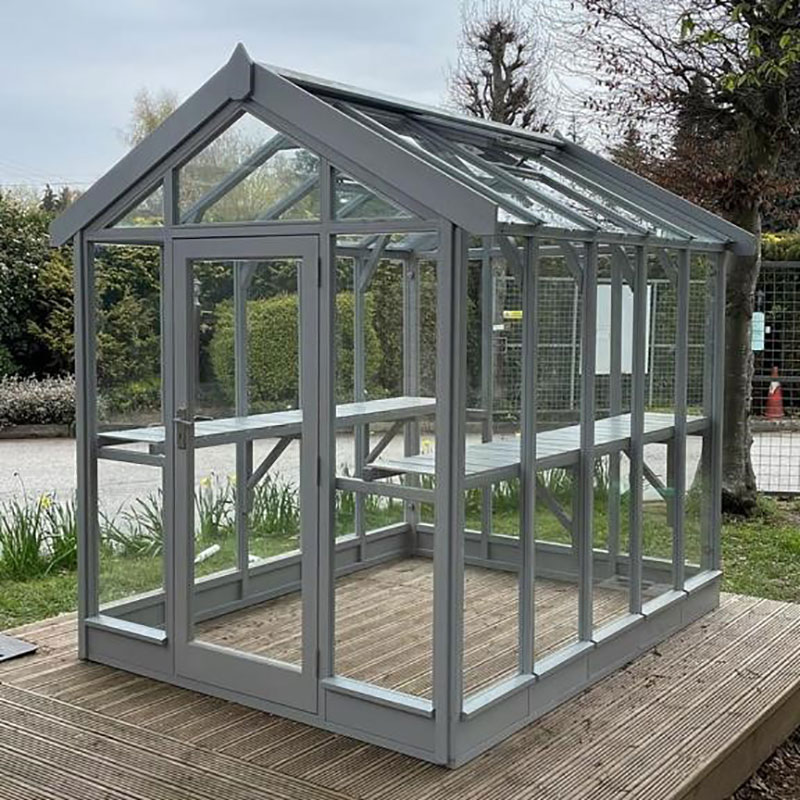
12% OFF: 6’3 x 9’4 Coppice Ashdown Apex Painted Wooden Greenhouse (1.91m x 2.85m) £3,519.0012%

-
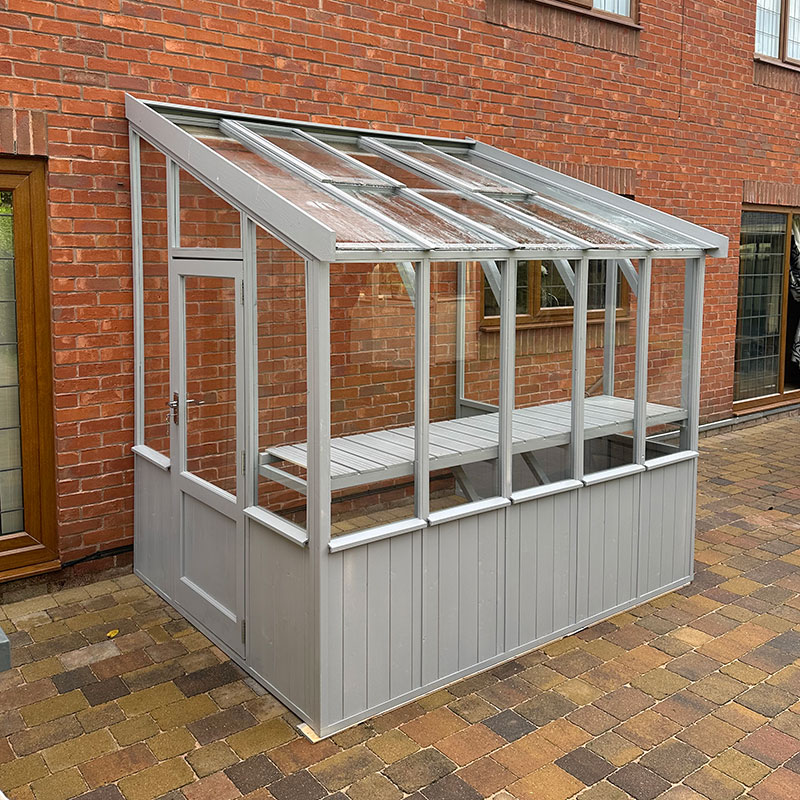
12% OFF: 6’1 x 9’4 Coppice Hatfield Lean To Painted Wooden Greenhouse (1.86m x 2.85m) £3,539.0012%

-
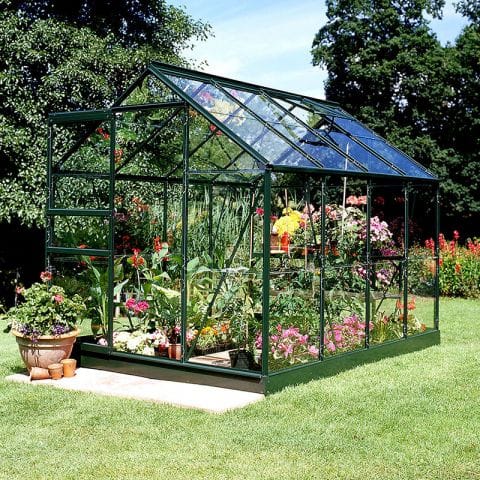
12% OFF: 6’4 x 8’6 Halls Popular 68 Small Greenhouse (1.93 x 2.57m) £525.9912%

-
12% OFF: 6’4 x 8’6 Green Frame Halls Popular 68 Small Greenhouse (1.93 x 2.57m) £572.9912%

-
11% OFF: 6’3 x 9’4 Coppice Ashdown Apex Wooden Greenhouse (1.91m x 2.85m) £3,109.0011%

50 sq ft / 5 m² greenhouses offer a compact growing space for seedlings, herbs and compact crops, with choices in shape, glazing and frame material to suit small gardens, patios and allotments.
Why this size works so neatly
A 50 sq ft greenhouse sits in that useful middle ground where it feels properly usable, but does not swallow the whole plot. At around 5 m², it gives enough room for a narrow path, staging on one side, and still space for trays, pots and taller crops. For many buyers, this size is the point where a greenhouse stops being a novelty and starts acting like a real growing room.
This footprint suits gardeners who want more than a cold frame, but do not have the land for a larger structure. It is often chosen for back gardens, compact plots, and side returns where width matters as much as length. The scale also makes it easier to place near a shed, fence or wall, which can help with layout choices and access. You are not trying to create a huge growing hall; you are looking for a tidy, workable space that feels practical from the first day.
Shapes that change how the space feels
Even within the same floor area, greenhouse shape makes a noticeable difference. A lean-to greenhouse uses an existing wall and can suit very tight spaces, especially where one side is already sheltered. It often feels efficient because one long side is fixed to the house, garage or boundary wall, so the structure can sit neatly without a lot of spare room around it.
Bestseller der Kategorie Greenhouses 50 sq ft / 5 m²
A freestanding greenhouse gives more flexibility in placement. It usually offers better access from all sides and can be positioned where the sun works best. For a 5 m² footprint, this can make the interior feel more balanced, especially if you want to divide the space into a growing side and a working side.
Then there is the aluminium greenhouse style with clean lines and light frames, often paired with glass or polycarbonate panels. These are common in this size because the frame can look slim, which helps the structure feel less heavy in a small garden. More traditional-looking alpine or Victorian-inspired forms also appear in this category, usually with steeper roof pitches and decorative ridges that make the greenhouse feel a bit more architectural, without changing the usable area much.
Glass or polycarbonate: a real buying decision
The glazing material is one of the clearest differences in this category. Horticultural glass gives a classic look, sharp light transmission and a very familiar greenhouse feel. It tends to appeal to buyers who want the structure to look crisp and traditional. In a small greenhouse, that bright, clear appearance can make the interior feel larger than it is.
Polycarbonate panels are often chosen for their more forgiving nature and their lighter weight. In a 50 sq ft greenhouse, they can be useful if you want a structure that feels slightly less fragile in day-to-day use. They also have a softer, more diffused light effect, which some buyers like for young plants and mixed growing setups. The visual difference is obvious too: glass feels more formal, while polycarbonate can look a touch more utilitarian, but very practical.
There are also differences between single glazing and multiwall polycarbonate. Single-skin glazing keeps the profile slimmer and more open in appearance. Multiwall panels are thicker and create more of a buffered wall look, which can suit buyers who prefer a more enclosed feeling. In a small footprint, that choice changes the whole mood of the greenhouse, so it is worth considering carefully rather than just picking what looks similar in a photo.
Frame materials and the feel of the build
The frame matters more than people sometimes expect. Aluminium frames are common because they keep the structure visually light and are easy to pair with modern glazing. They suit buyers who want clean edges, slim sightlines and a greenhouse that does not dominate the garden. In a 5 m² design, aluminium often helps preserve usable width, which is handy when every centimetre counts.
Steel-framed greenhouses feel more substantial and can suit a heavier, more enclosed design. They are not always the first choice for the smallest plots, but in this category they can appeal to buyers who want a firmer-looking structure. The effect is less delicate, more grounded. For some people that is exactly the point.
Timber greenhouses give a warmer, softer appearance and can fit well in gardens with natural planting or traditional landscaping. They can make the greenhouse look less like an add-on and more like part of the garden scene. The trade-off is visual bulk: timber frames can seem chunkier, so the interior may feel a little smaller, even when the floor area is the same.
How 5 m² divides up in real life
A greenhouse of this size is often chosen because it can do several jobs at once, as long as the layout is sensible. A narrow central aisle, staging along one side, and ground space along the other can create a surprisingly workable arrangement. Some gardeners use the floor for larger pots, while the shelving holds trays, herbs and young plants. Others prefer more open floor area for crops that need a bit of breathing room.
The main point is that 50 sq ft is enough for distinct zones, but not so large that you lose oversight. You can see everything at a glance, which makes the greenhouse feel responsive. That matters if you like to keep different crop groups separate, for example tender plants on one side and seed sowing on the other. It also means awkward corners are less of a problem, because the whole structure is still compact enough to use properly.
Buyers often compare this size with smaller greenhouses around 4 m² and larger ones near 6 or 7 m². The difference may sound modest on paper, but inside the structure it can change how easily you move, how many staging levels fit, and whether you can keep a clear route through the space. One extra metre can be the gap between cramped and comfortable, honestly.
Best fit for different growing styles
This category works well for gardeners who want a starter greenhouse that is not too small to outgrow quickly. It also suits experienced growers who already know what shape they like and want a compact second structure for propagation, overwintering or specialist crops. In a smaller garden, that separation can be very useful. You might keep one greenhouse for seedlings and early crops, while another area of the garden handles storage or outdoor beds.
If you are mainly growing seedlings, herbs, salad crops and compact fruiting plants, a 5 m² greenhouse can feel nicely tuned to the task. It gives enough room for tables and trays, and still leaves a bit of circulation. If your interest leans toward taller crops or larger containers, the choice of roof shape and side height becomes more important. A ridge that is a little higher can make an obvious difference to how comfortable the greenhouse feels when you are inside it.
Some buyers also like this size because it can fit into gardens where planning and sightlines matter. A greenhouse that is too large can dominate a patio or lawn edge. A 50 sq ft structure tends to read as purposeful rather than overpowering, which is often part of the appeal.
Low ridge, apex roof or curved profile?
The roof form is not just a style decision. A greenhouse with an apex roof usually gives a more traditional look and can create extra headroom in the centre. That can matter if you want to stand upright while potting or if you prefer taller crops near the middle. The pitched shape also gives the greenhouse a familiar, balanced profile.
A low-profile or pent roof greenhouse often suits lean-to designs or modern gardens where a discreet line is preferred. It can tuck under fences, eaves or boundaries more easily, though the internal height may feel tighter. For some buyers, that is a fair trade if the plot is awkward and the greenhouse needs to sit neatly without blocking views.
Curved or hoop-style structures can appear in this size too, especially in more utilitarian growing setups. They often feel simple and efficient, with a softer external line. The interior can be practical, though the usable vertical edges may be less generous than in a straight-sided build. That difference is worth noting if you expect to use shelving right to the edges.
Practical features buyers usually compare
In this category, the useful features are often the small ones that change daily use. A sliding or hinged door affects access, especially if you carry trays or watering cans through the opening. A wider door can make the greenhouse feel much easier to live with, even if the floor area is unchanged.
Roof vents and side vents are another point of comparison, not because they are fancy, but because they shape the sense of space. More ventilation options can make a compact greenhouse feel less boxed in. Similarly, built-in eaves height and side wall height matter if you want to use shelving without feeling like you are crouching every few minutes.
Buyers also look at whether the greenhouse has integrated staging, base options or a structure that is easy to anchor cleanly to a level surface. These details help the greenhouse feel organised from the start. In a 5 m² layout, mess is more obvious than in a bigger structure, so the hardware and layout choices really do shape the final result.
What makes this category worth considering
A greenhouse of around 5 m² often hits a sweet spot between ambition and restraint. It gives enough space to do proper growing, but remains realistic for gardens where every part has a job. That balance can be appealing if you want something that earns its place rather than taking over the whole plot.
There is also a visual argument for this size. A greenhouse this scale can look neat, even elegant, depending on the frame and glazing. It does not need a huge footprint to feel intentional. For buyers comparing options, that can make the decision easier: if you want the benefits of a greenhouse without the feel of a shed-sized structure, this category makes a lot of sense.
And there is the simple fact that a well-sized compact greenhouse is easier to plan around. You can imagine where it will sit, how the path will run, and whether the door will open into sensible space. That kind of clarity helps people buy with more confidence. Not every garden has room for a grand structure, but a 50 sq ft greenhouse often fits in where you least expect it.
Tips for choosing the right one, without overcomplicating it
Start with the shape of the plot, not just the product photo. If your available space is long and narrow, a lean-to or pent-style greenhouse may be the best use of it. If you have a free-standing patch with open light, a conventional apex structure may feel better balanced. The floor area might be the same, but the way it sits in the garden will not be.
Think about whether your priority is visual lightness, durability, or a more enclosed growing feel. Aluminium and glass usually create the lightest visual impression. Polycarbonate can feel a bit more closed-in but practical. Timber brings warmth, yet may take up more visual space. None of these is automatically the right answer; it depends on the garden and the way you use it.
Also look at how much of the footprint is genuinely usable. A greenhouse can be 50 sq ft on paper but still feel cramped if the door position, frame width or staging layout steals too much of the interior. Small differences add up. One slightly better door, a bit more headroom, or a cleaner wall line can be the thing that makes the greenhouse feel properly usable rather than just possible.
A compact greenhouse with room to mean business
That is the appeal of this category: 50 sq ft / 5 m² greenhouses give you enough growing room to work in a structured way, while still being suitable for modest outdoor spaces. Whether you lean towards a classic glass apex design, a neat lean-to, a robust polycarbonate build or a softer timber frame, the size remains practical and easy to place.
For shoppers comparing options, the real differences are in shape, glazing, frame material and height. Those choices decide how the greenhouse looks, how it feels inside, and what kind of growing rhythm it supports. If you want a greenhouse that can handle seedlings, potted crops and organised staging without taking over the garden, this size is worth a close look. It is compact, yes, but not small in what it can do.
- Approx. 5 m² / 50 sq ft of usable growing space
- Available in lean-to and freestanding forms
- Choice of glass or polycarbonate glazing
- Aluminium, steel or timber frame options
- Suitable for seed sowing, salad crops, herbs and compact plants
- Useful where garden space is limited, but proper growing space is still wanted
- Different roof forms can change headroom and the overall look
Choosing a greenhouse in this size is often less about finding room for it, and more about deciding which version of practical you want. And that is a good place to be.
[Sassy_Social_Share]