
Greenhouses 21x9 - Best Deals in UK!
Showing all 2 results
-
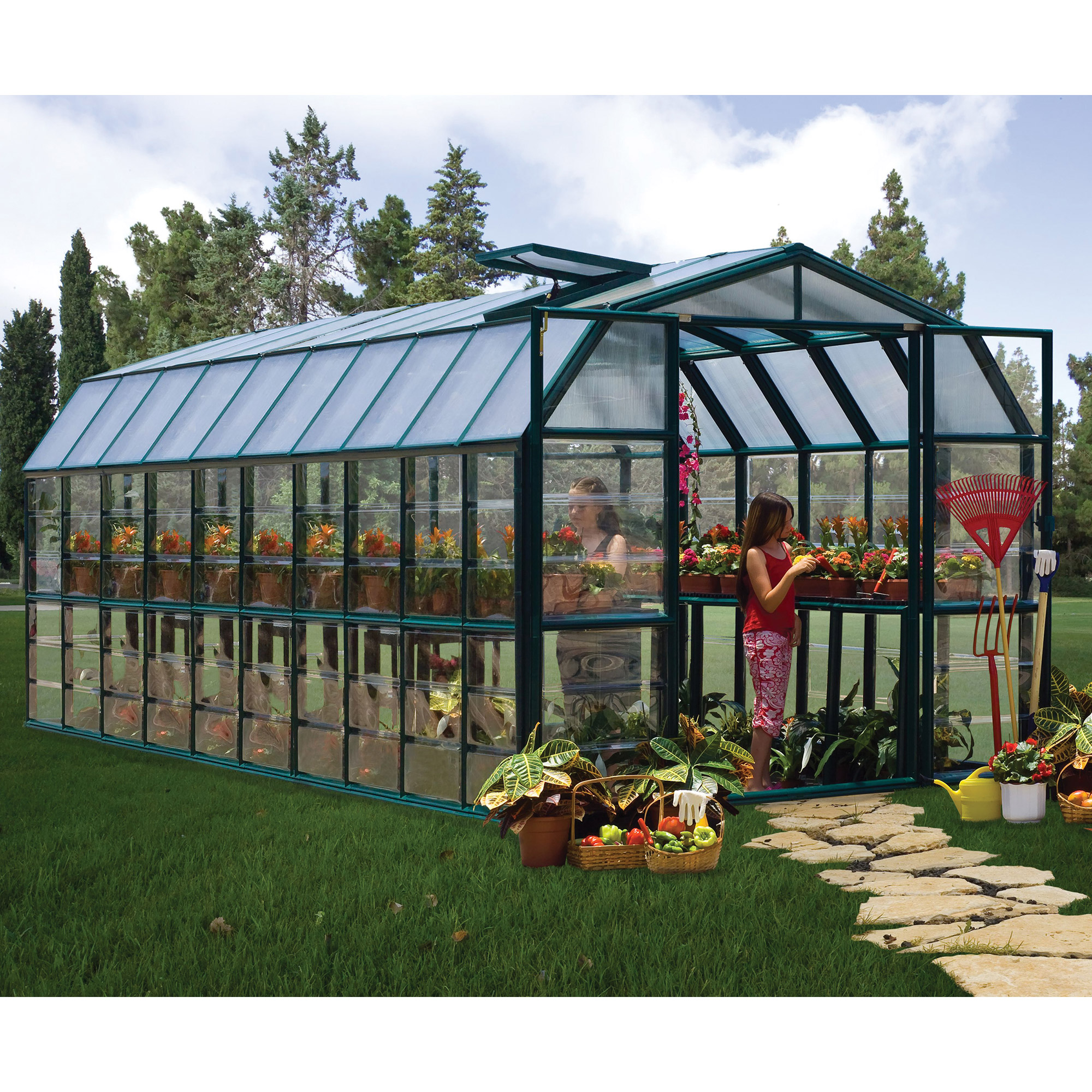
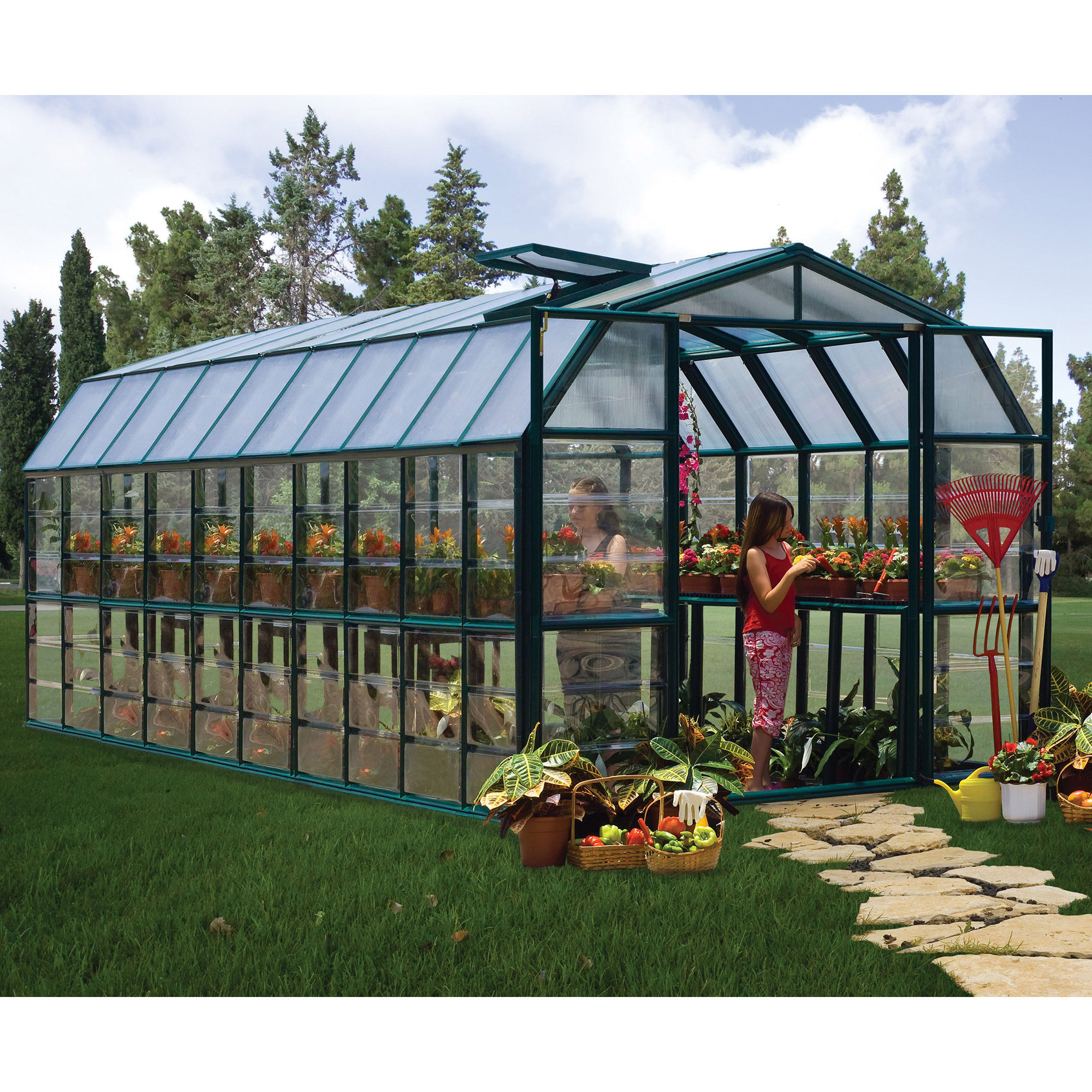
10% OFF: 8â x 20â Palram Canopia Rion Grand Gardener Large Polycarbonate Greenhouse (2.67m x 6.39m) £2,736.9910%

-
8â x 20â Palram Canopia Rion Grand Gardener Large Polycarbonate Greenhouse (2.67m x 6.39m) £2,999.00
21×9 greenhouses offer a spacious, narrow footprint for serious growing, with room for beds, staging and path layout. Explore shapes, glazing choices, frame types and practical buying points for your garden.
Why a 21×9 footprint changes the whole growing setup
A 21×9 greenhouse gives you a long working run without taking over the whole plot. The shape suits gardens where width is limited but length can be used well, and that makes it a strong option for people who want a proper growing space rather than a tucked-away corner structure. At roughly 21 feet by 9 feet, the layout naturally supports clear zoning: one side for crops, one for propagation, one for staging, or a central walkway with planting on both sides if the internal width allows. It feels organised, not cramped.
That proportion also matters for what you can actually do inside. A narrow, elongated greenhouse is often easier to fit along a boundary, beside a wall, or in a side return where a wider building would be awkward. The 21×9 format tends to appeal to buyers who want usable length more than a square floor plan. It is the sort of size that can hold a noticeable amount of kit and plants, but still leaves the garden looking balanced rather than swallowed up.
The shapes that sit inside the 21×9 size
When people say Greenhouses 21×9, they are usually talking about the floor size, but the form on top can vary quite a bit. The shape influences headroom, light, and how the structure sits in the garden. A classic apex greenhouse is the familiar pitched-roof style, with a ridge running along the length. This shape gives a traditional look and a practical interior, especially if you want the centre line to feel open and airy.
Bestseller der Kategorie Greenhouses 21x9
A lean-to greenhouse in this size is different again. It uses an existing wall or building as one side, which can suit a narrow garden or a site where a freestanding structure would be too exposed. In a 21×9 format, the lean-to style can make clever use of a long run, but it does depend on the wall position and the available height. It has a more built-in feel, and the relationship between structure and house or wall becomes part of the appeal.
Then there are curved or bow-shaped roofs, which alter the visual profile and can make the greenhouse feel less boxy. They are not just about looks; the roof line changes how the interior volume is distributed. Some buyers prefer this because it softens the long side elevation, especially in a garden where straight lines already dominate. With a 21×9 footprint, the roof shape matters more than many people first expect, because a long greenhouse can otherwise feel a bit tunnel-like.
Frame materials that make a practical difference
The frame is one of the main differences between greenhouses in this size. A aluminium frame is a common choice because it keeps the structure relatively light, visually neat and straightforward to place in a garden. It also tends to suit buyers who want a clean, modern look. In a long greenhouse, frame consistency matters, because the side runs and roof sections need to feel solid across the whole length.
Steel-framed greenhouses bring a different character. They can feel more robust and more substantial, which may appeal if the structure is going into an exposed garden or you want a stronger visual presence. The trade-off is that the look can be heavier, so in a narrow 21×9 plot the greenhouse may read as more architectural. That is not a bad thing, just a different effect.
Timber greenhouses have a warmer, more traditional presence. They often blend well with planting and softer garden design, especially where the greenhouse is part of a wider ornamental scheme rather than a purely utilitarian growing area. Timber can give the long shape a less industrial feel. For some buyers, that matters as much as the growing space itself. For others, the easier visual neatness of aluminium is the point. It really comes down to whether you want the greenhouse to recede into the background or act as a feature.
Glazing choices: what changes inside the building
Glazing is not just a detail; it alters how the 21×9 greenhouse performs and looks. Horticultural glass is the classic option and gives a very clear view through the structure. That bright, traditional finish is part of the appeal for many buyers, especially if they want the greenhouse to feel authentic rather than opaque. It also keeps the exterior appearance crisp from the garden side.
Polycarbonate panels are another route and create a different visual and practical feel. They are less transparent, so the greenhouse may appear softer from the outside and less showy from a distance. Some buyers prefer that more muted look in a long building, particularly when privacy or a less reflective finish matters. The interior atmosphere also changes, because the light is diffused rather than sharply clear.
The difference between glazing types is often felt most strongly in a 21×9 layout because the length creates repeated light conditions from end to end. If one side gets more shade or the greenhouse faces a different direction, the glazing choice can help even out the experience. Buyers often compare glazing not only on appearance but on how the space will feel when they walk the full length of it. That long view is part of the attraction.
Door positions and access that actually make sense
In a greenhouse this length, access is more important than many people think. A single central door gives a straightforward entry point and can work well if the greenhouse sits neatly at the end of a path. It creates one clear route in and out, which keeps the front elevation tidy. But in a 21×9 structure, the internal flow may benefit from a different approach.
Double doors can make the long interior feel easier to use, especially when carrying trays, compost, pots or bulky staging. They also help the greenhouse feel more open when viewed from the garden. If the structure is being used for larger plants or frequent moving of items, wider access reduces the sense of squeezing through the doorway. That matters when the greenhouse is not just decorative but actively worked every week.
Some layouts also suit a door placed at one end rather than centrally. This can make the length of the greenhouse feel more continuous, and it may work better for side-boundary siting. The best access point depends on how the space is divided inside, where the path leads from, and whether you want the door to act as a visual focal point or stay a little more discreet. In a 21×9 greenhouse, door choice has a bigger impact than in a tiny structure, because you are managing movement along a proper internal run.
How the long layout supports different growing zones
The main advantage of a 21×9 greenhouse is the usable internal zoning. The long profile can be split into practical sections without feeling forced. For example, one end can hold propagation trays and seed-starting areas, the middle can be left for main crops or taller container plants, and the far end can be used for staging or overwintering more delicate specimens. The greenhouse becomes a sequence of zones rather than one undifferentiated room.
That layout is useful because different plants often need different conditions, even within the same structure. In a long greenhouse, you can place taller crops where they won’t block light, keep lower trays in easier-to-reach positions, and create a route that lets you move through the building without constantly shifting items out of the way. The proportions help you work, not just store things.
Compared with a more square greenhouse, the 21×9 format gives better control over the rhythm of the space. It can feel more like a line of activity, which suits buyers who enjoy planning their growing area carefully. It also helps if you want the greenhouse to connect smoothly with the rest of the garden, because the eye follows the length rather than hitting a broad block. That’s one reason people who have room for it often choose this kind of footprint.
Side benches, staging and the art of not wasting inches
Because the width is set at 9 feet, the internal arrangement needs to be thought through, but that is part of what makes the size attractive. A 21×9 greenhouse can take side benches, staging, narrow paths or a mix of both. The point is not to fill every inch, but to use the length well. Buyers often appreciate this format because it supports a more disciplined layout without feeling over-designed.
If you prefer a classic working greenhouse, staging down one side with a walking line through the middle can make daily use easy. If you want a more productive arrangement, both sides can be used for crops with a central access route. In some cases, a partially open floor area at one end is useful for larger pots or temporary holding space. The long shape gives you room to make these decisions without cramming everything into a tiny corner.
The buying advantage here is that the greenhouse can adapt to changing needs. Today it might be for propagation and container growing; later it may become a mixed-use space with seasonal displays, overwintering shelves or more structured crop runs. A 21×9 format is large enough to evolve, but not so large that it becomes difficult to manage visually. That balance is often what makes the purchase feel sensible.
Freestanding or tucked beside a wall: the siting question
A freestanding greenhouse in 21×9 size has presence. It stands as its own garden feature and can be positioned for the best light and access. If the garden allows it, this option often gives the cleanest arrangement, because all sides are visible and the structure can be appreciated as a full object rather than a half-hidden run. It suits gardens where the greenhouse should be part of the design, not just an add-on.
A lean-to arrangement changes the experience. By placing the structure against a wall, you can use the building fabric as part of the greenhouse setup. This can be very useful in narrow outdoor spaces, courtyard gardens or long side plots where a freestanding building would feel intrusive. It can also create a neater junction between house and garden. The difference is not just structural; it affects how the greenhouse is used and how much of the garden remains open.
For some buyers, the choice comes down to whether they want a greenhouse that reads as an independent destination or a supported extension of the garden architecture. In the 21×9 footprint, both can work well, but they create noticeably different impressions. That is worth weighing up before purchase, because the shape alone does not decide how the building will sit in place.
What to compare before you choose one
When looking at Greenhouses 21×9, it helps to compare more than the headline size. First, check the internal height, because two structures with the same footprint can feel very different once you stand inside them. A taller ridge can make the long interior feel less enclosed and better suited to taller crops or shelving.
Next, look at the roof form. A pitched apex may suit traditional gardens and gives a classic profile, while a flatter or curved line can change the appearance and the light distribution. Then think about the frame material and how visible you want the greenhouse to be from the house or path. A greenhouse is a working structure, yes, but it is also part of the view.
Also consider how the entrance aligns with the length. If the door is badly placed for your path, a good greenhouse can still feel awkward. In a 21×9 design, small layout decisions matter because the long run encourages movement. Buyers often regret skipping these checks, because the right size on paper can still be clumsy in use if the siting is off.
Why this size appeals to committed gardeners
The 21×9 greenhouse tends to suit people who have moved beyond occasional growing and want a serious, organised space. It is large enough to justify planning, but not so vast that it becomes a project for its own sake. That middle ground is useful. You can grow a meaningful range of plants, stage them properly, and still keep the structure visually tied to the garden.
It also offers a sense of progression. Many smaller greenhouses quickly fill up, and the lack of length becomes frustrating. With this footprint, there is more room to separate tasks and to think in terms of seasons and sections rather than one crowded shelf after another. For buyers comparing options, that can be a deciding factor. You are not just buying floor area; you are buying the ability to organise.
And there is a straightforward aesthetic advantage too. A long greenhouse has a presence that can make a garden feel more considered. Whether it is a traditional apex style, a practical lean-to, or a more modern profile, the 21×9 format looks intentional. It tells you that the space is meant to be used, not merely filled.
Small details that help the right choice feel obvious
When choosing a greenhouse in this size, look closely at the details that affect day-to-day use: door width, vent positions, frame finish, glazing clarity and the way the roofline meets the side walls. These things may sound minor, but in a long structure they shape the whole experience. If the greenhouse is going to be a genuine part of your garden routine, the details need to suit the way you move, store, and work.
Some buyers prefer a more traditional look with clear glass and a pitched roof; others want a neater, more contemporary feel with a simpler frame and a less reflective finish. Neither approach is wrong. The useful question is which version will sit comfortably in your garden and still feel right when viewed from the house, path or border. With a 21×9 greenhouse, that choice is worth taking seriously because the building has enough scale to matter.
If you want a greenhouse that offers practical length, a workable internal layout and a shape that can be fitted into a wide range of garden plans, this size is worth a close look. It gives you room to grow without turning the space into clutter, and that balance is often what makes the difference when it comes to buying with confidence.
- 21×9 footprint suits long, narrow garden spaces
- Apex, lean-to and curved roof forms each create a different interior feel
- Aluminium, steel and timber frames offer distinct looks and weight profiles
- Glass or polycarbonate glazing changes clarity, light feel and exterior appearance
- Door position and width matter more in a long greenhouse than many buyers expect
- Internal zoning works well for staging, propagation and mixed planting
- Freestanding or lean-to siting can completely change how the structure fits the garden