
Greenhouses 21x8 - Best Deals in UK!
Showing the single result
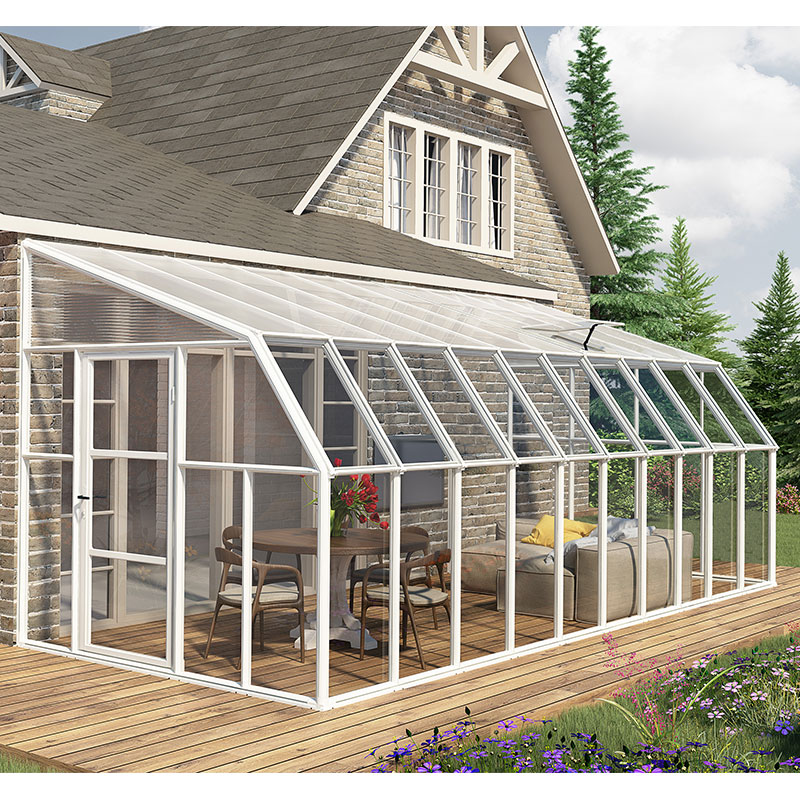
21×8 greenhouses offer a practical balance of growing space, footprint, and layout flexibility for gardeners who want room for crops, staging, and movement without taking over the whole plot.
A footprint that actually works in the real world
A 21×8 greenhouse gives you a long, usable growing area while keeping the width narrow enough for many gardens, side passages, and boundary spaces. That shape matters. In a greenhouse this size, the long run lets you organise crops by light, height, or season, while the 8ft width usually allows a central aisle with growing space on both sides. It feels more deliberate than a tiny lean-to and less demanding than a very large freestanding house. For many buyers, that middle ground is exactly the point.
The proportions also make a difference to how the interior works. A long greenhouse can suit succession planting, with one end used for propagation and the other for mature crops. It can also make it easier to separate tender plants from more robust ones, or to keep a dedicated section for trays, pots, and standing plants. The result is less clutter and a layout that is easier to read at a glance.
Frames, forms and the shape of the job
When looking at greenhouses 21×8, the size is fixed, but the form can still vary a lot. The main difference is usually between freestanding and lean-to styles, and then between roof shapes and frame materials. Each one changes how the greenhouse feels and what it suits best.
Bestseller der Kategorie Greenhouses 21x8
- Freestanding 21×8 greenhouses are more open in terms of placement and light exposure. They tend to offer better access around all sides, which can matter if you want the structure as a true growing hub.
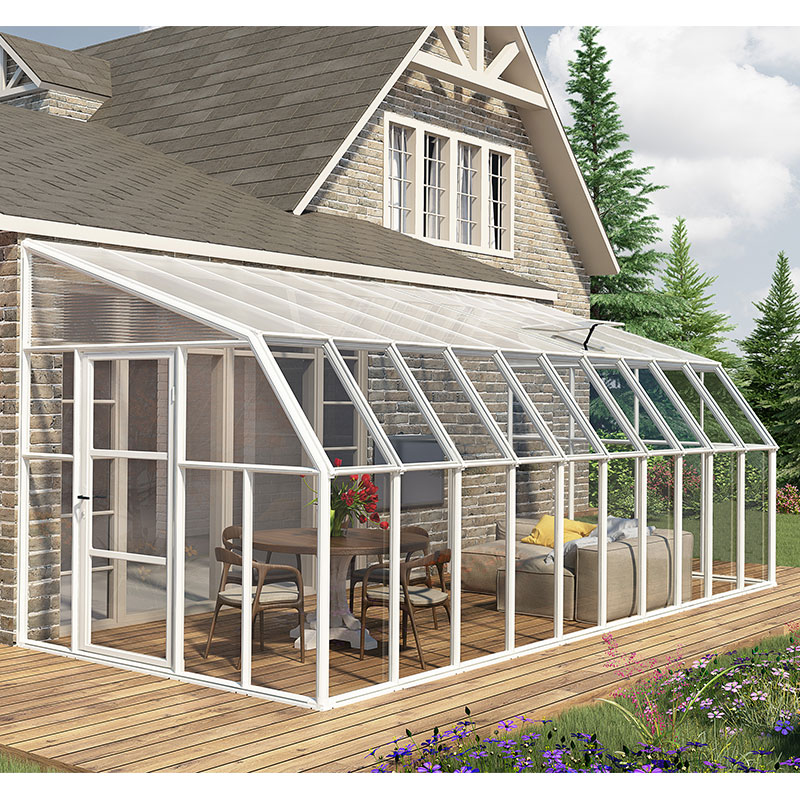
- Lean-to 21×8 greenhouses make use of an existing wall. That can be handy where garden space is tight or where the wall provides a sheltered side and a tidier overall profile.
- Gable roof designs usually give a more traditional profile, with good headroom and a straightforward internal layout.
- Curved or arched roof designs can feel softer in appearance and may shed rain and debris differently, while also changing the sense of height inside.
The differences are not just visual. A more upright profile often feels better if you want hanging space, taller crops, or a more comfortable standing zone. A lower or arched form may suit a site where visual impact needs to be kept in check, or where the greenhouse is placed near a fence line and you want the silhouette to sit neatly within the garden.
Why 21×8 feels more usable than it sounds
The numbers matter because they shape the internal rhythm. At 21 feet long and 8 feet wide, you have enough length for zoning without the greenhouse becoming awkwardly deep. That means you can usually create distinct sections for propagation, potting, crops, and standing plants without each area bumping into the next. The width is also important: 8ft is often enough to avoid a cramped feel, but not so wide that everything becomes a trek.
For buyers comparing sizes, the 21×8 format sits in a useful place. Smaller houses can feel full almost immediately. Bigger ones can be excellent, but they ask more in terms of site, planning, and interior management. A 21×8 greenhouse gives a strong sense of order and scale without needing a massive plot. That can be especially appealing if the greenhouse is meant to do more than just house a few trays in spring.
Materials that change the mood of the greenhouse
Frame material affects both the look and the character of a 21×8 greenhouse. It does not just come down to appearance; it changes how the structure sits in the garden and how much of the interior feels open or framed.
- Aluminium frames usually have a clean, neat profile and are commonly chosen for a sharper, more structured look.
- Timber frames bring a warmer, more traditional feel, which can suit cottage-style gardens or settings where the greenhouse is intended to blend in rather than stand out.
- Steel elements, where used, often give a firmer structural impression and can be associated with a more engineered look.
Glazing choice also influences the experience. Clear glazing gives a bright, open interior and suits buyers who want maximum visibility and a more classic greenhouse feel. diffused or diffusing glazing softens the light, which can reduce harsh hotspots and make the space feel less stark. The difference is noticeable when you stand inside: clear glazing often feels crisp and direct, while diffused glazing can feel calmer and a bit easier on the eye.
Inside the long run: how the layout starts to matter
The interior of a 21×8 greenhouse is where the size earns its keep. Because the space is long, you can arrange it in a way that supports different plant stages rather than treating it as one open room. That is useful for anyone growing a mix of seedlings, young plants, established crops, and display pots.
A common advantage is the possibility of a central walkway with beds or staging on both sides. That setup keeps access straightforward and reduces the awkward reaching that can happen in narrower houses. It can also make the greenhouse feel more balanced, especially if one side is used for taller crops and the other for lower trays or shelves.
Some gardeners prefer to divide the length into zones:
- Propagation end for seed trays, small pots, and young starts.
- Main growing section for tomatoes, peppers, cucumbers, or other climbing crops.
- Working area for potting, holding supplies, or temporary plant staging.
This type of zoning is one of the reasons the 21×8 size is so practical. It supports an organised workflow rather than a single-purpose space.
Different styles for different garden settings
Not every 21×8 greenhouse wants to look the same, and that is part of the appeal. In some gardens, a greenhouse should be a statement piece with a traditional profile and visible glazing. In others, it needs to sit quietly along a wall or hedge line. The right style depends on the setting as much as the growing plan.
Victorian-inspired shapes often suit buyers who want a decorative presence, with a sense of heritage and structure. Simple modern lines tend to feel more pared-back and can work well in contemporary gardens. A lean-to version may be a better fit where the garden is tight or where the side of a house or outbuilding already offers shelter. The key difference is not only the look but the way each form uses available space and light.
If the greenhouse is placed where it is seen from the house, the shape matters even more. A well-proportioned 21×8 structure can become a visual anchor rather than something added at the last minute. That can make the whole garden feel more intentional, even before the plants go in.
What buyers tend to value once they picture the space
People often start by looking at frame colour or glazing style, but the real appeal of greenhouses 21×8 usually shows up when they imagine how the space will be used. The length allows for more than one purpose at once. That means the greenhouse can support both practical growing and the quieter parts of gardening, like sorting pots or keeping plants in good view.
Useful features for this size often include:
- Good headroom, especially near the centre line, for comfortable movement and taller crops.
- Clear aisle definition, so the greenhouse does not feel like a jumble of trays.
- Room for staging without blocking the main path.
- Space for mixed crops, which is one of the strongest reasons to choose this footprint.
These are practical things, but they also affect how enjoyable the greenhouse feels to use. A space that is easy to read often gets used more often, and that matters more than it sounds. If you can walk in and know where things go, the greenhouse tends to earn its place quickly.
One size, several growing styles
The same 21×8 greenhouse can support quite different growing styles. Some buyers want a mostly productive house with rows of crops and little else. Others want a more mixed space, where food plants sit alongside ornamentals, citrus, or overwintering pots. The long format can do both.
For a productive layout, the width is useful for side runs and the length supports repeat planting. For a more display-led layout, the same size gives enough depth to create visual layers, with taller plants at the back and lower ones forward. That can make the greenhouse feel less like storage and more like a proper garden room for plants. It is still a working space, though, and that working quality is part of the charm.
Some gardeners also appreciate that a 21×8 greenhouse can accommodate both a plant-heavy side and a lighter, more open side. That contrast helps with access, but it also stops the interior from feeling overfilled. In a structure this long, it is easy to get carried away; the best layouts usually leave a bit of breathing room.
Small details that influence the buying decision
In this category, small differences can make a meaningful change to how the greenhouse suits your plot. A buyer might compare roof pitch, side wall height, door position, or glazing appearance and think these are minor points. In practice, they shape how comfortable the greenhouse feels and how neatly it fits the garden.
Some useful things to weigh up are:
- Door placement and how naturally it links to the garden path.
- Side wall height, which can affect usable growing room along the edges.
- Roof shape, especially if you prefer a stronger vertical feel or a softer outline.
- Visual style, because a greenhouse this size is substantial enough to affect the whole garden view.
There is also the simple matter of proportion. An 8ft width can feel neat and efficient, but if the side walls are too low, the edges may feel less usable. Likewise, a well-chosen roof form can make the whole structure feel more open than the numbers alone suggest. These are not dramatic things, just the kind of practical details that often decide whether a buyer feels satisfied later on.
Tips that help before you choose
If you are comparing 21×8 greenhouse options, it helps to picture the exact use, not only the overall size. A greenhouse with this footprint can work in quite a few ways, but the best choice is usually the one that matches your growing habits and the shape of your plot.
- Measure the site carefully and allow for door swing, access, and any path space you actually want to keep.
- Think about the internal split: do you want mostly growing space, or a mix of crops and working area?
- Compare freestanding and lean-to forms against the light and shelter available in your garden.
- Decide whether the greenhouse should blend in or stand out as part of the garden design.
- Look at the side wall and roof shape together, not separately, because that balance changes the usable feel of the interior.
A final tip: imagine the greenhouse in use in more than one season. The same structure can feel very different in early spring, high summer, or late season. That is why the 21×8 size is often a good buy for people who want flexibility rather than a single narrow purpose. It gives space to adapt, and that tends to be worth more than it looks on paper.
The kind of greenhouse that keeps proving useful
Greenhouses 21×8 suit gardeners who want a serious growing space without jumping to a huge footprint. The long shape helps with planning, the width supports a workable layout, and the range of forms means the structure can be tuned to the garden rather than forced into it. Whether you lean towards a freestanding build, a lean-to arrangement, a more traditional profile, or something visually quieter, the same footprint can take on a very different character.
That is the appeal here: not just size, but usable size. Enough room for variety. Enough order to stay practical. Enough presence to make the garden feel properly equipped. For buyers comparing greenhouse categories, the 21×8 format often lands in the space where ambition and everyday use meet in a fairly sensible way.
[Sassy_Social_Share]