
Greenhouses 19x8 - Best Deals in UK!
Showing the single result

Greenhouses 19×8 offer generous growing space for vegetables, seedlings, flowers and over-wintering plants, with a practical footprint for longer plots and serious home growing.
A size that feels planned, not cramped
A 19×8 greenhouse sits in an interesting middle ground: it is long enough to create proper growing zones, yet narrow enough to stay manageable in a domestic garden. That shape gives you space for a clear layout, such as one side for staging and pots, the other for beds, benches or taller crops. Compared with smaller hobby houses, the extra length makes a real difference when you start growing in batches. There is room for succession sowing, separate trays for germination, and a few larger pots without everything crowding together.
For buyers who want more than a compact potting space but do not want something oversized, this footprint often makes the decision easier. It can suit gardeners who want a mix of productive growing and a place to display more delicate plants. And because the span is not unusually wide, it still feels familiar in use: easy to reach across, simple to organise, and less awkward than broad structures that need more planning before planting even starts.
Why the 19×8 layout works so well
The proportions are a big part of the appeal. The 19ft length gives you a proper run for rows, staging, or a central path with growing space on either side. The 8ft width keeps the house practical for access and light distribution, especially where you want to avoid deep shaded corners. In day-to-day use, that means less wasted area and fewer hard-to-reach spots.
Bestseller der Kategorie Greenhouses 19x8
This size also helps if you like to grow different crops at once. You can keep a section for tomatoes, peppers and cucumbers, while another area can handle trays of annuals, cuttings, or winter salads. In a smaller greenhouse, those uses can start to compete with each other. In a 19×8, they can sit side by side without feeling improvised.
Form and shape: not every greenhouse looks the same
When people search for Greenhouses 19×8, they are often comparing more than size. Shape changes how the greenhouse behaves, how it looks in the garden, and what fits inside. The most common forms include:
- Apex roof designs, which give a classic profile and useful headroom in the centre.
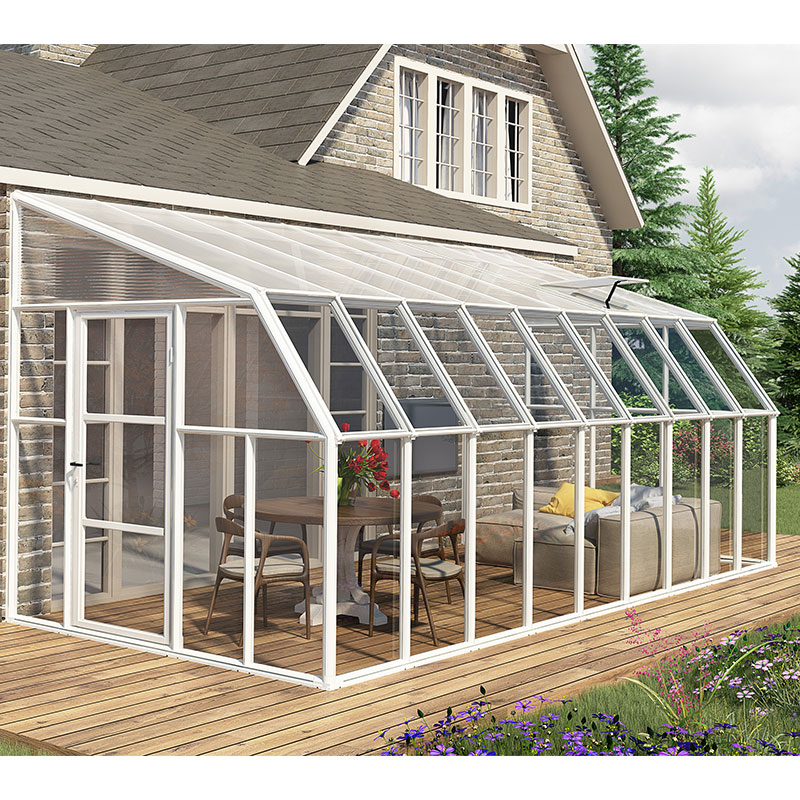
- Lean-to styles, which attach to a wall and can be a smart option where space is tighter or a warm backing wall is available.
- Curved roof or arched forms, which create a softer silhouette and can feel less rigid in a long garden run.
- Victorian-inspired styles, which tend to suit buyers looking for a more decorative finish alongside the growing space.
The shape affects the internal feel as much as the outside appearance. An apex style usually gives better usable standing room near the centre, while an arched roof spreads the headroom more evenly. A lean-to can be brilliant for making use of a boundary wall, but it is a different kind of choice because it depends on where your garden layout allows it. So although the measurement stays 19×8, the character of the greenhouse can change a fair bit.
Glass, polycarbonate and the difference you actually notice
For this category, the material matters because it changes the way the greenhouse looks and performs. Buyers often compare glass glazing and polycarbonate panels, and each has a distinct feel.
Glass gives a crisp, traditional appearance and clear visibility, which many gardeners like when they want to see the structure as part of the garden rather than something hidden away. It can suit formal spaces and long, straight runs very well. Polycarbonate, on the other hand, tends to feel more practical in style. It diffuses light a bit more, so the interior can look less stark, and it is often chosen by people who prefer a slightly more forgiving growing environment.
The difference is not only visual. In a 19×8 structure, the choice of glazing affects how the space feels when you walk in. Glass can make the greenhouse seem brighter and more open; polycarbonate can give a softer, less reflective interior. That is useful if you are planning to use the greenhouse for propagation, where even light and a calm working space can matter.
What you can do with all that room
The appeal of a 19×8 greenhouse is not just that it is bigger. It is that the extra length lets you divide the structure into useful growing sections. Many buyers look for this size because they want to move beyond a single bench and a few shelves. Here are a few ways the space tends to be used:
- Seed starting and propagation with dedicated trays and staging.
- Tomato and climbing crop runs along the back or side walls.
- Potting and holding areas for young plants before planting out.
- Display space for ornamental pots, citrus, or tender plants.
- Seasonal rotation, so one part of the house can change purpose through the year.
That flexibility is a real benefit if you like to grow both edible and decorative plants. You do not have to commit the whole greenhouse to one use. Instead, the long footprint lets you treat it more like a working space with sections, which many gardeners find easier to use than one large open room.
When a narrower greenhouse makes more sense
It may seem obvious that larger is better, but not every garden needs extra width. The 8ft width of a 19×8 greenhouse can actually be a better fit than a broader house, because it keeps the structure efficient. You can reach across beds and benches without constantly walking round them, which matters if you want to keep the layout simple. For many buyers, that is the difference between a greenhouse that gets used properly and one that turns into a storage space for random tubs and old trays.
Compared with wider designs, a 19×8 can feel more disciplined. It encourages a long, organised layout, and that suits gardeners who want straightforward access and a clear workflow. If you are mostly growing in lines or batches, the proportions work in your favour. If you prefer a more open central aisle with broad side borders, a wider greenhouse might suit you better. So the decision is really about how you use space, not only how much space you have.
Useful details buyers tend to look for
Once the size is set, the small structural details become more important. Buyers usually want a greenhouse that feels easy to live with, and in a 19×8 format there are a few features that stand out.
- Door position can affect how smoothly you move trays, compost and tools in and out.
- Head height matters if you grow taller crops or want to move without stooping.
- Roof style changes both the look and the internal sense of space.
- Panel type affects the amount and character of light inside.
- Base and frame proportion can influence how solid the greenhouse feels in use.
These are not flashy details, but they shape the buying decision. A greenhouse can look ideal on paper and still feel awkward if the entry is too tight or the roofline too low for your preferred crops. With a 19×8, the better options tend to be the ones that make use of the length without making the interior feel pinched.
Lean-to or free-standing: two very different ways to use the size
If the 19×8 greenhouse is available as a free-standing structure, it gives you more freedom with position and orientation. That can be useful in a garden where the layout is already established. You can place it to suit paths, borders, or views, and the greenhouse becomes a feature in its own right. It also tends to offer more balanced access from outside.
A lean-to version changes the equation. Because it sits against an existing wall, it can feel more integrated with the house or boundary, and the long footprint can work especially well in a narrow run. The wall side often gives the greenhouse a different character, more sheltered and a bit more enclosed. The choice between these two is less about style alone and more about how you want the greenhouse to sit in the garden. One is independent, the other is tied into the setting.
Good buying reasons that are easy to miss
People often focus on the obvious headline features, but a 19×8 greenhouse has some quieter advantages that are easy to overlook. The elongated shape can make it easier to separate clean, dry working areas from busy growing zones. It can also help when you want to keep certain plants grouped by height or by season. That is helpful if, for example, you want early crops at one end and more established plants at the other.
Another advantage is simply psychological: a greenhouse with enough room tends to get used with more care. You are less likely to stack everything in one corner. Instead, the longer format encourages better order, and that can make the whole space feel more purposeful. It is a practical thing, but buyers notice it once they start using the greenhouse properly.
How the style changes the garden as a whole
A greenhouse this size is not a tiny accessory. It becomes part of the garden’s structure. A clean-lined apex greenhouse can bring a neat, organised look to a plot, while a curved or decorative style can soften a long border or frame a vegetable area with more character. In a garden where hard lines already dominate, the greenhouse may act as a focal point. In a softer garden, it can become a working feature that still feels considered.
That is one reason buyers compare shape and finish so closely. They are not only buying growing space; they are also deciding how the greenhouse will sit alongside paths, fences and beds. A well-chosen 19×8 greenhouse can make a garden feel more complete, even before anything is planted.
Choosing the right kind of 19×8 greenhouse for your plans
If your main aim is productive growing, look closely at the internal layout and the form of access. A greenhouse with a straightforward roof shape, good headroom and a sensible doorway will usually feel easier to work in day after day. If appearance matters just as much as function, then the frame style and glazing will carry more weight in the decision. A glass apex house often suits buyers who want a more traditional look, while polycarbonate can feel more low-key and practical.
It can also help to think about what you grow most often. Tall cordon crops ask for good roof height and efficient side space. Propagation work benefits from clear zones and enough room for trays. Ornamental plants and citrus tend to need an arrangement that leaves a little breathing space around them, rather than squeezing them into a busy corner. The 19×8 format can do all of those jobs, but the best version is the one that matches your routine rather than forcing you to adapt too much.
Why this category draws serious growers
What makes Greenhouses 19×8 stand out is the balance between scope and usability. It is a size that supports proper growing without turning the garden into a building site. There is room to plan, room to sort, and room to keep separate uses from colliding with one another. That is why this category appeals to gardeners who want something more considered than a small hobby house, but not so large that it dominates the plot.
In the end, the best choice often comes down to how you imagine using the space in real life: where the trays go, where taller plants stand, which side gets the working bench, and how the greenhouse fits the rest of the garden. A well-matched 19×8 greenhouse makes those decisions easier, and that is often what turns browsing into a confident purchase.
[Sassy_Social_Share]