
Greenhouses 16x10 - Best Deals in UK!
Showing the single result

16×10 greenhouses offer generous growing space for vegetables, citrus, seedlings and overwintering plants, with balanced proportions for practical layouts, strong light capture and year-round growing.
Room That Works Hard Without Feeling Oversized
A 16×10 greenhouse gives you a clear step up from smaller garden structures without moving into the bulky end of the scale. The 16ft length and 10ft width create a layout that feels useful rather than cramped, with enough depth for beds, staging, benches and a central path that still leaves room to move properly. For many buyers, this size hits a sweet spot: large enough for serious growing, but not so large that it starts to dominate the plot.
This category suits gardeners who want to grow more than a few tomatoes. It works for mixed planting, early sowings, fruiting crops, propagation and protection for tender plants, all in one space. Because the footprint is rectangular, it is also easier to plan than more awkward shapes. You can divide the interior into zones, keep taller crops to the back, and still have a clean walking line through the middle.
Why 16×10 Feels Different From Smaller Sizes
The main difference is simple: usable working space. In smaller greenhouses, every shelf and pot seems to compete for the same bit of floor. With a 16×10, the layout can breathe a little. You can make room for propagation trays, taller container plants, hanging crops and storage without turning it into a tight squeeze. That extra width matters more than people expect, especially if two people want to work inside at the same time.
Bestseller der Kategorie Greenhouses 16x10
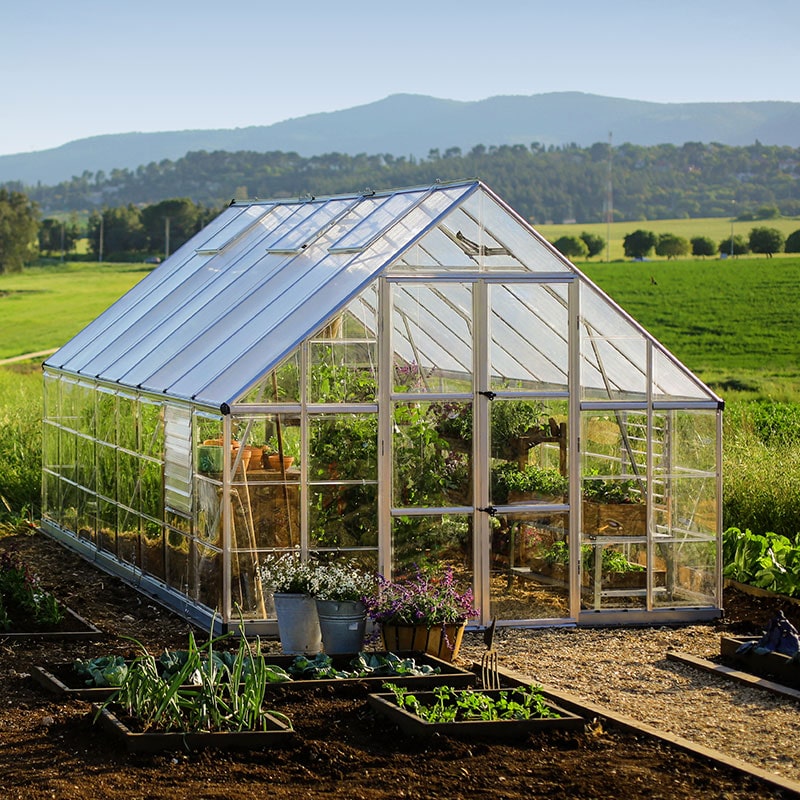
This size also gives you more flexibility with temperature movement and crop grouping. You can place heat-loving plants together, keep hardier varieties in another section, and still have space to isolate young plants from bigger ones. It is a practical size for gardeners who like to try different sowings at the same time, or who want to extend the season with a proper mixed setup.
Shapes Inside the Same 16×10 Footprint
Even within the same 16×10 category, the shape of the greenhouse changes the way it performs and feels. The main options usually include lean-to, freestanding, Victorian-style or classic pitched-roof forms, and each one brings its own strengths. The footprint may be similar, but the internal character is not.
- Freestanding greenhouses give full access all around the structure and usually offer the most flexible positioning in the garden.
- Lean-to greenhouses sit against a wall, which can suit narrower spaces and make use of existing shelter.
- Pitched-roof designs are practical for headroom and rain run-off, with a familiar working layout.
- Victorian-inspired styles often feature decorative ridge lines or curved eaves, adding visual character without changing the usable footprint very much.
The choice often comes down to how the greenhouse will sit in relation to the house, boundary walls and surrounding beds. A freestanding 16×10 usually gives the most planting freedom. A lean-to may feel more integrated with the garden and can be useful where space is more limited. The shape can also affect how quickly you can organise the interior, because eaves height, door position and bench placement all influence the working flow.
What Fits Comfortably in a 16×10 Space
This is the kind of greenhouse where planning starts to feel rewarding. A 16×10 greenhouse can hold a serious amount of growing without becoming chaotic. Depending on the layout, you could fit a combination of staging along the sides, a central aisle, propagation benches, and dedicated floor space for large pots or border-style planting. That means it is not just for seedlings and small trays; it can support crops that stay inside for longer periods.
Common uses include tomatoes, cucumbers, peppers, aubergines, salad leaves, herbs, strawberries, citrus in pots and young plants waiting to be hardened off. It is also useful for winter shelter, especially for tender perennials, climbers in containers and plants that dislike prolonged wet or cold. The larger footprint makes it possible to keep some crops in production while others are still at the young stage, which is often where smaller greenhouses struggle.
Glazing Choices and What They Change
For this category, glazing is a major decision because it affects light, insulation and the overall feel of the structure. The common options are glass and polycarbonate, and each has clear differences. Glass gives a crisp, traditional appearance and strong light transmission, which many growers prefer for visibility and plant presentation. Polycarbonate, on the other hand, often provides a more forgiving surface with better impact resistance, which can be useful in exposed gardens or where debris and weather are more of a concern.
Within glass greenhouses, you may also see different thicknesses and styles, such as horticultural or toughened glass. Toughened glass is generally chosen when extra strength is needed. Polycarbonate options can vary too, including multiwall sheets that give a slightly different balance of insulation and light. The best choice depends on how the greenhouse will be used: display and clarity, or insulation and resilience. Some gardeners like the sharper look of glass, while others prefer the more practical feel of polycarbonate. Neither is automatically better, but the result is definitely not the same.
The Advantage of a Wider Working Aisle
One thing a 16×10 layout often does well is allow a more sensible central aisle. That matters more than it sounds. A greenhouse is not just a container for plants; it is a working space. When the aisle is too narrow, everything becomes awkward: watering cans bumping staging, trays catching on corners, and plants getting in the way of each other. With 10ft of width, there is usually enough room to create a path that feels usable, plus side areas for crops or shelves.
This also improves day-to-day handling. You can carry compost bags in without turning sideways every two steps, check plants at the back without knocking over the front row, and manage taller crops with less faff. For people who spend proper time in the greenhouse, that extra width can make the difference between a space they use regularly and one they keep meaning to organise.
Best Set-Ups for Different Growing Styles
A 16×10 greenhouse can support several growing styles, and the best layout depends on what the buyer wants from it. Some prefer a propagation-led setup, with benches, heat mats and trays arranged for early sowings. Others want a crop-focused layout, with rows of tomatoes, cucumbers and peppers taking priority. A third group wants a mixed greenhouse where ornamentals, veg and overwintering plants all share space.
- Propagation layout: best for seed starting, pricking out and hardening off young plants.
- Productive crop layout: suited to fruiting crops and regular harvests through the warmer months.
- Mixed-use layout: useful when the greenhouse needs to do several jobs across the seasons.
- Display and shelter layout: practical for container plants, feature pots and protected specimens.
Because the greenhouse is large enough for more than one function, buyers do not have to lock themselves into a single way of using it. That flexibility is one of its strongest selling points. A structure that can shift from spring sowing space to summer fruiting house, then to autumn shelter, often feels more worthwhile over the year.
Height, Headroom and How the Space Feels
The feel of a greenhouse is not only about floor area. Headroom, roof pitch and side wall height all influence whether it feels generous or a bit awkward. In a 16×10 greenhouse, the proportions usually allow enough height for hanging plants, climbing crops and tall shelving without making the structure feel squat. That is especially useful if you grow cordon tomatoes or need room for vertical supports.
A good roof shape can also change the atmosphere inside. Pitched roofs tend to give a more open feel and help with rain movement, while shallower profiles may feel more compact but can work well where visual height is less important. Buyers should look carefully at internal clearances, door openings and where they plan to stand when handling taller crops. Small differences matter here, because a greenhouse this size should feel comfortable to use, not just large on paper.
Practical Details Buyers Often Compare
When comparing 16×10 greenhouses, people often look at a few key details beyond the footprint. These include frame material, door style, vent placement, guttering and how the structure anchors to the base. Aluminium is a common frame choice for its low-maintenance, tidy finish and clean lines. Some buyers may see timber designs and prefer the warmer look, though the character and upkeep differ. The right choice depends on the garden style and the kind of finish you want next to the house or borders.
Door position also matters more than many expect. A wider greenhouse should still be easy to enter with trays and equipment in hand. Single or double doors can change how smooth the day-to-day use feels. Venting and roof design affect internal air movement, which is especially relevant in a greenhouse that may hold a larger crop load. Gutters can be useful for collecting rainwater, and a properly prepared base helps the whole structure sit correctly. These are not flashy features, but they make the difference between a greenhouse that simply stands there and one that works properly.
Where 16×10 Sits in the Garden
This size needs a bit more thought than a compact greenhouse, but that is part of the point. A 16×10 greenhouse can become a real feature in the garden rather than a tucked-away box. It suits larger plots, kitchen gardens and growing spaces where the greenhouse is part of the main plan, not just an afterthought. Positioning it to catch light well is important, but so is making sure access feels natural from the house, paths and raised beds.
Because it has a noticeable footprint, it is worth thinking about how the greenhouse relates to nearby trees, fences and sheds. The structure should have enough breathing room around it for access and to prevent it feeling visually crowded. Many buyers also like that this size can sit alongside a productive vegetable plot without looking out of place. It has presence, but not in a clumsy way.
Small Details That Make a Bigger Difference
Some of the most useful features in a greenhouse this size are the ones people only notice once they start using it. Things like the way shelves line up with the light, whether pots can sit neatly under staging, how easy it is to move a watering can through the aisle, and whether taller plants block lower ones. A 16×10 gives enough room to avoid constant compromise, but the interior still benefits from careful planning.
Buyers often appreciate being able to separate tasks: one side for sowing and young plants, the other for larger pots or fruiting crops. That makes the greenhouse feel more organised and helps avoid the muddle that can happen when everything sits in one zone. It is also easier to keep a clear mental map of what is growing where, which sounds minor until the greenhouse becomes busy in spring.
A Size That Earns Its Place
For growers who want a structure with real working capacity, 16×10 greenhouses offer a strong balance of scale, layout freedom and practical comfort. They are large enough for mixed planting and serious crop production, yet still manageable for a home garden. The different forms, glazing types and internal layouts mean buyers can choose a version that fits their space rather than forcing the garden to adapt around it.
If the aim is to grow more, organise better and make proper use of the season, this category deserves attention. It is not about excess. It is about having room to work, room to plan, and room to keep plants doing what they should. And in a greenhouse, that extra bit of room can be the thing that makes the whole setup feel right.
- Good for mixed crops when you want vegetables, seedlings and overwintering plants in one structure.
- Better internal zoning thanks to the wider footprint and longer run of space.
- More comfortable access for daily use, especially when carrying trays or watering equipment.
- Flexible design choices with glass, polycarbonate, freestanding and lean-to options.