
Greenhouses 150 sq ft / 14 m² - Best Deals in UK!
Showing the single result

Greenhouses 150 sq ft / 14 m² are a practical size for keen growers who want a proper sheltered space for vegetables, herbs, flowers and propagation without taking over the whole garden.
A footprint that actually does something
A 150 sq ft / 14 m² greenhouse sits in that useful middle ground where a small patch of glass becomes a serious growing space. It is large enough for more than a few pots on a shelf, yet not so big that it starts to dominate a plot. For many gardeners, this size gives room for a mix of growing beds, staging, hanging space and seed trays, while still feeling manageable in an average back garden.
That balance is part of the appeal. You can use it for early sowing, tender plants, ripening crops and season extension, but it also works as a practical workspace for anyone who likes to organise plants by stage: seedlings in one area, maturing crops in another, and overwintering specimens tucked out of the way. It is not about squeezing everything in. It is about having enough room to make the space work with you, not against you.
Shapes that change how the space feels
At this size, the shape of the greenhouse makes a real difference. A lean-to greenhouse uses an existing wall and can suit narrower gardens or courtyards, especially where space is tight on one side but length is available. A freestanding greenhouse gives full access all the way around, which is handy if you want a more flexible layout and better all-round light exposure.
Bestseller der Kategorie Greenhouses 150 sq ft / 14 m²
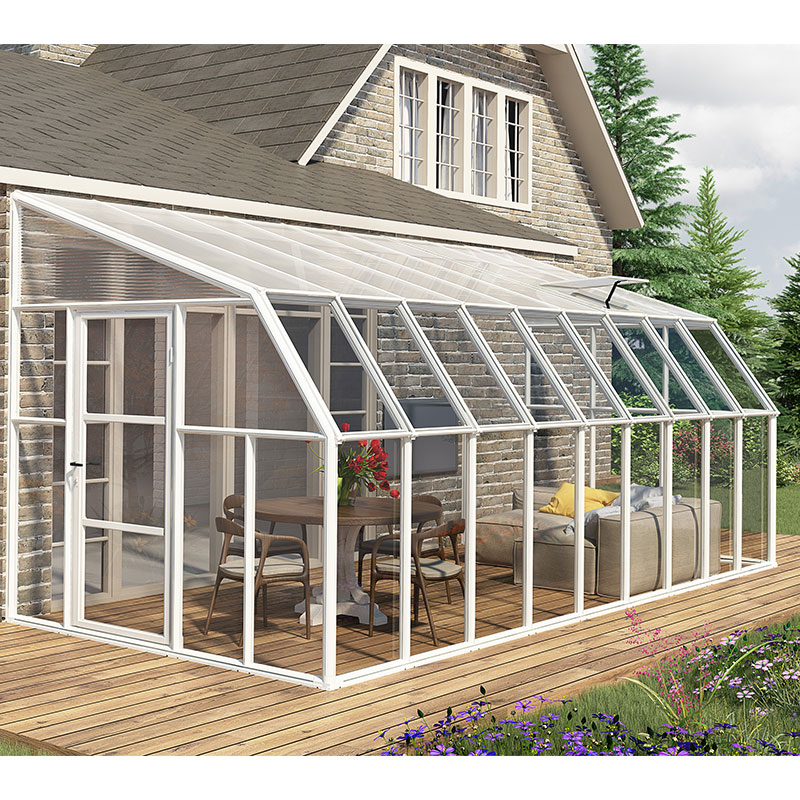
Apex roof greenhouses are a familiar choice because they offer a classic pitched profile and good headroom down the centre. That extra vertical space helps when you are moving around with trays or taller plants. Lean-to rooflines tend to feel tidier and more compact, while gable-ended or traditional pitched forms can create a more open, airy impression inside. The difference is not only visual; it changes how easy the structure is to use day to day.
If your garden has awkward edges, an aluminium greenhouse in this size can often be arranged in a way that makes use of corners or boundary lines. If you prefer the look of timber, a wooden greenhouse can feel softer in a planted setting, though the framing style may slightly reduce the internal width depending on design. That is one of those things buyers often notice only after looking inside a few different options.
Glass, polycarbonate and the feel under cover
One of the biggest differences in greenhouses 150 sq ft / 14 m² is the cladding. Glass greenhouses give a clear view of what is growing and usually feel bright and traditional. They suit gardeners who enjoy seeing the structure as part of the garden rather than just a growing box. The transparency also makes it easier to check plants from outside, which sounds small but does matter when you are using the space often.
Polycarbonate greenhouses are chosen for a different feel. The panels diffuse light a bit more, so the interior can seem softer and less harsh on bright days. This can be useful if you are growing young plants, leafy crops or anything that does not love direct glare. In a greenhouse of this size, the choice between glass and polycarbonate changes both the atmosphere and the visual style of the whole build.
There is also a practical difference in how each type reads in the garden. A glass structure often looks crisp and architectural, while multiwall polycarbonate can appear more understated. Neither is simply better. It depends on whether you want clarity, a more diffused light quality, or a certain look beside paths, patios or borders.
What 14 m² can hold when it is planned properly
The real value of a 14 m² greenhouse is not just the floor area, but how that space can be divided. Many buyers use part of the room for bench staging, part for floor-level growing, and a strip for movement. That means you can fit a more varied planting setup than in a mini greenhouse or cold frame.
- Seed trays and plug plants can sit near the brightest side or on raised staging.
- Tomatoes, cucumbers and peppers usually benefit from the height and warmth this size can support.
- Hanging baskets and trailing plants work better when the roof space is not too low.
- Potting benches or a small work area can still fit without making the structure feel cramped.
- Overwintering tubs and tender shrubs can occupy the edges while leaving the centre open.
The point is that this size supports more than one growing style at once. You are not forced into a single use. Some gardeners want one side for propagation, another for production, and a little corner for display. That sort of mixed use is exactly where 150 sq ft starts to make sense.
Three common layouts, three different ways to grow
There are a few layout ideas worth knowing before choosing. A single-span greenhouse is the standard form, usually the easiest to place in a typical garden. It gives a simple internal arrangement and often suits the 150 sq ft size well because the proportions are straightforward.
A double-door or wider-front greenhouse creates a more open entrance and can make moving trays or larger pots much less awkward. That matters when the structure is used heavily. If you have ever tried to angle a broad tray through a narrow opening, you will know the difference. In a greenhouse of this size, a wider access point can really change the daily feel.
There is also the question of partitioned space. Some gardeners like to divide the inside by function rather than size, with one zone for germination, one for cropping and one for display plants. Not every greenhouse is built for formal sections, but even a simple internal rhythm can help. It makes the space easier to read and keeps the 14 m² from becoming a jumble of pots and labels.
Why this size suits serious hobby growers
For many people, the attraction of a 150 sq ft greenhouse is that it feels like a step up without entering a full commercial scale. It is large enough for a real planting rhythm across the year: early starts, mid-season growth and autumn holding space. That means you can grow a broader spread of crops and flowers instead of choosing just one or two.
This size also supports more thoughtful plant spacing. When plants are not crowded together, there is room to position them according to height, maturity and light need. Tall crops can stay out of the way of smaller seedlings. Tender plants can be kept where the light and shelter suit them best. That kind of arrangement is easier to achieve in 14 m² than in something smaller, and it can reduce the feeling that you are constantly moving things around to make room.
Another benefit is the sense of progression. A greenhouse this size can work as a place for seed propagation, potting on, fruiting crops and display plants all at once. If you like to grow from seed rather than buying in ready-made plants, this is where the extra room really starts earning its keep. It gives you space to follow a plant from the first tray to the final pot without breaking the flow.
Differences worth noticing before you buy
When comparing greenhouses 150 sq ft / 14 m², small differences can matter more than people expect. One greenhouse may have more usable head height, while another has wider side walls and less wasted space near the edges. A model with steeper glazing may shed light differently than one with a lower pitch. These are not tiny details once you start arranging staging or taller plants.
Wall height is one of the first things to look at. A taller side wall often means better usable space for shelving and hanging plants. Roof pitch changes the feel inside and can affect how much room there is above head height. Door width affects access, which is easy to overlook until you are carrying compost, trays or large pots in and out. Also, panel format and frame spacing can affect how open the interior feels, even when the floor size is the same.
Then there is the difference between a greenhouse that feels like a growing room and one that feels like a walk-in plant house. It is partly about materials, partly about proportions, and partly about where the structure sits in the garden. A lean-to can feel integrated and compact; a freestanding form can feel more separate and dedicated. Neither approach is right for everyone, but the choice changes the whole experience.
Useful tips that matter more than you think
If you are choosing a greenhouse in this size, start by thinking about the layout you actually want to use. A clear central aisle helps if you plan to move regularly between benches. If you want more bench depth, check that the remaining walkway still feels comfortable. A greenhouse can technically fit a lot, but it should still be usable without a shuffle every time you step inside.
Also, consider whether you want a structure that supports tall crops or one that leans more towards trays and young plants. That changes whether headroom or floor width matters most. A greenhouse with good height can be especially useful for climbers and hanging plants, while a broader low-profile layout may suit propagation and staging better.
Another tip: think about the view from the rest of the garden. A traditional glass greenhouse can become a feature in its own right, especially beside gravel, brick or planting beds. A more understated frame may blend in better if you want the planting to take priority. Buyers often focus on measurements and forget how much the structure will shape the garden scene. It is not just a box for plants; it becomes part of the place.
The kinds of growing projects that fit this scale
This size is well suited to gardeners who like a bit of variety. You can run a vegetable-growing section alongside a flowering area and still keep room for starting seeds. It is also a sensible scale for anyone who wants to grow crops that need a longer season, since the extra area makes it easier to rotate plants through the space as they mature.
- Fruiting crops like tomatoes and cucumbers have enough room to climb without crowding the entrance.
- Herb production can sit along the front or in trays, where access is easy.
- Ornamental plants can be grouped by height and colour for a more ordered look.
- Propagation work fits well because trays, labels and small pots do not instantly overwhelm the floor.
- Mixed growing becomes possible, which suits gardeners who do not want to choose between flowers and food.
Buying for the garden you have, not the one in your head
The best greenhouse 150 sq ft / 14 m² for one garden may be a poor fit for another simply because the shape of the plot, access route and boundary lines all differ. A lean-to can be a good answer where the garden is narrow, while a freestanding build often gives more freedom in positioning. If your site gets strong sun, you may prefer a layout that lets you control how light falls across the interior. If the space is more sheltered, the greenhouse can feel almost like an extra room for plants.
It is worth thinking in terms of how the structure will be used in real life. Will you want to carry in trays through a side gate? Do you need room for a wheelbarrow or storage tubs nearby? Will the door open where it can do so without hitting beds or paths? These details sound ordinary, but they shape whether the greenhouse feels easy to use or a bit of a squeeze.
A 14 m² greenhouse is not about excess. It is about space with purpose. For a gardener who wants room to grow, organise and experiment, it offers a good middle-sized answer. Enough space to do something proper, not so much that it becomes a project in itself.
[Sassy_Social_Share]