
Greenhouses 11x8 - Best Deals in UK!
Showing the single result

11×8 greenhouses give you a practical middle ground: enough room for crops, staging and a working aisle, yet compact enough for many gardens, making them a smart choice for year-round growing, seed sowing and sheltered overwintering.
A footprint that actually works with real gardens
An 11×8 greenhouse sits in a very usable size range for people who want more than a narrow lean-to, but do not have space for a very long structure. The 11 ft by 8 ft footprint gives a generous growing area without dominating the plot, which matters if the greenhouse needs to sit beside a lawn, patio, shed or veg bed. It often feels roomy enough for a mix of tomatoes, cucumbers, salad crops, trays of seedlings and a few shelves, while still leaving space to move around without constantly bumping into pots.
That balance is one of the main reasons shoppers look at this size. A smaller house can feel cramped once seed trays, canes and benches go in. A larger one can be harder to position, heat and fill. The 11×8 size sits between those two realities and tends to suit gardeners who want a dedicated growing space rather than just a place to keep a few plants out of the rain.
Shape changes the feel as much as the size
When people say greenhouses 11×8, the footprint is only part of the story. The shape changes how the space works, how light moves through it and how easily taller crops fit inside. A traditional gable-ended greenhouse gives a familiar pitched roof and a clear centre line, which helps if you want to grow climbing crops down the sides and keep a main aisle in the middle. The pitched roof also suits hanging baskets or crop support bars, depending on the frame design.
Bestseller der Kategorie Greenhouses 11x8
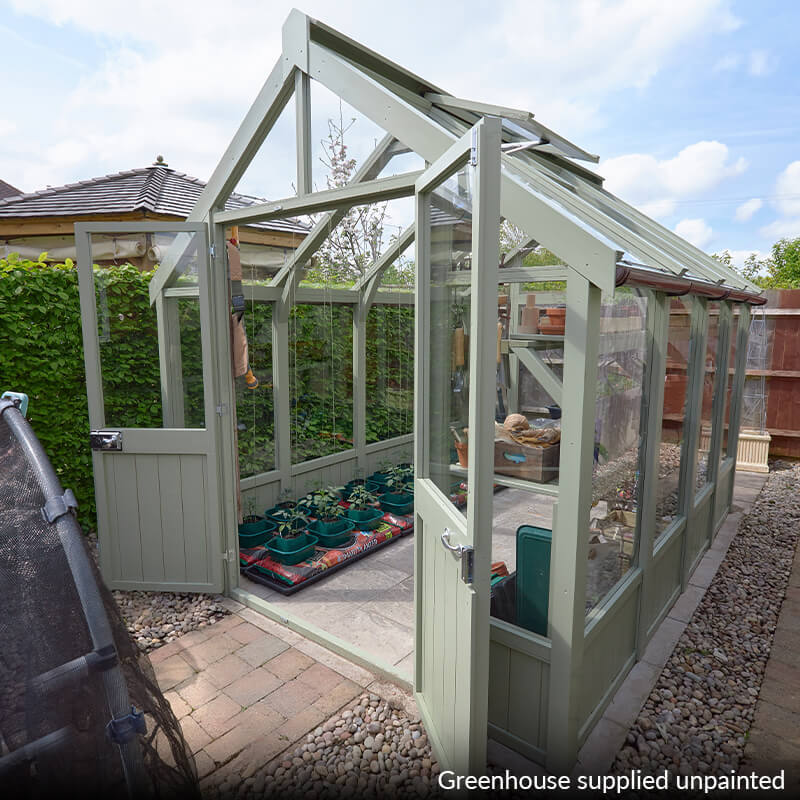
An aluminium greenhouse in this size is often chosen for a lighter-looking frame and a neat, modern finish. Timber-framed options bring a warmer appearance and can sit more naturally in cottage-style gardens. Then there are lean-to styles in some ranges, where the 11×8 format can be adapted to sit against a wall. That approach changes the use of space quite a bit: one side gets the benefit of an existing structure, which can influence the internal layout and make the greenhouse feel more enclosed.
The roof shape matters too. A gable roof gives a more classic profile and usually supports good headroom along the centre. A curved roof can shed rain nicely and gives a softer outline, while a low-pitched roof can work where planning or height is a concern. With an 11×8 greenhouse, the roof line is worth paying attention to because the length is long enough for strong airflow patterns and the height can affect where you place taller plants.
What fits inside without the space turning awkward
One of the best things about this size is the way it can be zoned. A well-planned 11×8 greenhouse can hold a central path, two side growing runs and still leave a corner for tools or staging. That makes it suitable for people growing in different stages at once: plug plants, potted-on seedlings, fruiting crops and overwintering tubs. You are not forced into a single-purpose setup.
Depending on the frame and door position, it can also support different layouts:
- Single central aisle with benches along both sides for easy access
- Side staging only to keep the middle open for taller crops
- One bench and one open bed area for mixed growing
- End-to-end shelving for seed propagation and smaller pots
- Zoned planting with heat-loving crops at the warmest end and cooler crops nearer the door
This size often suits growers who like to start seeds indoors, then move them on without needing to shuffle everything around at once. It also helps if you like a greenhouse to do more than one job. The space can be arranged for propagation in spring, fruiting crops in summer, and protected pot storage when the season shifts.
Glass, polycarbonate and the feel of the light
In 11×8 greenhouses, the glazing choice changes more than appearance. It changes the way the inside behaves. Horticultural glass gives a crisp, traditional look and very clear light transmission, which many gardeners prefer for decorative as well as practical reasons. It can suit a garden where the greenhouse is meant to look like a proper feature, not just a utility space.
Polycarbonate glazing gives a different feel. It is often chosen where someone wants a more forgiving panel material and a softer diffusion of light. In a greenhouse this size, that can be useful if you are growing a mix of young plants and more established specimens, because the light spreads more evenly and the interior may feel less harsh. The difference is not just technical; it changes the mood of the space as well.
There are also differences in panel style. Full-sheet panels can create a smoother appearance, while smaller pane divisions or traditional glazing bars add structure and a more classic character. If the greenhouse is going to be seen from the house or patio, that visual detail matters. Some buyers want a tidy, contemporary finish; others prefer the broken-up pattern of a more old-fashioned frame. Neither is better in every case, but they do create quite different buying choices.
Why 11×8 feels more useful than a smaller house
Compared with a compact greenhouse, the 11×8 format gives more room for circulation and cropping at the same time. That sounds simple, but in practice it changes how the greenhouse gets used. A narrow structure can force everything into one line, which makes it harder to work on plants without moving them constantly. In an 11×8, you can keep a central route open and still grow densely enough to make the space worthwhile.
The extra length is especially helpful for people growing plants in stages. Seedlings can sit at one end, larger pots can move to the other, and there is still room for a potting bench or staging shelf. That makes this category attractive to gardeners who want a space that can grow with their ambitions without leaping into a very large footprint.
Compared with a larger greenhouse, the 11×8 version is often easier to place in a domestic garden, and it can feel less empty when not fully stocked. That matters because some larger greenhouses look impressive but end up underused. The 11×8 size tends to feel active even with a sensible number of plants inside.
End openings, doors and the small details that change daily use
In this category, the door position and vent layout can make a bigger difference than many shoppers expect. A greenhouse with a centred end door creates a classic straight-through route, which is convenient if you want to wheel in trays or move compost bags without awkward turns. A side-entry or offset layout can work better if the greenhouse sits in a tight space or needs to align with a path.
The way the opening is built also affects how the greenhouse feels to use. A wider door makes the 11×8 greenhouse easier to work in when carrying trays or shelves. Roof vents and side vents, where included, change the internal air movement, but from a buying point of view they also affect how you plan the layout. Tall crops are easier to place where the roof height and opening positions work together, not against each other.
It is worth thinking about access before anything else. A greenhouse that looks right on paper can feel annoying if the doorway is too narrow for the sort of gardening you actually do. If the main use is propagation and small pots, that may not matter much. If you are moving larger containers or supports, it does.
Traditional lines or modern framing?
Greenhouses 11×8 come in different visual styles, and that can sway the choice more than people admit. A traditional greenhouse profile usually means pitched roof, neat glazing bars and a shape that sits comfortably in both formal and cottage gardens. It feels familiar and tends to blend with brick, stone and planting borders.
A more contemporary frame might use slimmer lines and a cleaner finish. That can make the structure appear lighter, especially if it is set against fencing or a darker backdrop. For some buyers, that makes the greenhouse less visually heavy in the garden. Others prefer the framed, classic look because it has more presence and a stronger garden-room feel.
The key difference is not only style. It also affects how the greenhouse sits in the garden scene. If the 11×8 greenhouse is visible from a kitchen window or dining area, the appearance of the frame becomes part of the buying decision. It should look like it belongs there, not like an afterthought.
Practical advantages people usually notice first
The obvious benefits of an 11×8 greenhouse are not abstract. They show up in daily use. You get enough space for a proper working setup, better separation between crops, and more options for moving plants around as they develop. That can reduce the need to crowd everything onto one shelf or keep trays stacked in the shed.
- Room for mixed use without forcing every plant into the same stage
- Clearer organisation between seed sowing, growing-on and mature plants
- More comfortable working space for potting, watering and rearranging
- Better use of vertical space with staging, shelving or hanging support
- A balanced footprint for gardens that need useful space without a very large build
Another advantage is the way this size often suits both hobby gardeners and more active growers. It is substantial enough to justify proper planning, but not so large that it becomes hard to keep organised. That middle ground is exactly what many buyers are after, even if they do not say it that way.
Tips for choosing the right 11×8 layout
If you are comparing greenhouses in this size, think about what will be grown most often. A buyer focusing on seed raising and young plants may want more staging and shallower shelves. Someone growing tomatoes, chillies or climbers may need a clearer central run and better headroom. If the greenhouse is going to store pots and overwintered plants too, the internal plan should leave breathing space rather than packing every edge.
It also helps to consider which end faces the easiest access route. An 11×8 greenhouse placed with the door facing a path or patio can make regular use feel simpler. If the structure is being put near a wall, fence or bed, allow for access to the sides if vents, rainwater run-off or panel cleaning matter to you. These are small details, but they influence how useful the greenhouse feels once it is installed.
One useful trick is to imagine the greenhouse half full, not perfectly neat. Real use includes trays being shifted, pots waiting to be repotted and canes taking up odd corners. If the layout still works in that state, the size and shape are probably a good fit.
Different uses through the seasons, without changing the structure
The appeal of the 11×8 greenhouse is partly that it can move between uses without needing a different build. In one part of the year it may be about germination trays and sheltered starts. Later, it becomes a place for fruiting crops that need a warmer, drier spot than the open garden. Then it shifts again into a space for overwintering tender plants, holding back frost and wind while keeping things organised.
That flexibility matters because buyers often want one structure to do several jobs. A greenhouse this size is big enough to be adaptable but still close enough to the house or garden routine that it does not become a forgotten building. For many people, that is the point: a greenhouse that gets used properly, not just admired from a distance.
A sensible choice when space and ambition both matter
For gardeners comparing sizes, greenhouses 11×8 often stand out because they feel usable rather than excessive. They offer enough room for planning, cropping and moving plants between stages, while the shape and glazing choices let you match the greenhouse to the rest of the garden. Whether you lean toward traditional glass, modern panels, pitched roof or a more compact-feeling frame, the 11×8 category gives plenty of scope without drifting into overkill.
If what you want is a greenhouse that can handle proper growing, look tidy in the garden and leave space for actual movement, this size deserves a close look. The right version is less about chasing a fashion and more about choosing a structure that fits the way you grow, the plants you keep and the garden you already have.
[Sassy_Social_Share]