
Greenhouses 11x6 - Best Deals in UK!
Showing the single result

11×6 greenhouses give you a practical growing space for fruit, vegetables and ornamentals, with enough room for staging, narrow paths and steady airflow in a neat garden footprint.
A Size That Feels Thought Through
An 11×6 greenhouse sits in that useful middle ground where the structure is large enough to work in properly, yet still compact enough for many gardens. With a footprint of roughly 11ft by 6ft, it suits gardeners who want more than a starter frame but do not want a building that takes over the plot. That shape gives a long run for shelving, seed trays, hanging baskets or a central aisle, depending on how you like to grow.
What makes this size appealing is the balance between working space and usable growing area. You can keep taller crops to the back, use one side for propagation, and still have room to move without feeling boxed in. For many buyers, that is the point: it feels organised rather than cramped, and there is enough room to plan the layout instead of simply squeezing plants wherever they fit.
Frames, Glazing and the Feel of the Structure
When people look at greenhouses 11×6, they are often comparing more than just size. The frame material changes the whole character of the building. Aluminium frames are common because they are light, tidy in appearance and suit a modern garden. They usually have slim profiles, which can mean more light reaching the plants. Steel-framed options feel more industrial and can appeal where a firmer, heavier presence is preferred. Wooden greenhouses bring a softer look and can sit well in traditional gardens, especially where the structure needs to blend in rather than stand out.
Bestseller der Kategorie Greenhouses 11x6
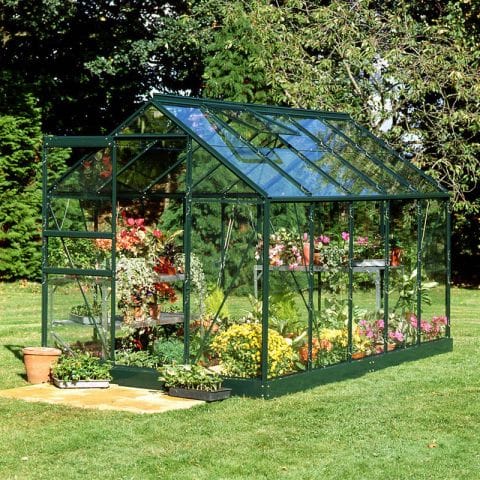
The glazing also matters quite a lot. Toughened glass gives a clear, classic finish and is often chosen for that crisp, open greenhouse feel. It allows a very direct view of the plants and keeps the interior looking bright. Polycarbonate glazing changes the look a bit, offering a diffused light effect that some growers prefer for softer light conditions. It can be useful where a slightly less reflective surface is wanted, and it gives a different feel under the roof, less formal maybe, more muted.
Lean-To, Apex or Victorian? Choosing the Shape
The phrase 11×6 greenhouse describes the footprint, but the shape above that footprint makes a real difference. A lean-to greenhouse is placed against a wall or outbuilding, which can make it a smart choice for tighter gardens or for anyone wanting to use an existing structure for shelter. It often feels more integrated and can suit a path edge, patio or sunny boundary.
An apex greenhouse is the familiar pitched-roof style. It gives a clear central height and is often easier to work inside when growing taller crops, training tomatoes or hanging plants. The roof shape also creates a strong visual line, which many people like in a garden setting. If you want something with a more decorative presence, a Victorian-style greenhouse adds ornate ridge details and curved lines. It is not just about looks either; the layout can still be practical, but the style leans towards a more traditional garden scene.
There are also gable-end designs and more contemporary versions with cleaner edges and simpler glazing patterns. The difference is partly visual, partly practical. A more ornate greenhouse may suit a formal garden, while a pared-back design feels better in a space with straight lines, decking and modern planting.
Why 11×6 Works for Serious Growing Without Overcrowding
This size has a neat advantage for gardeners who need room for multiple crop zones. You can split the interior into sections for seedlings, potting on, fruiting crops and overwintering plants without it turning into a jumble. It also helps with airflow simply because there is enough span to leave gaps between staging and the glazing. That sounds minor, but in a greenhouse it matters more than people expect.
An 11×6 greenhouse can suit people growing tomatoes, cucumbers, peppers, herbs and bedding plants at the same time. It is also a decent fit for growers who like to stagger sowings, because the extra length means one end can be given over to trays while the other end handles more mature plants. Compared with smaller frames, there is less shuffling things around every week. Compared with much larger houses, it still feels manageable and easier to organise on a daily basis.
For buyers weighing up different sizes, the difference is often not just about square footage. It is about how the greenhouse behaves. In a smaller structure, space disappears fast once pots, watering cans and staging are inside. In an 11×6, you can keep a clearer layout and still have room to think. That is a real benefit if you want the greenhouse to support the garden rather than dominate it.
Inside Layouts That Make the Most of the Footprint
The long rectangular format gives you several practical ways to arrange the interior. Some gardeners prefer a single central path with growing space on both sides. That keeps access simple and works well if you want to move from end to end without backtracking. Others go for one-side staging and a narrower walkway, leaving the opposite side for taller crops or floor pots.
A different option is to use the length in zones. For example, one end can hold seed trays and propagation, the middle can serve for potting and staging, and the far end can support crops that stay in the greenhouse longer. This kind of split works especially well in an 11×6 footprint because the proportions suit a clear left-to-right flow. It is easier to keep each area doing one job, rather than mixing everything together.
If you are comparing formats, think about whether you want a greenhouse that feels like a working room or more like a display space. Some buyers like neat staging down one side with plants arranged almost like a nursery. Others want a more open centre so they can wheel trays, move bags of compost and have a proper space to stand. The 11×6 gives enough room to do either, though not both in a loose way. It needs a bit of planning, but that is part of what makes it useful.
Light, Venting and the Small Details Buyers Notice
People often focus on size first, but the little structural details can change how a greenhouse feels day to day. In greenhouses 11×6, the position of roof vents and side vents has a big effect on how the space is used. Even without going into maintenance, it is worth knowing that different vent layouts can influence where you place tall crops, where you keep young plants, and how open the interior feels.
A greenhouse with a cleaner roofline and good light entry can make the whole growing area feel more open. Slim framing can help here, though some people prefer the more substantial look of heavier members. If you are choosing between a traditional and contemporary shape, think about how the light will land in the house across the seasons. A more upright apex may give a different overhead feel than a low lean-to, and that difference matters if you plan to raise plants from seed under cover.
Buyers often notice that the choice of glazing colour or finish changes the mood too. Clear glass creates a bright, crisp interior. Diffused panels soften the light. Neither is automatically better; it depends on whether you want sharp visibility of every tray and shelf, or a gentler look that reduces the feeling of glare. That is one of those small differences that can be easy to miss until you stand inside it.
What Sets 11×6 Apart from Smaller or Larger Greenhouses
Compared with compact greenhouses, an 11×6 model gives you more separation between different growing tasks. That means less moving things about when one crop finishes and another needs space. It can also give taller plants a bit more dignity, for want of a better word, because they do not have to share every inch with trays of seedlings.
Against larger greenhouses, the difference is often about commitment. A bigger building may offer more expansion, but it also asks for more ground and can feel like a project rather than a garden feature. The 11×6 category tends to suit buyers who want a noticeable but contained structure. It feels substantial without becoming awkward to place. In many gardens, that matters more than chasing sheer size.
The proportions also help if your garden is long rather than wide. An 11×6 greenhouse can sit naturally along a boundary, beside a shed or at the end of a path, and its shape often makes visual sense in a rectangular plot. If your space is tighter in width than length, this format can simply fit better. That is not a glamorous reason to buy one, but it is often the right reason.
Useful Buyer Tips Without the Fuss
If you are comparing 11×6 greenhouses, measure the actual siting space carefully, not just the footprint on paper. Doors need room, and access around the structure can affect how usable it feels. Also think about what you want to grow most often. If you plan lots of tall crops, an apex roof may feel more comfortable. If the greenhouse is going against a wall, a lean-to format may make more sense than a freestanding unit.
Pay attention to the ratio of glazing to frame. A greenhouse with slimmer framing can look lighter and bring in more light, while a more substantial structure may feel steadier and more enclosed. Neither is automatically better. It is more about the kind of space you want to work in. Some gardeners like the open, bright look; others prefer something that feels a bit more enclosed and sheltered.
It also helps to think about what you will actually place inside from the start: staging, seed trays, taller fruiting plants, hanging baskets, potting space. The 11×6 footprint is versatile, but not endlessly flexible, so a rough layout plan saves disappointment later. A greenhouse that is well matched to your growing style will usually feel more useful than one chosen only because it looked tidy in a photo.
Small Style Choices That Change the Whole Garden
There is a visual side to buying a greenhouse that people sometimes understate. An 11×6 greenhouse can act as a gentle focal point or a more assertive feature, depending on frame colour, roofline and glazing. A traditional design can sit alongside cottage planting, climbers and gravel paths without feeling out of place. A cleaner contemporary style may work better where the garden has sharper edges and fewer decorative details.
Even the form of the end panels makes a difference. A more ornate structure can soften a straight boundary, while a simpler frame can make a busy plot look calmer. Some buyers want the greenhouse to disappear into the garden mood. Others want it to look like a destination. Both approaches can work, and the 11×6 size is large enough to matter visually but not so large that it becomes the whole story.
That is why this category is worth exploring carefully. The right greenhouse here is not just about sheltering plants. It is about creating a workable place that suits the way you actually garden, with enough room to be useful and enough style to feel deliberate. 11×6 greenhouses offer that middle path: practical, distinctive and easy to shape around your own growing habits.
- Freestanding apex designs for a balanced, traditional greenhouse shape
- Lean-to models for wall-backed siting and tighter spaces
- Victorian-style greenhouses for a more decorative garden presence
- Aluminium-framed options for a clean, lighter visual finish
- Wooden frames for a softer, classic look
- Toughened glass glazing for a bright, clear interior feel
- Polycarbonate glazing for a more diffused light effect
If you are after a greenhouse that feels roomy without being excessive, the 11×6 size is a strong place to start. It gives enough scope for proper layout planning, crop separation and a comfortable working aisle, while still fitting into many domestic gardens. The result is a structure that can do a proper job without asking for more space than you want to give.
[Sassy_Social_Share]