
Globel Sheds - Best Deals in UK!
Showing all 3 results
-
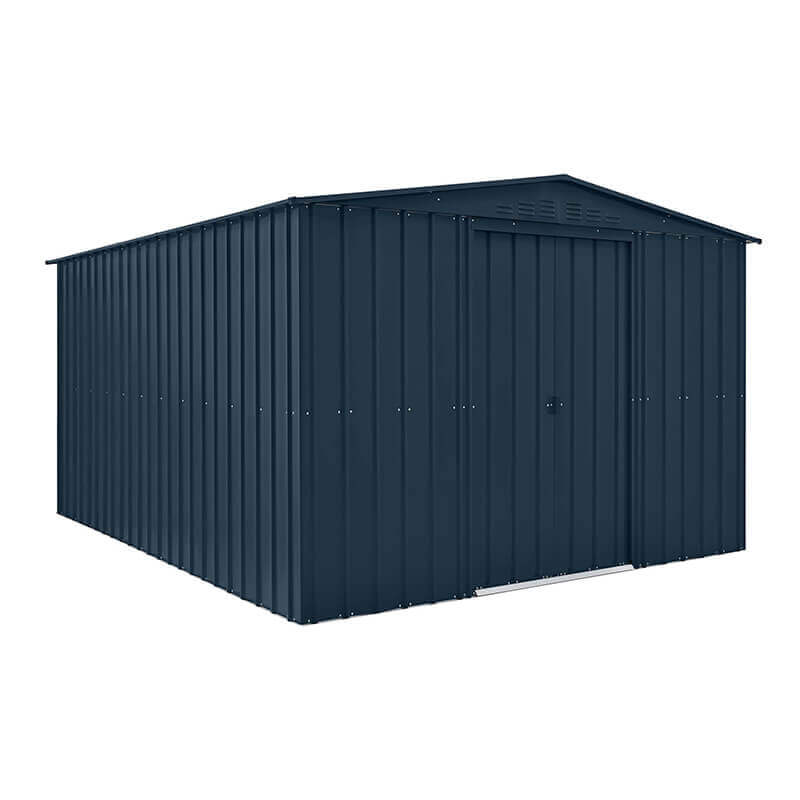
12% OFF: 10′ x 10′ Globel Heritage Green Apex Metal Shed (3.08m x 3.10m) £699.9912%

-
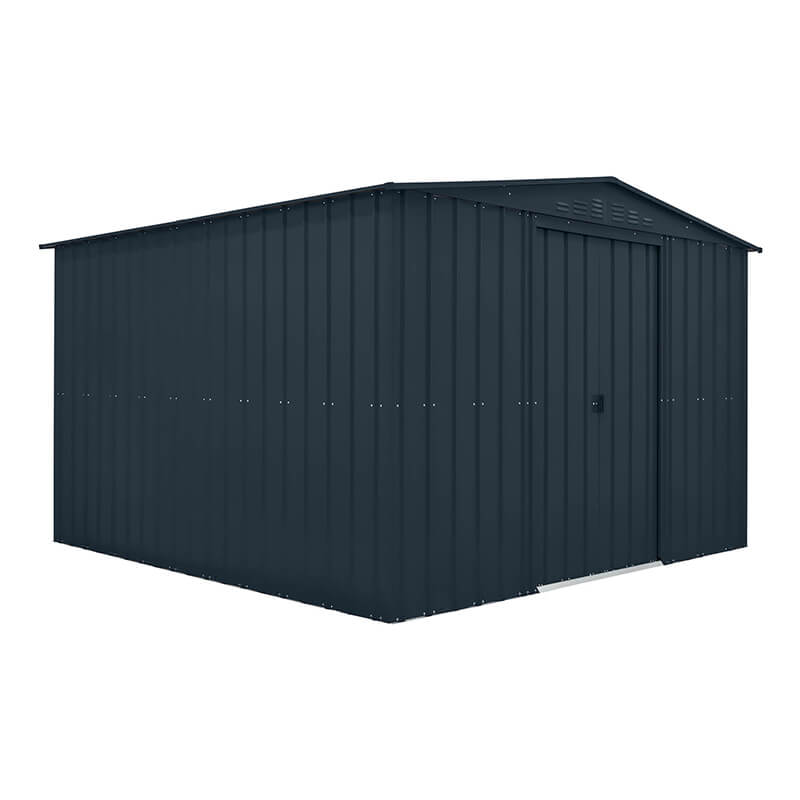
12% OFF: 10′ x 10′ Globel Anthracite Grey Apex Metal Shed (3.08m x 3.10m) £699.9912%

-
12% OFF: 10′ x 12′ Globel Anthracite Grey Apex Metal Shed (3.08m x 3.72m) £824.9912%

Globel sheds bring together space-saving garden storage, steel construction and a tidy, practical look, making them a solid choice for tools, bikes, bins and everyday outdoor kit.
Built for gardens that need order, not clutter
A shed in the Globel Sheds category is usually chosen when the garden needs more than a place to hide a few bits and bobs. It is about creating a proper storage zone that feels thought-through, fits along a fence line, and does not eat up the whole patio. These sheds often suit people who want a clean external finish and a layout that makes sense for regular use, not just seasonal overflow.
What makes this category appealing is the way it can answer different garden problems without making the space feel heavy. A slim shed can sit where a larger wooden building would crowd the border. A taller design can give you more headroom for rakes, long-handled tools, or shelves. A wider version can make room for bikes, lawn gear, and boxes without forcing everything into a messy pile.
Shapes that change how the shed works
The shape of a shed makes a big difference to how it feels and how it fits into your garden. In the Globel Sheds range, shoppers often look at the roof style first, because that affects both appearance and usable space inside.
Bestseller der Kategorie Globel Sheds

- Apex sheds have a pitched roof that gives a classic outline and a bit more internal height in the middle.
- Pent sheds have a single sloping roof, which can tuck neatly against a wall or boundary.
- Lean-to styles work well where space is tighter and the shed needs to sit close to another structure.
- Low-profile designs can be useful when you want storage without a bulky look across the garden.
The choice is not just visual. An apex roof often feels better if you want to move around inside or store taller items. A pent roof can suit a narrow run of garden and is often easier to place where headroom is limited at one side. If the shed is going near a fence, wall, or garage, the pent layout can feel especially sensible.
Steel, not fuss: why the material matters
Many people looking at Globel Sheds are drawn to the steel build. Compared with some other shed types, steel has a neat, firm look and a more structured feel. The panels can give a sharper finish, and the whole unit often looks quite orderly once assembled. That suits modern gardens, paved spaces, and plots where a clean edge matters.
Another clear difference is how steel storage buildings tend to behave visually through the seasons. They do not have the same grain or surface texture as timber, so the overall effect is more streamlined and less rustic. That can be a plus if your garden already has planting, fencing, and hard landscaping doing most of the visual work. The shed can quietly do its job without becoming the centre of attention.
For buyers comparing materials, the main point is that steel sheds usually suit people who want structure, consistency, and a practical outer shell. If the goal is a tidy place for storage with a no-nonsense appearance, that combination can be very appealing.
Door layouts that change everyday use
The door type matters more than many shoppers first think. In a Globel Sheds category, the door layout can decide how easy it is to get larger items in and out, how comfortable the access feels, and where the shed can sit in relation to paths or planting.
- Single doors are useful when the shed is for smaller tools, pots, and general storage.
- Double doors can make loading bikes, lawnmowers, or bulky boxes much easier.
- Wide openings help when you do not want to turn items at awkward angles.
- Sliding-style access, where offered, can be handy in tighter areas where a door swing would get in the way.
It is worth thinking about what you will actually move in and out of the shed, not just what you plan to store in theory. A shed can look right on a page but feel awkward in daily use if the opening is too narrow. For that reason, a double-door layout often makes sense for active storage, while a single-door shed can be enough for lighter, more compact use.
When size is the deciding factor
Size is one of the clearest differences across the range, and it is often where buyers either feel confident or get stuck. A smaller Globel shed can work well for hand tools, seed trays, and garden clutter that needs a home. A mid-sized option can take on more ambitious storage, like a mower, hose reels, outdoor cushions, or stacked boxes. Larger sheds make sense when the garden needs to absorb a lot of equipment at once.
But bigger is not always better. A shed that is too large can dominate a compact garden and make the rest of the space feel squeezed. A smaller unit, placed well, can solve the storage issue without upsetting the balance of the plot. That is why measuring the available area properly matters, especially near boundaries, patios, or planting beds.
A useful tip is to think in zones: one zone for long-handled tools, one for bulky gear, one for smaller items on shelving. That way, the shed size becomes easier to judge because you can picture how each item will sit inside the space.
Different looks for different gardens
Although the main job is storage, the appearance of a shed still matters. Globel Sheds are often chosen by people who want something that looks neat against brickwork, gravel, decking, or lawn. Some designs feel more compact and practical, while others have a slightly more substantial profile that suits larger plots.
The choice between a more upright apex form and a lower pent form can affect how the shed sits in the garden visually. An apex roof tends to read as more traditional, while a pent roof can look a bit quieter and more tucked in. If your garden already has strong lines from fencing, paving, or raised beds, a simpler roofline may sit more naturally in the scene.
It is also worth noting that a clean, light-reflective finish can make a shed feel less heavy in smaller gardens. In contrast, a darker or more enclosed setting may call for a shape that stays close to the boundary rather than standing out too much. This is one of those details people do notice once the shed is installed, even if they did not plan on it at first.
Practical advantages buyers tend to notice quickly
There are a few reasons the category keeps interest from gardeners, homeowners, and anyone trying to regain control of outdoor storage. These are the points that usually make the difference between browsing and buying.
- Tidy storage for tools, equipment, and seasonal items.
- Clearer garden space because items are not left out around the borders.
- Flexible placement thanks to compact roof shapes and different footprints.
- Easy visual fit in modern outdoor spaces.
- Purpose-built access for regular use, not just occasional storage.
These advantages are especially helpful when the garden has to do a lot of jobs at once. A shed can keep the barbecue accessories out of the rain, gather together bits for planting season, or hold the larger tools that never quite belong in the house. Instead of moving everything from one corner to another, the shed gives those items a proper base.
Differences that matter when comparing models
When people compare sheds in this category, the details often come down to a few practical differences rather than big flashy claims. Roof shape, door width, internal height, and the amount of usable floor area all affect how the shed feels in use. One model might be better for long tools, while another suits stacked storage and easier movement inside.
Another point is how the shed uses vertical space. Some designs make better use of headroom in the centre, while others feel lower but more compact along the edges. This matters if you want shelving or hanging storage, because the usable wall space can vary quite a bit depending on the form.
If you are comparing options, it helps to ask: What am I storing most often? If the answer is bikes and bulky garden kit, opening size becomes important. If the answer is hand tools and containers, the internal arrangement may matter more than sheer footprint. That simple question can save a lot of second-guessing.
Small decisions that make the shed feel more useful
A good shed is not only about the shell; it is about how the storage works once you start using it. Even without adding anything elaborate, a few decisions can change the feel quite a bit.
- Think about access first, especially if you use the shed often.
- Match the shape to the site so the building sits naturally in the available space.
- Choose a size with breathing room, not just enough room to squeeze everything in.
- Look at internal height if you plan to stand tools upright or use wall space.
- Consider how the doors open in relation to paths, sleepers, or planting.
These details sound small, but they often decide whether a shed feels easy to live with. A storage building that fits the garden properly tends to feel less like an extra object and more like part of the layout. That is usually what people are after when they start comparing products in the Globel Sheds category.
Why the category suits both neat freaks and the slightly chaotic
Some buyers want a shed because they like order. Others want one because the garden has become a bit of a jumble and they need a practical fix. Globel Sheds appeal to both. The first group likes the controlled look and the idea of having designated places for everything. The second group likes the simple reality that all the stuff can finally disappear behind a proper door.
That is part of the charm here: the category is not trying to be dramatic. It is more about getting the job done in a way that feels calm and workable. If your outdoor area has been overtaken by pots, tools, and items that never made it back to the garage, then a well-chosen shed can make the whole space feel more settled.
Tips for choosing with confidence
If you are narrowing down the options, it helps to think practically and not overcomplicate it. The best choice is usually the one that matches your space, your storage habits, and the way you move around the garden.
- Measure the site carefully, including clearance for doors and nearby paths.
- Work out the biggest item first, then choose a shed that can handle it without forcing angles.
- Pick a roof shape that suits the location rather than just the photo.
- Look for a layout that reduces hassle when you need something in a hurry.
- Keep the finish and profile in mind if the shed will be seen from the house a lot.
A lot of customers end up choosing a shed after realising the garden has been asking for one all along. Not because it is a big dramatic purchase, but because storage problems tend to build quietly. Once that space is sorted, the rest of the garden often feels easier to use, which is a decent reason to buy in itself.
The kind of purchase that pays back in everyday ease
What makes Globel Sheds worth a closer look is not just the product itself, but the way it can simplify the whole outdoor routine. Fewer tools left out. Fewer awkward stacks in the corner. Less guessing where things were put. More room to enjoy the part of the garden that is meant for sitting, planting, or just looking decent.
If you need a shed that feels straight to the point, with different shapes, sizes, and door layouts to suit varied gardens, this category gives you room to choose sensibly. It is the sort of storage that does not ask for attention, but still earns its place every time you need to find something quickly.
And that is often the real selling point: a shed that fits the space, suits the way you work, and keeps the garden looking less like storage has taken over. Not fancy. Just useful, and in a good way.
[Sassy_Social_Share]