
Gazebos under £7000 - Best Deals in UK!
Showing all 4 results
-
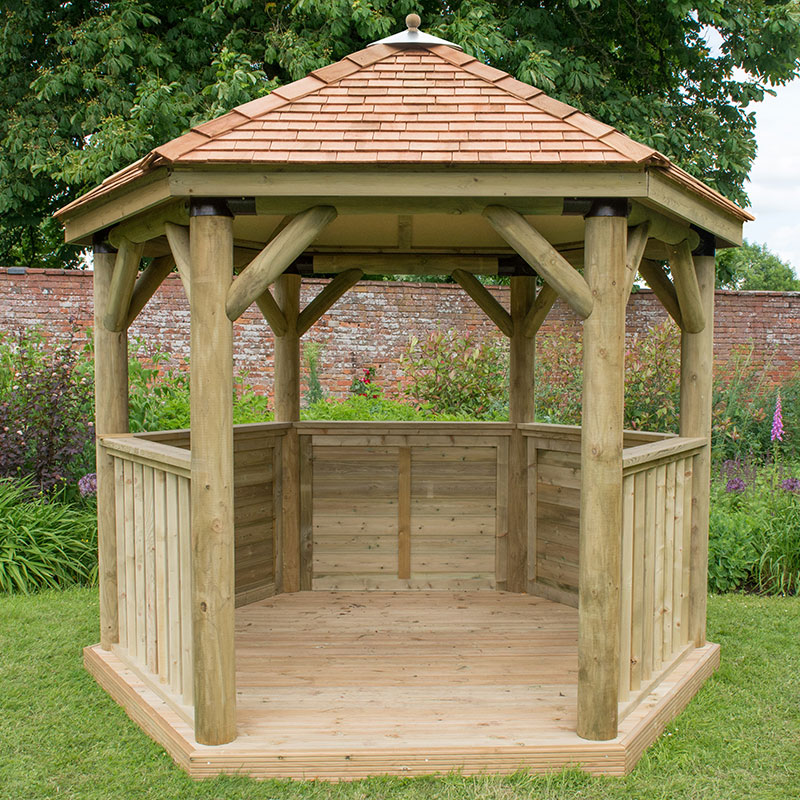
25% OFF: 10’x9′ (3×2.7m) Luxury Wooden Garden Gazebo with New England Cedar Roof – Seats up to 10 people £6,279.9925%

-
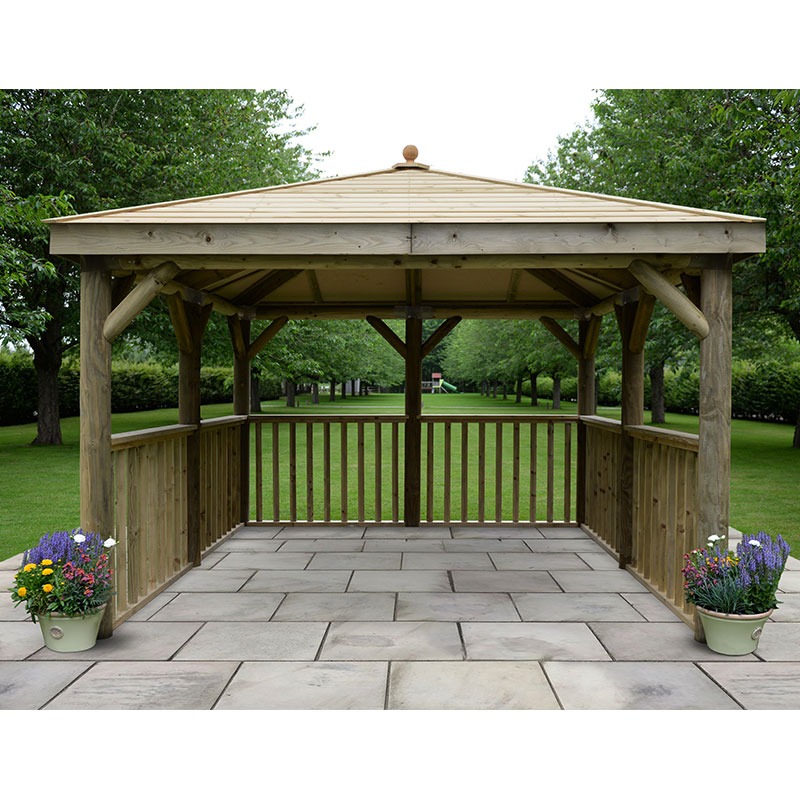
22% OFF: 11’x11′ (3.5×3.5m) Square Wooden Garden Gazebo with Timber Roof £6,159.9922%

-
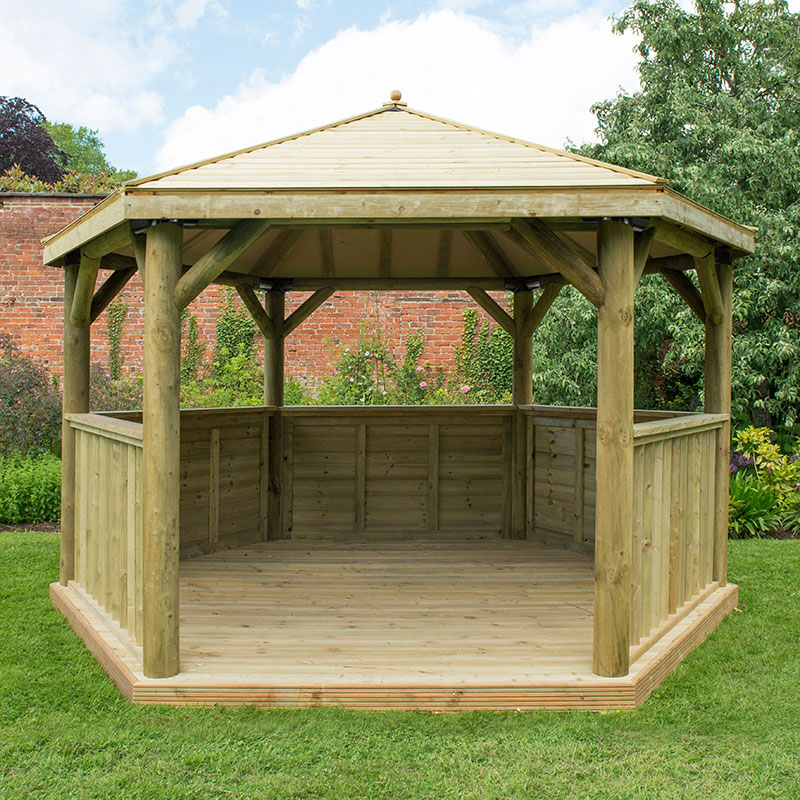
19% OFF: 13’x12′ (4×3.5m) Luxury Wooden Garden Gazebo with Timber Roof – Seats up to 15 people £6,479.9919%

-
19% OFF: 10’x9′ (3×2.7m) Luxury Wooden Furnished Garden Gazebo with Traditional Timber Roof – Seats up to 10 people £6,349.9919%

Gazebos under £7000 offer a practical way to add a proper outdoor room, with options in wood, metal and hybrid designs, plus open, half-open and fully enclosed styles.
Why a gazebo in this budget feels like a real garden upgrade
When you are looking at gazebos under £7000, you are usually moving beyond simple shelter and into something that can shape the whole feel of a garden. At this price point, you can often expect a more substantial frame, better roof detailing, and a design that looks considered rather than purely functional. That matters if the gazebo is going to sit in a visible spot, like beside a patio, at the end of a lawn, or near a dining area.
What makes this category interesting is the range. A gazebo in this budget can be a neat open-sided entertaining shelter, a more enclosed structure with screens or panels, or a pagoda-style focal point that gives the garden a defined centre. Some buyers want shade for a dining set, others want a weather-buffered spot for a hot tub or outdoor sofa, and some just want a structure that gives the garden a finished feel. The nice part is that £7000 leaves room for choice without forcing you into a one-size-fits-all solution.
Frame first, look second: the main build types
The frame is the first thing to compare, because it changes not only the look but also how the gazebo behaves in everyday use. In this price range, the most common choices are timber gazebos, metal gazebos, and mixed-material designs that use one for structure and another for the roof or side panels.
Bestseller der Kategorie Gazebos under £7000
Timber gazebos tend to suit gardens that already have planting, fencing, or decking in natural finishes. They can feel less formal and often work well when you want the gazebo to blend into the garden rather than stand apart from it. Metal gazebos usually bring a cleaner, more architectural line. They can suit modern spaces, paved courtyards, or sharper landscaping, and they often look good when the garden has a lot of straight edges. Mixed-material versions can sit somewhere between the two, giving a sturdier, more structured look without becoming too heavy visually.
A useful point here is the balance between visual weight and space use. A thicker timber frame can look warm and grounded, but it will take up more visual room. A slimmer metal frame may feel lighter, which is handy in smaller gardens or where you want the planting to remain the star. Neither is automatically better; it depends on whether the gazebo should anchor the space or sit quietly in it.
Shapes that change how the garden feels
Gazebos under this budget often come in a few recognisable forms, and the shape affects both the atmosphere and the practical layout underneath. A square gazebo is the easiest to furnish, especially with rectangular dining tables, bench seating, or a compact lounge set. It tends to make the most efficient use of corners and edges, so it is a good option if the gazebo needs to fit against a wall, hedge, or boundary line.
Rectangular gazebos are useful when the space needs to serve a specific function, such as long dining or a spa area. They can feel more like an outdoor room, and they are often easier to zone. On the other hand, hexagonal and octagonal gazebos create a softer, more decorative look. These shapes usually draw the eye naturally to the centre, which can make them feel sociable and balanced. They suit gardens where the gazebo is intended as a focal point rather than just an extra covered area.
There are also round or curved forms, though they are less common in everyday garden shopping. These can look elegant in a more ornamental setting, but they are not always the easiest to furnish. If you plan to place a table, chairs, or fixed seating inside, the shape should work with the layout, not against it. A pretty frame is nice, but awkward corners can become annoying fast.
Open, screened, or enclosed: how much shelter do you actually need?
One of the most important differences in gazebos under £7000 is how open or enclosed they are. An open-sided gazebo gives the clearest connection to the garden. It feels airy, social, and relaxed, and it works well when you want shade and definition without shutting the space off. This style is often a good match for dining furniture because it keeps the area feeling part of the wider garden.
A partially enclosed gazebo might include side panels, slatted sections, curtains, or decorative screens. These features make the structure feel more private and can help create a sheltered corner without making it feel boxed in. This type suits buyers who want a bit more protection from breezes or who would like the gazebo to feel like a destination within the garden.
Fully enclosed gazebos, or those with more substantial side walls, give the strongest sense of separation. They are a good fit when the gazebo is intended for a distinct use, such as a hobby room feel, a quiet reading corner, or a protected spa setting. The trade-off is that they can feel more architectural and less open to the rest of the plot. If the garden is small, that can be a plus or a minus depending on how much visual space you want left around it.
Roof styles that do more than just look tidy
The roof is another area where gazebos in this range show real variety. A flat roof can look clean and modern, especially in contemporary gardens, but it may need a little more attention to how it sits visually on the structure. A pitched roof gives a more classic gazebo profile and often feels more traditional, which suits cottage-style planting, older houses, or gardens with softer lines.
Tiered roofs and more decorative roof shapes can add a bit of lift to the design. They make the gazebo read as a feature rather than a shelter, which is handy if it needs to act as a focal point from the house. Some roofs also use slats, shingles, or panelled sections to create different levels of shade and character. This matters because a gazebo is not only about cover; it also shapes the light underneath. A more open roof can create dappled shade, while a more solid one gives a deeper sense of enclosure.
For buyers comparing designs, the roof should be thought about alongside the intended use. If the gazebo is for dining in bright daylight, you may want a roof that reduces glare without making the area dark. If it is for a seating corner used later in the day, a stronger roof form may feel more cocooning and comfortable.
What the budget can buy in features, without going overboard
Within gazebos under £7000, the feature set can move from simple to fairly detailed. You might find decorative railings, sturdy posts, built-in side screens, or lattice-style panels that add privacy while keeping things airy. Some designs focus on clean structural lines, while others include more ornamentation in the eaves, corners, or roof supports.
It is also common to see choices around the degree of finish. A gazebo with plain framing may suit someone who wants to add their own furniture and textiles later, while a more finished design can feel ready to use from the start. Neither approach is right or wrong. The main difference is whether you want the gazebo to act as a backdrop or the main event.
Useful features to look out for include:
- Wide internal span for dining tables or lounge sets
- Solid corner posts for a more grounded look
- Slatted sides for partial privacy without closing off views
- Decorative roof edges that make the structure look more resolved
- Open entry points that make movement in and out feel easy
- Symmetrical proportions if you want the gazebo to sit neatly in the garden layout
Choosing the right form for the way you use the garden
The best gazebo shape is often the one that matches how the space is used, not just how it looks in a photo. A dining gazebo usually needs a clear rectangle or square footprint so chairs can pull out easily and the table does not feel cramped. A lounging gazebo can be more forgiving, especially if you want a mix of sofas, ottomans, or a corner seating arrangement. For a feature gazebo, the visual profile may matter more than the furnishing plan, so an octagonal or hexagonal shape can be a stronger choice.
If the gazebo is going near a wall, fence, or boundary, flatter forms often work better because they sit more naturally against a straight edge. If it is standing in the middle of a lawn or at the end of a long path, a more symmetrical or decorative shape can help it feel intentional. This is one of those details people sometimes overlook until they try to place the structure and realise the garden is doing them no favours. Better to think it through before measuring twice and still cutting once, so to speak.
Practical differences buyers actually notice
When comparing gazebos under £7000, buyers usually notice a handful of differences quickly. The first is headroom. Some gazebos feel generous and open, while others sit lower and more intimate. A taller design can be better for a dining set or for anyone who does not want to feel enclosed. A lower structure can feel cosier and more sheltered, though it may suit smaller gardens better visually.
The second difference is how enclosed the sides feel. Slatted or half-height side panels create separation without taking away the garden view. Solid or more complete walls create a stronger room-like feel. Then there is the matter of footprint. A compact gazebo can still look substantial if the roof and posts are proportioned well, while a larger one needs enough surrounding space to breathe. A gazebo that is too close to fences or borders can look crowded, even if the design itself is good.
Finish also matters. A crisp, darker frame can make the gazebo feel sharper and more defined. A lighter timber finish often feels softer and blends more easily with planting. Metallic finishes can work well in contemporary spaces, but they need to sit comfortably with the rest of the garden materials, or they can look a bit stranded. That sort of mismatch is easy to avoid if you think about the paving, fence colour, and furniture before choosing the gazebo.
Tips that make the choice easier before you order
There are a few decisions worth settling early so the gazebo ends up feeling right in the space. First, think about the main use. A dining area, quiet seating nook, and spa shelter all want different proportions and openness. Second, decide how much visual presence you want. Some gardens need a strong centrepiece; others already have plenty going on and only need a subtle shelter.
It also helps to look at how the gazebo relates to the rest of the garden layout:
- If the garden is long and narrow, a rectangular gazebo usually sits more naturally.
- If the garden is small but decorative, a compact hexagonal or octagonal form can feel more balanced.
- If the setting is modern and angular, a cleaner roofline and slimmer frame can make more sense.
- If the garden has soft planting and curved borders, a timber gazebo with a pitched roof often blends in better.
- If the gazebo will be seen from the house a lot, the front view becomes just as important as the inside layout.
One more useful point: do not ignore the opening pattern. A gazebo with wide access on more than one side can feel easier to use day to day, especially when you are carrying trays, cushions, or just moving people around a table. Small things, but they make the difference between “looks nice” and “gets used”.
Where this kind of gazebo fits best in a garden
Gazebos under £7000 can work in a surprising number of settings. In a family garden, they can create a shaded social corner away from the main lawn. In a more formal space, they can act as a structured focal point that gives the whole layout a clearer centre. In a compact courtyard, they can turn an otherwise plain area into a proper outdoor room, especially if the shape and frame are chosen to suit the surrounding materials.
They are also good for gardens that need a bit of zoning. If one part is for dining, another for planting, and another for movement, a gazebo can define one zone without the need for walls or heavy separation. That is one of the main reasons buyers keep coming back to this category. It gives shape, shelter, and a sense of purpose, but it still leaves the garden feeling open.
In the end, the best choice is the one that feels like it belongs to the plot, not one that seems dropped in as an afterthought. A well-matched gazebo can make the garden easier to use, easier to read, and more inviting to spend time in, which is really what most people are hoping for when they start looking in this bracket.
[Sassy_Social_Share]