
Gazebos under £500 - Best Deals in UK!
Showing the single result

Gazebos under £500 offer a practical way to add covered outdoor space for dining, shade, and socialising, with choices in pop-up, steel, and fabric styles.
Why a gazebo under £500 can still do the job well
When people look at a gazebo under £500, they often expect a compromise, but that is not always the case. In this price band you can still find shelters that give proper sun cover, a defined outdoor room, and a neat focal point for patios, lawns, and decking. The trick is knowing what sort of use you need it for, because the difference between a light pop-up gazebo and a more solid steel-framed gazebo is quite a lot, even when the price tag looks similar.
This category suits buyers who want something that feels more structured than a parasol and more flexible than a permanent building. You get a way to mark out a seating area, cover a table, or create a bit of shelter for a garden party without going into the higher costs of timber pavilions or hard-top installations. It is not just about keeping dry either; a gazebo can make an outside area feel finished, and that can be a big part of the appeal.
Shapes that change the whole feel
One of the easiest ways to narrow down your choice is by shape. In the under-£500 bracket, the most common form is the rectangular gazebo, because it works well over dining sets and long garden tables. It gives a clear, usable footprint and is often easier to place against a wall or along the edge of a patio. If you need something for a square terrace or a compact seating zone, a square gazebo can feel more balanced and less bulky.
Bestseller der Kategorie Gazebos under £500
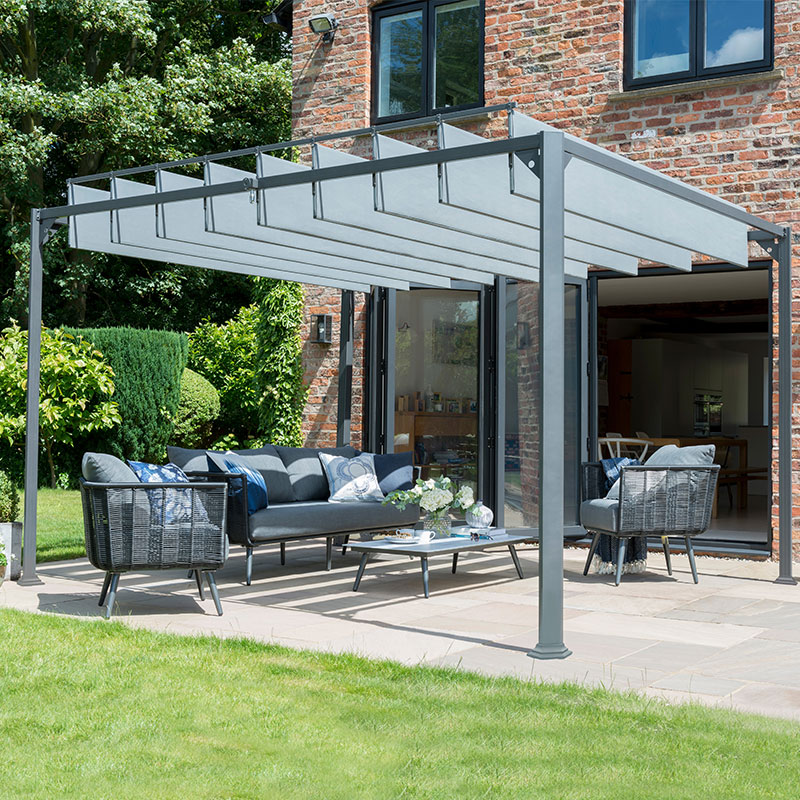
There are also hexagonal and octagonal gazebos, which tend to look softer and more decorative. These shapes can suit a garden corner or a central lawn spot where the gazebo is intended to be a feature as much as a shelter. The curved look can be helpful if you want the structure to sit more gently in the space, rather than looking too boxy. Some buyers prefer this because it feels a bit more “garden” and less like a function-only cover.
Then there are canopy-style gazebos, which are often simpler in shape and frame. They are useful when you want maximum cover with minimum fuss, though they usually do not have the same visual weight as more defined framed designs. For smaller plots, that can actually be a plus.
Frame types: what you gain, what you give up
The frame is where many of the real differences show up. In this price range, steel frames are common, and they usually bring a firmer feel and better stability than lighter alternatives. A steel frame can suit someone who wants the gazebo to stay in place for longer periods and give a more substantial look. The trade-off is that these structures can be heavier, which matters if you need to move it around the garden now and then.
Aluminium frames are less common at the lower end, but when they appear they can be handy for buyers who want a lighter structure with easier handling. They are often paired with fabric tops and side panels, giving a more relaxed garden shelter feel. The main difference is in weight and rigidity: aluminium tends to be easier to lift, while steel usually feels sturdier.
You may also come across pop-up gazebo frames with folding legs and scissor-style supports. These are all about quick use and storage, making them good for birthday gatherings, summer lunches, market-style stalls, and the odd weekend event. They are not the same as a fixed-frame gazebo, and that difference matters. A pop-up design is convenient, but a more permanent framed gazebo often feels better suited to regular use in the same spot.
Fabric, cover, and side panels: the parts buyers actually notice
On gazebos under £500, the cover material is often one of the clearest signs of how the product is intended to be used. A polyester canopy is common, and it makes sense for buyers who want a balance of cost and usefulness. It can provide shade and light shelter without pushing the price too high. In many cases, the fabric is the bit that gives the gazebo its appearance too, so colour and finish matter more than many people think.
Some designs include side panels, which are a useful difference if you want a space that feels a bit more enclosed. Side panels can help reduce draughts, add privacy, and make the gazebo feel less open from all sides. That can matter if you are placing it near neighbours, or simply want a more tucked-away seating area. A gazebo without side panels usually feels breezier and more open, which some buyers prefer for summer use.
You may also see mesh panels or zipped openings in this category. These are worth looking out for if you want a bit more separation without making the space feel closed in. A mesh panel can soften the feeling of being boxed in, while still giving a more sheltered atmosphere than a bare frame.
Gazebo styles that suit different kinds of garden use
Different styles suit different habits, and that is often the best way to shop in this price range. If your main aim is to cover a dining set, a lean-to style gazebo or a simple rectangular shelter can feel more practical, because it makes the seating area easy to arrange. If the goal is a central feature for entertaining, a more decorative shape with a peaked roof or curved outline may be a better fit.
A party gazebo style usually focuses on space and flexibility. These are often chosen for events because they can accommodate chairs, food tables, or standing guests without making the area feel cramped. By contrast, a smaller garden gazebo can be more about creating a quiet nook for a bench, bistro set, or two loungers. The size is part of the style, really, and not just a technical detail.
Some buyers want a gazebo that works as a shade shelter for day-to-day use, rather than a special-occasion structure. In that case, look for a design that is easy to open, easy to place, and not too fussy in appearance. A lot depends on whether you want the gazebo to stand out or simply do its job and blend in.
Useful differences between open, half-open, and enclosed designs
One of the biggest practical choices is how open you want the gazebo to feel. An open-sided gazebo gives the most airy, relaxed atmosphere. It is good for keeping a sense of flow across the garden, and it works well in dry weather where shade is the main need. This type usually suits people who want easy access from all sides and a less formal look.
A partially enclosed gazebo adds a bit more definition. With one, two, or three sides fitted, the structure can feel more private and a little more purposeful. This can be a good middle ground if you want shelter from one direction, maybe from a neighbouring fence line or a prevailing breeze, but do not want the whole thing boxed in.
An enclosed gazebo with multiple side panels gives the most protected feel among the common budget options. It can make a garden setup feel more like a room, which is helpful if you want a place for longer gatherings, extra privacy, or a bit more visual separation from the rest of the garden. The main difference is atmosphere: open sides feel casual and light, while enclosed versions feel more contained and defined.
What makes a budget gazebo worth buying
A gazebo under £500 can still feel worthwhile when the layout, frame, and cover all suit the way you plan to use it. Buyers often find that the best value comes from clear dimensions, a frame that looks well matched to the canopy, and side panels only where they are actually needed. If you are choosing between two similar designs, it helps to think about how the structure will sit with your existing garden furniture, not just how it looks on its own.
There is also value in a gazebo that gives flexible seasonal use. One week it might cover a barbecue, another week a children’s party table, and on quieter days it can act as a shaded sitting spot. That versatility is part of why this category works so well for budget-conscious buyers. You are not just buying a roof shape; you are buying a usable patch of outdoor cover.
Another point to consider is how the gazebo affects the feel of the whole garden. A well-sized gazebo can make a patio seem more intentional, a lawn more lived-in, and a corner more usable. That does not sound dramatic, but it matters when you are trying to get more from the space you already have.
Simple buying tips that make comparison easier
When comparing gazebos under £500, start with the intended use. If it is for occasional gatherings, a lighter pop-up option may be enough. If you want something to stay in one place and look more settled, a framed design may be the better route. It sounds obvious, but it avoids the common mistake of choosing the wrong sort of structure and then realising it is either too much or not quite enough.
Check the footprint and headroom carefully. A gazebo can look fine in a product image and still feel awkward once furniture is inside. The dimensions need to work with table width, chair movement, and the way people walk through the space. In a small garden, a model that is only a bit too wide can make the whole area feel crowded.
Think about the roof shape as well. A peaked roof can give a more classic gazebo feel and may make the structure look less flat. A flatter canopy can feel simpler and easier to fit beneath trees or low boundaries. Neither is automatically better; it depends on the space and the look you want.
If side panels are included, notice whether they are detachable or fixed. Detachable panels give more flexibility, since you can open the gazebo up when the weather is calm. Fixed panels make the structure feel more enclosed from the start. That small difference can shape how often you use it.
Where these gazebos fit best in a real garden
Budget gazebos tend to work best in places where they can be given a clear role. A patio dining zone is an obvious one, especially when the table sits under the centre of the canopy and the seating stays within the covered area. They also suit lawn edges where you want a temporary entertaining spot without committing to a permanent build. If you have a decked area, a gazebo can help frame it nicely and make it feel less exposed.
For buyers who like to host, a gazebo under £500 can create an obvious gathering point. Guests know where to sit, food can be placed under cover, and the area feels organised without much effort. For quieter use, it can work as a shaded reading corner or a place for a small bench and a couple of chairs. Not every gazebo needs to be about big events, even though that is often how they are marketed.
Choosing the right one is mostly about balance
The best gazebo in this category is usually the one that balances size, shape, frame type, and cover style without pushing you into features you do not need. A simple rectangular steel gazebo may suit one garden better than a more decorative octagonal design. A lightweight pop-up may be the better choice for someone with limited storage space, while a more structured framed option may suit a buyer who wants a steadier outdoor setting.
There is something appealing about that kind of practical choice. You are not paying for excess, and you are not settling for something flimsy either. You are choosing a shelter that fits the way your garden is used now, while leaving room for different setups later on. That makes gazebos under £500 a strong category for buyers who want useful cover, a tidy look, and a bit of flexibility without moving into a much higher spend.
[Sassy_Social_Share]