
Gazebos 300 sq ft / 30 m² - Best Deals in UK!
Showing all 4 results
-
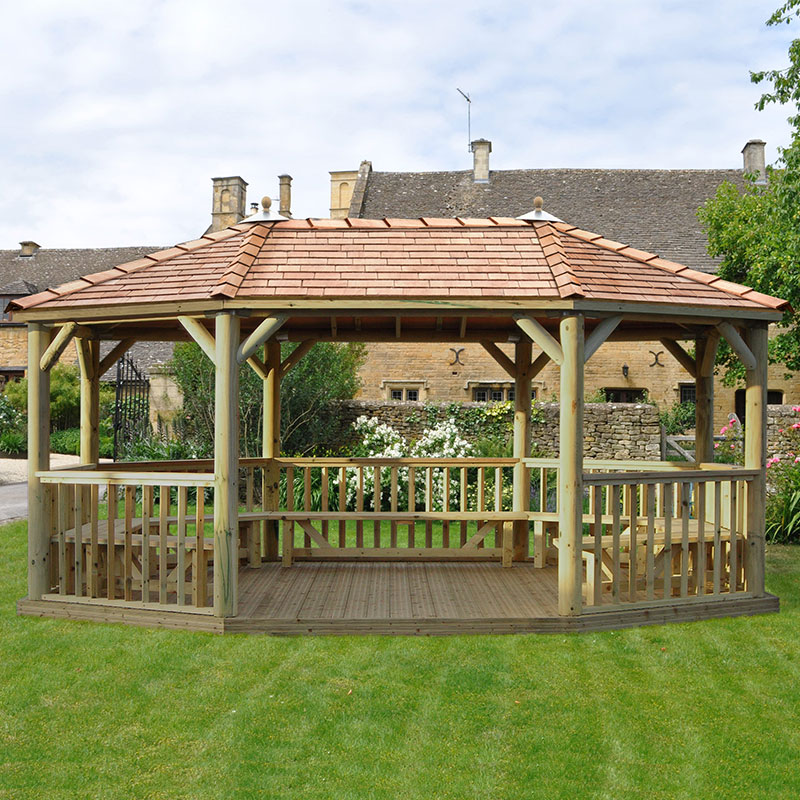
19% OFF: 20’x15′ (6×4.7m) Premium Oval Wooden Garden Gazebo with New England Cedar Roof – Seats up to 27 people £14,299.9919%

-
19% OFF: 20’x15′ (6×4.7m) Premium Oval Furnished Wooden Garden Gazebo with New England Cedar Roof – Seats up to 27 people £15,359.9919%

-
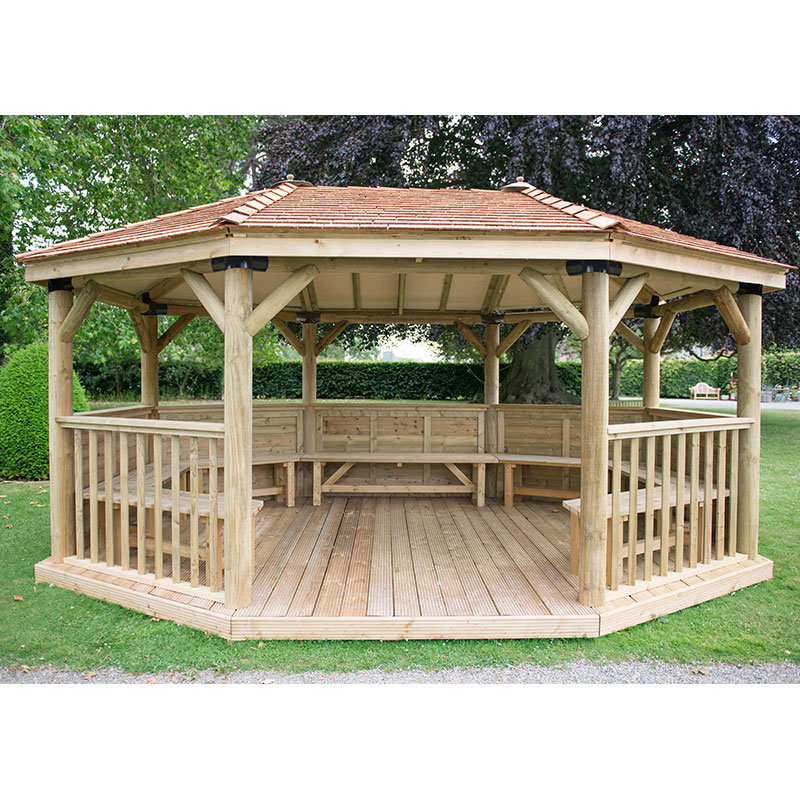
19% OFF: 20’x15′ (6×4.7m) Premium Wooden Furnished Garden Gazebo with Timber Roof – Seats up to 27 people £13,289.9919%

-
18% OFF: 20’x15′ (6×4.7m) Premium Wooden Garden Gazebo with Timber Roof – Seats up to 27 people £12,239.9918%

Gazebos 300 sq ft / 30 m² offer generous covered outdoor space for dining, shade, gatherings and quiet corners, with varied shapes, materials and layouts to suit larger gardens.
Room to Shape a Proper Outdoor Setting
A 300 sq ft / 30 m² gazebo sits in that useful middle ground where a garden shelter starts to feel like a real outdoor room. It is big enough for a full dining set, lounge seating, or a mixed arrangement with both, yet it still keeps a sense of structure that smaller canopies often miss. For buyers looking beyond a simple shade cover, this size gives you proper scope to shape how the space works, whether that means weekend lunches, evening drinks, a hot tub cover, or a quiet spot for reading when the weather turns. It is not just about cover; it is about making the garden feel more arranged and usable.
At this size, proportions matter. A gazebo around 30 m² can sit neatly over a rectangular patio, define a corner on a larger lawn, or act as a centre point in an open garden layout. The footprint gives enough breathing room for furniture to be spaced properly, so chairs are not pressed against the edge and movement feels easy. That makes a difference in everyday use, because the shelter stops feeling improvised and starts feeling like part of the garden plan.
Shapes That Change the Feel of the Space
One of the main differences in gazebos 300 sq ft / 30 m² is shape. The form you choose changes not only how it looks, but how the interior space behaves. A rectangular gazebo tends to suit dining tables, long benches and more formal seating layouts. It is the simplest shape to furnish because walls, corners and furniture often line up naturally. If your garden already has strong straight lines, a rectangular frame can sit quietly within it without fighting the space.
Bestseller der Kategorie Gazebos 300 sq ft / 30 m²

A square gazebo offers a more balanced feel and can work well for central seating arrangements. People often choose this shape when they want the shelter to function like an outdoor room with a clear middle. It feels ordered, and because the sides are equal, it can be easier to place furniture symmetrically. That said, square designs can feel more compact at the edges if you want both dining and lounging in the same shelter.
Octagonal gazebos bring a softer look. They suit gardens where the buyer wants the structure to stand as a feature rather than blend into a terrace. The angled sides create a gentler transition from inside to outside, and they often feel less rigid than a square frame. This shape can be particularly appealing if the gazebo is placed as a focal point in a lawn or planted area.
Oval or round-style gazebos, when available in this size, create a different atmosphere again. They can feel more social because seating naturally curves around the space, making conversation easier. They are not always the first choice for strict furniture layouts, but they do give a softer visual impact. The main difference is simple: straight-edged forms usually give easier furniture placement, while rounded forms create a more relaxed feel.
Frame Styles and What They Mean in Practice
Within this category, the frame style makes a real difference to how the gazebo is used. Hard-top gazebos create a more permanent feel, often giving a stronger sense of shelter and a tidier outline. Buyers often look at these when the gazebo is meant to stay in position and serve as a regular part of the garden setup. The rigid roof type usually gives a cleaner, more structured appearance.
Soft-top gazebos are different in character. They often feel lighter, more flexible and less formal. If the aim is seasonal cover or a shelter that does not visually dominate the garden, a soft-top version can suit. The look is more relaxed, though the overall impression depends on fabric quality, frame design and how the canopy is tensioned. Some buyers prefer this style because it feels less fixed in place.
Open-sided gazebos are useful when the goal is to protect the top area while keeping the sides free for airflow and access. They suit social spaces where people want easy movement in and out, or where the gazebo is mainly used as a roof over a furniture set. By contrast, gazebos with side panels offer more enclosure, which changes the mood noticeably. They can make the interior feel more sheltered and private, and in larger sizes this can be important if the gazebo is placed near neighbouring properties or along a boundary.
There are also differences in frame material. Powder-coated steel usually gives a firmer, more substantial feel, with clear lines and a practical finish. Aluminium frames are often chosen where a lighter structure is preferred. The difference is not only about weight; it affects the visual character too. Steel tends to look more robust, while aluminium can appear cleaner and more minimal. Wooden gazebos, where used in this size range, often bring a warmer, more natural presence and fit gardens with planting-heavy designs or traditional landscaping.
How 30 m² Works for Real Garden Use
The usefulness of a 300 sq ft gazebo comes through in how it handles proper furniture. This is a size where a dining table for six to eight can sit without feeling squeezed, leaving space for chairs to pull back. It also allows for a lounge arrangement, such as a sofa, two chairs and a coffee table, which would be hard to fit under a smaller shelter without crowding.
Some buyers use this category for a combined layout: dining at one end, relaxed seating at the other. That is where the extra floor area really matters. The space allows zones to be created, which means the gazebo becomes more than a single-purpose cover. It can shift from lunch spot to evening retreat without needing to be rearranged completely each time. That flexibility is one of the main reasons this size appeals to people with larger patios or gardens that are used often for guests.
There is also room for practical extras such as a serving trolley, a drinks table or storage benches, as long as the layout is thought through. In this size, a gazebo can support an outdoor lifestyle rather than just one event. It does not feel like a token shelter. It feels like a dedicated part of the garden, which is a different proposition entirely.
Open, Closed and In-Between: Privacy Levels Compared
Privacy is another area where gazebos in this category vary quite a bit. An open gazebo gives the lightest look and works well when the garden already feels private. It keeps views open and lets the structure sit lightly in the landscape. For some buyers, this is the right balance because they want cover without closing off the garden.
A partly enclosed gazebo gives more shelter and definition. Side curtains, infill panels or screen sections can create a more intimate feel without making the space closed in. This can be useful if the gazebo is positioned where wind exposure or neighbouring sightlines are a consideration. The main benefit here is not just privacy, but a more settled atmosphere.
Fully enclosed gazebos are less about openness and more about creating a protected room-like area. In a 30 m² footprint, that can feel quite purposeful. The difference between open and enclosed styles is clear: open designs keep the space airy and social, while enclosed versions shape the gazebo into a more contained setting. Neither is better in every case; it depends on how the space is expected to function.
Choosing the Right Form for the Garden Layout
Where the gazebo sits matters as much as its design. A rectangular gazebo is often easier to place against a patio edge or alongside a house wall, because its sides align naturally with built structures. That can help the whole garden feel orderly. A square gazebo often works better as a central feature, particularly when the surrounding area is open and the gazebo needs to hold its own visually.
Octagonal and rounded forms suit softer landscaping, such as lawns with curved borders, planting beds or paths that do not run in straight lines. They can break up a garden that feels too rigid. The visual difference is important. Straight forms can be sharper and more architectural; angled or curved forms tend to feel more decorative and less formal. Buyers often notice this once they think about the gazebo as part of the whole garden picture, not just an add-on.
If the space is being used for entertaining, the shape can also affect how people move around inside it. Rectangles make it easier to create clear walkways. Rounder forms can encourage people to gather more naturally, though they may take a little more planning when placing furniture. There is no single layout that suits every plot, and that is part of the appeal of this category.
Features Buyers Often Look For at This Size
In the 300 sq ft / 30 m² category, buyers usually start comparing details that change the day-to-day feel rather than just the basic footprint. Roof pitch is one of them, because it influences the overall profile and the way the structure sits in the garden. A taller roof can make the gazebo feel more open inside, while a lower profile may suit a more compact visual style.
Leg thickness and frame depth also matter. Thicker posts can make the gazebo look more anchored, which is useful in larger gardens where a slim structure might disappear. On the other hand, a lighter frame can suit minimalist spaces or patios where too much visual weight would be distracting. Buyers often notice this once the gazebo is next to existing furniture or planting, because scale becomes obvious quickly.
Another feature worth comparing is the presence of curtains, netting or side panels. These are not just decorative extras. They change how enclosed the space feels and can help the gazebo work in different weather or social settings. Some people want a clear, open frame; others prefer the option of drawing the sides in. In a structure this large, that choice can make quite a difference to how often it gets used.
Why Bigger Footprint Changes the Buying Decision
With gazebos this size, the purchase is usually about more than shade. Buyers are often looking for a structure that can act as a garden destination. The larger footprint means the gazebo can hold a more considered layout, which is useful if the garden is already established and needs a defined social area. It can also help separate functions in a multi-use outdoor space, such as dining, lounging and play.
The advantage of a 30 m² gazebo is not simply that it is bigger. It is that it gives enough room for proper use without feeling temporary. This matters if the gazebo is intended for regular weekends, family visits or seasonal gatherings where people stay seated for a while. It changes the atmosphere from something makeshift to something planned.
There is also a practical distinction between a gazebo that is merely large and one that is large enough to feel balanced. In this category, the difference often comes down to whether you can move around the furniture comfortably and whether the roof feels in proportion to the space underneath. That is why a 300 sq ft gazebo often feels more satisfying than a smaller shelter that has been stretched to do too much.
Useful Checks Before You Choose
Before buying, it helps to think through a few points that are specific to this size:
- Measure the full footprint, not just the roof area, so the gazebo suits the actual available space.
- Check furniture layout first if you plan to use the gazebo for dining or lounging.
- Decide on openness early, because open, partially enclosed and enclosed designs feel very different once installed.
- Match the shape to the garden lines: straight for patios and clear boundaries, curved for softer landscapes.
- Consider the visual weight of the frame so the structure looks in keeping with the rest of the garden.
It also helps to think about how the gazebo will be experienced from the house. In a larger garden, the structure may be seen often from inside, so shape and height can affect the whole view. A gazebo that looks good from multiple angles tends to feel like part of the landscape rather than an object placed in it.
A Category for People Who Want the Garden to Work Harder
Gazebos 300 sq ft / 30 m² suit buyers who want more than a small shelter and less than a full outbuilding. They are large enough to support proper furniture, varied layouts and a sense of place, while still keeping the garden usable around them. The differences between square, rectangular, octagonal and rounded forms matter here because the footprint is big enough for those differences to be felt clearly.
Whether the aim is an elegant dining setting, a relaxed seating area, or a more enclosed retreat, this category gives room to choose a shape and structure that actually fits the way the garden is used. That is the main appeal: the gazebo does not just sit there looking decorative, it gives the outside space a reason to be used more often and with less compromise. For many buyers, that is exactly the point.
[Sassy_Social_Share]