
Gazebos 20x15 - Best Deals in UK!
Showing all 4 results
-
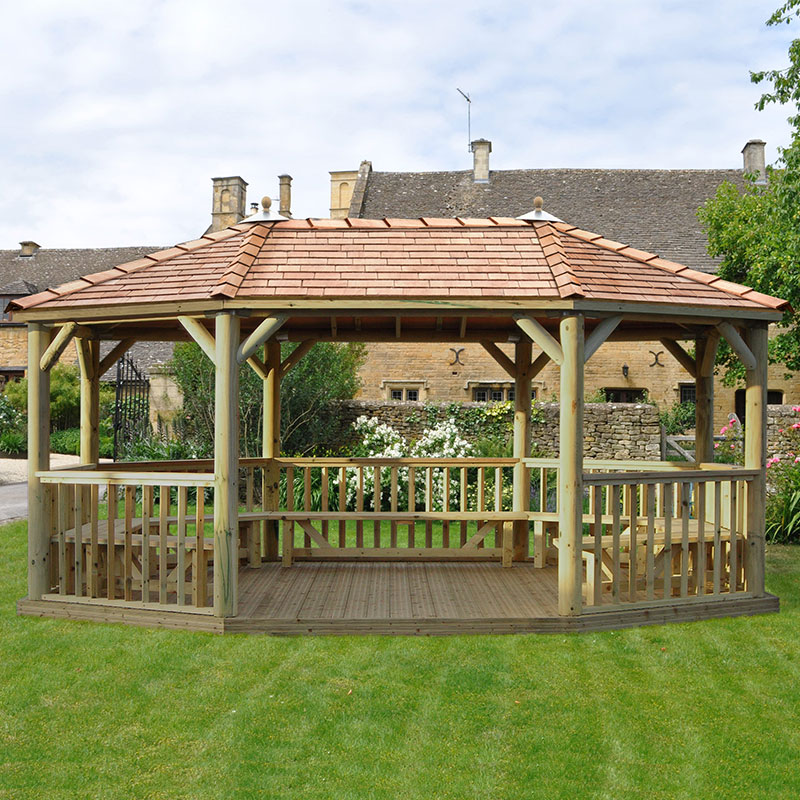
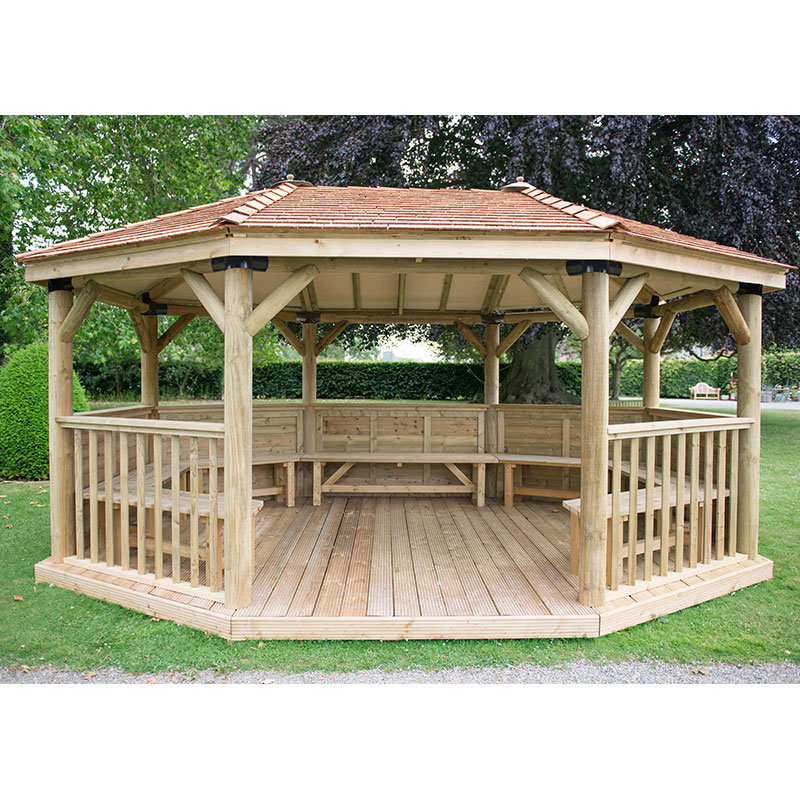
19% OFF: 20’x15′ (6×4.7m) Premium Oval Wooden Garden Gazebo with New England Cedar Roof – Seats up to 27 people £14,299.9919%

-
19% OFF: 20’x15′ (6×4.7m) Premium Oval Furnished Wooden Garden Gazebo with New England Cedar Roof – Seats up to 27 people £15,359.9919%

-
19% OFF: 20’x15′ (6×4.7m) Premium Wooden Furnished Garden Gazebo with Timber Roof – Seats up to 27 people £13,289.9919%

-
18% OFF: 20’x15′ (6×4.7m) Premium Wooden Garden Gazebo with Timber Roof – Seats up to 27 people £12,239.9918%

20×15 gazebos offer a generous outdoor footprint for dining, lounging, shade, and gatherings, with choices in frame, roof, and shape to suit different gardens and uses.
Room to Shape an Outdoor Space
A 20×15 gazebo gives you a broad, practical span that sits between a compact garden shelter and a full outdoor pavilion. The proportions matter: 20 feet in length and 15 feet in width create a layout that feels open without becoming awkwardly oversized for many larger patios, lawns, and landscaped corners. If you are looking for a structure that can define an area properly, rather than just sit there as an ornament, this size has a clear purpose.
What buyers often notice first is how a gazebo of this footprint helps organise an outdoor setting. A 20×15 gazebo can frame a dining table and chairs, a conversation set, or a mix of seating and standing room for guests. The shape gives you enough depth for movement, which is useful when you do not want people squeezed around the edges. It also allows the structure to feel balanced when placed in a garden design that has long sight lines or a rectangular patio.
There is a difference between a gazebo that simply covers an area and one that becomes part of the garden layout. In this size, that distinction becomes more obvious. The structure can act like a visual anchor, especially where you want a defined outdoor room without fully enclosing it. That makes it useful for people who want a shaded retreat, but still want the place to feel connected to the rest of the garden.
Bestseller der Kategorie Gazebos 20x15

Why the 20×15 Proportion Works So Well
One reason the 20×15 gazebo format is so popular is the shape itself. A longer rectangle gives you more flexibility than a square footprint. You can arrange furniture along one side, leave a central walking area, or split the space into zones. That can be handy when the gazebo is used for dining and relaxation at the same time. It also makes it easier to fit the structure into a garden that already has straight borders, paths, or decking.
Compared with a smaller gazebo, the 20×15 format feels less cramped once furniture is added. Compared with a very large pavilion, it is easier to place in gardens where you want presence, but not domination. The length can create a natural flow, especially if the entrance side faces a patio or terrace. It also gives the eye somewhere to travel, which can make the garden seem more structured. Small detail, but it matters.
Another practical point is how this footprint works with different roof profiles. A rectangular base often suits gable roofs, hip roofs, and even some pagoda-style tops, depending on the design. The shape can make the whole structure feel more formal or more relaxed, depending on the finish. That is one of the nice things about a 20×15 gazebo: the dimensions are specific enough to feel considered, but flexible enough for different looks.
Shapes That Change the Feel Completely
When people hear gazebo, they often picture a single style, but the category covers several forms. In a 20×15 size, the shape becomes a major part of the buying decision because the footprint is large enough to show the differences clearly.
- Rectangular gazebos are the most direct fit for a 20×15 layout. They are easier to furnish and tend to suit dining sets, benches, and mixed seating.
- Octagonal gazebos soften the geometry and create a more decorative centrepiece, though they may use the available space in a different way.
- Square-style gazebos are less common at this exact size, but can work if the design is intended to feel more symmetrical and enclosed.
- Open-sided gazebos keep the space airy and accessible, which is useful if you want a shelter that does not feel heavy.
- Partially screened gazebos introduce a stronger sense of separation, which can help when the garden gets a lot of movement around it.
The shape influences more than appearance. A rectangular 20×15 gazebo usually offers the easiest furniture layout. An octagonal design may feel more central and decorative, but sometimes gives less straightforward wall space for seating or layout planning. Open-sided versions are better if you want views through the structure, while enclosed or screened versions offer a more sheltered feel without fully turning the space into a room.
It is worth thinking about the direction the gazebo will face. With a long rectangular form, you can align the length with a garden path, a lawn edge, or a terrace boundary. That can make the structure look intentional rather than just placed somewhere convenient. A lot of buyers overlook this and regret it later, so it is worth taking a bit of time here.
Frame Materials and the Look They Bring
The frame material makes a big difference to how a 20×15 gazebo feels in use. Not only in appearance, but in the type of setting it suits. Different materials bring different visual weights and structural styles, which is important for a large gazebo that will be seen from several angles in the garden.
- Wooden gazebos give a natural, traditional look and sit well in planted gardens, country-style spaces, and areas with timber decking.
- Metal gazebos usually look cleaner and more structured, with a crisper outline that suits modern or formal layouts.
- Combination designs, where the structure uses mixed materials, can balance warmth and definition, depending on the build.
Wood often feels softer in a garden setting, especially where borders, hedging, and lawns already create a lot of texture. Metal can feel more precise and architectural, which works well if the gazebo needs to echo fencing, railings, or contemporary furniture. In a 20×15 size, the choice matters because the frame is large enough to shape the whole atmosphere of the space.
The visible thickness of posts and beams also changes the impression. A more robust frame can make the gazebo seem grounded and substantial. A lighter frame can keep the structure from overpowering the rest of the garden. That balance is often what makes the difference between a gazebo that feels useful and one that looks as if it is trying too hard.
Roof Styles That Do More Than Cover
The roof is not just a practical lid on a gazebo; it gives the structure its character. In a 20×15 gazebo, roof choice becomes especially noticeable because the span is broad enough to show the lines clearly. Different roof forms affect shade, presence, and the overall silhouette.
- Gable roofs create a clear triangular profile and are often associated with classic garden structures.
- Hip roofs produce a smoother, more compact outline and can feel visually steady from every side.
- Pagoda-inspired roofs add a layered look that draws the eye upward and gives the gazebo a more decorative finish.
- Flat or low-pitch roofs tend to feel modern and straightforward, with a practical, minimal expression.
A gable roof can make a large gazebo feel taller and more open overhead. A hip roof may feel more contained and even, which some buyers prefer when they want the structure to sit quietly in the garden. Pagoda-inspired shapes lean into ornament and give a clear focal point. Flat roofs, by contrast, can keep the design calm and less visually busy. There is no single correct option, only the one that suits the garden and the use case.
If the gazebo is going to be seen from upper windows or from a distance across the lawn, roof shape becomes even more important. The top profile can either blend into the landscape or stand out as a feature. For this reason, it helps to think about the roof as part of the overall garden composition rather than just a cover. A small bit of planning here goes a long way.
Open, Screened, or More Enclosed
Another major difference in 20×15 gazebos is how open the sides are. This has a direct effect on comfort, privacy, and the way the space gets used. Some buyers want a place that feels airy and easy to move through. Others want more definition and a stronger sense of shelter.
Open-sided gazebos are good when the aim is to keep views clear and make the structure feel part of the garden rather than separated from it. They suit social spaces, garden dining, and areas where movement in and out is frequent. Screened gazebos add a layer of boundary that can make the space feel calmer and more private. They are often chosen when the gazebo is expected to serve as a more settled seating area.
In a 20×15 footprint, this decision matters because the structure already has enough presence. If you want it to feel light, open sides help. If you want it to feel more defined, screens or partial side panels can add that sense of enclosure without closing it off completely. It is a subtle difference, but it changes the whole experience.
What Fits Inside the Space, and Why It Matters
The usefulness of a 20×15 gazebo comes through in how the interior can be arranged. This is not a size you choose for a single chair and a bit of shade. It is for people who want a real outdoor setting with room to do something specific.
- Dining layouts work well when you need space for a table, chairs, and movement around the edge.
- Lounging layouts suit sofas, armchairs, or mixed seating that encourages conversation.
- Event layouts can allow standing guests, serving areas, or extra furniture without making the space feel crowded.
- Mixed-use layouts let one end function as a dining area and the other as a relaxed seating zone.
The rectangle gives you options for organising the interior in a way that feels deliberate. For example, a long side can accommodate a bench or sofa arrangement, while the centre remains open for access. Or the width can be used to place a table without blocking the whole structure. That kind of flexibility is one of the stronger selling points of this size, especially if your outdoor use changes across the seasons or through the day.
Some buyers also like the way a 20×15 gazebo can make outdoor furniture feel less temporary. Once the structure is in place, the furniture does not seem like a random collection of pieces. It becomes part of a setting. That can make the garden feel more finished, even if the rest of the landscaping stays fairly simple.
Choosing Between Decorative and Practical Styles
There is often a split between gazebos chosen mainly for appearance and those chosen mainly for function. In reality, many people want both, but one usually leads. With a 20×15 gazebo, the size is large enough to support either approach.
A more decorative style may use ornate posts, shaped rooflines, or a more traditional profile. This suits gardens where the gazebo is intended as a feature piece. A more practical style tends to lean toward cleaner lines, simpler geometry, and an easier interior layout. This suits people who want the structure to work hard in everyday use, not just sit there looking nice on a sunny afternoon.
The good thing is that a 20×15 gazebo does not force you into one category. It can look refined and still be very usable. That is often the sweet spot buyers are after, even if they do not phrase it that way. The structure should feel like it belongs, but also like it has a job to do.
Small Buying Checks That Save a Lot of Guessing
Before choosing a gazebo in this size, a few details are worth checking carefully. These are not glamorous points, but they matter when the structure is large enough to affect the whole garden layout.
- Measure the available area properly, including clearance around the gazebo, not just the footprint itself.
- Think about doorways and access if the gazebo will be placed near a house, patio, or path.
- Match the shape to the furniture you actually plan to use, especially if you want a table inside.
- Consider sight lines from the house and garden, since a gazebo this size will be visible from several angles.
- Decide whether openness or privacy matters more, because that will guide the side design.
A common mistake is focusing only on the dimensions and not on the use. A 20×15 gazebo is generous, but it still needs the right layout to feel comfortable. Another thing people sometimes miss is how the long side will sit in the garden. If that line clashes with the existing layout, the whole structure can look slightly off. Not a disaster, but noticeable.
A Gazebo That Feels Planned, Not Added Later
The best 20×15 gazebos do not just fill space; they help define it. They give a garden a point of focus, a place to gather, and a structure that changes how the outdoor area is used. The combination of size, shape, roof style, and openness means there is room to choose something that feels right for a specific setting instead of settling for a generic shelter.
For buyers comparing styles, the differences are usually about balance. Do you want the gazebo to feel open or enclosed? Traditional or modern? Decorative or direct? Rectangular or more centred? These choices shape the experience just as much as the measurements do. And with a 20×15 footprint, those decisions become practical, not just visual.
If you are looking for a garden structure with enough scale to anchor an outdoor seating or dining area, but not so much bulk that it takes over the plot, this category gives you a strong middle ground. It is the kind of size that can make a space feel organised, usable, and a little more thought through, which is usually what people are after in the end.
[Sassy_Social_Share]