
Gazebos 13x12 - Best Deals in UK!
Showing all 4 results
-
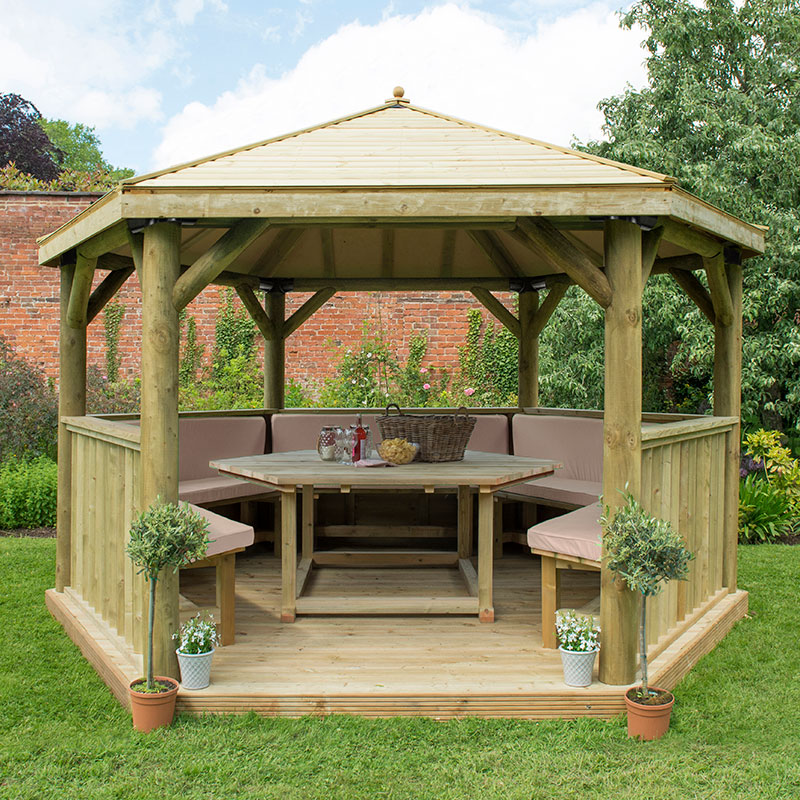
27% OFF: 13’x12′ (4×3.5m) Luxury Wooden Furnished Garden Gazebo with Traditional Timber Roof – Seats up to 15 people £8,069.9927%

-
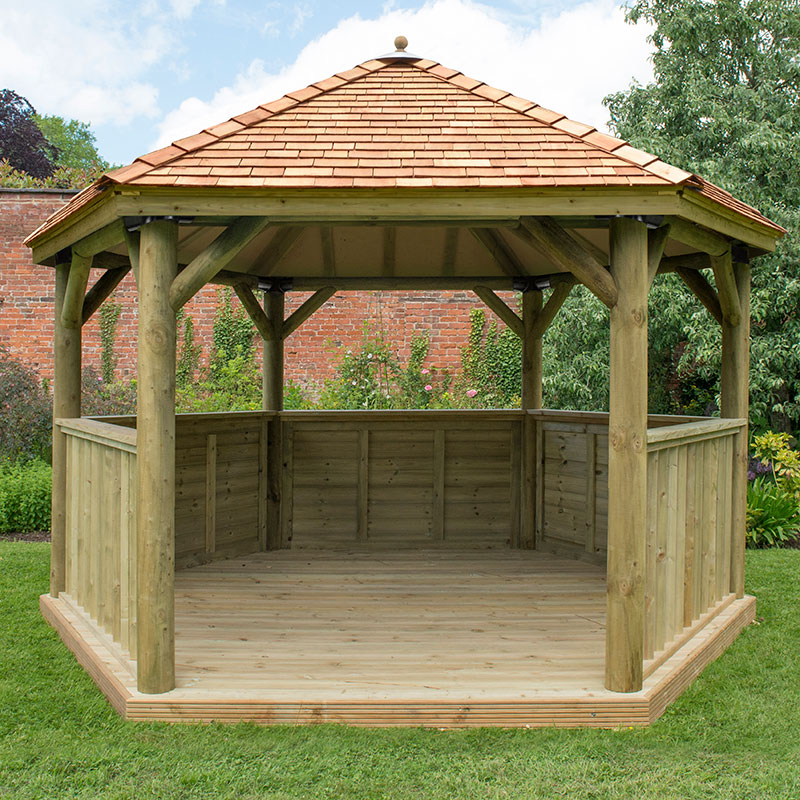
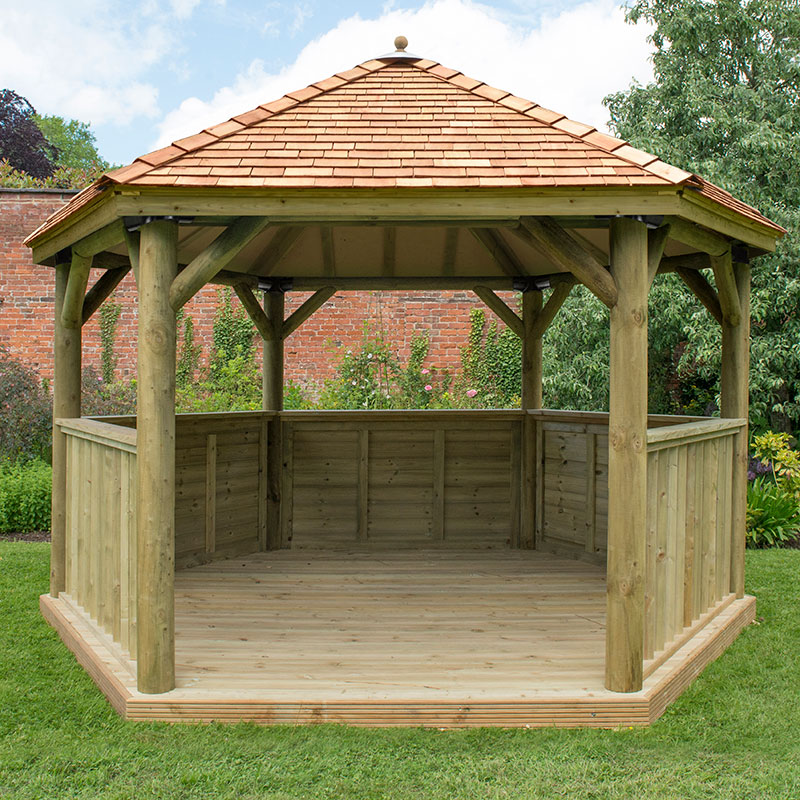
25% OFF: 13’x12′ (4×3.5m) Luxury Wooden Garden Gazebo with New England Cedar Roof – Seats up to 15 people £8,191.9925%
-
22% OFF: 13’x12′ (4×3.5m) Luxury Wooden Furnished Garden Gazebo with New England Cedar Roof – Seats up to 15 people £9,779.9922%

-
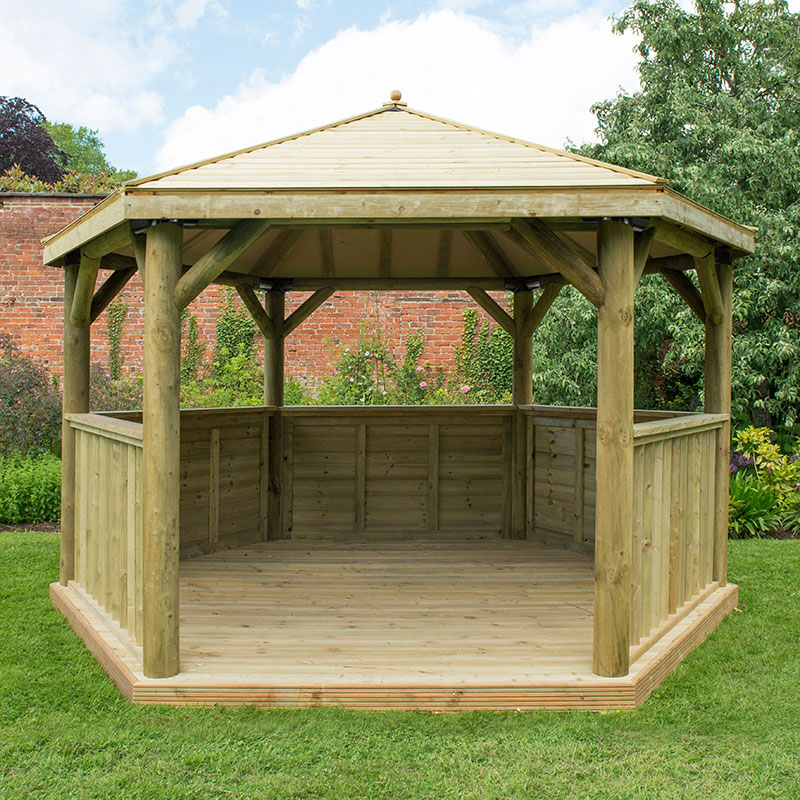
19% OFF: 13’x12′ (4×3.5m) Luxury Wooden Garden Gazebo with Timber Roof – Seats up to 15 people £6,479.9919%

13×12 gazebos give you a roomy, practical outdoor shelter for dining, lounging, and hosting, with enough space for furniture layouts, shade cover, and a tidy fit.
Why 13×12 feels like a proper outdoor room
A 13×12 gazebo sits in that useful middle ground: large enough to feel generous, but not so big that it swallows a garden. The 13 ft x 12 ft footprint gives a broadly rectangular space that works well when you want a clear seating zone, a table setting, or a mix of both. For many buyers, this size makes planning easier because it can mirror the shape of a patio, terrace, or lawn edge without awkward overhangs.
The proportions matter. A rectangular gazebo like this tends to suit longer furniture pieces better than a square frame, especially if you want to place a dining table centrally and still leave walking space around it. It can also work as a more structured focal point in the garden, rather than just a loose shade spot.
Shapes that change how the space feels
Not every 13×12 gazebo looks the same, and the frame shape changes both the style and the way you use it. The main variations are practical, not just decorative.
Bestseller der Kategorie Gazebos 13x12
- Rectangular gazebos — the most natural fit for the 13×12 size, with an easy layout for tables, sofa sets, or bench seating.
- Hardtop gazebos — often chosen for a more fixed outdoor structure feel, with a solid roof that gives a defined sheltered zone.
- Soft top gazebos — lighter in appearance and often preferred when you want a less permanent look in the garden.
- Canopy-style gazebos — useful if the main aim is shade and flexible use, especially for seasonal gatherings.
- Double-roof designs — create a more open roof profile and can help the gazebo feel less boxed-in from below.
The shape of the roof also changes the look. A flat roof can appear clean and simple, while a pitched roof brings a more traditional garden structure feel. Some buyers prefer the visual balance of a roofline with height in the centre, while others like the neat outline of a low-profile design. It really depends on how you want the gazebo to sit with the rest of the garden.
Frame styles and what they mean in practice
When comparing 13×12 gazebos, the frame material and structure are usually more important than the decorative details. This is where the differences start to matter for everyday use.
- Steel frames — give a solid, structured feel and are often chosen where the gazebo is intended to stay in one place.
- Aluminium frames — usually look a bit lighter visually and can suit buyers who want a cleaner, less heavy presence in the garden.
- Powder-coated finishes — help the frame look neat and match other garden furniture more easily.
- Decorative posts — can shift the gazebo from purely practical to something with more character, especially in a landscaped setting.
The difference between a sturdy-looking frame and a lighter frame is not just visual. A fuller frame can make the gazebo feel more anchored, while a slimmer profile may be better if you want the structure to blend in rather than dominate. In a 13×12 size, that balance is quite noticeable because the footprint is already substantial enough to command attention.
Roof options that affect light, shade, and the mood underneath
One of the most useful things about a 13×12 gazebo is how much the roof type changes the experience below. Some buyers are mainly after shelter; others are after atmosphere, and the roof design shifts both.
A solid roof creates a more enclosed outdoor room feeling, which can be good if you want a defined dining or sitting area. A vented roof gives the structure a bit more visual openness and can keep the upper section from feeling too heavy. A soft canopy roof has a more relaxed appearance and can suit casual garden settings where the gazebo is used for occasional gatherings rather than year-round styling.
There is also a difference between roofs that look sharp and geometric versus those that feel softer and more draped. The first tends to suit modern patios and simple paving, while the second often works better in mixed planting areas or gardens with a less formal layout. If you have outdoor lighting or hanging décor in mind, the inside roof shape also affects how that will sit, so it is worth thinking about the overall profile and not only the footprint.
What fits inside 13×12 without feeling cramped
The 13×12 dimension gives enough room for a few different layouts, which is part of why this size gets attention from people planning proper use rather than just a decorative cover. It is large enough for a dining set, though the exact number of seats depends on the furniture shape and how much clearance you want around it.
- Dining layout — a rectangular table often suits this footprint well, leaving a sensible route around the edges.
- Lounge layout — can work for sofa seating, armchairs, and a low table, especially if you want a relaxed social area.
- Mixed-use layout — a smaller table with side seating, leaving part of the gazebo open for movement or serving space.
- Event layout — handy when you need a sheltered zone for food, drinks, or a central gathering point.
For buyers comparing sizes, this is where the 13×12 gazebo stands apart from smaller versions. It gives more freedom with layout, but it still feels manageable in a typical garden plot. That makes it easier to use the gazebo as a main feature, rather than as an afterthought squeezed into a corner.
Rectangular by design, but not plain by nature
A rectangular gazebo can look surprisingly different depending on the detailing. The outline may be simple, but the proportions give it a tidy, balanced appearance that works with many garden styles. Compared with square designs, a 13×12 shape often feels more directional, which helps when you want to define a specific part of the garden.
This format is useful if the space needs structure. For example, it can help create a dining end and a seating end, or separate a serving area from a conversation zone. That kind of organisation is harder to achieve in smaller, more compact shelters. The shape also suits longer garden edges and patio runs, where a square gazebo could feel a bit too blocky.
Some buyers find the rectangular layout easier to furnish because it echoes indoor room planning. That sounds simple, but it matters when you are trying to avoid awkward gaps or a lopsided setup. In a 13×12 gazebo, the furniture can actually look intentional, not just placed where it happens to fit.
Different uses that make the size earn its keep
People choose 13×12 gazebos for different reasons, and the size works because it is adaptable without losing presence. It is not just for one kind of use, which is part of the appeal.
- Outdoor dining — useful when meals need a defined place with overhead cover and clear boundaries.
- Garden entertaining — provides a central meeting point that feels more put together than a loose seating arrangement.
- Shade cover — good for daytime use when you want protection from direct sun without closing off the garden.
- Seasonal shelter — works as a summer-focused structure, especially when garden space changes through the year.
- Feature space — can act as a visual anchor, giving the garden a more finished layout.
The main advantage here is flexibility. A 13×12 gazebo can support planned meals, casual drinks, or a simple shaded retreat, depending on the furniture and the way it is placed. The size gives enough breathing room so it does not feel like everyone is sat on top of each other, which is a common issue with smaller shelters.
What sets one 13×12 gazebo apart from another
At first glance, a lot of gazebos in this size may seem similar. In practice, the differences are in the details: roof style, post thickness, frame finish, side openness, and the overall height of the structure. These small changes alter how the gazebo feels when you stand inside it.
A model with open sides feels airy and social, while one with partial panels or curtains creates more of a contained nook. A more open design may suit a garden where the gazebo is mainly used in warmer conditions. A more enclosed design can feel better if the aim is to create a sheltered corner with more privacy. Neither is better in every case; it depends on the kind of use you expect.
Height is worth thinking about too. In a 13×12 gazebo, a higher roofline can make the whole structure feel more spacious, especially when there is dining furniture underneath. Lower profiles can look neat and compact, but they may feel more enclosed. That is why the same footprint can give a very different impression from one design to the next.
Buying tips that are easy to overlook
A few practical checks can make the choice of 13×12 gazebo much easier, especially when the garden space already has fixed edges or furniture plans.
- Measure the actual area you have, not just the open lawn, because borders, paving edges, and access paths matter.
- Think about furniture first, since the gazebo should match the layout you want underneath it.
- Check the roof silhouette against nearby trees, fences, or house lines, as the visual fit matters as much as the size.
- Consider open versus enclosed sides, depending on whether the gazebo is mainly for dining, gathering, or simply shade.
- Look at the frame profile, because chunky posts and slim posts can give completely different impressions.
- Match the shape to the space; a rectangular gazebo usually sits more naturally on a long patio or patio-and-lawn run.
It is also worth checking that the overall look suits the garden rather than competing with it. A gazebo that is too visually heavy can make the space feel smaller, while one that is too light may not give the grounded feel buyers are after. In this size, that balance is part of the decision, not a minor detail.
Why this size often makes the decision easier
The appeal of 13×12 gazebos is that they offer enough scale to feel useful, but they still allow careful planning. You are not trying to fill a vast structure, and you are not struggling with a shelter that is too small for a proper setup. That middle position is what makes the category attractive to so many different buyers.
There is also a nice difference between a gazebo that merely covers a spot and one that actually shapes how the garden is used. With this footprint, the structure can become part of the daily rhythm of the outdoor space: breakfast outside, a table for guests, a shaded seat in the afternoon, or a defined place for a weekend gathering. It feels like a proper addition, not just an extra.
If you are comparing forms, materials, and roof lines, focus on how the gazebo will sit in relation to the rest of the garden. The right 13×12 gazebo does not just provide cover; it helps organise the space around it and makes the garden feel more deliberate. That is a quiet advantage, but a useful one.
[Sassy_Social_Share]