
Gazebos 12x10 - Best Deals in UK!
Showing all 6 results
-
26% OFF: 12’x10′ (3.6×3.1m) Luxury Wooden Garden Gazebo with New England Cedar Roof – Seats up to 10 people £7,049.9926%

-
22% OFF: 12’x10′ (3.6×3.1m) Luxury Wooden Furnished Garden Gazebo with New England Cedar Roof – Seats up to 10 people £8,399.9922%

-
20% OFF: 12’x10′ (3.6×3.1m) Luxury Wooden Garden Gazebo with Traditional Timber Roof – Seats up to 10 people £5,949.9920%

-
19% OFF: 12’x10′ (3.6×3.1m) Luxury Wooden Furnished Garden Gazebo with Traditional Timber Roof – Seats up to 10 people £7,289.9919%

-
12% OFF: 12′ x 10′ Garden Must Haves Pandora Leaf Adjustable Garden Gazebo (3.6m x 3m) £544.9912%

-
12% OFF: 12′ x 10′ Garden Must Haves Runcton Grey Polycarbonate Garden Gazebo (3.6m x 3m) £729.9912%

12×10 gazebos offer a practical covered space for dining, lounging, and hosting outdoors, with room for a table, chairs, or a daybed. Compare hardtop and soft-top styles, frame types, and layouts to find a fit for your garden.
A 12×10 footprint that actually works in the garden
A 12×10 gazebo sits in that useful middle ground where the footprint feels generous without taking over the whole plot. The 12 x 10 size gives you a clear rectangular area, which is handy if you want a proper outdoor room rather than just a shelter for the odd chair. It suits a long dining set, a couple of sofas arranged across the shorter side, or a mix of seating and a drinks table without everything feeling squeezed. Because the shape is rectangular, it often lines up neatly with patios, decking edges, and boundary walls, which makes positioning less of a puzzle.
For buyers comparing sizes, the 12×10 format tends to feel more versatile than a square gazebo of a similar area. The longer side helps with zoning, so one end can be set up for dining while the other works for relaxing. That small difference in layout often matters more than people expect. If your garden already has a clear rectangle of paving or decking, a 12×10 gazebo can look less forced and more like it belongs there.
Hardtop, soft-top, and the difference you can feel
One of the main choices in this category is between a hardtop gazebo and a soft-top gazebo. A hardtop usually means a rigid roof structure, commonly chosen for a more permanent feel. It creates a more solid presence in the garden and is often selected where the gazebo is meant to stay put and become part of the outdoor setup. In contrast, a soft-top version uses a fabric roof, which gives a lighter look and a different atmosphere altogether.
Bestseller der Kategorie Gazebos 12x10
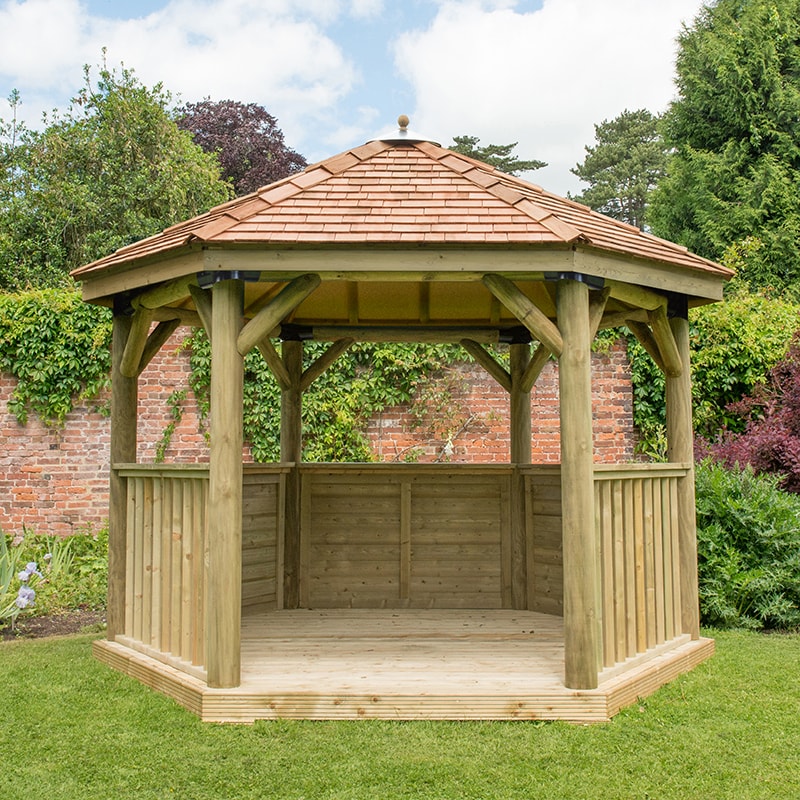
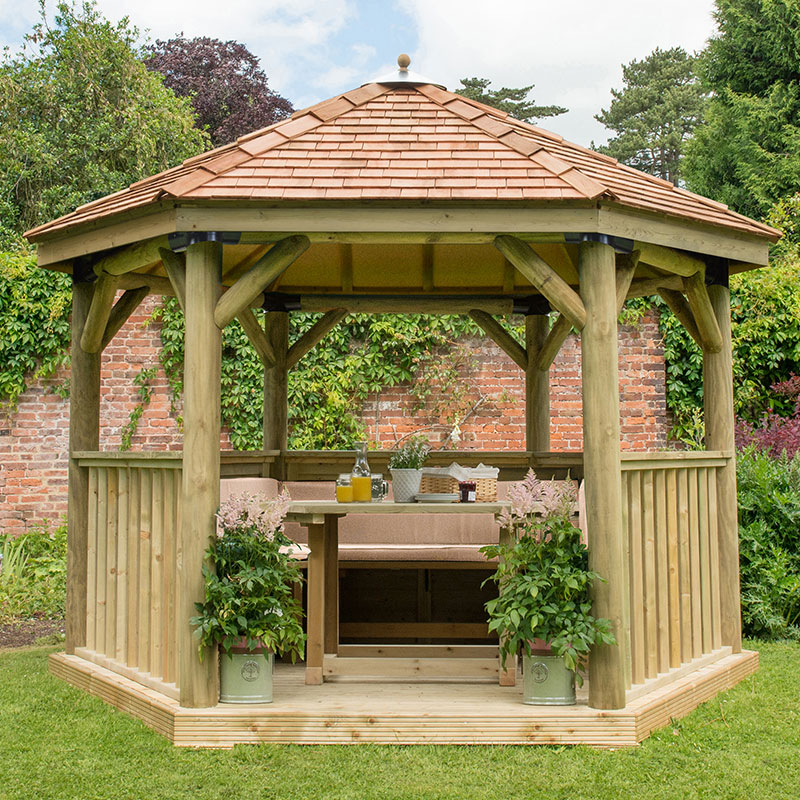
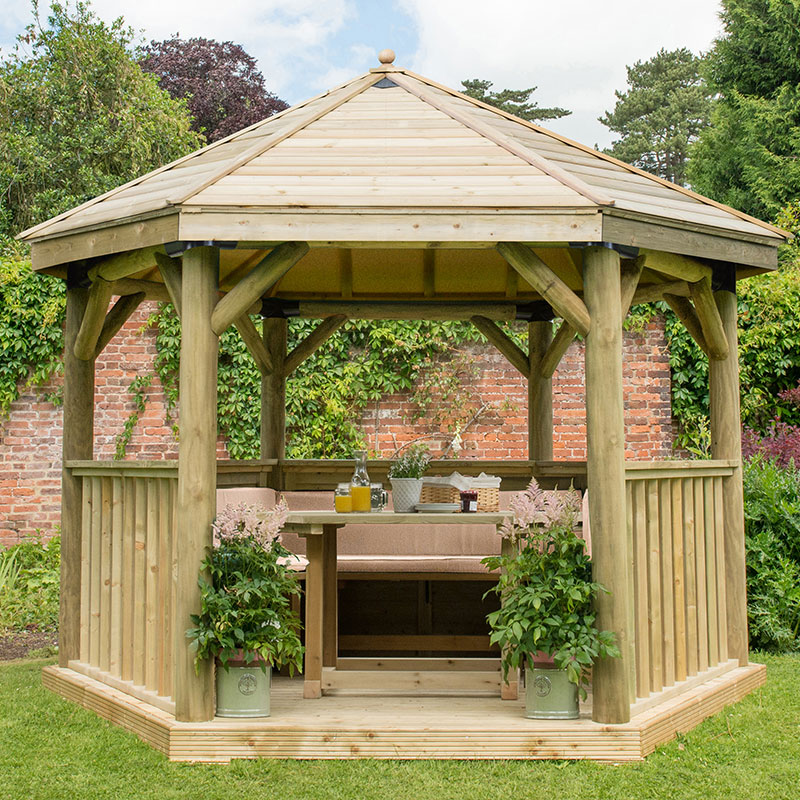
The difference is not just visual. A hardtop 12×10 gazebo can feel more defined and architectural, while a soft-top 12×10 gazebo often reads as more relaxed and flexible. If the rest of your garden furniture is already fairly sturdy and structured, a hardtop can tie in nicely. If you prefer something with a breezier feel, soft-top styles tend to fit that mood better. Neither is automatically better; it depends on whether you want the gazebo to act more like a feature or more like an occasional cover.
Shapes within the same size: rectangular, double-roof, and corner-friendly styles
Even within the 12×10 gazebo category, there are different shapes and roof profiles to think about. The most obvious is the rectangular gazebo, which uses the 12×10 footprint in a straightforward way and usually offers the easiest furniture planning. Then there are designs with a double-roof look, where the roof profile gives extra visual depth and a bit more character from the side. These can suit gardens where you want the gazebo to be seen as a feature, not just a cover.
Some buyers also look at models with a slightly more open frame or a corner-friendly layout, especially when the gazebo is being placed against a wall or on the edge of a terrace. The rectangular footprint helps here because it can be tucked into a defined zone without awkward gaps. If you are measuring for a patio, it is worth checking not only the base size but also the roof overhang, as that can change the way the gazebo sits in the space. A few centimetres can matter, annoyingly enough.
Why the 12×10 size suits dining, lounging, and mixed use
The strength of a 12×10 gazebo is how easily it handles different uses. It is large enough for a proper outdoor dining area, which makes it a popular choice for people who like to eat outside without feeling on display in the open garden. The longer shape is particularly useful for a dining table plus chairs, as the layout can be kept neat and centred. If you prefer a lounge-style arrangement, the same footprint can take a pair of sofas, a coffee table, and still leave a sensible walkway.
What makes this size especially useful is that it supports zoned furniture placement. One end can be set up with a table and chairs, the other with a pair of armchairs or a bench. That means the gazebo can work for family meals, evening drinks, or a bit of quiet reading, depending on the day. It is not too small to feel cramped, and not so large that it demands a huge garden. That balance is a big part of the appeal.
Frame materials and what they change in practice
When looking at gazebos 12×10, the frame material makes a real difference to how the product feels and how it fits into your garden design. Metal frame gazebos tend to give a cleaner, more modern line, while timber-look styles can soften the visual effect and sit more comfortably in a planted setting. Aluminium frames are often chosen where a lighter but structured feel is preferred, and steel-framed designs are usually picked for a firmer, more substantial look.
The frame also affects how the gazebo interacts with the rest of the space. A slimmer frame can feel less heavy in a smaller garden, while a chunkier frame can anchor a larger patio. This matters if you are trying to match existing furniture, fencing, or pergola features. For some buyers, the look of the legs and corner supports is almost as important as the roof, because those vertical lines are what you see every day. If you want the gazebo to blend in, frame colour matters too: black, grey, and neutral finishes are easy to pair with most garden schemes.
Open sides, curtains, and screened-in feels
Another useful difference in this category is how enclosed the gazebo feels. Some 12×10 gazebos are more open-sided, giving a lighter, airier effect and making the space feel less boxed in. Others include side curtains or side panels, which can create a more private corner and help define the area as a distinct outdoor room. This is especially appealing if the gazebo is close to neighbouring fences or overlooks, where a bit of visual separation is handy.
Open-sided styles suit those who want an easy transition between lawn, patio, and seating area. More screened-in designs tend to feel better if the gazebo is being used for longer sitting periods, or when you want a bit more shelter from breezes from the side. The choice often comes down to how you picture the space being used: open and social, or contained and a touch more private. Both can work well, but they create a very different mood.
Good-looking shelter without overcomplicating the layout
A 12×10 gazebo is appealing because it can add structure to a garden without needing a full redesign. The rectangular shape gives a clear focal point, and that can help a patio feel intentional instead of just being a slab with furniture on it. In a larger garden, it can act as a destination space. In a smaller one, it can turn a plain terrace into something that feels more considered.
It also helps buyers who want a covered area for summer dining, evening seating, or weekend get-togethers without moving to a permanent extension. The gazebo creates a boundary, but not a wall. That balance is a big part of the buying decision. You get the sense of a separate outdoor room, while still keeping the open-garden feel that people often want. Not every outdoor cover manages that; some are too enclosed, some are too bare. This size often hits a nice middle.
Things to measure before you fall in love with the first one
Before choosing a gazebo 12×10, the shape of your available space matters just as much as the size itself. A rectangle of 12 x 10 can sound simple on paper, but in a real garden there are fences, planters, steps, paths, and awkward corners to work around. It is worth checking the base area you have available, then allowing for a little breathing room around the sides. That extra margin makes the gazebo feel less crammed against everything else.
Also think about what sits inside it. A dining table set for six needs a different layout from two loungers and a side table. If you already own furniture, measure that first and then compare it with the gazebo space, rather than the other way round. This avoids that slightly painful moment when the gazebo fits but the chairs don’t quite. A small sketch on paper, old-fashioned as it sounds, can save a lot of guesswork.
Useful buying points that matter once it is in the basket
When comparing 12×10 gazebos for sale, it helps to look closely at the details that shape the day-to-day experience:
- Roof style — hardtop for a more fixed feel, soft-top for a lighter look
- Frame profile — slim for less visual bulk, heavier for a stronger visual anchor
- Side design — open for airflow and visibility, curtained for more privacy
- Footprint shape — the rectangular 12×10 layout is easier for long tables and seating zones
- Finish colour — darker tones tend to recede, lighter ones can stand out more in the garden
- Placement fit — ideal for patios, decking, and long garden spaces where a straight edge is available
Where a 12×10 gazebo makes the biggest visual difference
In a garden with a broad patio, a 12×10 gazebo can make the whole outdoor area feel more finished. It gives the patio a ceiling of sorts, which changes how the space is read from the house and from the garden itself. The structure can also frame furniture in a way that makes even simple seating feel more deliberate. Instead of a loose arrangement of chairs and a table, the space starts to feel like a proper outdoor zone.
That visual effect is one reason why buyers are often drawn to the category in the first place. It is not only about cover. It is about giving a practical area some shape. A well-placed gazebo can make a dining area seem separate from the rest of the garden without blocking the view. If you like the idea of an outdoor room that still feels open, this size and format is a strong candidate.
Different looks, same useful footprint
There is a surprising amount of variation in gazebos 12×10, even though the size sounds fixed. Some lean more traditional, with a softer roof line and a gentler profile. Others have a sharper, more contemporary structure and look better alongside modern garden furniture. A few are designed to feel more like a garden pavilion, while others keep things simple and understated. That variety matters because the gazebo often becomes one of the biggest visible items in the garden.
If you want it to blend into planting, look for a tone and frame style that does not compete with the borders. If you want it to stand out, a clearer architectural frame can do that. The best choice depends on how much of a statement you want the structure to make. For some people, the goal is to have the gazebo quietly do its job. For others, it is part of the garden’s look. Both approaches are fair enough.
Why buyers keep coming back to this category
The 12×10 gazebo category keeps attracting attention because it offers a usable amount of cover without pushing into oversized territory. It gives enough room to enjoy the garden properly, but it still feels manageable to plan around. The rectangular layout is practical, the different roof types allow for different looks, and the range of frame finishes means it can suit a more classic or modern setting. That combination of use and style is what makes it such a sensible choice.
For buyers who want to make the garden feel more organised, a gazebo in this size can be an easy win. It gives your seating a home, supports outdoor dining, and creates a sheltered spot that feels inviting without being fussy. If you have been comparing hardtop, soft-top, open-sided, and curtained gazebos, the 12×10 size is worth a close look because it offers a lot of flexibility in a footprint that still feels realistic for most gardens.
Small details that help it feel like the right one
Sometimes the decision comes down to the details people notice after the big questions are settled. The height of the roof can affect how open the gazebo feels. The depth of the frame can change how much space is available inside. The way the corners are braced can alter the overall look more than expected. And the finish, while it may seem secondary, often ends up deciding whether the gazebo feels like part of the garden or like a separate object dropped in for the summer.
That is why gazebos 12×10 are worth comparing carefully. They are similar in size, but not in feel. Some suit relaxed dining. Some suit a more formal seating arrangement. Some are better when privacy matters. Others are better when you want openness and light. Once you match the shape, roof, and frame to the way you plan to use the space, the choice becomes much easier and, frankly, a lot more satisfying.
[Sassy_Social_Share]