
Gazebos 10x9 - Best Deals in UK!
Showing all 4 results
-
25% OFF: 10’x9′ (3×2.7m) Luxury Wooden Garden Gazebo with New England Cedar Roof – Seats up to 10 people £6,279.9925%

-
22% OFF: 10’x9′ (3×2.7m) Luxury Wooden Furnished Garden Gazebo with New England Cedar Roof – Seats up to 10 people £7,379.9922%

-
19% OFF: 10’x9′ (3×2.7m) Luxury Wooden Garden Gazebo with Timber Roof – Seats up to 10 people £5,259.9919%

-
19% OFF: 10’x9′ (3×2.7m) Luxury Wooden Furnished Garden Gazebo with Traditional Timber Roof – Seats up to 10 people £6,349.9919%

10×9 gazebos give you a practical outdoor cover with enough room for a dining set, a corner sofa, or a proper gathering spot, while keeping the footprint neat for patios and gardens.
Why a 10×9 gazebo feels just right
A 10×9 gazebo sits in that useful middle ground: not too large to overwhelm a patio, not so compact that everyone ends up squeezed together. The 10 x 9 footprint works well when you want a defined outdoor zone without taking over the whole garden. That shape is handy for rectangular spaces, narrow terraces, and areas beside a lawn where you want shelter but still need room to move around the edges.
Because the proportions are slightly longer than they are wide, a 10×9 gazebo often suits layouts where the seating runs along one side rather than sitting in a square block. That makes it easier to place a table, two benches, or a lounge set with a bit of breathing space. It also gives you more options for aligning the gazebo with a wall, deck edge, fence line, or garden path.
A shape that works with the way you use the garden
One of the nice things about this size is how naturally it fits different garden plans. A 10×9 gazebo can feel cosy for a couple of chairs and a drinks table, yet still manage a small dining area when guests turn up. It can also be a neat cover for a hot tub surround, an outdoor kitchen corner, or a shaded spot for a long table on summer evenings.
Bestseller der Kategorie Gazebos 10x9
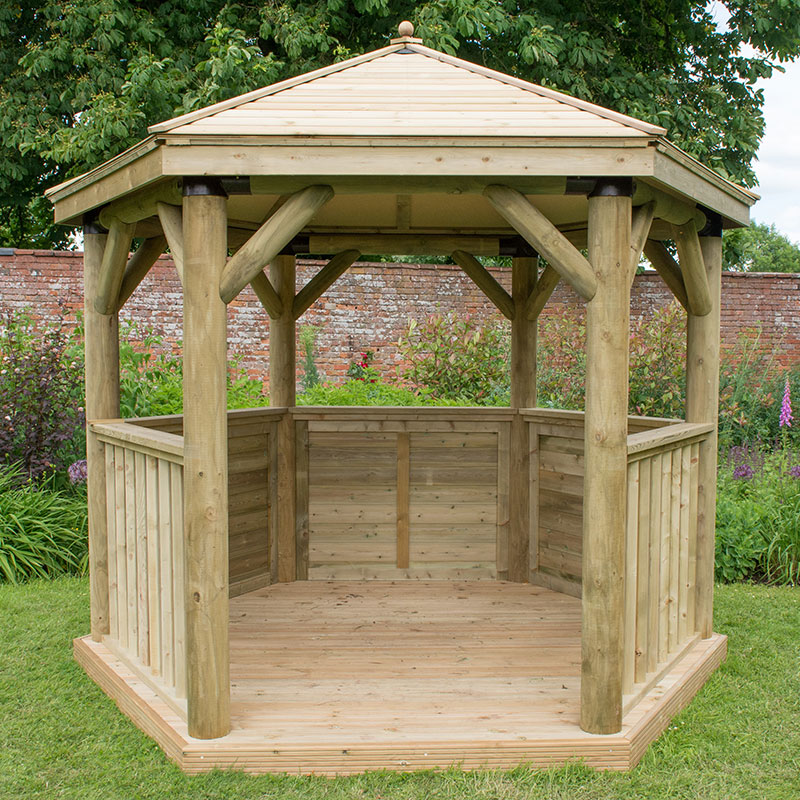
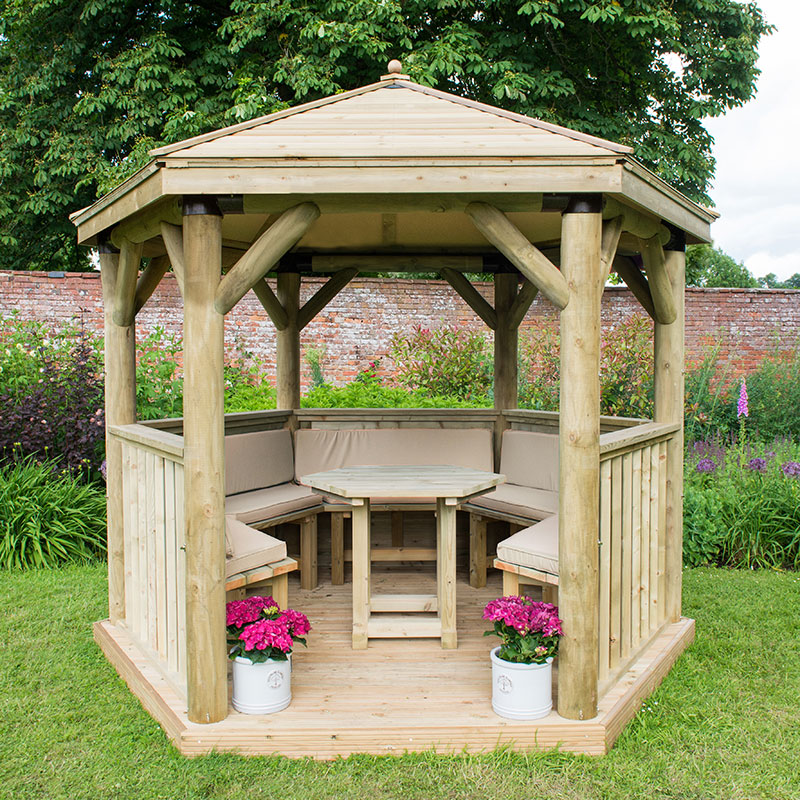
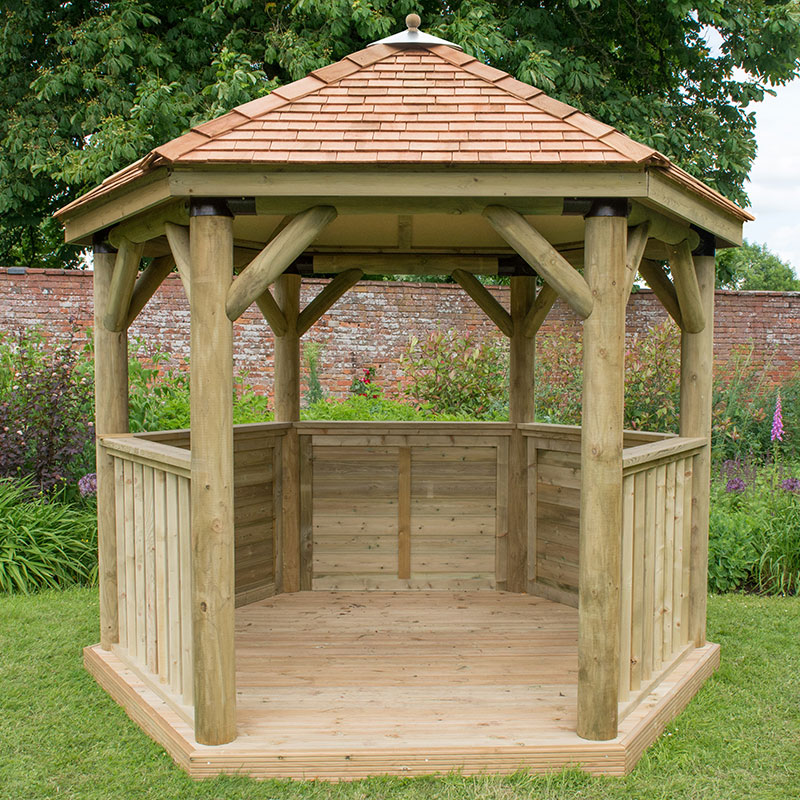
The extra length is useful if you want to organise the space into zones. For example, one side can hold seating while the other stays open for standing room, serving trays, or a small fire-safe setup. That sort of layout makes the gazebo feel more flexible than a simple square shelter. And yes, that little bit of extra length really does matter when people start shifting chairs about.
Hard top, soft top, or something in between
When people look at 10×9 gazebos, they often compare the roof style first. A hardtop gazebo usually brings a firmer, more structured look, with panels that give a steady overhead cover. This suits outdoor dining areas, semi-permanent setups, and spaces where you want the gazebo to feel like part of the garden rather than a temporary add-on.
A soft top gazebo has a different character. It tends to look lighter and more relaxed, and it can suit casual summer use really well. The canopy style often feels less formal, which is handy if the gazebo is mainly there for shade, socialising, or occasional weekend use. The trade-off is a different visual presence: soft tops can look more airy, while hard tops look more defined and structured.
There are also hybrid designs in the 10×9 range, where a solid frame is paired with a more flexible roof element or layered cover. These are useful if you want a balance between a sturdy frame and a softer overall feel. The main point is simple: the roof style changes the mood of the whole space, not just the weather cover.
The frame tells you a lot about the gazebo
The frame material is one of the clearest differences between gazebo types. Aluminium gazebos are often chosen for their clean lines and lighter feel. They can suit modern patios, contemporary gardens, and spaces where you want the structure to look neat rather than bulky. In a 10×9 size, aluminium frames often keep the design visually tidy.
Steel gazebos usually feel more solid in appearance, with a stronger presence in the garden. That can be a good match for a gazebo you want to use often, especially if the design includes side panels, curtains, or a more enclosed feel. A steel frame can give the gazebo a grounded look that suits a dining space or a sheltered seating area.
Wooden gazebos bring a different tone again. They often sit well in gardens that already use timber fencing, decking, or furniture, because the material feels familiar and natural. A wooden 10×9 gazebo can look especially good when you want the structure to blend into planting rather than stand out sharply. The finish matters here too, since timber can look rustic, clean-cut, or somewhere in between depending on the design.
Open sides, screened panels, and enclosed comfort
Another big difference between gazebo styles is how open the sides are. Some 10×9 gazebos are built with a fully open feel, making them ideal for easy access and a relaxed summer setting. These work well if you want shelter above without making the space feel closed in. They also suit gatherings where people come and go rather than staying fixed in one place.
Screened gazebos add a practical layer by giving some separation from insects and wind movement. In a 10×9 format, this can make a big difference to how usable the space feels later in the day. Screened sides help create a clearer boundary without making the gazebo feel heavy or boxed in.
Gazebos with curtains or side panels offer a more changeable setup. You can leave them open for a brighter, breezier feel, or close them for a bit more privacy and cover. That flexibility is one of the reasons buyers look at this size for garden lounging. It gives you a shelter that can feel open one moment and more private the next.
Which roof shape suits a 10×9 setup?
The roof shape changes both the look and the feel of the gazebo. A hip roof gazebo often looks balanced and traditional, with sloping sides that suit many garden layouts. It can work well if you want the structure to feel settled and familiar, especially near dining furniture.
Double roof designs can give a more layered profile, which not only changes the appearance but also creates a more architectural look. In a 10×9 gazebo, this kind of roof detail can make the structure feel more finished without needing a huge footprint.
Flat roof styles usually feel more contemporary. They work nicely in modern gardens where straight lines and simple forms are already part of the design. If your patio furniture has a clean, minimal look, a flat roof gazebo can tie in well without stealing attention from the rest of the setting.
Each roof style has its own character. The right one depends on whether you want the gazebo to blend quietly, make a statement, or sit somewhere in the middle. That sounds obvious, but in real gardens it’s often the roof that decides whether the whole thing feels right.
Different uses call for different setups
A 10×9 gazebo is useful because it can do several jobs without needing a huge plot. As a dining gazebo, it can frame a table and chairs in a way that feels more permanent than carrying furniture out into the open each time. As a lounging gazebo, it gives you a sheltered corner for sofas, armchairs, or a mixed seating arrangement.
Some buyers look for a garden entertaining gazebo, where the goal is simply to make a gathering feel more defined. In that case, the 10×9 size is enough to create atmosphere without becoming the main event. It can also suit a BBQ shelter area, although placement matters if you are setting up any heat source nearby.
For households that like to use the garden in a few different ways, this size has a nice bit of versatility. It can shift from daytime shade spot to evening hosting area without making the garden feel cluttered. That is one of the main reasons this size keeps showing up in outdoor searches.
The difference between a gazebo and a simple canopy
People sometimes compare 10×9 gazebos with basic canopies or open shelters, but the difference is easy to spot once you look at the frame and roof. A gazebo usually feels more like a defined structure, with a stronger sense of shape and purpose. A canopy can be lighter and more temporary, but a gazebo often gives a more grounded outdoor room effect.
The 10×9 format helps with that feeling because the footprint creates a recognisable zone. You are not just putting a cover in the garden; you are making a place. That matters if you want the outdoor area to feel organised rather than improvised. It also helps when you want furniture to sit inside the shelter without awkward overhangs or wasted corners.
Things buyers often compare before choosing
There are a few details people keep checking when they compare 10×9 gazebos:
- Frame material – aluminium, steel, or wood changes the look and the overall feel.
- Roof type – hard top, soft top, or layered design affects the style and purpose.
- Side options – open sides, mesh screens, or curtains give different levels of privacy and shelter.
- Shape – rectangular, slightly tapered, or more square-looking versions fit different garden layouts.
- Intended use – dining, lounging, shade, or social space can all point towards a different type.
- Visual style – contemporary, classic, or more natural finishes can change how it sits with the rest of the garden.
These differences may seem small on a product page, but in the garden they can make the gazebo feel either well placed or a bit off. A good fit is often about proportion as much as about looks.
How the 10×9 size helps with furniture planning
Because the size is not overly large, you can plan the furniture in a fairly sensible way. A 10×9 gazebo can hold a compact dining set, a small sofa arrangement, or a mix of seating and side tables. The rectangular shape is helpful here because it lets you place items in a line instead of forcing everything into a square.
If you like a more open layout, you can keep the centre clear and use the edges for seating. If you prefer a more enclosed feel, the table can sit centrally with chairs around it. A 10×9 footprint gives enough room to experiment a bit, which is useful if your garden plans change with the season or the number of people using the space.
That flexibility is part of the appeal. You are not committing to one fixed use forever. You are giving yourself a covered space that can be re-set depending on whether it’s a quiet morning coffee, a family meal, or a few friends staying late.
Little details that make a big difference
In this category, small design details really do affect how the gazebo feels to use. Integrated hooks, tie-back points, panel fastenings, and the way the frame is proportioned can all shape the experience. They may not sound exciting at first glance, but they decide whether the gazebo feels easy to live with or a bit clunky.
Think too about how the edges and openings are arranged. A 10×9 gazebo with wide access points will feel very different from one with more enclosed sides. The same goes for leg placement: if the support structure sits neatly at the corners, you get a cleaner usable space inside. If not, furniture placement can feel a bit awkward, which is not ideal when you’re trying to make the most of the area.
Choosing between modern and classic looks
Some 10×9 gazebos lean modern, with slim frames, crisp lines, and darker finishes. These suit contemporary patios and garden furniture with a more streamlined look. Other designs feel classic, with softer roof shapes, timber details, or fabric elements that make the gazebo feel more traditional.
The choice is not only about style preference. It also affects how the gazebo blends with the rest of the outdoor space. A modern structure can sharpen up a garden with lots of soft planting. A classic one can soften a space that already has hard landscaping and straight edges. That balance is often what makes the category so useful for buyers who want something that looks considered rather than just placed.
Practical reasons people keep coming back to this size
There is a fairly simple reason why the 10×9 gazebo format stays popular: it gives you enough cover to matter, without demanding a huge garden. It can sit comfortably on a patio, deck, or hardstanding area and still leave space around it for movement, planting, or storage of outdoor bits and bobs.
It also makes sense when you want a shelter that feels more personal than a large event-style structure. A 10×9 gazebo can be just right for an everyday garden, where the aim is to create a useful spot rather than a venue. For many buyers, that is the sweet spot. Not too much. Not too little. Just enough structure to change how the garden gets used.
A few useful pointers before you pick one
If you are comparing products in this category, it helps to picture the exact job the gazebo needs to do. A 10×9 hardtop gazebo might suit a more fixed dining zone, while a soft top gazebo may be better if you want something lighter in appearance. If privacy matters, choose side panels or screens. If openness matters more, keep the design airy.
Also think about the shape of the space it will sit in. The rectangular format of a 10×9 gazebo is useful when you want to make good use of a longer patio or a garden corner that does not quite suit a square shelter. The right choice is usually the one that makes the garden feel easier to use, not the one that tries hardest to be clever.
When a gazebo fits the space properly, it tends to invite people in without making the garden feel crowded. That is the real draw of this category: a shelter that looks neat, serves a purpose, and leaves room for the rest of the outdoor space to do its job too.
[Sassy_Social_Share]