
Gates with Dome Roof - Best Deals in UK!
Showing all 2 results


Gates with dome roof bring a softer line to boundary design, blending practical access with a curved top that changes the whole look of a garden entrance, side passage, or driveway opening.
A shape that changes the first impression
A dome roof gate is easy to spot because the top does not end in a straight line. Instead, the upper edge rises into a curve, either gently rounded or more pronounced, giving the gate a more settled, framed feel. That small change in shape does quite a lot visually. A straight-top gate can look firm and exact, while a domed top feels a bit more tailored and considered, especially when it sits between matching fencing or on brick piers. For buyers comparing entrance styles, this shape often suits gardens that aim for a neat but less rigid look.
The dome can be subtle, where the curve is just enough to soften the outline, or fuller, where the arch is the clear feature. In either case, the profile helps the gate stand out without needing extra decoration. This is one reason why domed garden gates are often chosen for entrances where the gate itself is meant to be seen, not hidden away.
Different dome profiles, different effects
Not every gate with a dome roof looks the same, and the curve you choose changes both the style and the way the gate sits within the opening. A gentle dome keeps most of the gate height level before lifting slightly in the middle. This works well when the aim is to keep views open and the gate line calm. A full dome creates a more obvious rise, often making the centre point feel special and giving a stronger decorative cue.
Bestseller der Kategorie Gates with Dome Roof
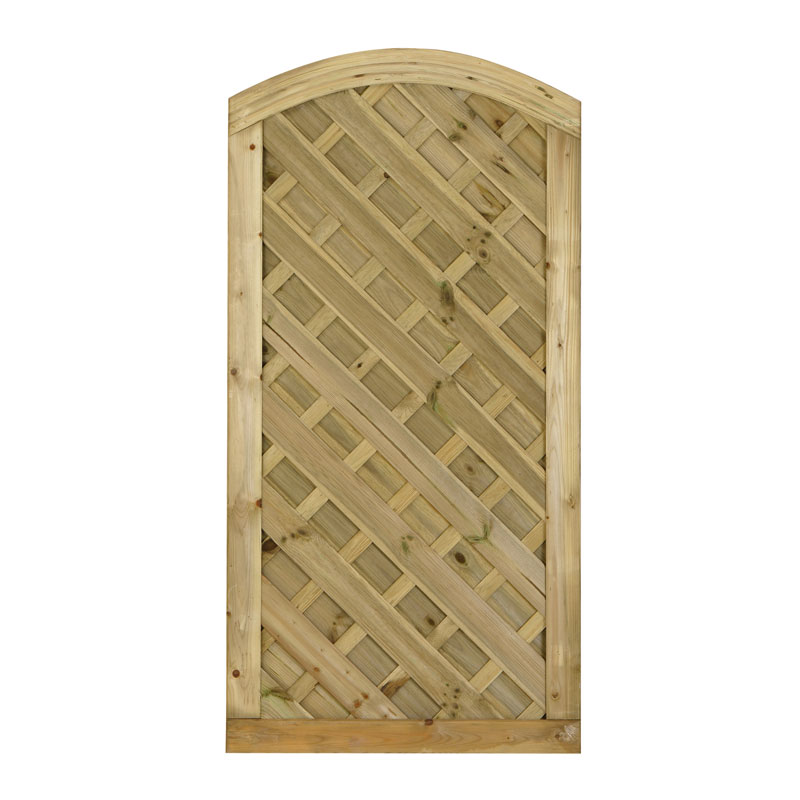
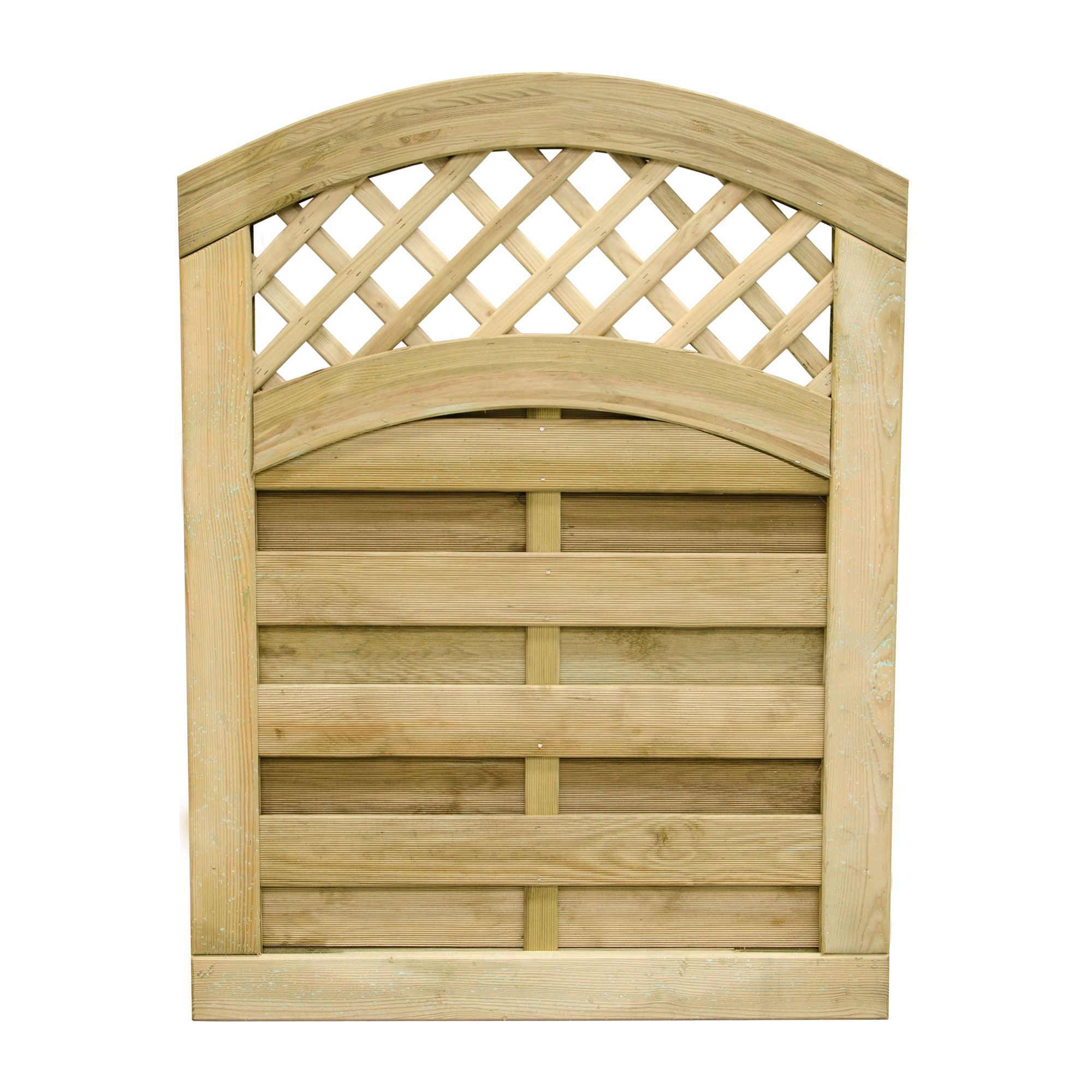
There are also gates with a segmental arch, where the top curve is flatter and less pointed, and half-round dome forms, where the curve reads more like a clear arch. The difference matters because it affects how the gate relates to nearby walls, posts, and fence panels. A flatter profile can feel more understated and practical, while a deeper curve brings more visual presence. Some buyers prefer a design that mirrors the shape of a garden path arch or a pergola line, so the gate feels part of the wider layout rather than a separate item.
Materials that suit the curved top
When shopping for a gate with dome roof, the material choice is just as important as the profile. Timber gates can look warm and natural with a curved top, especially in cottage-style or planted gardens. The dome softens the hard edges of the boards, which can make the entrance feel less severe. Timber also allows for more traditional forms such as vertical pales, closeboard construction, or framed panels beneath the arch.
Metal gates, including wrought iron style or steel-framed designs, tend to show the dome shape more sharply. The curve can be repeated in scrolls, vertical bars, or simple clean lines, depending on the gate’s overall design. Metal suits buyers who want a neater outline and a slimmer visual profile. It can also work well where there is not much depth for a bulky gate, because the arch draws the eye without needing extra width.
For some gardens, a combination gate approach is used, where timber infill and a metal frame create a contrast between texture and structure. The dome top then becomes part of the balance between solid and open sections. This can be a useful option if you want the entrance to feel secure but not closed off.
Open bars, solid panels, and everything in between
One of the key differences in this category is how much you can see through the gate. A solid dome gate gives more privacy and can suit side returns, rear gardens, or entrances where you want a clear visual barrier. The arch softens the top line, but the body of the gate still does the job of screening the space. This is a good choice if the gate connects to a more enclosed garden and the buyer wants the opening to feel complete.
Open-bar dome gates offer a lighter feel. Vertical bars, framed slats, or spaced pales let more light through and keep the entrance from looking heavy. These are often chosen for front gardens or paths where visibility matters. The dome shape adds some character, but the overall look stays airy. It can also help a smaller space feel less boxed in, which matters if the opening sits near planting, low walls, or compact paving.
Some designs sit between the two, using partial screening or mixed-height infill. That middle ground can be handy for homeowners who want a gate that feels personal but not fully closed. It is worth looking closely at how much of the gate is open, because that changes the mood of the whole entrance more than people sometimes expect.
Styles that match the way gardens are built
Dome roof gates are not tied to one look. They can suit a range of garden settings, from more classic properties to newer homes with simple lines. A traditional domed gate often uses pointed pales, curved braces, or decorative bar work, which can sit nicely against stonework or mature planting. A plain contemporary dome gate usually keeps the curve clean and the details minimal, which helps the shape do the talking without relying on ornament.
If the garden has an older boundary wall, a domed top can echo the softness of aged brick or natural stone. In a newer setting, it can break up the straight lines of fencing, paving, and rendered walls. This is one of the quieter strengths of the category: it is decorative, but not in a way that needs lots of extra features. The dome gives shape, and the shape is often enough.
Why the curved top works so well at entrances
There are a few practical reasons buyers are drawn to this type of gate, and they go beyond looks. A dome roof can make a gate feel more defined, because the curve creates a centre point that helps the entrance read as a proper threshold. That can be useful on garden paths or narrow side access points where the entry needs a bit of presence without taking up more space.
The raised middle also gives a sense of height without making the whole gate look blocky. If the surrounding fence line is fairly low, a domed gate can add vertical interest and give the entrance a more finished look. This is especially handy where the rest of the boundary is simple and the gate is the part that brings in a bit of character.
Another benefit is the way the curve can soften the transition between outside and inside. A straight gate can feel abrupt. A domed one can feel a touch more inviting, even when it is still clearly doing its job as a boundary piece. That matters to buyers who want their garden entrance to look planned rather than purely functional.
Where dome roof gates tend to fit best
These gates are especially effective in places where the top line is visible from the street or path. Front garden entrances are a natural fit, because the arch is seen straight away and can work with planting, brick piers, or boundary walls. They also suit side access gates, where a slim, curved profile can lift an otherwise plain corridor-like space.
In rear gardens, a dome roof gate can be a nice fit when it marks the route into a private area such as a kitchen garden, patio zone, or lawn boundary. The curved top gives that entrance a bit of identity. It is not only for formal designs either. Even casual gardens can benefit from the shape, especially if the rest of the boundary is made up of straight boards or standard panels.
For buyers with sloping ground or uneven openings, the dome can also be useful visually because it helps the gate appear more balanced. A curve often looks less severe against changes in level than a hard horizontal line does. That does not solve all fitting issues, of course, but it can make the finished result feel more deliberate.
How dome gates differ from flat-top and arched designs
It helps to compare this category with the nearby options. A flat-top gate gives the cleanest, most direct outline. It is straightforward and often suits modern fencing, but it can feel more rigid. A full arched gate has a stronger rise, which creates a more decorative statement but may not suit every boundary height or opening width. A dome roof gate sits between the two.
That middle position is part of the appeal. It offers shape without making the entrance overly ornate. Buyers who want a little curve, but not a deep arch, often settle on the dome because it keeps the gate practical and visually calm. It can also be easier to coordinate with standard fence heights, since the curve does not need to dominate the opening.
The distinction matters if you are matching an existing run of fencing. A flat top may look too sharp beside planted borders, while a deep arch may feel too formal. The dome tends to bridge that gap rather neatly. It is a middle-of-the-road choice in the best sense, though still with enough character to avoid looking plain.
Details that shape the finished look
The overall effect of a dome roof gate is not just about the curve. Small design details change the outcome quite a lot. Framed edges give the gate structure and can help the dome read more clearly. Braced corners add a sturdier look, especially in timber designs. Vertical boards or bars make the arch feel taller, while horizontal detailing can make the curve appear softer and broader.
Decorative tops, such as small finials or shaped cut lines, may be present on some styles, though many buyers prefer the dome to remain the main feature. In that case, cleaner detailing is usually better. The gate should look complete, not crowded. This is where the balance between practical use and visual interest becomes important.
Colour also changes the effect. Natural timber finishes keep the dome warm and informal. Dark metal tones tend to make the shape crisper and more defined. Painted finishes can sit somewhere in the middle, helping the gate match doors, frames, or boundary features nearby. Even a simple change in finish can shift the gate from rustic to smart, so it is worth thinking about how much of the curve you want people to notice.
Buying for width, height, and the real opening
One common mistake is focusing only on the gate style and not the actual opening size. With a dome roof gate, the curve adds visual height, but the usable dimensions still need to fit the entrance properly. Measure the opening carefully between posts or walls, and check whether the gate is meant to sit within the gap or overlap slightly. The top curve does not change the need for a proper fit at the sides.
Think too about the clearance above the gate line. A fuller dome may look balanced on paper but feel awkward if the surrounding structure is low or tight. A gentler curve can be the better choice when the opening is compact. If the gate is part of a matching pair, consider whether the dome is centred equally on both leaves or whether one leaf carries the curve more noticeably. That little detail can affect the overall symmetry.
Buyers often look at the style first and the measurements second, but with gates this order should probably be reversed. The best-looking dome gate is still not much use if it sits oddly in the space. A good fit makes the shape feel intentional, and that is part of what gives the category its appeal.
Hardware and fixing points that support the curve
The dome shape may be decorative, but the gate still depends on proper hardware and fixing points. Hinges, latches, and frame connections need to suit the gate’s size and weight. This is especially true for wider gates or heavier timber versions, where the curved top is only part of the structure. A gate that looks elegant at the top but is mismatched at the fixings will not give the same impression once installed.
Look for the way the frame carries the dome. On many gates, the curved top is set into a rectangular body, which helps keep the structure stable. On others, the whole outline follows the arch. The first type may feel more grounded, while the second feels more integrated and decorative. Neither is right for every setting, but the difference is worth noting before buying.
If the gate will be used often, it makes sense to think about the opening action as much as the shape. A dome gate should feel easy to pass through, not just pleasant to look at. Buyers often say they want character, but what they really mean is a gate that works smoothly and still looks part of the garden. That is a fair target, and this category does that well when chosen carefully.
Tips for choosing the right domed gate
- Match the curve to the boundary – a gentle dome suits low walls and simple fencing, while a deeper arch works better where the entrance needs more presence.
- Decide how open you want it – open bars feel lighter, solid panels give more screening, and mixed designs sit somewhere between.
- Check the surrounding height – a dome can look lovely, but it should not feel squeezed by posts, lintels, or low overhead spaces.
- Think about the garden style – timber often feels softer and more relaxed, while metal reads as slimmer and more defined.
- Keep the line of sight in mind – if the gate faces the street, the dome will be seen often, so the profile matters more than you might think.
- Look at how the gate pairs with fencing – the best result usually comes when the gate echoes the boundary rather than fighting it.
A gate that adds shape without fuss
Gates with dome roof designs are a strong option for buyers who want an entrance that feels considered but not overdone. The curved top gives a softer profile, the different sub-styles offer room to choose between privacy and openness, and the overall effect can suit many garden settings. Whether the goal is to finish a front path, improve a side entrance, or make a rear boundary feel more complete, the dome shape brings a clear identity to the space.
What makes this category useful is the balance it offers. It is decorative enough to stand out, but familiar enough to work in practical everyday gardens. The shape is doing real work here, not just adding a flourish. For anyone comparing options and wanting a gate that looks like it belongs, dome roof gates are worth a proper look. The curve may be simple, but it can change how the whole entrance feels, and that is often what buyers notice first.
[Sassy_Social_Share]