
Gates under £400 - Best Deals in UK!
Showing all 6 results
-
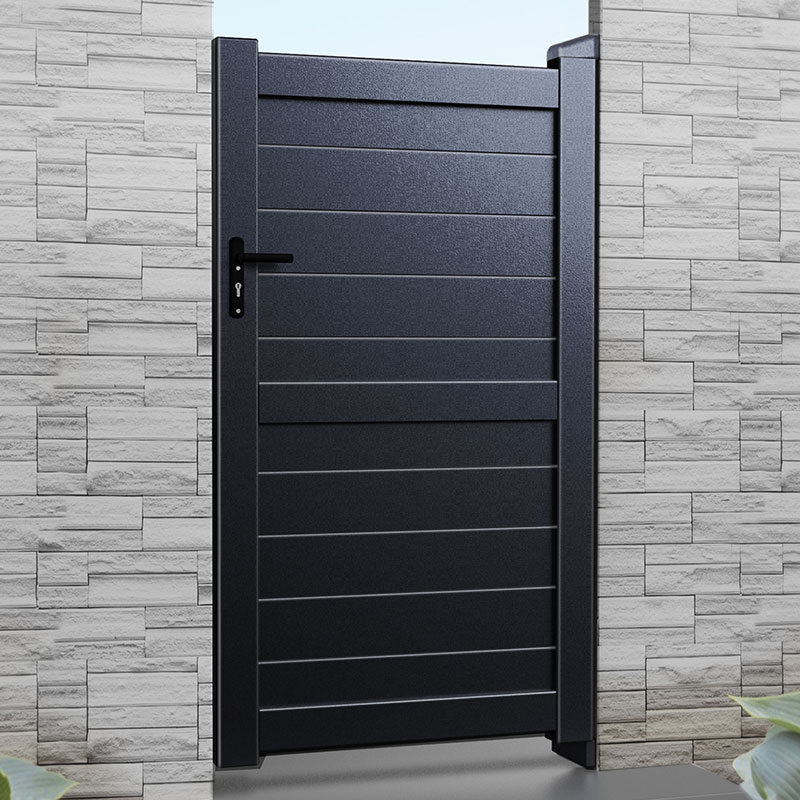
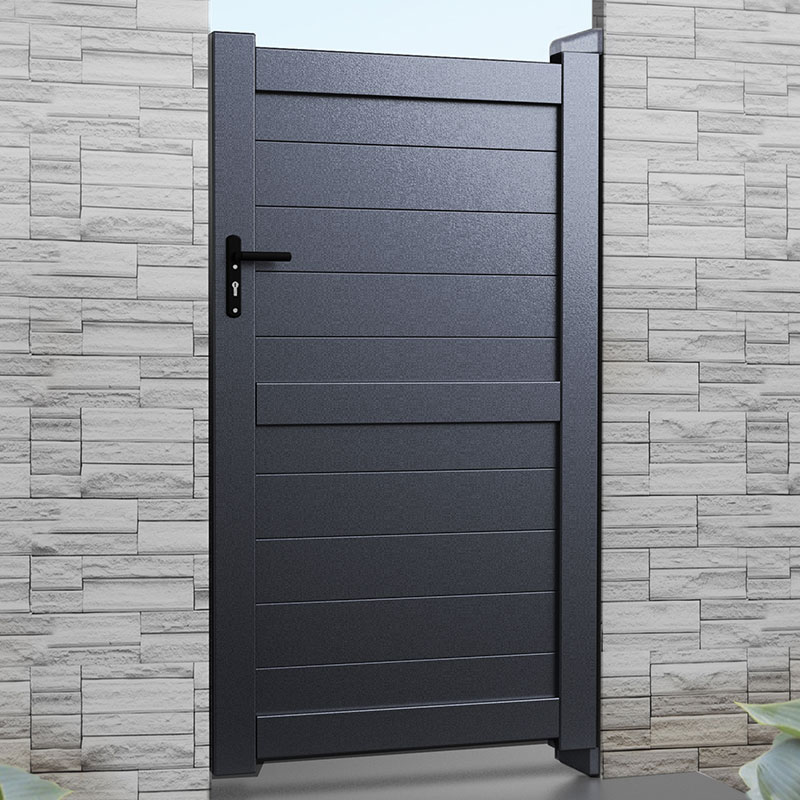
26% OFF: Barnstaple Premium Metal Side Gate – Black £311.9926%

-
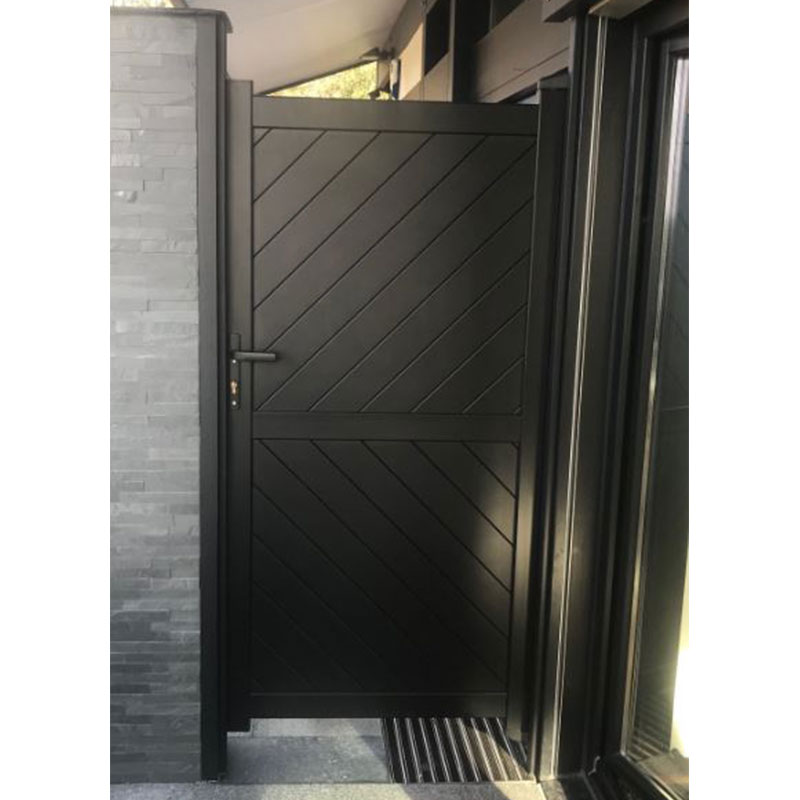
26% OFF: Exeter Premium Metal Side Gate – Black £311.9926%

-
26% OFF: Devon Premium Metal Side Gate – Black £311.9926%

-
26% OFF: Barnstaple Premium Metal Side Gate – Grey £311.9926%

-
25% OFF: Devon Premium Metal Side Gate – Grey £314.9925%

-
25% OFF: Exeter Premium Metal Side Gate – Grey £314.9925%

Gates under £400 bring together practical security, neat boundary definition and a more polished look for gardens, driveways and side entrances, without pushing the project into a higher budget bracket.
Why this price band gets attention
Choosing a gate under £400 is often about finding the balance between appearance, function and cost. In this bracket, there is still plenty of choice in timber, steel and aluminium, along with different styles that suit modern plots, traditional homes and compact access points. For many buyers, the key appeal is that a gate can make a frontage feel finished, while still leaving room in the budget for posts, fixings or matching fence panels. That makes this range especially useful when the opening needs a proper gate, but the spend has to stay under control.
Styles that suit different kinds of entrance
Within gates under £400, the style choice usually matters just as much as the material. A single pedestrian gate suits side paths, bin access and garden walkways where space is tight. A wider driveway gate changes the look of the whole front boundary and can create a clearer line between public and private space. Then there are arched, framed, slatted and solid designs, each bringing a different feel. Slatted gates tend to look lighter and less closed off, while solid panels offer a stronger visual barrier. Arched tops soften the look and work well where the home has a more classic character. Straight-top gates feel more structured and are often chosen for a sharper, contemporary edge.
Timber, metal or a mix of both?
One of the most useful differences in this category is the material. Timber gates often appeal because they feel warm, natural and easy to match with fences, sleepers or planting. They can suit country-style gardens, cottage fronts and more relaxed back-garden access points. Steel gates usually look firmer and more defined, which can suit entrances where security and a cleaner outline matter. Aluminium gates are often chosen for a lighter appearance and a crisp finish, especially in more modern schemes. Some buyers prefer mixed-material gates, where a metal frame supports timber infill, giving a more stable feel and a visual contrast that stands out without looking overly fussy.
Bestseller der Kategorie Gates under £400
Solid, open or somewhere in between
The amount of opening in the design changes both the look and the way the gate feels from the street. A solid gate creates a stronger boundary and can make an entrance look more private and enclosed. That works well when the aim is to screen a side return, garden walkway or utility access. By contrast, open or semi-open gates allow a bit of visibility through the slats or bars, which can stop the front of the house feeling boxed in. Semi-open styles are often a good middle ground if you want security and a sense of separation, but not a heavy visual block. This difference is easy to overlook, yet it changes the whole character of the frontage.
What looks good, and what works best
Some gates under £400 are chosen mainly for looks, while others are picked because they solve a specific access need. A panelled timber gate can give a softer, homely impression, especially when paired with natural stone, brick or planting. A metal gate with straight lines feels more precise and can be better suited to newer homes or sharper boundary layouts. For a narrow gap, a simple rectangular gate usually feels the most sensible. For a wider opening, a design with stronger framing helps prevent the gate from seeming flimsy. The trick is to match the shape of the gate to the space, rather than forcing the space to fit the gate.
Different opening types and why they matter
The opening style is another point that often affects the buying decision. Single-leaf gates are the most straightforward and are useful where access is constant but not wide. Double gates, sometimes called pair gates, can be better for driveways or larger entrances where a wider opening is needed. They can also give a more balanced look when the boundary is broad. Some buyers prefer a single gate with a side panel, while others want the flexibility of two leaves that meet in the middle. The difference is not only practical; it also changes the rhythm of the entrance. A pair of gates can look more formal, while one simple gate often feels more casual and direct.
Good value features to look for
Even in a more modest budget band, certain details can make a gate feel far more considered. A sturdy frame is important because it helps the gate keep its shape and gives a more solid impression when opened and closed. Reinforced corners, neat joins and a consistent finish all make a difference to how the gate looks on day one and how convincing it feels at the boundary. Buyers often also notice the profile of the bars or slats: wider slats create a bolder, more closed appearance, while slimmer ones can look lighter and less severe. These small design choices are often what separate an ordinary gate from one that feels genuinely well judged.
When a pedestrian gate is the right answer
Not every opening needs a full driveway solution. In many gardens, a pedestrian gate under £400 is the most sensible option, especially for side access, rear paths, or the route between house and bin storage. The advantage is that it can provide a clear boundary without taking up much room. A narrower gate can also be less imposing visually, which helps when the entrance sits close to planting or a small front garden. For homes where space is limited, this smaller format can be the cleanest choice, and it often feels more in proportion than a larger gate that dominates the wall or fence line.
Driveway gates with a budget in mind
In the under £400 bracket, driveway gates tend to be more restrained in material or detailing than premium options, but that does not mean they are plain. A straightforward framed design can still make the front of a property feel more ordered and intentional. Buyers often compare single wide gates with double-leaf designs to see which suits the opening better. Single wide gates can be simpler in appearance, while double gates can spread the visual weight and feel more balanced across a broad entrance. The main thing is to avoid a gate that looks too heavy for the setting, or too narrow for the space it is meant to define.
Security without making the place look shut away
Many shoppers want a gate that suggests security without creating a harsh, defensive look. That is where barred gates, slatted gates and mixed-opacity designs can be useful. A barred style gives more visibility and can make an entrance feel monitored, but still open enough for a front garden. A more enclosed design is often better if the aim is to keep the boundary feeling private. The subtle difference between these styles can shape how the property is read from the road. A gate can imply control and care without shouting about it, which is part of the appeal of this category.
Design details that quietly change the feel
Small design details matter a lot here. A straight top gives a clean, practical look. An arched top adds a softer line and can echo older architectural features. Vertical slats give height and a sense of order, while horizontal slats create a more contemporary impression and can make the gate feel wider than it is. Decorative finials, lattice sections and framed panels also shift the mood, but the choice should still feel tied to the house rather than just added for effect. The best-looking gates in this price range usually do one thing well, instead of trying to be a bit of everything.
Things buyers often compare before ordering
When people are browsing gates under £400, they tend to compare a few key points: width, height, style, material and visual privacy. A gate that is too open may not give enough screening, while one that is too solid can look heavy in a small front garden. Width matters because a gate that feels cramped can be awkward to use, and one that is too large can overwhelm the boundary. Height also changes the look more than many expect; even a modest increase can make the gate feel more secure and more enclosing. Buyers often benefit from pausing on the proportions, not just the finish, because proportion is what makes the entrance feel right.
Where each shape tends to fit best
Different shapes suit different placements. A tall narrow gate works well for side access, especially where privacy matters and the path is straight. A low, broad gate can be useful for drive entrances or decorative front boundaries where the goal is to guide movement rather than block it. Rectangular frames are usually the easiest to place against fencing and masonry, while curved tops often suit softer landscaping or older homes. If the boundary line already has a strong rhythm, such as repeating fence panels, a gate with a similar shape tends to sit more naturally. If the space is plain, the gate can become the feature that gives it a bit of character.
Why this range suits practical upgrades
There is a good reason buyers return to this category when they want a straightforward improvement. A gate under £400 can refresh a boundary without turning the whole project into a major spend. That makes it suitable for replacing an old, mismatched gate, finishing a new fence run or adding access where there was none before. It also gives enough room to choose between neat, minimal designs and more characterful options, so the end result does not have to feel compromise-heavy. For people who want a clear upgrade that still leaves breathing room in the budget, this is often the part of the range that makes most sense.
Useful buying tips for a better fit
It helps to think about how the gate will sit in real life, not just how it looks in a product photo. Check the opening style against the space available, because a gate that swings the wrong way or feels awkward to open will soon annoy. Match the material to the surrounding boundary so the gate feels intentional, not pasted on. If the property has a lot of hard materials already, a timber gate can soften the look. If the setting is already quite busy, a simple metal design may keep things calmer. Also consider whether you want the gate to stand out as a feature or blend in as part of the boundary. That choice changes the whole shopping process, really.
The small differences that help a choice feel right
Some gates are almost the same on paper, but the small differences are what make one feel more suitable than another. A slightly thicker frame can give a more secure impression. A lighter slat pattern can stop the entrance from looking closed off. A darker finish may help the gate recede into brick or hedge lines, while a natural timber tone can bring warmth to a front path. Buyers often notice these things only when they compare a few options side by side, but they matter because the gate is one of the first things people see. It should feel like part of the property, not just an add-on.
A category built for real homes, not just ideal photos
Gates under £400 are popular because they answer a real need: a boundary that looks sorted, works properly and stays within a budget that many households can live with. This category covers a lot of ground, from modest side gates to broader entrance pieces, from quiet timber looks to sharper metal outlines. The main attraction is choice without excess. You can pick a gate that feels secure, fits the opening, suits the home and does not force the rest of the project into a more expensive bracket. For buyers comparing styles, materials and formats, that mix of control and variety is often exactly what makes the decision easier.
- Single pedestrian gates suit narrow side access and smaller boundary openings.
- Double gates help across wider entrances and can look more balanced.
- Timber gates bring warmth and suit natural or traditional settings.
- Steel gates usually feel more structured and defined.
- Aluminium gates offer a lighter, cleaner appearance.
- Solid designs give more screening and a stronger boundary feel.
- Open and slatted designs keep the frontage lighter and less enclosed.
- Straight tops feel practical and neat, while arched tops soften the look.
- Framed construction often gives a more solid visual impression.
- Horizontal slats lean modern; vertical slats feel more orderly and classic.
For shoppers comparing gates under £400, the best choice is often the one that gets the proportions right, suits the boundary type and feels like it belongs to the house from the first glance.
[Sassy_Social_Share]