
Gates under £200 - Best Deals in UK!
Showing all 12 results
-
37% OFF: Forest Decibel Gate 1.8×0.9m £119.9937%

-
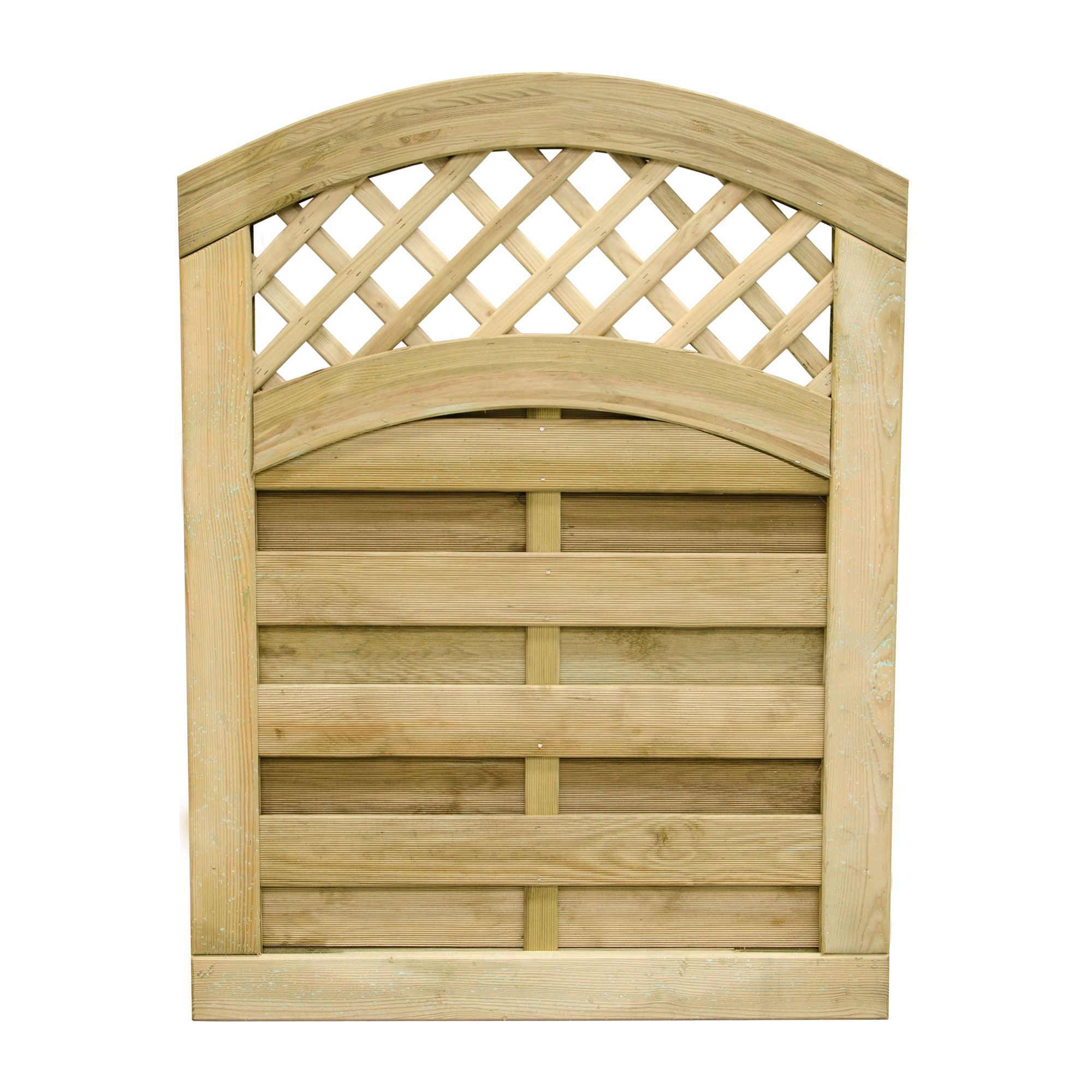
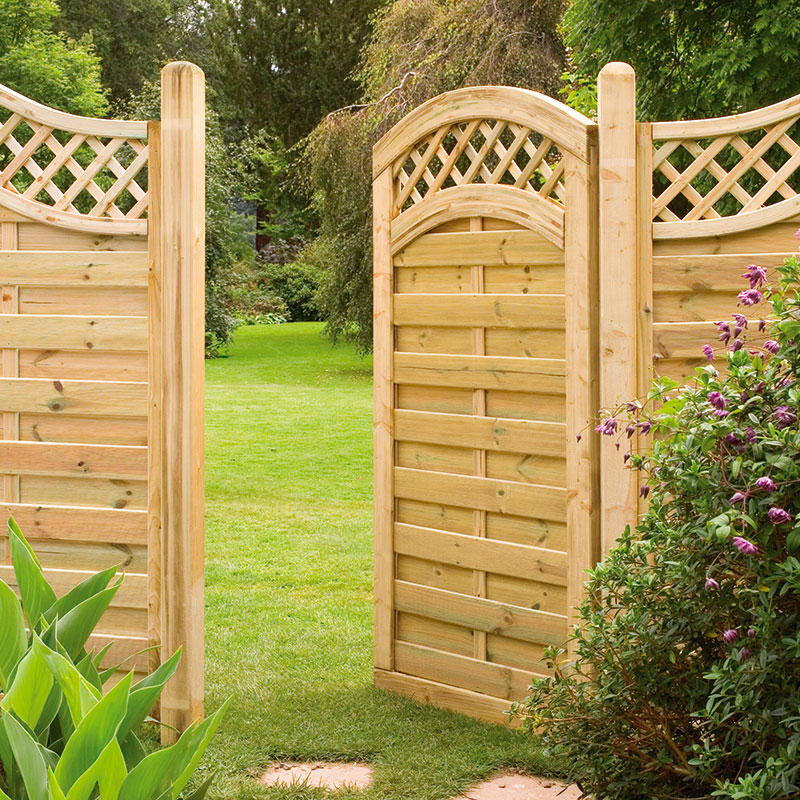
27% OFF: 1.2m High Prague Gate £145.9927%

-
27% OFF: Forest 3′ x 6′ Wooden Board Side Garden Gate (0.91m x 1.83m) £129.9927%

-
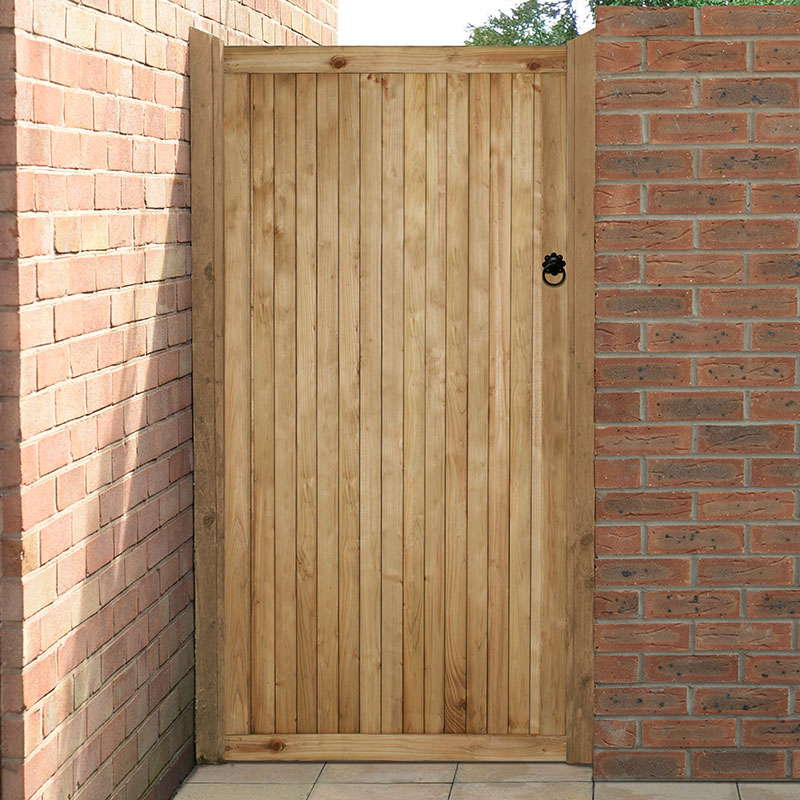
26% OFF: Forest 3′ x 6′ Featheredge Pressure Treated Wooden Side Garden Gate (0.92m x 1.8m) £116.9926%

-
25% OFF: 1.8m High Prague Gate £156.9925%

-
21% OFF: Forest 3′ x 6′ Pressure Treated Wooden Lap Side Garden Gate (0.92m x 1.83m) £117.9921%

-
Forest 8â x 4â Croft Prestige Gate (2.44m x 1.22m) £199.99

-
Forest 7â x 4â Croft Prestige Gate (2.13m x 1.22m) £189.99

-
Forest 6â x 4â Croft Prestige Gate (1.83m x 1.22m) £176.99

-
Forest 5â x 4â Croft Prestige Gate (1.52m x 1.22m) £166.99

-
Forest 4â x 4â Croft Prestige Gate (1.22m x 1.22m) £154.99

-
Forest 3â x 4â Croft Prestige Gate (0.91m x 1.22m) £144.99

Gates under £200 bring together practical security, tidy kerb appeal and budget-friendly style, with options in timber, steel and composite, plus single, double and side gate designs for many spaces.
Smart gate choices that stay within budget
Looking at gates under £200 is often the sweet spot for buyers who want a proper boundary without pushing the spend too far. In this range, you can usually find a solid mix of garden gates, side gates, pedestrian gates and some lighter driveway-style options, depending on the material and size. The key is knowing where the differences lie, because a gate is not just a panel on hinges; it is the part of the garden that sets the tone the moment someone arrives.
At this price point, the choice tends to balance appearance, strength and everyday use. Some gates lean more towards decorative detail, while others are built for a more straight-forward, practical job. That makes this category useful for buyers who want to compare shape, material, width, privacy level and fixing style rather than simply picking the cheapest item on the page.
Timber, metal or mixed material?
One of the biggest differences in gates under £200 is the material. Each type brings a different look and feel, and each suits a slightly different kind of garden or opening.
Bestseller der Kategorie Gates under £200
- Timber gates give a natural, softer look and sit well with cottage gardens, traditional paths and fence lines that already use wood. They can feel more private and visually warm.
- Steel gates usually have a sharper, cleaner profile and often suit a more modern or secure entrance. They are popular where a firmer boundary is the main aim.
- Composite-style gates can be chosen for a more uniform finish, often bridging the gap between the look of wood and the stability of a manufactured panel.
- Metal-framed gates with decorative infill offer a lighter visual effect while still marking out the space clearly.
The material also affects the overall feel of the gate. A timber design may look slightly more relaxed and natural, while metal can appear more precise and structured. If the gate needs to sit beside existing fencing, matching the material can make the whole boundary look more joined up. If the aim is contrast, a mixed-material gate can add a small but noticeable feature without feeling overdone.
Single, double and side gate formats
Another useful way to narrow the choice is by format. Gates under £200 cover several common styles, and the best one depends on the opening and how the space is used day to day.
- Single gates are the usual choice for side access, narrow paths and smaller garden entrances. They are compact, easy to position and often the most budget-friendly option.
- Double gates work better when the opening is wider or when you want a more substantial entrance without moving into a fully bespoke price range.
- Side gates tend to be practical, neat and more focused on access than display. They are commonly chosen for everyday use through the side of a house.
- Pedestrian gates are similar in purpose to side gates but may be more decorative or intended as a front-facing feature, depending on the design.
The difference between these formats is not just width. A single gate can feel more discreet and easier to fit into a fence run, while double gates create a broader opening and often look more balanced in wider spaces. Side gates are usually picked for convenience, but they can still play a big part in the overall look of a garden frontage. If access is frequent, the gate should feel easy to open and not too heavy in appearance or use.
Shapes that change the whole look
Shape matters more than many people expect. Within gates under £200, you will often see designs that differ by top line, slat direction and frame style rather than by colour alone.
- Flat-top gates give a crisp, simple finish and are easy to pair with modern fencing.
- Arched-top gates introduce a gentler profile and can soften a boundary that might otherwise look rigid.
- Curved or decorative tops add detail without needing a fully ornate style.
- Boarded or close-board styles are better where privacy is part of the brief.
- Open-slat or palisade-style gates let in more light and feel lighter visually, which can suit smaller gardens.
The shape changes the mood of the entrance as much as the material does. A flat-top design often reads as tidy and modern, while an arched top can feel more traditional or relaxed. Close-board versions help create a more enclosed boundary, whereas open-slat gates can keep the front of a garden from feeling boxed in. If the rest of the fencing has a clear line, choosing a gate with a matching silhouette helps everything look planned rather than pieced together.
Privacy, visibility and the feel of the boundary
People often shop for a gate because they want access, but the level of privacy matters just as much. In this price range, you will find a spread from near-solid panels to more open designs that show a bit more of what is behind them.
Solid or close-board gates are useful when you want to reduce sightlines into the garden or create a stronger sense of enclosure. They can also help a side passage feel more private. By contrast, spaced-slat or decorative metal gates keep the entrance lighter and can make a front boundary look less heavy. This is a real difference if the garden is narrow, because a fully solid gate can sometimes make a small area feel more closed in, while a lighter design can keep things feeling open.
There is also a visual effect to consider. A gate with more negative space can look less imposing from the street, which some buyers prefer for front-of-house areas. A solid design, on the other hand, can make the boundary feel more complete and certain. Neither is better in every case; it depends on whether the opening needs to blend in or stand out a little.
Why this price band works for many gardens
The appeal of gates under £200 is that they can answer a lot of common needs without turning the project into a bigger spend than expected. This category often suits buyers looking for a practical upgrade to a worn fence opening, a neat side access point or a front boundary that wants a clearer finish.
Some of the main benefits include:
- Good value for everyday use without having to compromise entirely on appearance.
- Enough choice in materials and styles to match different garden themes.
- Flexible sizing for narrow paths, standard fence gaps and wider entrances.
- Clear visual impact from a relatively modest purchase.
- Easy comparison between privacy-led, decorative and security-led designs.
This budget also gives room to think about the gate as part of the whole boundary, not just a single item. A good gate can bring order to a fence run, mark an entrance clearly and make a garden feel more finished. That matters in spaces where the opening is front and centre, or where the old gate has started to feel out of place next to newer panels.
Security looks different depending on the design
When buyers talk about security in relation to gates under £200, they are often not talking about heavy-duty commercial systems. Instead, it is about whether the gate feels robust, closes neatly and gives the entrance a more controlled feel. The style you choose can make a difference here.
Metal gates often present a firmer look, especially when the frame is visible and the structure feels taut. Timber gates can still be secure and practical, but they usually carry a softer visual style. A more solid design also limits visibility, which can be part of the security picture for side access points or rear entries.
It is worth comparing gates by how they are built as well as how they look. A well-framed gate may suit a busy entrance better than a purely decorative one. If the opening is likely to be used many times a day, a straightforward design with a clear, balanced shape can feel more dependable than something fussy. The trick is finding the point where the gate looks good but also seems ready for repeated use.
Front gate or side gate?
Not every gate has the same job, and that is where the differences become useful. A front gate is often chosen with presentation in mind. It frames the entrance, supports the look of the property and may be the first element visitors notice. A side gate, meanwhile, is usually about access, privacy and practicality.
This distinction affects what buyers look for. A front gate may need a stronger visual identity, perhaps with a more decorative top or a cleaner finish that complements the house. A side gate can be more focused on height, width and ease of passage. In a tighter space, a simple design is often the best fit because it does its job without crowding the path.
If the gate is going between two types of boundary, such as fence on one side and wall on the other, it can help to choose a design that bridges the materials rather than fights them. That small bit of coordination can make the entrance look far more settled.
Details buyers often notice first
Sometimes it is the smaller details that make one gate feel right and another feel slightly off. Within gates under £200, those details can include the direction of slats, the weight of the frame, the style of the top rail and whether the gate reads as plain, rustic or decorative.
- Slat direction changes the visual rhythm. Vertical slats often feel more traditional, while horizontal lines can look more contemporary.
- Frame thickness affects how sturdy the gate appears from a distance.
- Panel spacing influences privacy and light.
- Top rail design can make the gate look softer or more structured.
- Fixing style matters if the surrounding fence or post arrangement is not standard.
These may sound like small things, but they shape how the gate sits in the garden. A simple gate with the right line and proportion can look more at home than a more ornate design that clashes with the setting. When people say a gate “just fits”, it is often because these details have been matched well.
Useful tips before choosing
When comparing gates under £200, it helps to think in terms of the opening first, then the style. Measure the space carefully and consider how often the gate will be used. A gate for daily side access has a different feel from one that mainly frames a front path or occasional rear entry.
- Check the opening width and think about how much clearance is really needed, not just the visible gap.
- Match the gate to the boundary where possible, so the whole run looks coordinated.
- Choose privacy level first if the gate faces a street, neighbour path or overlooked area.
- Pick a shape that suits the garden rather than only following a trend.
- Think about the visual weight; a large solid gate in a small space can feel heavy, while a lighter design may sit better.
It is also worth remembering that a budget gate does not have to look basic. The right finish, proportions and material can give the entrance a more polished feel without stretching the spend. Sometimes the most satisfying choice is the one that quietly does its job and looks right from day one.
Styles that suit different garden looks
Different gardens call for different gate styles, and this category covers a lot of ground. A traditional garden may suit a timber gate with a simple vertical board pattern, especially if the fence line already uses wood. A more contemporary space might work better with a clean-lined steel gate or a design with a flatter profile and less visual clutter.
For cottage-style or informal spaces, a gate with a little curve or texture can feel more at home. In sharper, planned-out gardens, a straight-edged design often works better. If the garden is small, lighter designs can prevent the entrance from looking too heavy. If the area feels exposed, a more solid gate can help it feel more enclosed. The point is not to chase a perfect style formula, but to choose a gate that sits naturally in the setting and supports the way the space is used.
A budget range with proper choice, not just compromise
Gates under £200 are often underestimated, yet this price point can offer a surprisingly useful spread of options for buyers who know what they are looking for. You can compare materials, privacy levels, shapes, widths and finishes without needing to move into a much higher bracket straight away.
For many shoppers, the best buy is the gate that solves a real boundary issue while also improving the look of the garden entrance. That might mean a solid timber side gate for privacy, a lighter decorative gate for the front path, or a practical metal design that gives a clearer sense of structure. Different homes need different answers, and that is exactly what makes this category worth browsing with care.
When a gate looks right, fits the opening properly and suits the way the garden is used, it can make the whole outside space feel more settled. That is a small change with a big effect, and it does not need to cost more than it should.
[Sassy_Social_Share]