
Gates under £100 - Best Deals in UK!
Showing 1–12 of 13 results
-
57% OFF: 1.8 x 0.9m Forest Dome Gate £89.9957%

-
50% OFF: Forest Kyoto Gate 1.8 x 0.9m £79.9950%

-
47% OFF: Forest 3′ x 6′ Double Slatted Gate (0.9m x 1.8m) £89.9947%

-
42% OFF: 1.8m High Forest Europa Plain Gate £79.9942%

-
41% OFF: Forest 3′ x 6′ Wooden Lap Side Garden Gate (0.91m x 1.83m) £87.9941%

-
37% OFF: Forest Kyoto Gate 1.8 x 0.9m £99.9937%
-
36% OFF: Forest 3′ x 6′ Wooden Lap Side Garden Gate (0.91m x 1.83m) £94.9936%
-
35% OFF: Forest 6′ x 3′ Pressure Treated Vertical Tongue & Groove Gate (1.8m x 0.9m) £89.9935%

-
35% OFF: 1.8m High Forest Europa Plain Gate £89.9935%
-
35% OFF: Forest 3′ x 6′ Horizontal Tongue and Groove Pressure Treated Wooden Side Garden Gate £89.9935%

-
29% OFF: 3ft High Forest Contemporary Picket Gate £69.9929%

-
21% OFF: Forest Heavy Duty 3’3″ x 3′ Pressure Treated Wooden Picket Garden Gate (1m x 0.9m) £69.9921%
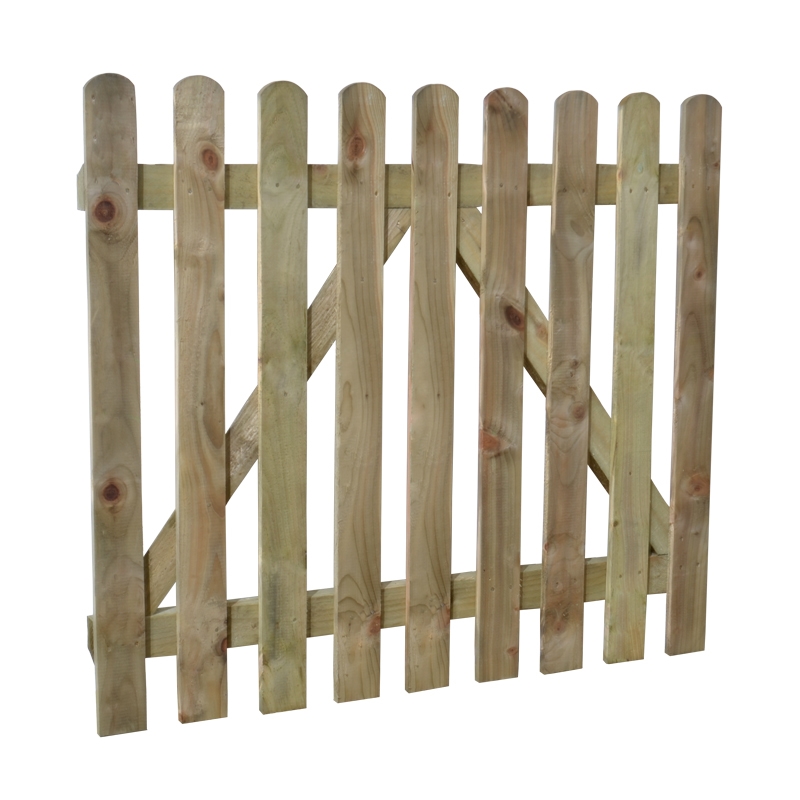
Gates under £100 offer a practical way to mark out a boundary, add a neat entrance, and keep a garden looking finished without stretching the budget.
Budget-friendly, but not plain
A gate in this price range is usually chosen for one of three reasons: it needs to do the job, it needs to fit a certain opening, or it needs to look tidy from the street. That does not mean you have to settle for a basic, one-style-only option. Even under £100, you can often find gates with different heights, widths, bar styles, finishes and shapes, so the choice is less about “cheap” and more about matching the right design to the right space.
This category is especially useful when you need a gate for a garden side entrance, a short boundary run, a small front garden, or a simple access point where the main aim is definition rather than heavyweight security. Many buyers are surprised by how much difference the right gate can make to a fence line or path. A plain opening can suddenly look more intentional, and a patchy boundary can feel more complete with one well-chosen piece.
What you’ll usually find in this price band
The subtypes in the under-£100 range tend to focus on everyday garden use. Common options include wooden side gates, metal garden gates, welded mesh-style gates, and decorative framed gates. Each one behaves differently in terms of look, weight, and the sort of opening it suits.
Bestseller der Kategorie Gates under £100
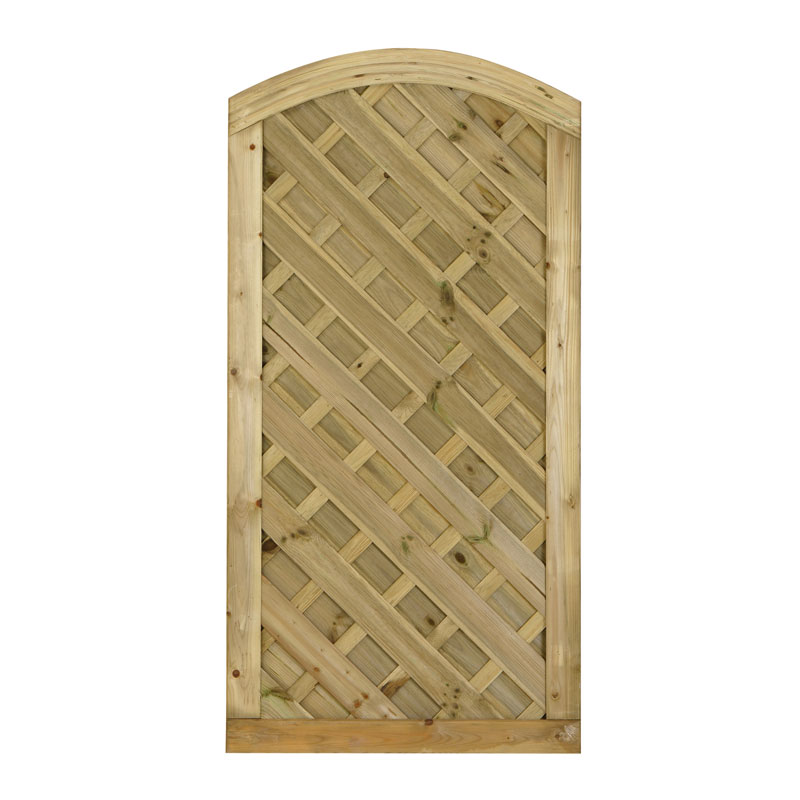
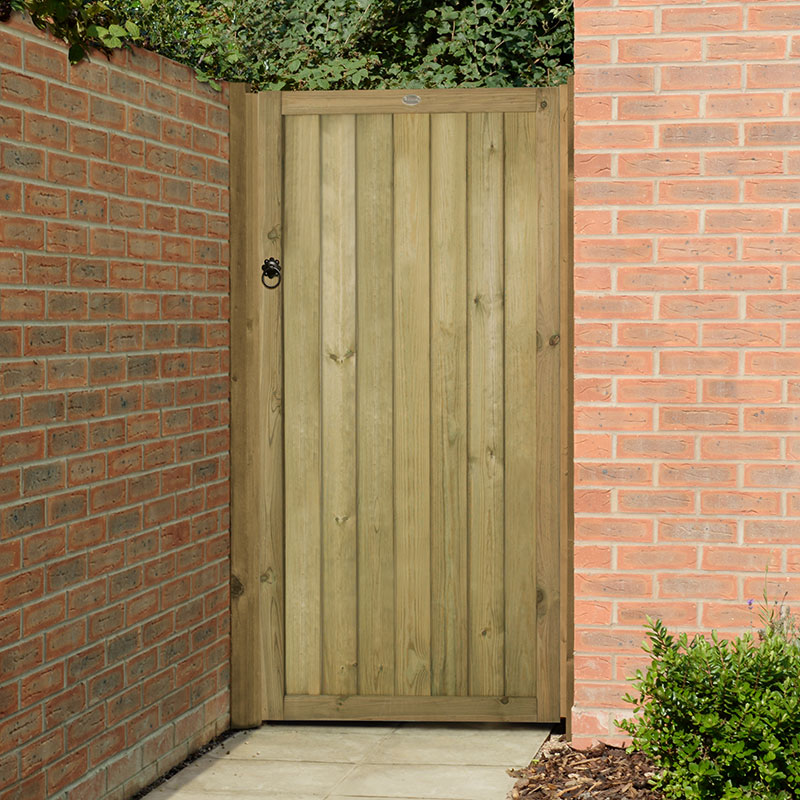
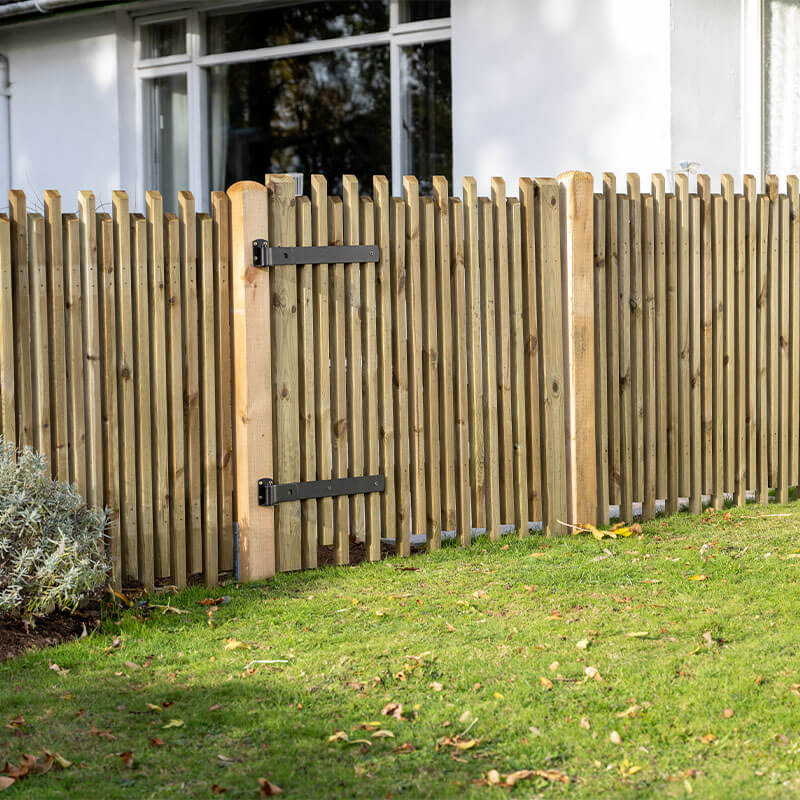
- Timber gates often feel warmer and more natural, which works well with fencing, sleepers, and planted borders.
- Metal gates usually give a cleaner outline and can suit contemporary plots, narrow passages, or more structured garden layouts.
- Mesh or barred gates are practical when you want visibility through the boundary rather than a solid panel.
- Decorative gates can add character to front paths, cottage-style gardens, or entrances where appearance matters as much as function.
In this category, you may also notice that some gates look similar at first glance but differ in the frame construction, the spacing between bars, or the style of top edge. That’s where the decision becomes more detailed than simply choosing “wood or metal”.
Shapes that change the whole feel
The shape of a gate changes how it sits in a garden. A straight-top gate looks crisp and compact, which can be useful when you want a neat line alongside fencing or a wall. A curved or arched top softens the look and can bring a bit of visual interest to an otherwise plain boundary. Some gates use a tapered top rail, which gives a light, traditional character without making the design feel too ornate.
There are also differences in the panel layout. A gate with vertical slats tends to feel more enclosed, while an open-bar design looks lighter and less heavy in a small space. If the gate sits between shrubs or near planting, a more open design can stop the area feeling boxed in. If it’s beside a busy path or road-facing edge, a fuller design can feel more private.
The shape should not be chosen for looks alone. It also affects how the gate reads from a distance. A narrow, tall gate can make an entrance feel more formal, while a shorter, wider style can feel more casual and easy-going. That contrast matters if you want the gate to match the tone of the rest of the garden.
Timber, steel, mesh: the differences that matter
Timber gates are often chosen for their natural finish and their ability to blend with fence panels, trellis, and planting. They can suit traditional gardens especially well, and they tend to create a softer visual break than metal. In under-£100 options, timber gates are often straightforward in style, which can actually be a strength if you want something that fits in rather than stands out.
Metal gates are usually picked for a sharper outline and a more structured look. They can work well at narrow side access points where the opening needs to feel clearly defined. Metal designs may include simple vertical bars, rectangular frames, or modest decorative touches. They often look good where the garden already has other metal details, such as railings or pergola elements.
Mesh-style gates are more about visibility and practicality. They let light through and keep the view open, which is useful if you do not want to block sightlines across a path or side run. They can suit utility areas, rear access points, or gardens where you want the boundary to feel there without appearing bulky. They’re not trying to be fancy, which is part of the appeal.
One of the main differences between these types is the way they affect the sense of space. Timber can feel fuller and more solid. Metal can feel cleaner and more exact. Mesh can feel lighter and less intrusive. So the “best” choice often depends on whether you want the gate to blend in, stand out a bit, or stay visually quiet.
Front garden neatness or side passage practicality?
Buying a gate under £100 is often about the location more than the design itself. A front garden gate usually needs to look tidy from the street, so shape and finish play a bigger role. A side gate is more likely to be judged by how easily it fits the space, how it lines up with the fence, and whether it leaves enough room for passing through without catching on walls or bins.
For a narrow passage, a simple frame with a straight top often works well because it keeps the entrance visually clear. For a front path or small courtyard, you might lean towards something with a little more detail so the opening feels intentional rather than purely functional. A gate can be the small feature that makes the whole boundary feel more thought-through.
There is also a difference between gates that are meant to act as a quiet divider and those that act as a clear entrance. Some designs feel almost like a continuation of the fence, while others draw attention to the opening. If you want visitors to notice the entry point, go for a design with a bit more definition in the frame. If you want the gate to sit back, a plainer, more streamlined style often works better.
What buyers often notice first
When people compare gates under £100, they usually start with size and shape, then move to finish and style. That order makes sense, because a gate that looks right but doesn’t suit the opening is no use. After that, the most noticeable points are the bar spacing, the frame thickness, and whether the gate looks light or solid.
- Tight spacing gives more of a closed-in look and can feel more private.
- Wider spacing makes the gate look lighter and less formal.
- Thicker frames often look sturdier and more defined.
- Slimmer frames can suit smaller openings and simpler garden layouts.
Those details matter because the gate is one of the few garden items that sits at eye level and gets used every day. Even a modest design can feel more satisfying if the proportions are right. A gate that is slightly too heavy-looking can dominate a small run of fencing, while one that is too delicate can seem lost beside a taller boundary.
Features that help with everyday use
In this category, useful features are often the quiet ones. A clear frame outline helps the gate sit squarely in the opening. A simple latch position makes it easier to use in daily life. A design with even spacing between slats or bars tends to look more balanced from both sides. These are not flashy extras, but they make a real difference to how the gate feels once fitted.
If you’re comparing styles, it can help to think about how the gate should behave in the space. Does it need to feel solid and closed, or open and airy? Should it match existing fencing exactly, or provide a small contrast? These questions are more useful than choosing only by picture, because the same gate can read very differently depending on what it sits beside.
A smaller budget can actually make the decision easier, because it encourages you to focus on the essentials: the right opening, the right look, and the right level of presence. You do not need a complicated design if the garden calls for something clean and direct.
Small design details that change the result
Some of the most important differences are found in the details that people often overlook. The top profile can make a gate feel more formal or more casual. The number of vertical members can alter how closed or open it looks. The finish colour can help it disappear into the background or stand out as a feature.
For example, a dark metal gate can sit quietly against shadowed planting or painted fence lines. A lighter timber finish can bring warmth to a grey stone path or a green border. A gate with a simple square frame can look modern enough for a newer property, while a gate with a softer top line may suit older brickwork or cottage boundaries. The differences are not huge, but they are enough to change the mood of the entrance.
It’s also worth noting that some gates in this range look better when paired with the right surroundings. A straightforward gate can seem more refined beside tidy fencing and a clear path. The same gate can feel less convincing if the surrounding line is uneven. So the best buy is often the one that suits the whole opening, not just the gate itself.
Choosing the right gate without overthinking it
A sensible way to narrow down the choice is to start with the function, then the style, then the fit. If you need a gate for a side passage, a simple and neat design will usually make more sense than something highly decorative. If the gate faces the street, the visual finish may matter more. If the area is tight, an open design can stop the space feeling cramped.
- Choose timber for a softer, more natural look.
- Choose metal for a cleaner outline and a more defined entrance.
- Choose mesh or barred styles when you want light and visibility.
- Choose arched or decorative tops when the entrance should feel a bit more characterful.
- Choose straight-top designs when you want a simple, tidy line.
If you’re comparing two similar gates, the difference may come down to a small detail like the edge profile or the spacing of the slats. Those little changes can be enough to make one option sit better in the space than the other.
Why this category keeps getting attention
Gates under £100 stay popular because they solve a common problem: a boundary opening needs to look finished, but the budget may be limited. That makes this range appealing for quick improvements, smaller gardens, rental properties, side access points, or any spot where a simple gate can make the whole area feel more sorted.
There is also a satisfying practicality to this price point. Buyers can often choose between looks without moving into a higher spend bracket, which means the focus stays on matching the garden rather than paying for features that are not really needed. The result can be a gate that feels just right for the space: not overdone, not flimsy-looking, and not out of place.
If you want a gate that does a clear job, fits into a sensible budget, and still brings a bit of shape to the boundary, this category gives you plenty to work with. The strongest choices are usually the ones that balance size, style and simplicity in a way that suits the rest of the garden.
[Sassy_Social_Share]