
Gates 8x4 - Best Deals in UK!
Showing the single result

8×4 gates for gardens and side access, in timber, steel and composite styles, offer a practical 8ft by 4ft opening for secure entry, tidy boundaries and a clean, balanced finish.
A neat fit for wider openings
8×4 gates suit garden runs, side entrances and boundary gaps where a standard width would feel cramped. The 8ft width gives room for easier access with bins, mowers or bikes, while the 4ft height keeps the layout looking open rather than bulky. That proportion matters: it can make a long fence line feel more ordered, and it often looks better on domestic plots than a taller, heavier gate would. For buyers comparing options, this size sits in a useful middle ground – wide enough to be practical, not so large that it overwhelms a small frontage.
Why the 8×4 format works so well
People often choose an 8×4 gate because it handles daily use without taking over the space around it. The width is generous enough for regular access, and the height gives a clearer view through or over the gate than a full privacy design might. In a garden setting, that can be handy where you want the entrance to feel inviting rather than enclosed. The format also gives a pleasing visual proportion beside fencing panels, brick piers or timber posts, so the gate does not look too narrow or lost in the opening.
- 8ft width for easier passage through wider entrances
- 4ft height for a lighter visual impact
- Good balance between access and boundary definition
- Works with many fence styles without looking awkward
Timber, metal or mixed materials
One of the biggest differences in Gates 8×4 is the material. Timber gates usually suit traditional gardens, cottage-style boundaries and softer landscaping, where the grain and natural look matter. They can be made in closeboard, featheredge, palisade or framed styles, each changing how solid or open the gate feels. Metal gates, including steel designs, tend to give a sharper outline and a more structured look, which can work well for drive-adjacent access or more modern plot lines. Composite options, where available, often lean towards a clean, even finish and a consistent appearance across the gate face.
Bestseller der Kategorie Gates 8x4
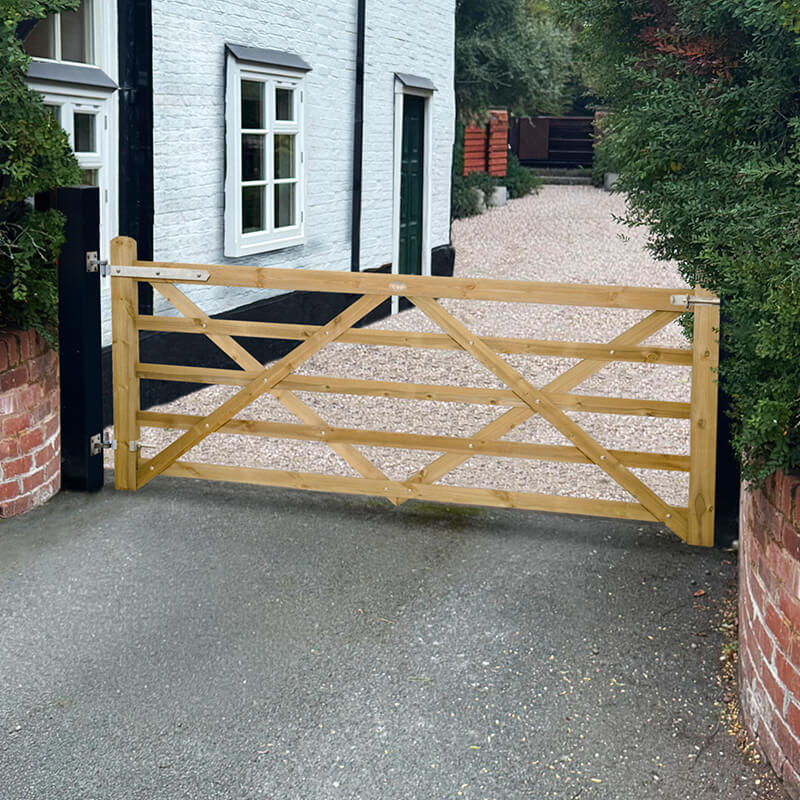
The right material is not only about looks. It also changes the weight, the visual density and the level of privacy. A timber gate may feel warmer and more natural. A metal one can appear slimmer while still giving a firm boundary. If the entrance is part of a garden that already mixes stone, brick and planting, the material choice can either blend in quietly or stand out as a feature. That decision is often what makes an 8×4 gate feel fitted to the property rather than simply added on.
Slatted, boarded or framed: the main styles
Gates 8×4 come in a few recognisable forms, and the difference is more than cosmetic. A solid boarded gate gives stronger screening and a more enclosed feel. This works well where you want less visibility through the opening. A slatted gate softens that effect, letting air and light pass through in a controlled way, which can stop the entrance from feeling too heavy. A framed design is often chosen for structure and rigidity; the frame helps the gate keep its shape and can make a broad gate appear more stable.
There are also visual variations within those types. Some gates have horizontal lines, which can make a wide opening feel longer and lower. Others use vertical boards, which create a more classic garden gate feel. Decorative top rails, arched tops or straight tops all change the tone of the entrance. A straight top usually feels simple and practical. An arched or shaped top adds a bit of character without needing extra ornament. For an 8×4 gate, those small details matter because the surface area is large enough for the design to show properly.
- Solid boarded for more screening and boundary presence
- Slatted for a lighter look and some visibility through
- Framed for a firmer, more stable visual structure
- Straight-top for a straightforward, neat finish
- Arched or shaped for a softer, more characterful outline
Privacy, airflow and openness: the trade-offs
When people compare 8×4 gates, they are often choosing between privacy and openness. A fuller design can hide the garden entrance better and help create a more enclosed feel. That can be useful where the gate opens onto a busy path, side passage or shared access. But a more open design has its own appeal. It can let the entrance feel less blocked, which is helpful if the garden already has a lot of hard structure around it. It can also reduce the visual weight of the gate in narrower spaces.
The difference shows most clearly in practical use. A solid gate often gives a stronger sense of separation from the street or neighbouring plot. A more open slatted or spaced design gives a softer transition between outdoors and garden. Neither is right for every setting. With an 8×4 size, you have enough width to make either choice work, so the decision comes down to how much screening the space actually needs, and how the gate sits with the rest of the boundary.
Access that feels less cramped
The main reason many buyers look at 8×4 garden gates is simple: they make access easier. A narrow gate can be fine for occasional foot traffic, but wider openings are far less fiddly when carrying pots, pushing a wheelbarrow, or moving larger items in and out. Even when the gate is not used for vehicle access, the extra width makes the entrance feel calmer and less awkward. That is useful in everyday life, especially where the gate sits between two fence lines or in a side return.
There is also a visual benefit. Wider gates often look more proportionate where the opening itself is substantial. Instead of trying to force a small gate into a broad gap, the 8×4 format fills the space properly. It can make a boundary look planned rather than patched together. For many buyers, that tidy fit is one of the main reasons to choose this category.
What changes the look from one gate to another
Within Gates 8×4, small details change the whole effect. Board thickness affects how solid the gate appears. Frame depth affects how substantial it feels from the side. Panel spacing changes whether the gate reads as private or open. Even the line of the top edge can alter the mood of the entrance. A gate with closely spaced boards feels more enclosed, while one with a lighter structure can look friendlier and less heavy.
Finish is another point buyers often compare. Natural timber can show grain and texture, which suits more rustic gardens. A painted or coated metal gate has a cleaner outline and tends to suit sharper landscaping. If the fence line already has a clear rhythm – say, vertical slats or horizontal cladding – repeating that pattern in the gate can help the whole run feel joined up. On the other hand, using a different gate style can make the entrance a deliberate feature. Both approaches can work, depending on how much attention you want the gate to draw.
Choosing the right style for the setting
An 8×4 gate should fit the space it opens into, not only the gap it closes. If the route behind the gate is narrow, a simpler gate face can help keep things visually light. If the gate sits at the front of a property, a more defined design may suit the role better because the entrance is part of the first impression. For garden to side-return access, a modest but solid design often makes sense: enough presence to define the boundary, but not so much that it feels closed in.
It also helps to think about the surrounding materials. Timber posts, brickwork, gravel, paving and planting all change how the gate reads. A darker gate against pale walls can stand out clearly. A timber gate against timber fencing may blend in more, which can be useful if you want the entrance to recede. These are small things, but with a gate this size they make a visible difference.
- For front or visible entrances, choose a design with a neat, defined outline
- For side access, a simple framed or boarded style often suits best
- For more open garden lines, slatted or lighter patterns can feel less imposing
- For matching fencing, repeat the same board direction or finish where possible
Practical points buyers often compare
When looking at 8×4 gates, buyers usually compare more than just appearance. The first thing is the opening direction and how the gate will sit in relation to posts, walls or fencing. Then comes the question of whether a single leaf is the right choice or whether the width is being used in a different way across the opening. The overall design needs to leave enough room for hinges, latch alignment and comfortable movement through the gap.
Another common comparison is weight. A broader gate can feel more substantial, so the structure around it matters. A well-proportioned frame and proper support often make the difference between a gate that looks tidy and one that seems to sag or sit out of line. Buyers also often look at how much visual bulk the gate will add. A chunky gate can make a boundary seem heavy, while a slimmer design may feel more refined. The best choice depends on whether the main aim is presence, privacy, or just a smart access point.
Details that make the gate feel finished
Small design touches can make a big impact on Gates 8×4. Matching hinges help the gate feel well put together. Strong framing gives the opening a more settled look. Clean board alignment makes the gate read as deliberate rather than rushed. Even the edge treatment can influence the final impression, with some gates looking more robust and others more streamlined. These details are worth noticing because an 8×4 gate is large enough for them to be seen clearly.
Decorative choices should still feel in step with the rest of the garden. Too much ornament can make the entrance busy, while a plain design may be just right if the surrounding space already has plenty going on. The charm of this category is that it can sit quietly in the background or act as a feature, depending on the style selected. That flexibility is one reason the format remains so useful.
A sensible choice for everyday garden access
For many homes, 8×4 gates strike the right balance between function and appearance. They are wide enough to feel easy to use, but not so large that they dominate the boundary. They can be made in different forms to suit privacy needs, match fencing, or bring a slightly more tailored finish to a side or garden entrance. Whether you are after a solid timber look, a lighter slatted design or a sharper metal outline, the size gives enough room for the style to show itself properly.
If you are comparing gates for a garden opening, this size is worth close attention because it avoids a lot of compromise. It gives space, shape and a clear boundary line without making the entrance feel overdone. That is often what buyers are after: something practical, neat and fitted to the property, with enough character to make the entrance feel like part of the garden rather than just a gap in the fence.
- Useful for wider access without moving into oversized territory
- Flexible in style from plain to decorative
- Works with many boundary types including fencing, brick and mixed materials
- Helps the entrance look intentional rather than squeezed in
The right gate can quietly change the whole boundary
A well-chosen 8×4 gate does more than close an opening. It gives the garden a clearer edge, shapes how the entrance feels, and helps the whole boundary read as one considered space. Some buyers want a gate that blends in. Others want one that carries a bit of presence. This size can do both, depending on the form, material and level of screening you choose. That is why it remains such a practical category for garden projects where access, appearance and proportion all matter at once.
[Sassy_Social_Share]