
Gates 6x4 - Best Deals in UK!
Showing the single result

6×4 gates for garden entrances, side passages and boundary openings. Compare wooden, metal and ranch-style options, check sizes, styles and fitting points.
What a 6×4 gate actually means
A 6×4 gate refers to a gate sized around 6ft wide by 4ft high, a format often chosen when you want a practical opening without making the entrance feel heavy. It sits in that useful middle ground: wide enough for everyday access, compact enough for smaller garden runs, side returns and gaps between fence lines. For many buyers, the appeal is not just the size itself, but the way a 6×4 gate keeps an outdoor space looking balanced.
This category suits places where a taller gate would feel out of scale and a smaller one would not give enough presence. The result is a neat entrance that can work with panel fencing, feather edge runs, brick piers or posts, depending on the layout. Because the size is so commonly used, it is also a practical choice when replacing an older gate with something that feels familiar rather than awkwardly different.
Shapes and styles that fit the 6×4 format
Within 6×4 gates, there is more variety than people often expect. The size is fixed, but the shape and finish can vary quite a lot, and that changes the whole look of the entrance.
Bestseller der Kategorie Gates 6x4
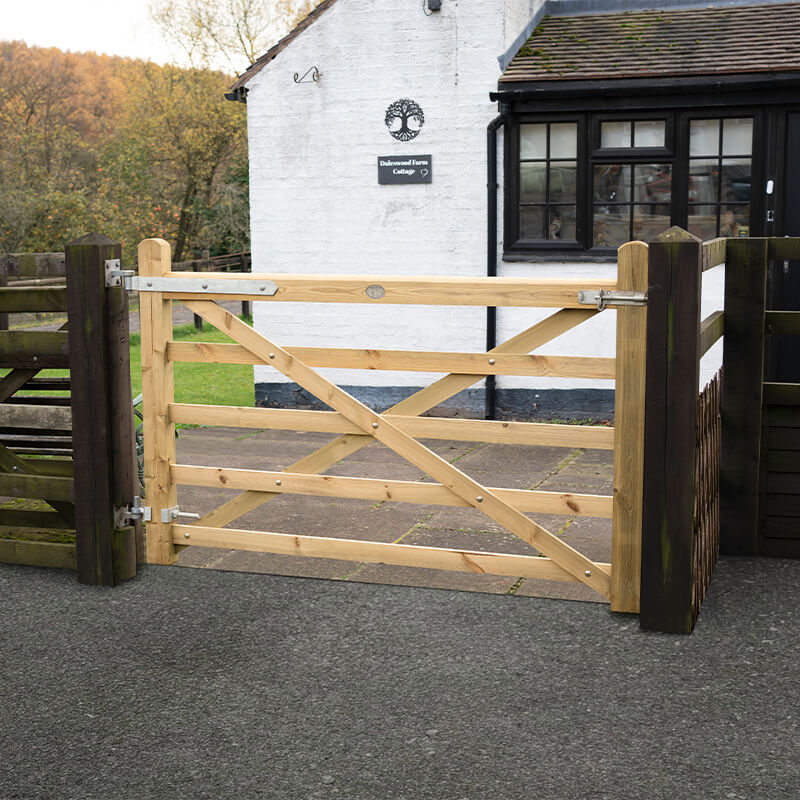
The right shape depends on what the gate needs to do visually as much as physically. A plain square-top gate may look more discreet, while an arched or braced gate adds character without needing extra width.
Materials that change the feel
The material makes a big difference in both appearance and how the gate sits in the rest of the garden. With 6×4 gates, the main choice usually comes down to wood or metal, with each bringing a different tone.
Wood and metal also differ in how they read at a distance. Timber tends to soften the boundary line, while metal can make the entrance look more distinct. Neither is better in every case; the choice depends on whether you want the gate to blend in or stand out a little.
Why this size works so well for garden access
The attraction of a 6×4 garden gate is in the proportions. It gives a comfortable opening for moving through on foot while still keeping a well-defined boundary. That makes it a strong option for side access, rear garden entries, and connecting paths between different parts of a plot.
A gate of this size can also help the entrance feel more organised. Instead of a gap in the fence, you get a proper point of access, which can make the whole boundary look more finished. For homes with narrow side runs, a 6ft width is often enough to avoid a cramped feel, while the 4ft height keeps the gate from dominating the view.
There is also a practical visual advantage: the size is common enough to sit comfortably with standard fencing runs, yet not so large that it starts to overpower smaller gardens. That balance is one reason it keeps turning up in category searches. People often know they want a gate that fits, but not one that takes over.
Privacy, openness and the middle ground
One of the main differences between 6×4 gate types is how much they reveal. Some designs block more of the view, while others leave gaps that let light and sightlines through.
This makes the category useful for buyers who are trying to solve more than one issue at once. Maybe the opening needs to look neat from the street, but not feel shut off. Maybe the garden needs a boundary, but not a wall-like effect. The 6×4 size gives enough room to work with these choices without making the entrance feel too large.
Details that matter more than people think
When comparing 6×4 gates, the small construction details often make the difference. A gate can look similar at first glance, but the way it is framed, braced or boarded changes how it behaves in use and how it appears in the garden.
Cross-bracing can influence the overall appearance, giving a more structural feel. Ledge and brace layouts are often associated with traditional timber gates, while cleaner framed designs suit modern boundaries. The choice of boarding direction also matters: vertical boards feel more familiar in garden settings, while horizontal lines can give a more contemporary look, though they may not suit every fence run.
Finish is another point to check. A gate with a natural timber surface gives you a different starting point from one that arrives painted or coated. Some buyers prefer the flexibility of a bare or lightly treated gate, while others want a finish that fits the fencing straight away. There is no single right answer, but it helps to know how much visual work the gate needs to do on day one.
How to compare openings before you order
Before choosing a 6×4 gate, it helps to think beyond the headline size and look at the actual gap you need to cover. Posts, hinges and the way the gate swings can all affect what fits cleanly.
These checks are not glamorous, but they save trouble later. A well-chosen 6×4 gate should feel like it belongs to the opening, not like it has been squeezed in.
Where a 6×4 gate tends to suit best
This category works across a good range of outdoor layouts. It is often seen in side entrances, where the space is practical but not generous, and in rear garden routes that need a clear boundary without a bulky structure. It can also work at the front of a property where the gate is part of a low fence run and needs to look tidy from the pavement.
The format is also useful in gardens that already have a strong visual pattern. For example, if the fencing has narrow bay widths or repeated vertical lines, a 6×4 gate can sit neatly in rhythm with the rest of the boundary. In more open gardens, the gate can act as a focal point without becoming the main feature. That is a useful middle position, especially when the rest of the landscaping is doing most of the visual work.
Buying tips that help the choice feel easier
A few simple points can make the shortlist more manageable when browsing 6×4 gates.
It is often the case that buyers are drawn to the gate style first and the practical points second. That is understandable, but with this size it pays to balance both. A good 6×4 gate should suit the opening, the fence and the way the garden is actually used, not just the picture in your head.
Why this category keeps turning up in real gardens
6×4 gates stay popular because they answer a very ordinary need in a useful way. They are not trying to be oversized statement pieces, and they are not too small to feel limited. They work as a proper entrance, a boundary marker and a visual link between different parts of the garden.
For buyers comparing styles, that makes the category easy to understand but still worth exploring. The differences are in the details: timber or metal, solid or open, square or arched, plain or decorative. Each version changes the tone of the space a bit, and that gives you room to match the gate to the garden rather than forcing the garden to adapt to the gate.
If you want an entrance that feels organised, practical and visually in keeping with the rest of the boundary, a 6×4 gate is often a very sensible place to start.
[Sassy_Social_Share]