
Gates 5x4 - Best Deals in UK!
Showing the single result

5×4 gates bring a neat, practical finish to side entrances, garden runs and compact openings, with choices in timber, metal and framed styles to suit width, height and privacy needs.
Why a 5×4 gate fits so neatly into real garden spaces
A 5×4 gate is often the sweet spot for smaller access points where a full-size driveway gate would feel too much, yet a flimsy pedestrian gate would not quite do the job. The 5 ft width gives a useful pass-through for wheelbarrows, bikes, garden waste bins and everyday foot traffic, while the 4 ft height keeps the look tidy without making the entrance feel closed in. That balance is why this size appears so often in side passages, back-garden links and boundaries that need a proper gate, not just a gap with a latch.
What makes this category useful is the range of styles available around the same size. You can choose a gate that feels open and light, or one that gives more coverage and presence. The dimensions stay practical, but the look can change a lot depending on the panel design, frame construction and material finish.
Timber, metal or framed: the main types you are really choosing between
The biggest difference in 5×4 gates is usually the material and build style. A timber gate gives a softer, more natural appearance, which suits traditional fences and planted borders. Within timber, you may see featheredge, closeboard and tongue and groove styles. These are not just design labels; they change how solid the gate feels, how much privacy it gives, and how much daylight passes through.
Bestseller der Kategorie Gates 5x4
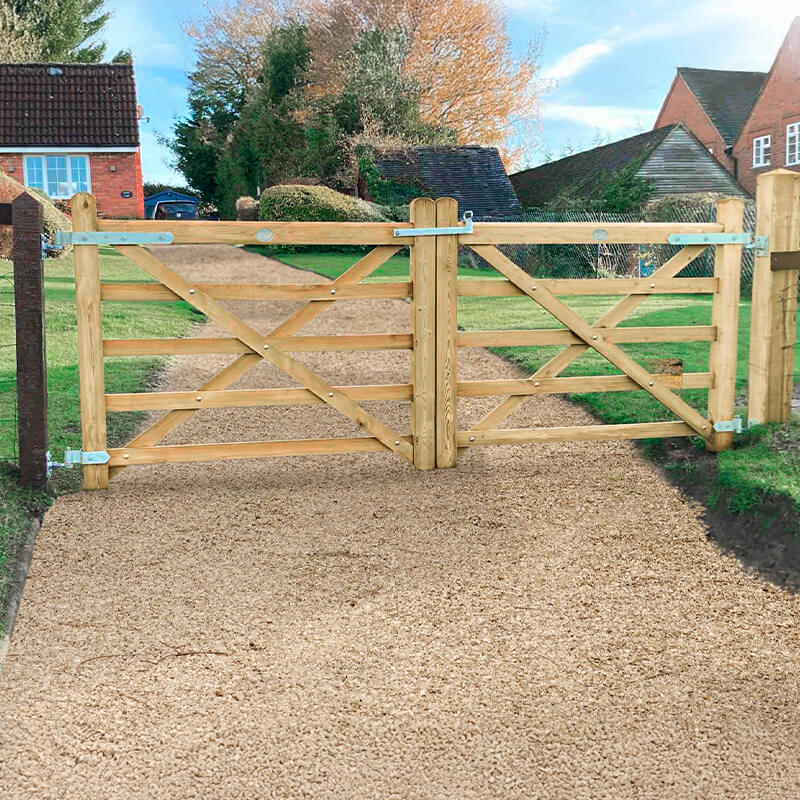
Metal gates, including steel and wrought-iron-style designs, tend to feel more open and structured. They are often chosen where you want to see through the gate, keep the frontage looking lighter, or match decorative railings. A metal gate can look fine alongside a neat path or paved entrance, while timber often sits better with fencing and natural materials.
Then there are framed gates, where the edge structure matters as much as the infill. A well-braced frame helps reduce sagging and gives the gate a steadier feel when opened often. If a gate is going to be used several times a day, that frame can make a real difference. It is the kind of detail that does not shout for attention, but you notice it when a gate still hangs square after regular use.
Solid, slatted or openwork: how the shape changes the feel
Shape is not only about looks. The way a 5×4 gate is built changes privacy, airflow and how visible the entrance is from both sides. A solid gate gives more screening, making it useful where a side return or rear entrance sits close to neighbours or a public path. These gates can create a more enclosed, ordered look, and many buyers prefer them where they want the opening to match solid boundary panels.
Slatted gates or designs with spaced boards sit somewhere in the middle. They still define the boundary clearly, but they let a little light and air through. That can make a narrow entrance feel less boxed in. The spacing also changes the visual weight of the gate; a slatted design can seem lighter than a fully boarded one, even when the overall size is the same.
Openwork or decorative gates are the opposite end of the scale. These are often chosen for front paths or ornamental garden routes where the gate is part of the view rather than a barrier hiding it. They can feel neat and characterful, but they are not the right answer when screening is the priority. This is where the difference between “looks nice” and “does the job” really matters.
What a 5×4 gate does better than a smaller one
The extra width of a 5×4 gate is one of its main selling points. A narrow gate can feel awkward if you are carrying compost bags, pram handles, folded chairs or garden tools. At 5 ft across, the opening is more forgiving. It gives you a little more room to pass without brushing against the frame every time, which sounds minor until you use the gate in bad weather, with full hands, or when the path is a bit tight.
That width also gives more flexibility in how the gate is paired with the surrounding fence. Some buyers use a 5×4 gate to create a more central, balanced entrance within a fence run. Others choose it because the opening already exists and needs a gate that suits the space without leaving odd gaps or forcing a clumsy workaround. In that sense, the size is not just practical, it is also visually satisfying.
The 4 ft height brings another advantage: it provides boundary definition without making the entrance feel too imposing. Compared with taller gates, it can keep a garden looking more open and less shut off. That can matter in smaller outdoor spaces where every bit of visual airiness helps.
Privacy, visibility and the little difference that changes everything
One of the main buying decisions is how much the gate should conceal. A solid 5×4 gate can help screen bins, side access or the view into a rear garden. This is often useful where the gate sits close to a public route or shared access. The benefit is not just visual; it can also make the entrance feel more clearly defined as part of your own space.
If privacy is less important, a more open gate can feel easier on the eye. A spaced slat or metal bar design gives a lighter impression and can work nicely where you still want the boundary to feel friendly and not too heavy. That lighter feel can make a smaller gate seem less dominant, which is handy if the surrounding fence is also fairly modest in height.
The difference matters because the wrong amount of screening can be frustrating. Too open, and you lose the sense of enclosure. Too closed, and the entrance can feel like a blank block. The right 5×4 gate sits in that middle ground according to the space around it, not just the gate itself.
Fixings, frames and the bits buyers often overlook
When people compare 5×4 gates, they often focus on the face of the gate first. But the frame, bracing and hanging side are just as important. A gate with proper reinforcement tends to feel more stable and sit straighter over time, especially on regular-use openings. This is particularly relevant for heavier timber gates, where the overall weight can be more demanding on hinges and posts.
The opening direction also deserves attention. Some gates are better suited to a left-hand hang, others to a right-hand setup, depending on the latch position and the shape of the surrounding fence run. A gate that looks perfect on paper can feel awkward if it opens into a tight corner or clashes with steps, walls or planting. Checking this before buying saves a lot of faff later.
Another thing to compare is how the gate lines up with the existing boundary. If the fence panels are more decorative, a simple gate can look too plain. If the fence is plain, a more detailed gate can lift the whole run. Matching the “weight” of the gate to the fence is one of those details that makes the final result feel thought through rather than patched together.
Timber character: the difference between neat, rustic and firm-edged
Within timber 5×4 gates, the style can shift a lot. A closeboard gate often feels more robust and enclosed, with boards fitted closely for better screening. It tends to suit practical side access and rear gardens where the gate needs to work hard while keeping a tidy look. A featheredge gate has a more traditional fence-panel feel and can blend naturally into a timber boundary.
Tongue and groove gates bring a tighter, more polished appearance. The boards fit together neatly, so the gate often looks more finished and less rustic. That makes it a good choice where the gate is seen directly from the house or forms part of a more designed garden layout. It is a different mood entirely from a more casual boarded gate.
For buyers who want a gate that feels a bit more country, a slatted or ledged timber design can look less formal. It may not give the same level of privacy, but it can suit cottage-style borders or garden entrances where a softer look is preferred. This is not about one being better than the other, more about which style fits the rest of the space.
Metal styles: lighter in appearance, firmer in outline
Metal 5×4 gates appeal when the entrance needs structure without bulk. They can frame an opening cleanly and let the surrounding planting or paving stay visible. For buyers who dislike a gate that feels too heavy, this is often the route to go. The look can be simple and functional, or more detailed with curved bars and decorative tops, depending on the design.
The big difference with metal is how it changes the visual line of the boundary. Timber creates a block of surface; metal creates a frame. That means a metal gate can make a small entrance feel less crowded. It can also suit homes where railings, stonework or contemporary fencing are already in place, because the gate does not have to carry the whole design on its own.
Metal can also suit situations where a neater, more defined edge is wanted. That crisp outline can work well on paved paths or side entrances where the gate needs to look deliberate and not too bulky. Buyers often like this when they want the gate to do its job quietly rather than become the main feature.
Choosing for the way you actually use the opening
A 5×4 gate should be chosen for use, not just appearance. If the opening is used every day, a sturdier build and reliable frame matter more than decorative detail. If it is mainly a secondary access point, the look may carry more weight. Think about what passes through there: people, bins, tools, prams, pets, bikes. That one question often points you to the right gate type faster than anything else.
If the opening sits between buildings or tight fencing, the gate should feel easy to move and not collide with the surrounding structure. If the gate is on the front boundary, the visual impression might matter more, so matching the design to the house front becomes important. For rear or side entrances, a practical, well-braced 5×4 gate often makes more sense than anything overly decorative.
It is also worth thinking about whether the gate should blend in or stand out. Some buyers want the gate to disappear into the fencing. Others want it to act as a clear entrance point. The same size can do both, which is part of why this category is so useful.
Handy buying tips for a cleaner fit and fewer regrets
Before choosing a 5×4 gate, it helps to check the exact opening width rather than relying on the label alone. Real openings can vary slightly, and posts, hinges and latch spacing all affect the final fit. A gate that is “5×4” in description still needs the surrounding structure to suit it properly, so a quick measure is worth doing twice, maybe three times if the space is awkward.
Also look at the style of the boundary panels or wall beside it. A gate with too much detail can look crowded next to plain fencing, while a very plain gate may seem a bit lost against ornate railings. Matching the visual language of the boundary helps the whole entrance feel settled.
Finally, consider the balance between privacy and presence. Some spaces need a gate that helps hide what is beyond it. Others need a gate that defines the opening without making it feel shut off. That is the real decision with 5×4 gates: not just what size fits, but what kind of entrance feels right when you use it every day.
Small size on paper, proper impact in the garden
5×4 gates are a practical choice for buyers who want a defined entrance without overdoing the scale. They come in several forms, from solid timber to lighter metal designs, and each version brings a different mix of privacy, visibility and character. The differences are not minor; they change how the gate feels to use and how the boundary reads from the outside.
For a side passage, rear link or compact garden entry, this size often hits the right balance. It gives enough room to be useful, enough height to look complete, and enough variety in style to suit modern, traditional or somewhere-in-between spaces. If the gate needs to do a proper job and still look tidy, this category makes a lot of sense.
- Solid timber gates for more screening and a closed, tidy appearance
- Slatted gates for a lighter feel with some airflow and partial visibility
- Metal gates for a defined outline and a less bulky look
- Framed gates for better shape retention and a steadier hang
- Decorative gates for entrances that are meant to be seen, not hidden
- Closeboard and tongue and groove styles for timber options with different levels of privacy and finish
In the end, the best 5×4 gate is the one that suits the opening, the surrounding fence and the way the space is used. Choose the shape that makes the entrance feel easy, organised and properly part of the garden rather than just an afterthought.
[Sassy_Social_Share]