
Gates 4x4 - Best Deals in UK!
Showing the single result

4×4 gates for rural entrances, driveways and boundary openings bring together access, security and a proper finish for farmland, estates and country plots, with styles that range from simple field gates to more defined framed options.
Built for Wider Openings and Harder Working Boundaries
When people look for Gates 4×4, they are usually dealing with openings that need a gate with more presence than a narrow garden style barrier. A 4×4 gate is commonly chosen for vehicle access, farm tracks, paddock entrances, driveways and utility openings, where the opening needs to stay practical but still look tidy. The right gate can help define the edge of a property, guide traffic, and create a clear sense of entry without making the space feel boxed in.
This category covers more than one type of gate, which matters because a gate for a vehicle entrance is not the same as a gate for a stock boundary or a decorative front access point. The main differences usually come down to width, frame construction, infill pattern, finish and opening style. Those details affect how the gate looks, how it sits in the opening, and how it works day to day.
What “4×4” Often Means in a Gate Choice
In practical terms, 4×4 gates are often selected with off-road vehicles, wider access points, or more robust surroundings in mind. The term can suggest a gate suited to a strong, capable entrance, rather than a delicate decorative one. That does not mean every gate in this category looks the same. Some are plain and functional, while others have a more finished appearance, with shaped tops or framed detailing.
Bestseller der Kategorie Gates 4x4
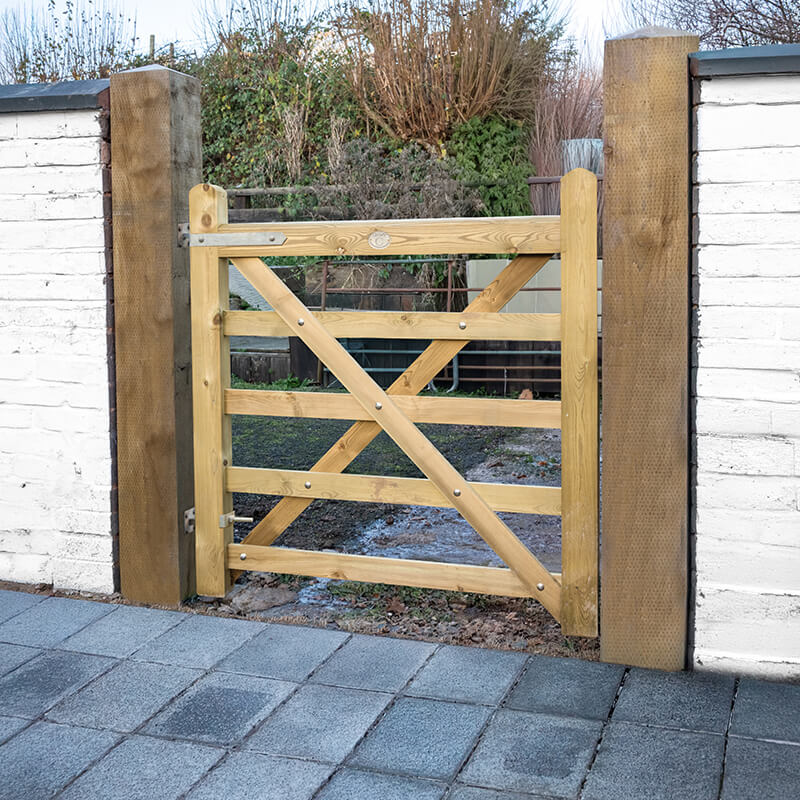
For buyers, the main point is to match the gate to the opening. A gate that suits a field access can look quite different from one made for a driveway. You may want a gate that feels open and rural, or one that gives a cleaner boundary line. The category is useful because it usually contains choices that are made to cope with broader spans and more regular use than standard pedestrian gates.
Styles That Change the Whole Feel of the Entrance
There are several common gate styles within this area, and the shape you choose can change the character of the entrance straight away.
- Field-style gates tend to have a straightforward look, often with a simple frame and open lines.
- Framed gates can give a neater edge and a more structured appearance.
- Arched-top gates add a softer outline and can help a wider gate feel less heavy.
- Flat-top gates look more direct and practical, often fitting well where a clean line matters.
- Braced gates are chosen where support and rigidity are more important than ornament.
The best style depends on the surrounding boundary. A gate beside a stone wall, for example, can suit a more formal shape, while a gate leading to a paddock may work better with a simpler outline. Some buyers prefer a gate that blends in, others want one that stands out just enough to make the entrance easier to read.
Single Leaf, Double Leaf, and the Space You Have
One of the biggest differences in 4×4 gate types is whether the opening uses a single gate leaf or a pair of gates. A single leaf can be useful where the opening is not too wide or where the user wants one clear swing action. It can feel simpler, especially if the gate is opened and closed often.
Double leaf gates, sometimes called pair gates, divide the opening into two parts. This can make a wide entrance more manageable, and it can also create a balanced look across a larger span. For a driveway or track, a pair of gates may suit the layout better than one oversized leaf. The visual difference is obvious too: a pair can look more structured, while a single wide gate often has a more direct, working feel.
Another point is how the gate sits in the opening when open. A single gate needs enough swing room on one side. A pair of gates splits that movement, which can help when the space beside the entrance is limited. That practical detail often decides the final choice more than the appearance does.
Frame Shape, Infill and the Details People Notice
The structure of the gate matters as much as the size. A gate with a solid frame will feel different from one with a lighter build. Frame design can influence how the gate holds itself over time, and how square it looks from the road or yard. The infill, meanwhile, changes both the look and the purpose.
Some gates use closely spaced bars or slats, which can create a stronger boundary line while still leaving a sense of openness. Others use open rail designs, which are common where visibility across the entrance is wanted. In some cases, buyers prefer a more closed look to mark private land more clearly. The right option depends on whether the goal is to control access, define a boundary, or simply complete the entrance.
It is also worth noting the shape of the top rail and side bracing. A gate with a well-proportioned diagonal brace often feels more settled in the opening. A simpler frame can be easier on the eye if the surrounding area is already busy. These are the small differences that can make one gate feel right and another feel a bit off, even if both are broadly suitable.
Material Choices and the Job They Are Expected to Do
In this category, the material often tells you a lot about the gate’s likely use. Buyers generally look for gates that suit the demands of a working entrance, so material choice is usually tied to strength, appearance and the surrounding environment. Some gates are chosen because they fit a rural setting well, while others are selected for a cleaner boundary line.
A gate intended for a track or entrance with regular vehicle movement needs to feel dependable in use. A gate near grazing land may need to present a more visible boundary. The point is not just what the gate is made from, but what it is expected to do in the setting where it will be used. If the opening is wide and exposed, the gate often needs a form that feels substantial rather than overly decorative.
Buyers also tend to compare how different materials affect the overall look of the entrance. Some finishes feel more traditional, while others give a sharper outline. Neither is automatically better; it is about matching the gate to the property and the way it is used.
Why Buyers Choose This Category Over Smaller Gate Options
The main appeal of Gates 4×4 is that they suit openings where a standard domestic gate may simply feel too small. A wider or more robust gate can make a boundary look properly finished and can help the entrance handle vehicles more naturally. That is particularly useful on plots where the gate is not just decorative but part of day-to-day movement.
- Better fit for wider entrances than narrow pedestrian gates.
- Clearer access for vehicles, equipment or trailers.
- Stronger boundary presence on rural and semi-rural sites.
- More choice of opening styles, including single or double leaf options.
- Useful balance of practicality and appearance for drives, tracks and field entrances.
There is also a visual benefit. A properly sized gate can make an entrance feel deliberate rather than improvised. That can matter just as much as function, especially where the gate is one of the first things people see.
Traditional, Practical, Neat: Three Looks, Three Different Feelings
Some 4×4 gates lean into a traditional rural look, with simple lines and a working appearance that suits farms and paddocks. These gates usually sit naturally against timber fencing, hedging or open land. They do not try too hard, which is part of the appeal.
Other gates are more practical in style, with a focus on clean bracing and direct use. These are the sort of gates that seem to say what they are for at a glance. They are often the right choice where function comes first and appearance needs to stay tidy but unfussy.
Then there are gates with a slightly neater or more refined outline. These may still be built for a working entrance, but they offer a bit more finish in the shape or frame. That can suit a driveway where the owner wants the entrance to look considered without turning it into a formal front gate.
What Makes One Gate Feel More Robust Than Another
Two gates can look similar from a distance and still feel quite different up close. One of the main reasons is the way the frame is put together. A gate with stiffer side members and a well-set brace tends to hold its shape more convincingly. A lighter gate can still be suitable, but it may suit a less demanding opening.
Another difference is the spread of the gate across the opening. If a wide gate looks too thin, the entrance can feel unbalanced. If it looks too heavy, it may overpower a smaller gateway. Buyers often notice this only after comparing options side by side. That is why it helps to think about the gate not just as a product, but as part of the whole boundary line.
Also, the way the gate is proportioned can affect the feeling of security. A gate with well-judged dimensions can make the entrance seem more controlled and more private, without needing to close off the space completely.
Useful Buying Checks Before You Place an Order
Before choosing a gate in this category, it helps to look closely at the opening and the job the gate will do.
- Check the clear width of the opening, not only the rough space between posts.
- Think about the swing direction and whether there is enough room for the leaf or leaves.
- Consider whether the gate needs to suit vehicle access, livestock control or a boundary entrance.
- Look at the shape of the surrounding fence or wall so the gate feels like part of the same line.
- Decide if you want a gate that is more open and rural or more defined and enclosed.
These checks may sound basic, but they often save trouble later. A gate that looks right online can still feel wrong if the opening is awkward or the access route is tighter than expected. Getting the shape and size right first makes the choice much easier.
Where a 4×4 Gate Fits Best
This kind of gate works well in places where the entrance needs a bit of authority. That includes farms, smallholdings, paddocks, estate tracks, side access routes and larger drive openings. It also suits properties where a more regular domestic gate would look too slight beside the fencing or walling.
For a rural site, the appeal is obvious: the gate can blend into a working landscape while still defining the boundary clearly. For a home with a broader drive, the gate can help make the entrance feel purposeful rather than loose or unfinished. Even a simple style can change the tone of the frontage quite a bit.
The Small Differences That Change the Final Choice
Buyers often narrow the choice down by looking at details that are easy to overlook at first. One gate may have a more open structure, which keeps sightlines through the entrance. Another may have a more enclosed design, which gives the boundary a firmer look. Some are better suited to a single drive, others to a shared or more active access point.
Shape matters too. A gate with a straight top line can feel clean and direct. A gate with a curved or arched top can soften the profile a little. Neither approach is wrong; they just send a different message about the property. The same is true of the overall width of the frame and the spacing of the infill. Small changes add up quickly when the gate is seen every day.
Why the Right Gate Makes the Entrance Work Harder for You
The best 4×4 gate is not only about appearance. It supports the way the entrance is used, shapes first impressions, and helps the boundary feel complete. When the size is right and the style suits the setting, the gate becomes part of the site rather than an afterthought. That is why buyers often spend time comparing the differences between simple field gates, double leaf entrance gates and more framed options.
A well-matched gate can make access feel easier, the boundary feel clearer and the whole frontage feel better organised. It does not need extra fuss to do that job. It just needs to be the right fit for the opening, the setting and the way the space is used.
If you are choosing a 4×4 gate, focus on the things that will matter every time you use it: opening style, gate width, frame strength, visual balance and the character of the entrance. Those are the details that tend to decide whether a gate feels right from the start.
[Sassy_Social_Share]