
Gates 3x3 - Best Deals in UK!
Showing the single result
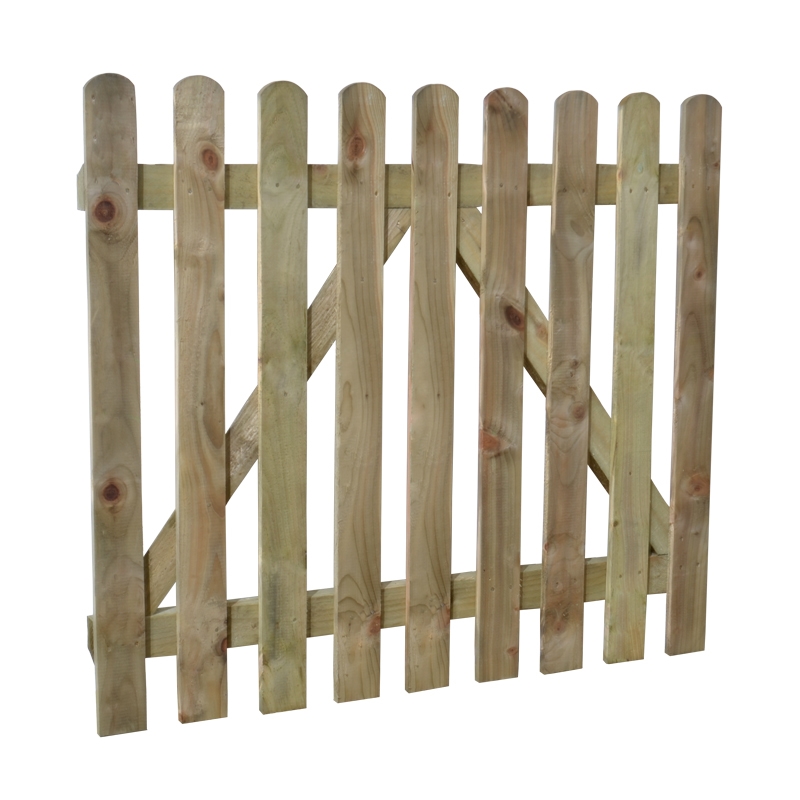
Gates 3×3 for garden spaces, side entrances and neat boundary openings: explore square proportions, timber and metal looks, privacy levels, latch options and the small details that make a 3×3 gate fit properly.
Why a 3×3 gate makes sense in a tight layout
A 3×3 gate is the kind of size that often suits a garden where the opening is measured, not guessed. It gives a tidy, balanced look and can work well for a side passage, a small front boundary, a rear access point or any spot where you want a clear entry without a bulky frame taking over the space. The square format brings a certain visual order too. It looks deliberate, not squeezed in as an afterthought.
Compared with taller or wider gates, a 3×3 format can feel lighter in the scheme of things. That does not mean it is less useful. In fact, for many buyers it is the right compromise between access and appearance. You get a defined opening, a proper boundary line and a gate that can sit neatly with shorter fencing, brick piers or garden walls.
Square, rectangular, arched: the shape changes the feel
When people look at gates in this category, they often focus on material first, but shape matters just as much. A square 3×3 gate has a calm, even look. It suits modern paving, straight fence lines and minimalist planting. A rectangular version, even if only slightly taller or wider in outline, can make the entrance feel more formal and a touch more open. An arched top softens the edges and brings a more decorative note, which can be handy if the rest of the garden has curves, trellis, or planting that spills over the boundary.
Bestseller der Kategorie Gates 3x3
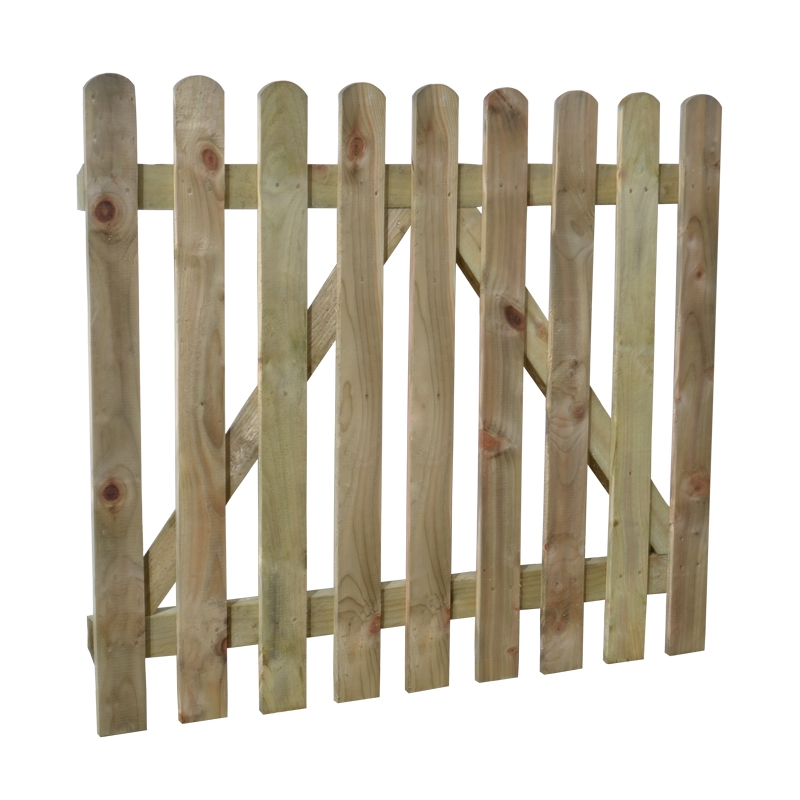
Some gates in this size also come with straight tops, rounded tops or coped details. These may look like small choices, but they change the character of the whole entrance. A straight top tends to read as practical and neat. Rounded edges can reduce the hard line effect and feel a bit friendlier. A more detailed top rail, on the other hand, can be useful if the gate needs to echo existing garden features.
Timber, metal or a mixed look: the material story
One of the biggest differences in 3×3 gates is the material. Timber gates are often chosen for their natural appearance and the way they sit alongside planting, gravel paths and traditional fencing. They can look understated or rustic depending on the finish and slat pattern. Timber also works well when you want the gate to blend in rather than stand out.
Metal gates bring a different tone. They tend to suit a sharper boundary, with a more defined frame and a clearer view through the structure if the design is open. Depending on the pattern, a metal gate can feel light and airy or more secure and enclosed. In a 3×3 size, metal often gives a smart, compact look without feeling heavy.
There are also mixed-material styles where a timber infill sits in a metal frame, or where decorative metalwork is paired with a wooden finish. These can be useful if you want the warmth of timber but the outline of metal. The result is often more tailored, though it depends on the rest of the garden. A mixed gate can look right at home beside modern fencing, painted walls or even a cottage-style path if the details are kept simple.
Solid, slatted, panelled: how much you want to see through it
The level of openness is a big decision. A solid gate gives more privacy and helps define the entrance as a clear boundary. It is a useful choice where the opening sits close to a seating area, a bin store or a side access route that you would rather not leave exposed. Solid gates also give a stronger sense of enclosure, which some people prefer for front garden edges or back passages.
Slatted gates sit somewhere in the middle. They offer a lighter appearance and allow a degree of visibility, which can stop a small space feeling boxed in. The spacing between slats can make the gate feel more breathable, even if the footprint stays the same. That said, the more open the slats, the less privacy you get, so it is worth thinking about what sits behind the gate before choosing the style.
Panelled designs are another option, especially where the gate needs to match fencing with panels or repeated lines. They create a tidy, structured look and can bring a sense of continuity across the boundary. For a 3×3 opening, panelled gates can make everything feel measured and neat, though they may read as more formal than a slatted option.
Decorative details that do more than just look nice
It is easy to think of gate details as purely decorative, but they can also affect how the gate sits in the garden. A vertical boarded gate gives a different feel from a horizontal boarded gate. Vertical boards tend to look classic and tidy, while horizontal lines can make a small entrance feel a bit wider and more contemporary. If the space is narrow, that horizontal effect can be surprisingly useful.
Cross braces, diagonal supports and matching rails are not just about strength; they also shape the overall look. A diagonal brace can give a gate a more traditional working-garden feel. A framed edge with hidden support looks cleaner and more precise. If the rest of the garden has strong lines, a simpler frame usually sits better. If the garden leans into a more rustic mood, a visible brace can feel right without trying too hard.
Privacy, access and the balance in between
For many buyers, the question is not simply “which gate?” but what should the gate do. A 3×3 gate may need to block sightlines, guide access, or just mark a transition between spaces. Privacy matters if the gate faces a shared path, overlooks a working area or opens onto a part of the garden you want to keep tucked away. In that case, denser boards or closely spaced slats make sense.
If the aim is easy movement and a more open feel, a gate with lighter spacing or a less enclosed pattern is often better. That can be especially useful in compact gardens, where a heavy gate can make the route feel tighter than it really is. Some buyers also choose a clearer style so they can see who is coming through the opening, or so a path feels less hidden. It is a small thing, but it changes how the garden is used day to day.
Hardware that changes the whole job
The gate itself is only half the story. Hinges, latches and catches have a direct effect on how the gate works and how it looks when closed. A neat latch can keep the front of the gate uncluttered. A more visible bolt or catch may suit a practical side entrance where function matters more than a clean face. In a square 3×3 format, the positioning of the hardware matters even more because the proportions are compact and every fitting is easier to notice.
If you are comparing gates, it helps to think about whether the hardware needs to be front-facing, hidden or matched to existing metalwork. A gate with simple, tidy fixings often feels more refined in a small opening. On the other hand, more obvious fittings can suit an agricultural or utilitarian look. Neither is wrong, but the difference is real.
Different styles for different garden moods
Not every 3×3 gate wants to look the same. A country-style gate may use wider boards, a softer top line and a more relaxed finish. That suits gardens with mixed planting, informal paths and older boundary walls. A contemporary gate often uses slimmer lines, a cleaner frame and a more deliberate geometry. It works well where the paving is crisp and the planting is kept controlled.
Traditional gates often lean on familiar proportions, visible join lines and a practical stance. They sit well with cottage gardens, timber fencing and older homes. More minimal designs tend to avoid ornament, which can be useful when the rest of the space already has enough going on. In a small garden, less detail can often be the better call, because the gate should support the scene rather than fight it.
What to check before you choose one
A 3×3 gate sounds straightforward, but the practical details matter. First, check the opening width and height carefully. A gate that looks right on paper can still feel off if the posts, hinges or ground level are not quite what you expected. It is also worth thinking about how the gate opens: inward, outward, left-hand or right-hand. These things sound basic, yet they decide whether the gate feels easy or annoying every time you use it.
Also consider the surrounding materials. A gate next to brick piers will not read the same as one fixed between timber posts. A gate beside pale render may need a darker finish to stand out, while a dark boundary can often handle a lighter, more open style. The goal is not to make everything match exactly. It is more about getting the gate to sit in the space as if it was always meant to be there.
Why buyers keep coming back to this size
The appeal of Gates 3×3 is partly practical, partly visual. The size is manageable. The proportions are tidy. The gate can suit a number of jobs without dominating the garden. For buyers who want something that feels measured rather than oversized, this category offers a useful middle ground. It can add definition to a route, create a more private feel, and still leave the space looking balanced.
There is also a certain confidence in choosing a gate that fits the setting properly. A too-large gate can overwhelm a narrow passage. A too-small one can look like a patch-up. A well-chosen 3×3 gate avoids both problems. It gives the entrance a proper presence, and that alone can lift the look of a whole boundary area.
Small tips that help the choice feel easier
If you are comparing options, think about the gate in relation to the whole boundary rather than as a single item. A gate with close boarding suits a private corner better than an open frame. A gate with slimmer lines can ease the look of a narrow path. A square format can bring neatness, while a slightly softer top line can stop the entrance feeling too rigid.
- Match the openness of the gate to the level of privacy you actually want.
- Check the frame style against nearby fencing so the change does not feel abrupt.
- Consider the direction of swing before ordering, especially in tighter spaces.
- Look at the top profile as well as the main panels; it affects the whole feel.
- Choose hardware that suits both the look and the way the gate will be used.
The detail that turns a gate into a proper entrance
A good 3×3 gate does more than close an opening. It marks a threshold, frames a route and helps the garden feel finished. Whether you prefer timber warmth, metal definition, panelled privacy or a lighter slatted build, the right style can make a compact entrance feel sorted out rather than improvised. That is often what buyers are really after: something that sits well, works properly and looks like it belongs there.
For a garden shop category, that is the attraction of this range. Different under-forms, different finishes, different levels of screening — all in a size that is practical enough for everyday use. If you are narrowing down the options, it is worth choosing the gate that suits the way the space is actually used, not just the one that looks neat in isolation. A small entrance can still set the tone for the whole garden, and a well-chosen gate does a lot of quiet work.
[Sassy_Social_Share]