
Gates 30 sq ft / 3 m² - Best Deals in UK!
Showing all 2 results
-
Forest 8â x 4â Croft Prestige Gate (2.44m x 1.22m) £199.99

-
Forest 7â x 4â Croft Prestige Gate (2.13m x 1.22m) £189.99

Gates for 30 sq ft / 3 m² suit compact garden entrances, side access points and practical boundary openings, with styles from timber to metal, single to double, and designs that balance privacy, access and character.
Small opening, clear purpose
When you are choosing a gate for a 30 sq ft / 3 m² opening, the focus is often on getting the proportions right. This size works well for narrower garden runs, side paths, bin access, and small front boundaries where a full-size entrance would feel too heavy. The right gate should not only fit the gap, but also suit the way the space is used day to day.
In this category, the most useful choices tend to be single gates, double gates, and more compact styles that keep a neat line without crowding the space. A gate of this size can be simple and plain, or it can add real presence with lattice, vertical slats, curved tops, or framed panels. The point is not to overpower the opening, but to make it look intentional.
Shapes that change the whole feel
Even within a modest footprint, the shape of a gate makes a big differance to how it reads from the outside and inside. A straight-top gate gives a tidy, practical look and tends to blend in well with fencing. A arched-top gate softens the boundary and can be a nice match for cottage gardens or planted edges. A square-frame gate feels clean and structured, while a curved or scalloped top adds a bit of movement without taking much extra space.
Bestseller der Kategorie Gates 30 sq ft / 3 m²
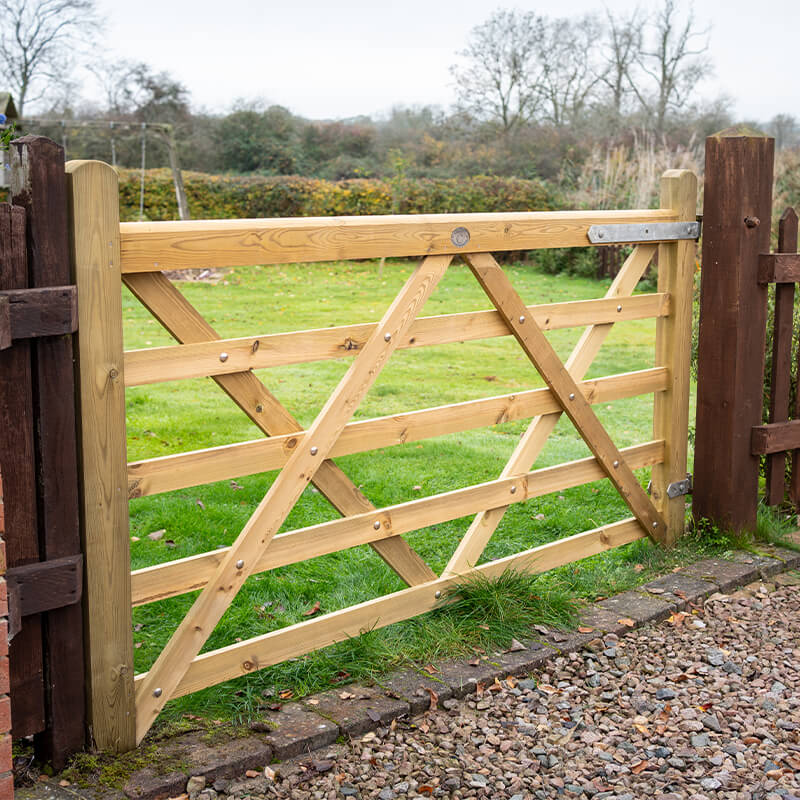
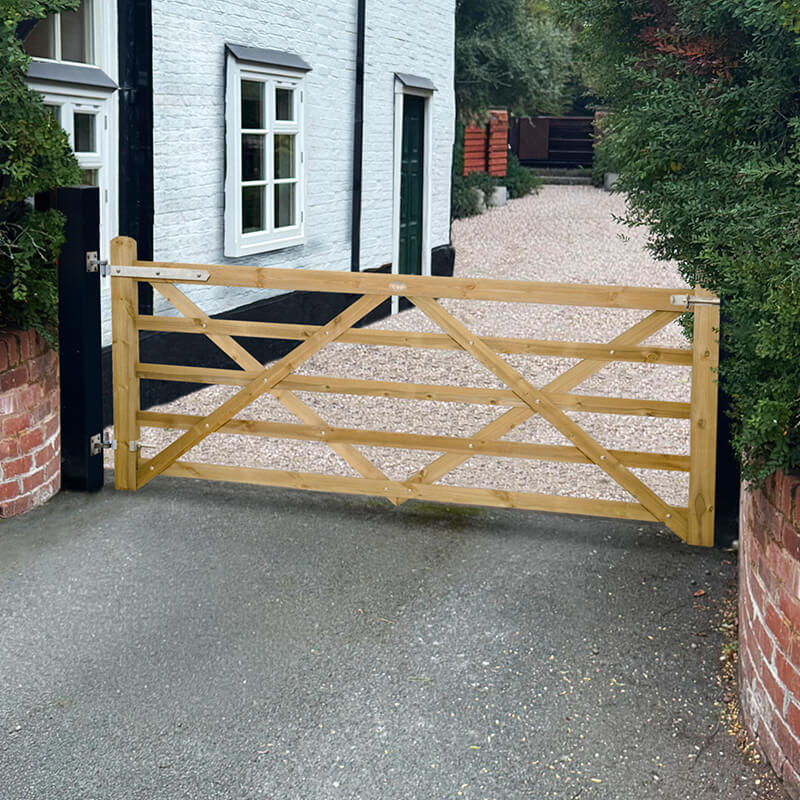
For smaller entrances, shape can also affect how open the gateway feels. A design with open slats lets light through and keeps sightlines clear. A more solid panel creates a stronger visual barrier and helps mark the threshold more clearly. If the opening sits near a path or driveway, that balance between openness and definition is worth thinking about.
Single leaf, double leaf, or something in between
One of the main differences in this category is whether the opening is served by a single gate or double gates. A single gate is often the better fit for straightforward pedestrian access. It is easier to use, takes less room to swing, and keeps the look simple. For a 30 sq ft / 3 m² area, single gates are common where the entrance is narrow but still needs a proper framed finish.
Double gates suit wider openings where the space needs to be flexible. They can be useful for moving larger items through, or where you want the choice of opening one leaf for people and both leaves when needed. The visual effect is also different: double gates can make a small opening feel more balanced, especially on wider boundary lines. If the setting is very compact, though, double leaves can feel a bit busy, so the proportions need checking carefully.
- Single gate – practical for foot access and narrow openings
- Double gates – useful where width and access flexibility matter
- Offset designs – suit uneven boundaries or mixed-width openings
Materials that do more than just look good
The material has a big influence on how a gate behaves in use, and on the mood it creates. Timber gates bring warmth and a natural feel, which works well in planted gardens and traditional settings. They can sit softly against hedging, brick, or stone, and they often look right where the boundary needs a less rigid finish. A timber gate may also be chosen where the aim is to keep things visually calm.
Metal gates, including steel or wrought-style patterns, feel more defined and structured. They can suit contemporary spaces, period properties, or places where the gate is meant to read as a clear entrance point. Metal often gives a lighter visual line if the design uses bars or open motifs, even when the frame itself feels firm. For buyers wanting a more architectural edge, metal tends to bring that without needing much width.
Composite-style gates can be considered where a consistent look is important and the opening needs a clean, controlled finish. In this size range, the material choice is often less about making a big statement and more about getting the right mix of appearance, privacy and solidity.
Privacy, openness and the in-between options
For a gate covering around 30 sq ft / 3 m², the level of privacy is usually one of the key buying decisions. Some customers want a gate that shields a side passage or keeps a bin store less visible. Others prefer a design that feels lighter and lets the garden breathe. The good thing is that there are several useful middle-ground options.
Solid-panel gates are the most private, creating a firm visual block at the entrance. They suit spaces where you want the boundary to feel defined. Semi-privacy gates use spacing, slats, or partial infill to give coverage without making the gate feel heavy. Then there are open designs, which are good when you want to keep the entrance airy, especially if the gate sits near planting or a front approach.
The choice often comes down to the setting rather than the gate alone. A narrow alleyway beside the house may need something more enclosed, while a garden path at the front can benefit from a gate that feels welcoming rather than blocky. It is one of those details that sounds small, but changes how the whole boundary feels.
Traditional, modern and somewhere nicely in the middle
Style matters, even on a compact gate. A traditional gate with vertical boards, soft curves or framed timber suits older homes, cottage gardens and rural boundaries. It helps the gateway feel part of the landscape rather than an add-on. A modern gate tends to use straight lines, slim spacing and a more pared-back frame, which can work really well in newer gardens and sharper architectural settings.
There are also styles that sit neatly between the two. A gate with a simple frame and modest decorative detail can work across lots of property types, which is handy if the boundary needs to match both fencing and the house itself. In a smaller opening, these balanced designs are often appealing because they do not pull too much attention, but still look finished.
What changes from one gate to another
When comparing gates in this size range, a few points stand out quickly. The frame thickness changes how substantial the gate feels. A heavier frame can make a small entrance seem more secure, while a slimmer frame keeps things lighter. The infilling changes both the look and the level of screening. The top line changes the character. And the opening direction changes how practical the gate is in a tight space.
If there is a slope, a path corner, or a wall close by, even a good-looking gate can become awkward if the swing is not thought through. Side access points are often tight in real life, not just on paper, so it helps to look at how the gate will open with bins, bags, bikes, or muddy boots in mind. That sounds basic, but it makes a proper differance to everyday use.
Useful details buyers tend to notice later
A gate can look right in a photo and still not suit the opening unless the smaller details are considered. One of those is clearance. Another is hardware positioning. A third is whether the gate looks proportionate once set into fencing or masonry. For a 30 sq ft / 3 m² opening, these details matter because the margins are smaller and there is less room for imbalance.
It also helps to think about the visual weight of the design. A very dense panel on a small opening can feel more enclosed than expected. On the other hand, a gate with too much open space may not give enough presence at the threshold. The sweet spot is different from one setting to another, which is why this category includes several forms rather than one standard answer.
- Check the width and height together, not as separate figures
- Match the gate style to the surrounding fence or wall
- Choose the opening direction based on the space you actually walk through
- Think about visual balance as much as physical fit
Why this size works so well in gardens
A gate covering around 30 sq ft / 3 m² is often a sweet spot for practical garden use. It is large enough to create a proper entrance, yet compact enough to suit many domestic boundaries without looking oversized. That makes it a sensible choice for side returns, rear access, smaller front gardens and enclosed plots where every metre counts.
This size can also help a boundary feel more finished. A simple gap in fencing is one thing; a gate gives the space a clear start and end point. It adds a sense of order, but it can also add charm, depending on the design. Buyers often notice that a good gate changes the whole tone of the area, even when it is one of the smallest items in the garden.
Different looks for different jobs
Not every gate in this category needs to do the same job. A plain slatted gate may be ideal where the main aim is simple access with a neat appearance. A panelled gate suits spaces where privacy matters more. A decorative gate can be the right fit where the entrance should feel like part of the garden design rather than just a boundary function.
There are also differences in how much the gate reveals. Slatted and open-frame types let the eye travel through the opening, which can make a small space feel less cramped. More solid designs create a stronger edge and can be helpful where the gate sits close to a public-facing side or where a tidy visual block is preferred. Both can be the right answer, depending on the plot.
Picking the right gate without overcomplicating it
For many buyers, the decision comes down to a few honest questions: Do you want more privacy, or a lighter feel? Is the opening for people only, or does it need extra flexibility? Should the gate blend in quietly, or stand out a little? Once those are answered, the choice tends to narrow quite quickly.
A gate for a 30 sq ft / 3 m² space should feel proportionate, work with the layout and suit the way the garden is used. That is the real advantage of this category: there is room for different forms without losing practicality. Whether you lean towards timber warmth, metal definition, solid privacy or a more open design, the right gate can make a small entrance feel sorted, tidy and properly thought through.
Shortlist at a glance
- Timber for a warmer, softer boundary line
- Metal for a firmer, more structured entrance
- Single leaf for straightforward access
- Double leaf for wider, more flexible openings
- Solid panels for privacy
- Open slats for light, visibility and a less heavy look
- Arched or curved tops for a gentler outline
- Straight tops for a neat, simple finish
With the right shape, material and level of openness, a gate for a 30 sq ft / 3 m² opening becomes more than a boundary piece. It gives the space a clear entrance, improves the visual flow of the garden, and makes a small area feel properly resolved rather than left unfinished.
[Sassy_Social_Share]