
Garden Structures with Pent Roof - Best Deals in UK!
Showing all 5 results
-
7% OFF: 11’8 x 9’6 Palmako Kira (16mm) Premium Extra-Large Garden Bar (3.6m x 2.9m) £2,989.007%

-
7% OFF: 10’1 x 4’6 Forest Hedgerow Wooden Dog Kennel with 6ft Run – Pet House (3.07m x 1.38m) £1,019.997%

-
6% OFF: 6’6 x 3’5 Forest Hedgerow Wooden Chicken Coop with 4ft Run (1.99m x 1.05m) £469.996%

-
6’4 x 2’5 Forest Hedgerow Wooden 2 Tier Rabbit Hutch £534.994%

-
5’4 x 3’8 Forest Hedgerow Wooden Large Hen House (1.63m x 1.12m) £679.993%

Garden structures with pent roof bring a neat, sloping profile to storage, shelter and outdoor living, with practical headroom, easy rain run-off and a clean fit for modern gardens.
A sloping profile that works with the garden
A pent roof has a single slope, which gives these garden structures a clear, orderly look and a shape that sits well against boundaries, fences, garages and walls. That simple roofline is part of the appeal: it feels calm rather than fussy, and it suits gardens where space needs to be used carefully. In this category, the pent roof is not just a style detail, it changes the way the structure performs. The higher side creates useful standing space, while the lower side helps the building tuck neatly into a corner or along a side return.
For many buyers, that makes a pent roof structure feel more intentional than a pitched alternative. It can look more architectural, with a cleaner silhouette and a sharper connection to the layout of the plot. Whether the structure is intended for storage, shelter or a small outdoor nook, the pent roof gives it a measured, practical character.
Shapes and sub-types you’ll see in this category
Not every pent roof garden structure does the same job, and that is where the category becomes useful. You will come across several forms, each suited to a different kind of garden use:
Bestseller der Kategorie Garden Structures with Pent Roof
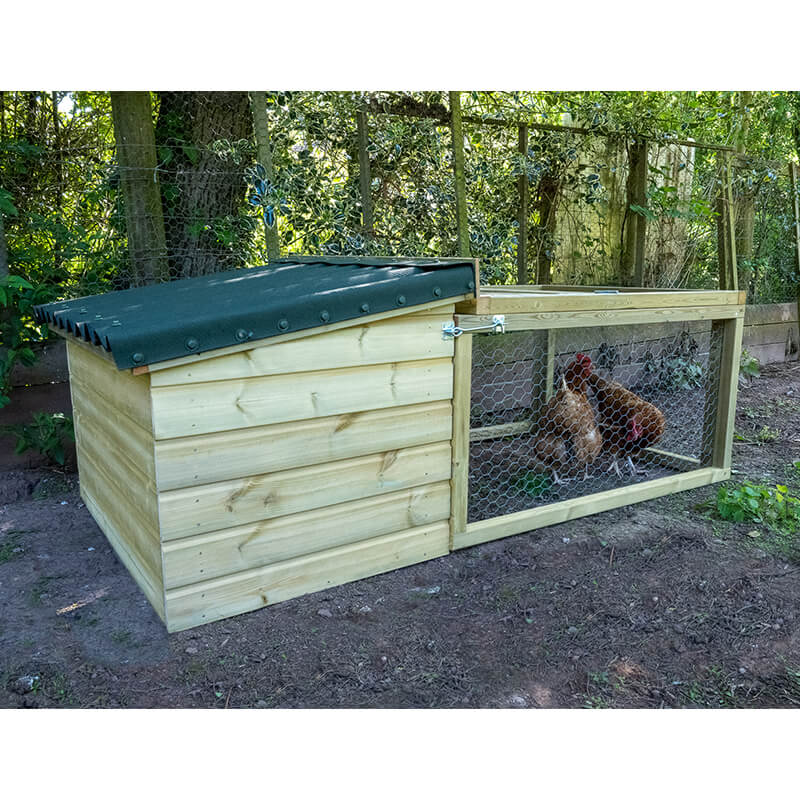
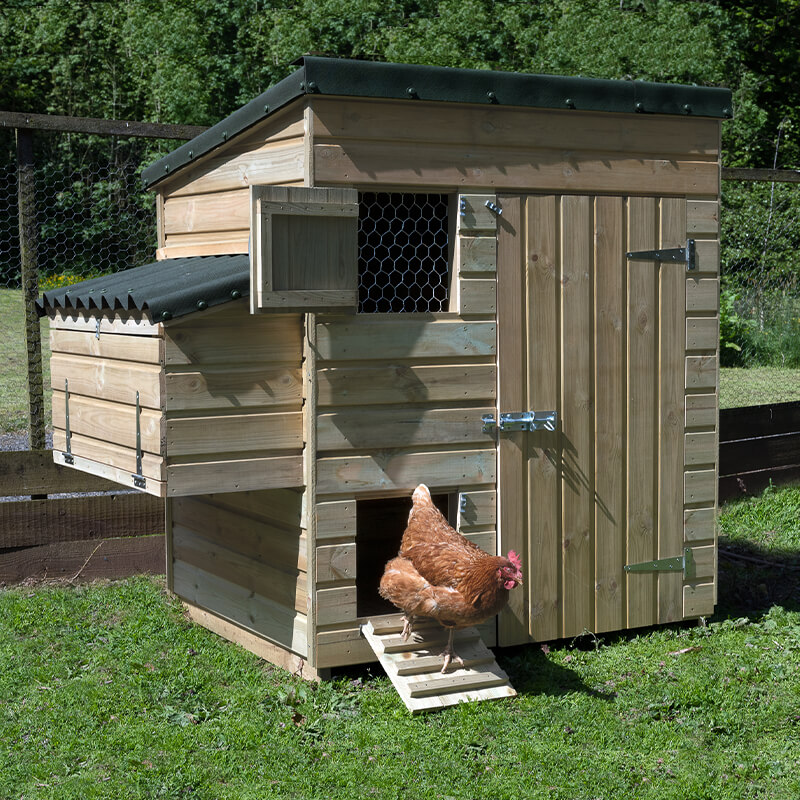
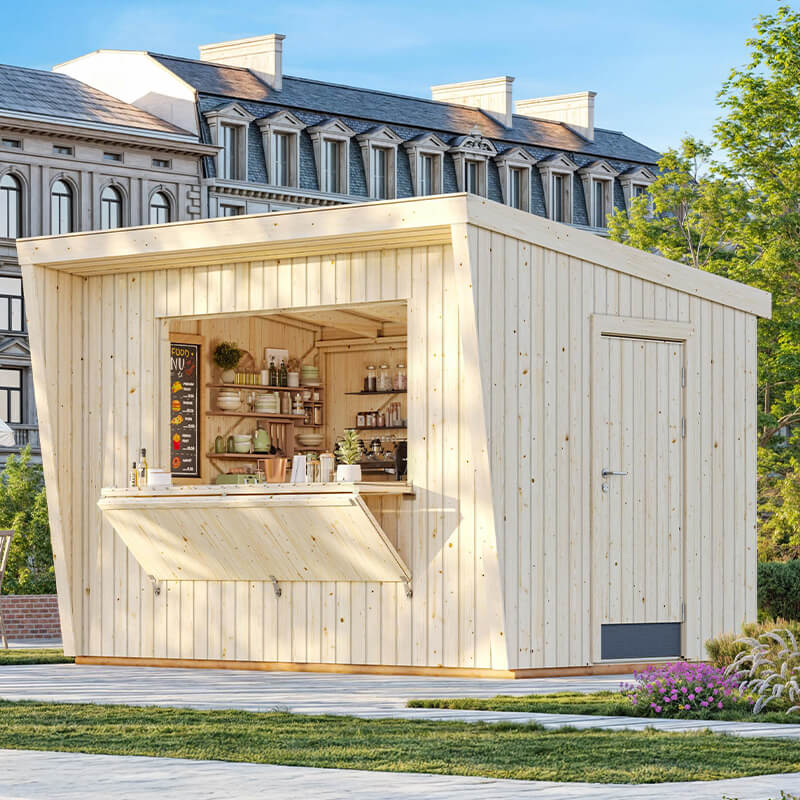
- Pent sheds for tools, mowers, pots and general storage.
- Pent bike stores that use the low profile to sit neatly along a fence or wall.
- Pent log stores where the sloped roof helps cover stacked firewood.
- Pent summerhouses or garden rooms with a compact, contemporary outline.
- Pent shelters or open-sided structures for dry cover without enclosing the space fully.
- Pent gazebos and seating areas with an angled roof for a more restrained look.
These sub-types differ not only in use, but also in the way the roof affects the interior. A pent shed usually gives you a clear high point for taller items or overhead storage. A pent log store, by contrast, may use the slope to support ventilation and keep the stack visually contained. An open-sided pent shelter often feels less formal and more adaptable, while a closed structure gives a stronger sense of security and privacy.
Why the single slope matters more than it first looks
The pent roof form brings a set of practical advantages that are easy to see once the structure is in place. Rainwater moves in one direction, so the roof has a clear drainage line. That can make positioning simpler, especially when the structure is sited beside an existing wall or at the edge of a plot. The angled profile can also help the building feel lower and less visually heavy on one side, which is useful if you do not want a garden structure to dominate the view.
Another point is interior shape. Because the roof rises from one side to the other, the higher wall can offer better usability for shelving, hanging tools, or fitting taller items. The lower side can help keep the overall form compact. For buyers comparing garden structures, this difference is often the reason a pent roof design feels more workable than a gable or apex roof in a narrower space.
Garden spaces that suit a pent roof build
Pent roof structures tend to make sense where the garden layout already has a clear edge or boundary line. They work well against:
- side passages where space is limited but storage is still needed
- rear boundaries where a neat, low-profile structure helps preserve open views
- walls and fences that can visually frame the slope
- corner plots where the angled roof makes the most of an awkward area
- long, narrow gardens where a straight roofline feels more in keeping
This category is often chosen by people who want a structure that feels integrated rather than standalone. A pent roof can look as if it belongs to the garden’s edges, which is especially useful when the main aim is to add function without crowding the space. Even a modest footprint can feel useful if the roofline is set correctly and the structure is placed with enough thought to access and outlook.
Storage-focused designs with a tidy footprint
If your main interest is garden storage, the pent roof category offers a very practical range of options. A pent shed can be arranged to suit tools, seed trays, outdoor cushions or equipment that would otherwise clutter a patio. The sloping roof gives a sense of direction to the interior, and that can be helpful when planning shelves or hooks. Many people prefer this style because it feels straightforward: one high side, one low side, and a shape that is easy to read.
Compared with an apex shed, a pent shed often has a cleaner side profile and can appear less bulky in a small garden. Compared with a lean-to that is tightly tied to a building, a freestanding pent structure may feel more flexible in siting. If the priority is to keep the garden organised without adding visual noise, this category can fit well.
Open, enclosed or part-open: choosing the right level of shelter
One of the main differences across pent roof garden structures is how enclosed they are. A fully enclosed pent structure gives better definition and privacy, making it suited to storage or a small retreat area. A part-open version may have a roof and supporting posts, giving shelter for seating, timber, bikes or potting tasks while keeping the sides freer. An open-sided pent shelter is often chosen for dry cover and easy access rather than security.
The choice matters because it changes how the structure behaves in daily use. If you want fast access and less obstruction, an open design may suit. If you prefer a sharper boundary between garden and stored items, a closed version is more convincing. Some buyers like the middle ground, where the roof gives dependable cover but the side arrangement still feels light and not overbuilt.
Materials and finish: the look shifts with the roofline
The pent roof itself is only one part of the character; the material finish makes a big difference too. Timber versions tend to bring a softer, more natural feel and sit comfortably in planted spaces. Metal structures can read as crisp and utilitarian, often chosen for storage where a clean outline is the main aim. Resin or composite options, where available in this category, may offer a more contemporary surface and a uniform look, though the exact feel depends on the product.
The sloping roof can make simple materials look sharper, because the angle gives them form. This is one reason pent roof structures often suit modern garden design. The structure does not need much ornament to work visually; the line of the roof does the heavy lifting. If you are comparing products, it helps to notice how the roof edge, wall height and door position sit together, as these details change both appearance and usability.
Useful differences between pent and other roof shapes
When comparing pent roof structures with other common roof types, the differences are practical as well as visual. An apex roof creates a central peak and can feel more traditional, with equal slope on both sides. That may suit detached garden buildings where balance matters. A pent roof, on the other hand, uses one continuous slope and often works better where a structure needs to sit against a boundary or stay visually lower on one side.
Compared with a flat roof, a pent roof has a more defined angle, which can feel more resolved and purposeful. The slope adds a sense of direction and can help rain move away in a clearer path. Compared with a curved roof or more decorative form, it is less elaborate and often easier to place in a tidy, compact garden layout. Buyers often end up choosing pent roof structures when they want a shape that is neither too plain nor too ornate.
What to look for in the structure itself
When browsing this category, it helps to think in terms of practical features rather than just size. The roof pitch, wall heights and opening style all shape how the structure feels in use. A steeper pent roof can improve internal headroom on the high side, while a shallower angle may help keep the outside profile low. Door placement matters too: side access may suit a narrow plot, while a front opening can make sense where the structure is visible from the main garden area.
Look closely at whether the design is intended for freestanding use or to sit in a more sheltered position. Also consider the footprint in relation to access paths, planters, lawn edges and seating areas. A pent structure can appear modest from the outside yet still offer useful internal volume. That contrast is part of its appeal, and it is why these buildings are often chosen for plots where every metre has to do something.
Compact or generous: the category covers both
Pent roof garden structures are not all the same size, and that variety matters. Compact versions are useful for tools, smaller accessories or bikes, especially when the garden is short on spare space. Larger structures can be used for more varied storage or for outdoor seating under cover. The roofline tends to scale well in both directions, because the single slope keeps the overall shape readable even as the footprint grows.
This means the category can suit different buying aims. Some buyers want a slim structure that sits quietly by a fence. Others need a more substantial piece that helps zone the garden and create a defined function. Because the pent roof is so adaptable, it often appears in several widths and depths, and that gives more room to match the structure to the plot rather than forcing the plot to fit the product.
A neat fit for modern and traditional gardens alike
Although pent roof designs often look modern, they are not limited to contemporary spaces. In a traditional garden, a timber pent structure can feel orderly and unobtrusive, especially if it is softened by planting nearby. In a more current layout, the same roofline can support a sharper, more architectural look. The difference lies in the surrounding materials, the finish and the way the structure is placed.
That versatility is useful for buyers who do not want their garden building to lock them into one style. A pent roof can sit quietly in the background or become a clear design feature. It depends on the overall setting, which is why this category tends to attract people who want function, but still care about how the space feels when they look out from the house or sit outside.
Practical buying tips without overcomplicating it
Before choosing a pent roof garden structure, it helps to think about how the slope will affect the everyday use of the space. If you need taller internal room, check which side carries the higher wall. If the structure is going near a fence or wall, think about which direction the roof will shed water and whether the shape sits comfortably within the available width. These points can make a noticeable difference, even when the overall size seems similar.
It also helps to compare the intended function with the form. A pent shed is not the same as a pent shelter, and a bike store has different access needs from a garden room. The roof shape ties them together, but the details decide how well they work. If you want the structure to feel easy to use, look for a design where the door position, wall height and roof slope all seem to make sense together rather than fighting each other.
Why buyers keep coming back to this roof shape
There is something reassuring about a pent roof garden structure. It does not try too hard. The form is clear, the use is obvious and the profile fits into a lot of real gardens without asking for much extra space. For that reason, people often choose it when they want a solution that feels tidy and sensible, but still has a bit of design presence.
It also helps that the category covers more than one need. One buyer may be looking for a discreet storage unit, another for a sheltered place to sit, and another for a narrow structure that uses a side return well. The pent roof keeps all of these possibilities under one heading. That makes the category useful to browse, because it brings together structures that share a shape but still differ in function, scale and appearance.
Choose the version that fits how you use the garden
In the end, garden structures with pent roof work well because they balance appearance and use in a direct way. They can be compact or roomy, open or enclosed, plain or more decorative, but the one-slope roof always gives them a clear identity. If you want a structure that sits neatly in a boundary space, supports practical storage, or creates cover without making the garden feel crowded, this category is worth a close look.
The best choice is usually the one that answers a real layout problem: not enough storage, no dry place for equipment, an awkward side gap, a need for shelter with a low profile. That is where the pent roof earns its place. It gives the garden a structure that feels planned, and that can make the whole space look more settled, even before anything else changes.
[Sassy_Social_Share]