
Garden Structures with Flat Roof - Best Deals in UK!
Showing all 5 results
-
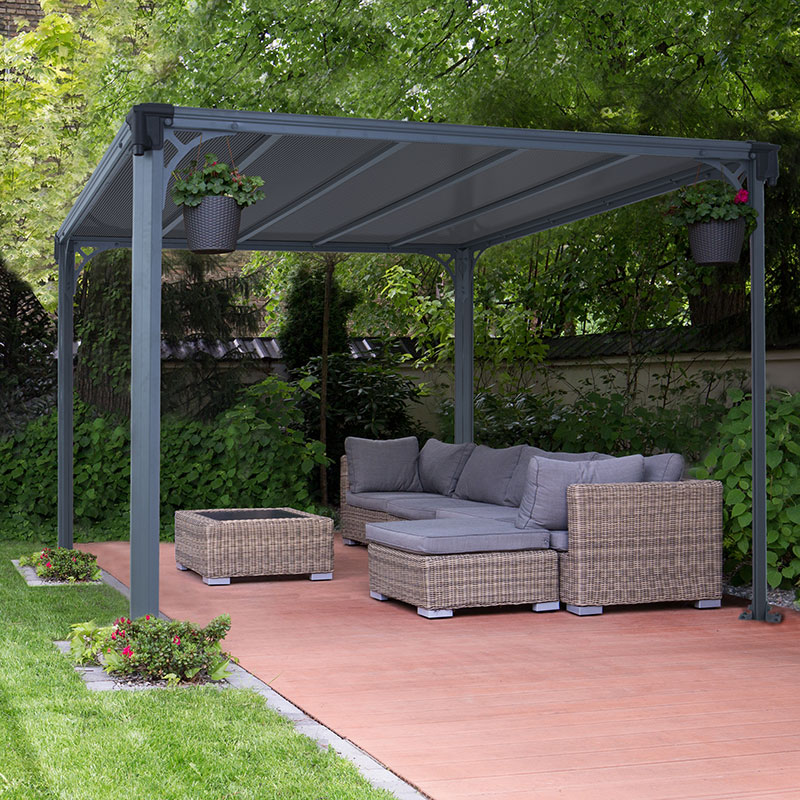
12% OFF: 10’x10′ (3x3m) Palram Canopia Milano 3000 Garden Gazebo £927.9912%

-
9% OFF: 14’x10′ (4.2x3m) Palram Canopia Milano 4300 Grey Garden Gazebo £1,521.999%

-
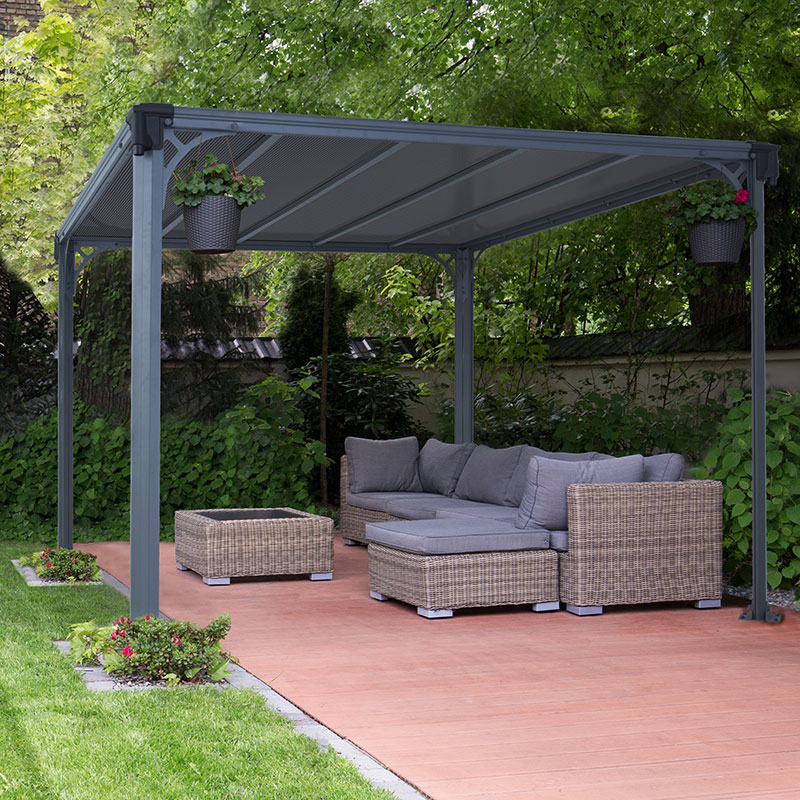
8% OFF: 14’x10′ (4.2x3m) Palram Canopia Milano 4300 Grey Garden Gazebo £1,529.008%
-
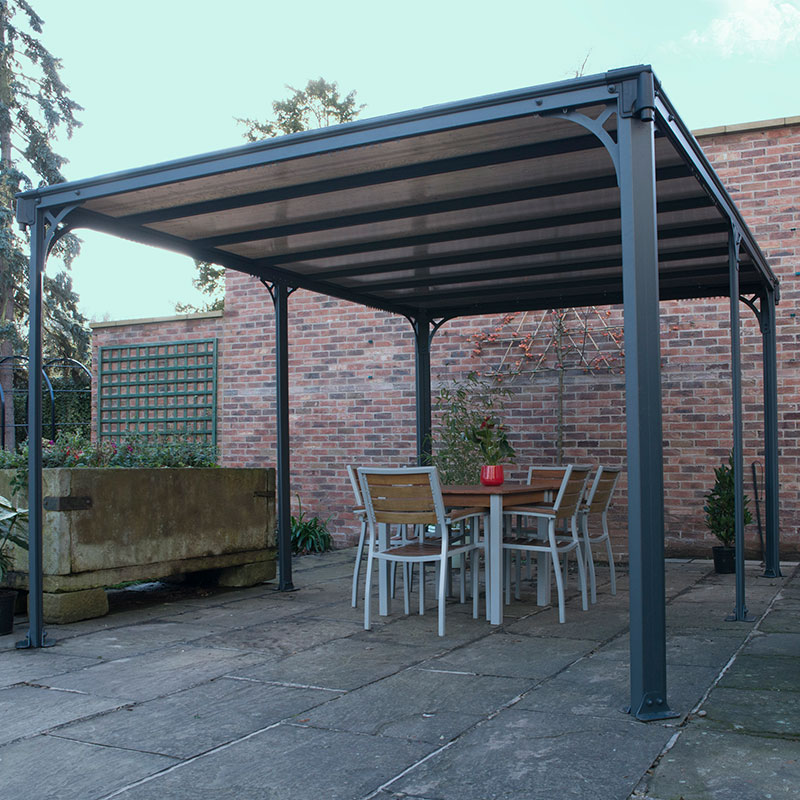
10’x10′ (3x3m) Palram Canopia Milano 3000 Garden Gazebo £999.995%
-
14’x10′ (4.2x3m) Palram Canopia Milano 4300 Grey Garden Gazebo £1,639.00
Garden structures with flat roof bring a clean, architectural look to outdoor spaces, combining practical shelter, defined lines and flexible use for seating, dining, storage or shade. Ideal for modern gardens, patios and compact plots.
Sharp Lines, Calm Spaces
A flat roof garden structure changes the feel of a garden straight away. The low-profile roof line sits neatly against fencing, planting and hard landscaping, which makes it a good choice where a pitched roof would feel too heavy. The shape is simple, but that is part of the appeal: it can make a space feel ordered, purposeful and easier to furnish. For buyers who want something that looks considered rather than fussy, the flat roof form has a clear advantage.
These structures often suit modern patios, courtyard gardens, roof terraces and narrow side returns, because the design does not dominate the view. The visual effect is especially strong when the frame is paired with slim posts and clean edges. Even in a more traditional garden, a flat roof structure can sit quietly in the background while still creating a proper outdoor room.
What Counts as a Flat Roof Structure?
The category covers several different forms, and that is useful because the roof shape can support many uses. Some structures are fully open-sided and behave like a framed shelter. Others are more enclosed and act as a semi-room outdoors. The roof itself may look completely flat, or have a very slight fall to help water run off. That slight slope is common and often not obvious from a distance, but it makes a practical difference.
Bestseller der Kategorie Garden Structures with Flat Roof
Typical types include:
- Flat roof pergolas for defining seating or dining areas
- Garden shelters with open sides for shade and cover
- Corner structures that fit neatly into tighter layouts
- Covered walkways linking two garden zones
- Outdoor rooms with stronger framing and a more enclosed feel
- Lean-to style structures that attach to a wall or boundary
The difference between them is not just size. It is also about how much shelter, privacy and definition you want. A light open frame works well if you mainly want structure and shade. A more solid build gives a stronger sense of enclosure and is often better when the aim is to create an area that feels like part of the home.
Open Frame or More Sheltered?
One of the main choices in this category is between open-sided and partially enclosed designs. Open-sided flat roof structures are good when you want a clear view through the garden and do not want the space to feel boxed in. They can mark out a dining zone, a hot tub area, or a place for loungers without closing it off.
Partially enclosed versions, by contrast, create more separation. These may use side panels, screens or solid rear sections to give a better sense of privacy. In a built-up area, that can be a real plus. The same flat roof form can feel airy and light, or more cocooned, depending on how the sides are handled. That makes the category useful for different lifestyles, not just different gardens.
Timber, Metal, or a Mix of Both
The material choice shapes both appearance and the overall feel of the structure. Timber flat roof structures tend to look warmer and softer. They work well with planting, stone paving and more natural schemes, and they can help the structure blend into the garden rather than stand apart from it. A timber frame also gives a traditional edge to an otherwise modern roof line, which can be a nice contrast.
Metal-framed structures, especially in aluminium or steel, usually look slimmer and more architectural. They suit contemporary spaces where crisp lines matter. The frame can feel lighter visually, which is handy if the garden is not large. Some buyers also prefer the more industrial look, especially with dark finishes that sit well alongside composite decking, large format paving or glass panels.
There are also mixed-material designs, where one material is used for the frame and another for roof panels or side elements. This can create a useful balance between character and precision. The key difference is not just appearance. It is also about how solid, open or refined the structure feels once installed.
Flat Roof Forms That Change the Mood
Even within the same category, the actual shape can vary more than you might expect. A very simple rectangular frame is the most direct option and often works best for dining tables, benches or outdoor sofas. A wider footprint can make the space feel more like a destination, while a narrower run can work as a sheltered strip along a terrace or boundary.
Some flat roof structures are designed with clean right angles, which emphasise a modern look. Others soften the corners slightly or introduce slim overhangs, which can help the roof look less severe. The overhang itself is worth noticing: a small projection can add visual balance and extra shelter at the edges, while a tighter roof line can look more compact and exact. It depends on whether you want the structure to make a statement or simply sit neatly in the garden.
Why Buyers Keep Coming Back to This Style
The appeal of a flat roof garden structure is not only visual. It also gives a strong sense of usable outdoor space. A plain patio can feel a bit undefined, but a roofed structure creates a place with purpose. That makes furniture placement easier, and it often helps a garden feel more finished without needing a lot of extra features.
Another benefit is the way the shape works in gardens with height restrictions or awkward proportions. Because the roof sits lower and straighter than a pitched alternative, it can be more comfortable where neighbouring buildings, fences or planting already create a busy skyline. In smaller gardens, that lower roof line can stop the area from feeling crowded.
There is also a practical side. A flat roof structure can offer shade from strong sun, some protection from drizzle, and a sense of shelter that makes the outdoor area more likely to be used. It is not about turning the garden into an indoor room. It is about making the in-between space more comfortable, and that can matter a lot when you want to sit out longer or entertain without constantly moving things around.
How Different Uses Shape the Right Choice
The best flat roof structure depends on what it will actually do. For dining areas, a rectangular frame with clear spans is often easier to work with because it leaves room for chairs to move in and out. For a lounge-style setup, a broader sheltered zone may suit sofas or modular seating better. If the structure is being used near a side return or narrow plot, a slimmer run may be more appropriate than a square footprint.
For storage-related uses, such as covering bins, bikes or garden equipment, the look and size are different again. A flat roof can keep the form compact and unobtrusive, especially when the main aim is to hide utility items without making the garden feel cluttered. Some buyers also look for structures that bridge the gap between practical and social use, for example a shelter that covers a barbecue area but still leaves space for a bench or table. That sort of flexibility is where this category does well.
Details That Make a Noticeable Difference
Small design details often decide whether a structure feels plain or well resolved. Post thickness, for example, changes the mood immediately. Slim posts make the roof appear to float more lightly, while chunkier posts create a stronger, more grounded presence. Neither is better in itself; they just answer different tastes and different garden scales.
Roof edge finish is another feature to look at. A crisp edge can make the whole build feel sharper and more contemporary. A deeper fascia or edging board can add weight and make the roof read as a deliberate architectural element. Likewise, the depth of the roof overhang affects both the look and the level of cover. A deeper overhang can give a better sense of shelter, while a shallower one keeps the form tidy and compact.
There is also a difference between fully covered roofs and those with a more open top layer or partial cover. A solid roof makes the space feel more enclosed and gives a stronger shelter effect. A lighter roof arrangement can keep the area bright and less closed-in, which may be useful if the structure is positioned in a shady part of the garden already.
Tips for Choosing the Right Scale
Scale matters a great deal with flat roof structures, because the style is so direct. Too small, and it may feel like an afterthought. Too large, and it can overwhelm planting or seating areas. A useful approach is to think about the furniture first, then the structure around it. Leave enough space for movement, not just for the footprint of the table or chairs. That seems obvious, but people still get it wrong more often than you’d think.
Also think about the proportions of the garden. In a long narrow space, a rectangular roof often looks more natural than a square one. In a wider terrace, a more balanced frame can help anchor the area. If the structure is going near the house, matching the lines of windows, doors or paving joints can help it feel built in rather than just placed there.
For buyers comparing styles, a useful question is whether the structure should blend in or stand out. Flat roof designs can do either. A dark slim frame may disappear into the background at dusk, while a lighter timber frame can become a visible feature. Both options can work, but the decision should match the rest of the garden rather than fight it.
Where the Flat Roof Look Works Best
This category is especially strong in contemporary gardens, but it is not limited to them. It also suits mixed schemes where hard landscaping is modern but planting is soft and layered. A flat roof structure can act as a bridge between those two moods. In a traditional setting, it can bring a cleaner line without needing the rest of the garden to change completely.
It is particularly effective where there is a desire for outdoor zoning. If one part of the garden is for sitting, another for cooking and another for play, a flat roof structure can give one zone a clear identity. That helps the garden feel more usable through the seasons, even if the layout itself is simple.
Why It Feels Like a Proper Outdoor Room
Perhaps the main reason people choose garden structures with flat roof is that they create a sense of place. The straight roof line, the clear frame and the shelter overhead all help turn empty space into something more defined. It is a subtle transformation, but a strong one. The garden does not just look tidier; it becomes easier to imagine using.
For many buyers, that is the real draw. A flat roof structure can support a morning coffee spot, a lunch area, an evening seating zone or a quiet corner away from the house. It gives shape without fuss, cover without heaviness, and a modern edge without trying too hard. If you want a garden feature that looks deliberate and works hard for the space it takes up, this category is worth a close look.
- Best for defined seating areas where a clear roof line helps organise the layout
- Useful in compact gardens because the low profile keeps the space from feeling overloaded
- Suitable for modern and mixed-style schemes thanks to the clean geometry
- Available in open or more enclosed forms to suit shade, privacy or partial shelter
- Material choice changes the character from warm and natural to slim and architectural
- Can make outdoor areas feel more usable by giving them definition and cover