
Garden Structures with Dome Roof - Best Deals in UK!
Showing the single result

Garden structures with dome roofs bring a rounded, architectural feel to outdoor spaces, combining shelter, height and light in forms that suit dining areas, seating spots, plant displays and focal points.
Why a dome roof changes the whole look
A dome roof does more than cover a space. It gives a garden structure a softer outline than a flat or pitched top, so the frame feels less boxy and more open. That curved shape can make a gazebo, pavilion, pergola-style shelter or planting shelter feel more inviting, while also creating a recognisable silhouette in the garden. For buyers who want something that stands apart without looking heavy, the dome form often strikes the right balance.
The shape also works visually in different settings. In a formal garden, a dome roof can echo round paths, clipped planting and central seating layouts. In a looser planting scheme, it can sit comfortably among borders and lawns because the curve feels gentle rather than rigid. This is one of the reasons dome-roofed structures are chosen for both decorative and practical use.
Forms that suit different garden plans
Not every garden structure with a dome roof is built the same way. The category can include a range of shapes and frame styles, each bringing its own look and purpose:
Bestseller der Kategorie Garden Structures with Dome Roof
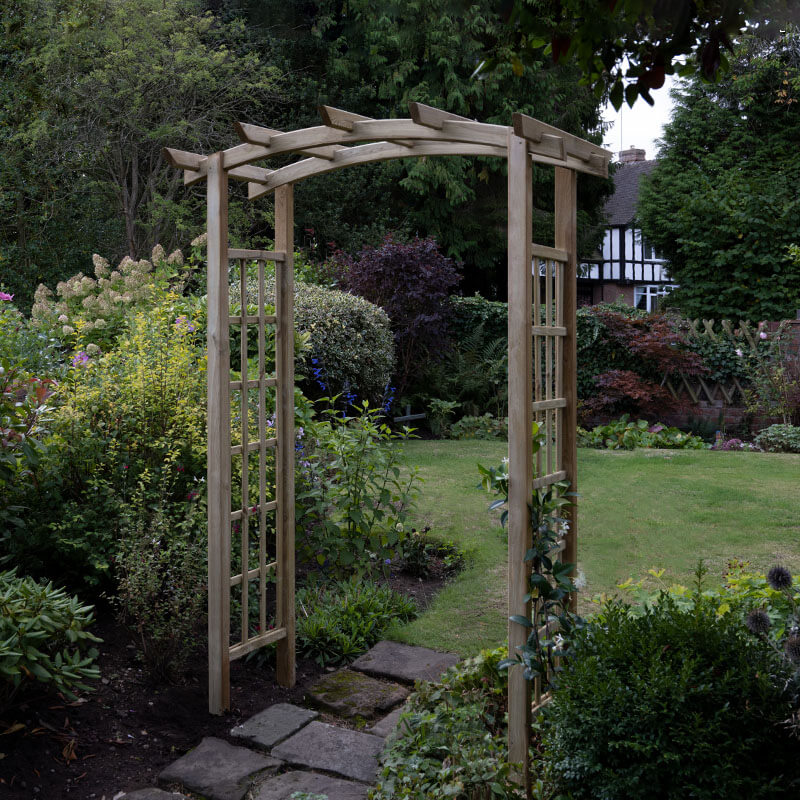
- Open-sided domed gazebos for shaded seating and social spaces.
- Partly enclosed domed shelters that give more wind cover and a stronger sense of room.
- Dome-roof pergola structures where the curved top adds character above an open framework.
- Round or octagonal domed pavilions that create a centrepiece in the garden.
- Compact domed frames for smaller patios, courtyard corners or decorative seating.
- Larger domed structures that define an outdoor dining area or event space.
The main difference between these forms is how enclosed they feel. An open-sided design gives a lighter, airier atmosphere and keeps the view of the garden around you. A more enclosed version creates a stronger sense of shelter and helps the structure read as a defined destination rather than just a cover. If you want the space to feel connected to the rest of the garden, the open types are often a better fit. If you want a more room-like feel, the partly enclosed ones can make more sense.
Round, octagonal or more architectural?
The dome roof itself can appear in a few different structural layouts. A round footprint is the most natural match and feels balanced from every angle. It suits central seating and can soften the look of a modern garden with straight lines and paving. An octagonal base is very common because it gives the dome a structured look while still keeping the curved roof as the main feature. It also tends to work well when there is a need for stable corner points and a more defined frame.
Some structures lean into an architectural pavilion style, with stronger posts, clearer joins and a more formal presence. Others are lighter and more decorative, with the dome used to create a graceful outline above the frame. The choice between these styles depends on what you want the structure to do. If it is mainly a focal point, the more architectural look can give the garden a sense of order. If it is meant to feel relaxed and blended into planting, a lighter frame may suit better.
Material differences that matter when choosing
Material choice changes both the appearance and the feeling of a dome-roof garden structure. Metal-framed versions often look crisp and defined, with clean curves that show the dome shape clearly. They can suit contemporary gardens, courtyards and spaces with strong lines in the paving or fencing. Timber-framed structures tend to feel softer and more natural, especially when paired with planting or traditional garden furniture. The wood grain can make the dome look less formal and more in keeping with cottage-style or landscaped gardens.
There are also mixed-material designs, where the frame and roof finish do different jobs. For example, a sturdier support frame may be paired with a lighter roof finish so the curved top keeps its shape without looking bulky. Buyers often notice that the roof profile matters just as much as the post design: a slender dome looks elegant and light, while a fuller dome creates a stronger centrepiece. It is a subtle difference, but it can change the whole mood of the space.
What the dome roof does better than a flat top
A dome roof has a few practical advantages, even before you get to the look of it. The curved form creates a more spacious feeling overhead, which can make sitting beneath it feel less enclosed. That can be useful in smaller gardens where a flat roof might seem too hard-edged or low. The curve also lets the structure stand out from neighbouring sheds, arched trellises or standard shelters, so it becomes part of the garden design rather than just a cover.
Compared with a flat roof, a dome often reads as more decorative. Compared with a simple pitched roof, it usually feels less heavy and less domestic in appearance. That difference is helpful if you want the structure to feel like a garden feature, not just an add-on. In many layouts, the dome roof can soften strong lines in paving or fencing and make the whole area look more considered.
Best uses for dome-roof structures in the garden
Garden structures with dome roofs are versatile because the shape works well in different settings. A seating area beneath a dome can become a quiet retreat, a reading spot or a place for coffee and conversation. In dining areas, the roof gives a sense of place, helping the table area feel distinct from the rest of the garden. In larger grounds, a domed pavilion can act as a destination at the end of a path or as a centrepiece near a lawn.
These structures also suit decorative planting arrangements. A dome roof can frame climbing plants, hanging elements or seasonal displays without overwhelming them. If you want a structure that does more than simply provide cover, the dome format gives you a strong visual shape to build around. It works well when you want the garden to have layers: paths, borders, seating, and then a central form that draws the eye.
Choosing between open and enclosed styles
One of the key decisions is how open you want the structure to feel. Open-sided dome roofs are better when the aim is to keep breezes moving and preserve wide views across the garden. They are a good choice for social spaces and for buyers who want the structure to feel light rather than blocky. In contrast, enclosed or semi-enclosed dome structures offer more definition and can create a stronger sheltering effect. They may feel more private, which can be useful if the space is close to a boundary or overlooked area.
The difference is not just visual. An open design tends to blend in better with planting and can suit informal gatherings. An enclosed design can make a garden feel more arranged and purposeful. If you like the idea of a structure that behaves almost like an outdoor room, the semi-enclosed option is worth considering. If you want something that lets the garden remain the main event, open is the usual direction.
Where dome roofs sit well in the layout
Placement changes how the structure is read. In a larger garden, a dome-roofed pavilion placed at a junction of paths can become a natural resting point. On a patio, it can provide a clear overhead feature without needing walls or heavy framing. In a courtyard, the curved roof can prevent the space feeling too square and hard. That matters in compact settings where every line is visible and the shape of the structure has a strong effect on the whole space.
It is also useful to think about the structure’s relationship with planting. A dome roof near taller shrubs or climbing plants can look intentional, almost like a frame for the greenery. Near a lawn, it can give the garden a focal point and stop the open space feeling empty. Near hard landscaping, it softens the edges a bit. These are small design choices, but they make a clear difference to how finished the garden feels.
Details buyers notice first
When people compare dome-roof structures, they often notice a few details straight away: the height of the crown, the thickness of the posts, the number of sides, and how the roof meets the frame. A higher dome can make the structure feel more airy and more visible from a distance. A lower dome can feel more compact and grounded. Slimmer posts tend to suit lighter, decorative settings, while stronger posts create a steadier, more substantial look.
The finish of the roof is another point of difference. Some dome roofs are shaped to look smooth and uniform, while others show a more segmented structure. A smooth profile feels clean and elegant. A segmented or ribbed appearance can feel more crafted and traditional. Neither is better in every case; it depends on the garden and the style you want to echo. For buyers, this is often where the final choice happens, because the form is visible immediately and gives the structure its personality.
How to match the structure to your garden style
A dome-roof garden structure can work in many garden styles, but the best match comes from the details around it. In a modern setting, a simple dome with neat lines and a restrained frame can sit comfortably beside stone, metal and clipped planting. In a classic or country garden, timber tones and a softer roof shape feel more natural. In a mixed garden, the dome can bridge the gap between formal and relaxed areas because the curved roof is neither too sharp nor too plain.
If the rest of your garden uses rounded planting beds, circular tables or curved paths, a dome roof will likely fit easily. If the layout is mostly straight, the dome can be used as a visual counterpoint. This is useful when the garden needs a feature that breaks up the geometry a little. It can also help prevent a large patio or lawn from looking too flat. A well-chosen dome roof adds shape without asking the rest of the space to change completely.
Useful buying tips without overcomplicating things
Before choosing, think about what the structure is meant to do day to day. If it is for sitting and talking, open access and comfortable head height matter. If it is meant to define an outdoor dining point, look closely at the footprint and how the roof sits over the space. If the structure is there mainly for visual effect, the proportions of the dome itself may matter more than how enclosed it is.
It also helps to compare round, octagonal and pavilion-style versions side by side, even when they seem similar at first glance. A small change in footprint can alter how easy the structure is to place and how formal it feels. Dome roofs can look delicate, but the overall frame still needs to suit the garden’s scale. A structure that is too small can get lost; one that is too large can dominate. The right one feels placed, not just added on.
Why people keep coming back to the dome shape
The appeal of a dome roof is partly visual and partly practical. It creates a shape that feels considered, yet not fussy. It can soften an outdoor scheme that has too many straight edges, and it can give a simple seating area more presence without a lot of extra decoration. For buyers who want their garden structure to do more than sit quietly in the background, this roof form offers a clear identity.
There is also a sense of continuity in the shape. A dome roof often feels connected to classic garden architecture, but it can still work in a modern garden because the form is easy to read. That flexibility is useful when you want something distinctive but not overly styled. The structure becomes part shelter, part focal point, part design feature. For many gardens, that combination is exactly what makes the purchase feel worthwhile.
Small differences that make a big visual impact
Even within the same category, small variations change the result. A tighter dome gives a more compact expression, while a broader curve feels softer and more relaxed. A structure with visible framework lines can have a more traditional character, while one with a cleaner outline feels calmer and more modern. The number of sides below the dome also changes the appearance, with fewer sides tending to look rounder and more open, and more sides feeling structured and defined.
These differences matter because a garden structure is viewed from inside and outside. From the inside, the dome creates the sense of shelter. From the outside, it becomes part of the garden’s skyline. That means buyers are not only choosing a cover; they are choosing a shape that will be seen from paths, windows and seating areas every day. A dome roof gives the garden a clear point of focus, and that can make even a modest space feel more complete.
- Choose open-sided if you want views, airflow and a lighter feel.
- Choose semi-enclosed if you want more definition and a room-like presence.
- Choose round or octagonal depending on whether you prefer softness or structure.
- Choose timber for a warmer, more natural appearance.
- Choose metal for a sharper, more contemporary outline.
- Check the dome height if you want the space to feel airy rather than compact.
- Match the shape to your layout so the structure feels placed, not crowded in.
Making the choice feel easy
If you are comparing garden structures with dome roofs, start with the shape of the space you already have. Then think about how much shelter you want, how visible you want the structure to be, and whether it should blend in or stand out. A dome roof is a strong design cue, but it works best when the rest of the choice supports it: footprint, frame style, openness and proportion.
For many buyers, the attraction lies in that mix of practical use and visual calm. The structure marks out a place in the garden, but it does so with a curve rather than a hard line. That makes it a useful choice for seating areas, dining spots and feature corners where you want the setting to feel a little more finished. Not flashy, not plain, just a shape that does its job and looks good doing it.
[Sassy_Social_Share]