
Garden Structures with Apex Roof - Best Deals in UK!
Showing all 5 results
-
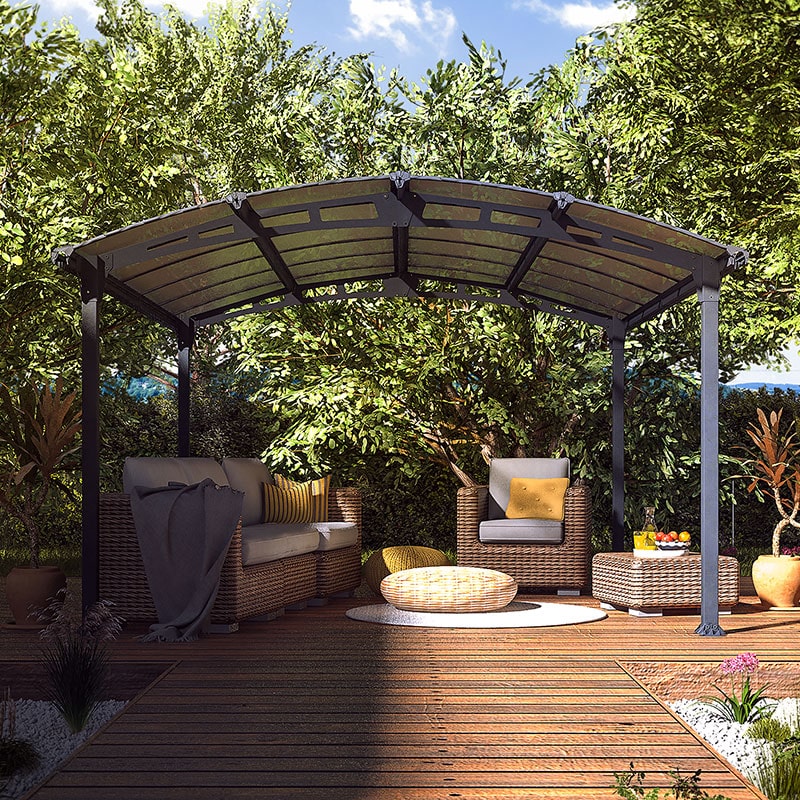
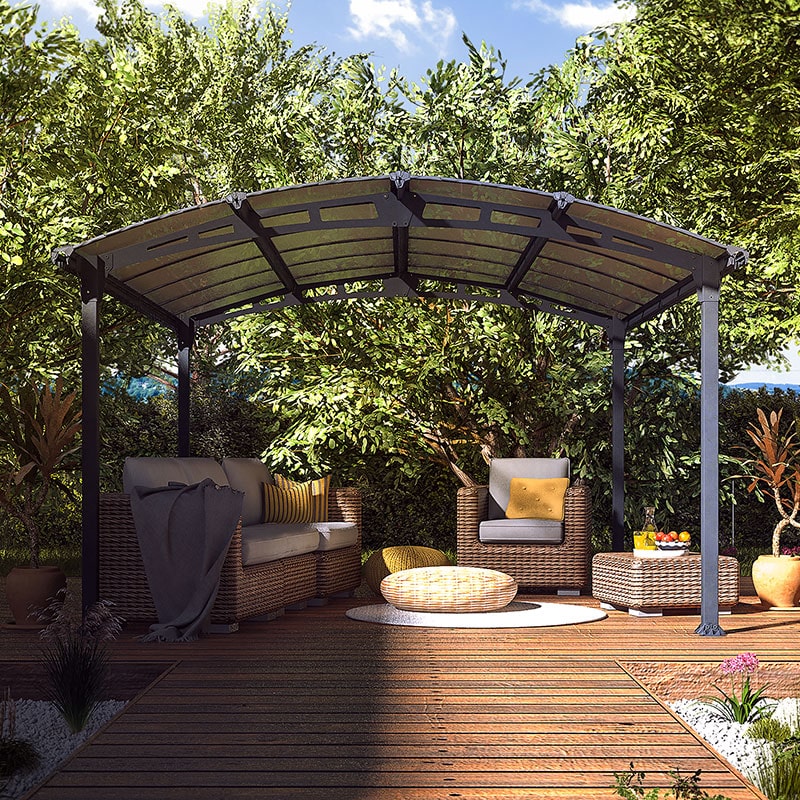
10% OFF: 12′ x 14′ Palram Canopia Tucson 4300 Garden Gazebo (3.6m x 4.2m) £1,436.9910%

-
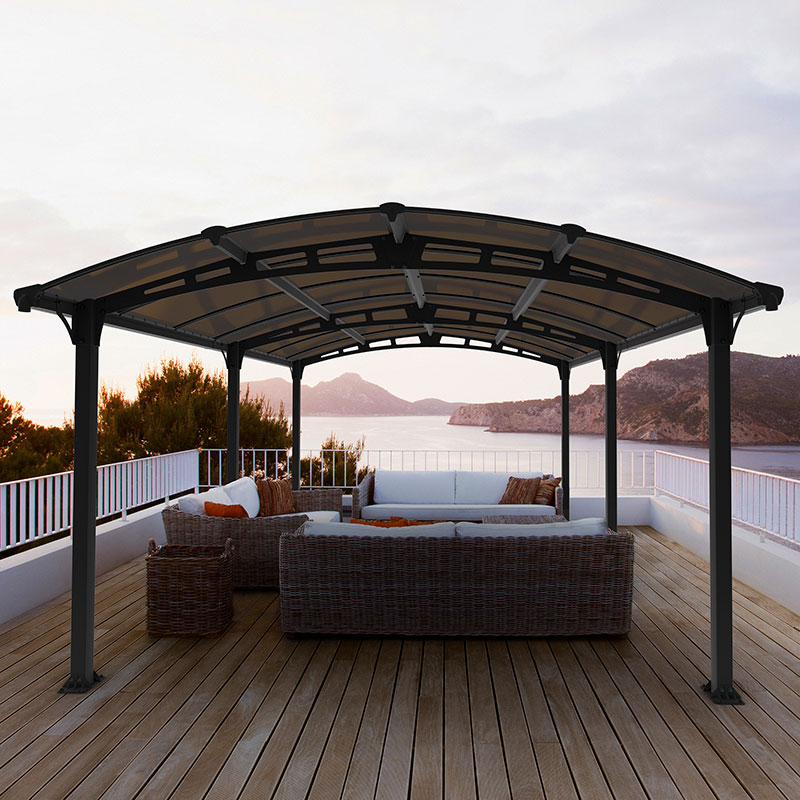
9% OFF: 12′ x 16′ Palram Canopia Tucson 5000 Garden Gazebo (3.6m x 5m) £2,089.999%

-
5% OFF: 4’2 x 3’6 Forest Hedgerow Wooden Dog Kennel – Pet House (1.28m x 1.06m) £264.995%

-
12′ x 14′ Palram Canopia Tucson 4300 Garden Gazebo (3.6m x 4.2m) £1,559.003%
-
12′ x 16′ Palram Canopia Tucson 5000 Garden Gazebo (3.6m x 5m) £2,259.00
Garden structures with apex roof add a clear, classic profile to outdoor space, giving extra headroom, balanced rain run-off, and a shape that suits summerhouses, gazebos, sheds, workshops, and storage buildings alike.
Why the Apex Roof Still Fits the Garden So Well
An apex roof is the familiar pitched form where two roof slopes meet at a ridge, creating a neat triangular end. In a garden setting, that shape does more than look tidy. It gives the structure a strong silhouette, a practical interior volume, and a sense of order that sits nicely alongside planting beds, patios, and lawn edges. The form feels familiar, but it is flexible enough to suit both compact and larger buildings.
For buyers comparing styles, the key appeal is often the way an apex roof combines useful internal space with a shape that sheds water in a straightforward way. Compared with flat-roof garden buildings, an apex design often feels less boxy, while compared with a pent roof it usually offers a more centred, symmetrical look. That difference matters when the structure is meant to be seen, not just used.
The Shapes Behind the Name
Not every apex-roof garden structure looks the same. Small changes in pitch, ridge height, overhang, and end shape can alter the whole character of the building. This makes it easier to match the structure to its purpose and the surrounding garden layout.
Bestseller der Kategorie Garden Structures with Apex Roof
- Standard apex roof – a balanced pitched roof with two equal sides and a central ridge, often used for sheds, bike stores, and general-purpose garden buildings.
- Steep-pitch apex – the roof angle rises more sharply, giving extra loft-like space inside and a bolder outline from the outside.
- Shallow-pitch apex – a gentler slope that keeps the profile lower, useful where planning sensitivity or boundary height may matter.
- Reverse apex – the roof ridge runs across the width rather than along the length, changing the internal feel and often helping the front opening sit under the higher section.
- Offset apex – a less common arrangement where proportions are adjusted for a specific footprint, useful in more awkward garden corners.
Each of these forms keeps the core advantages of the apex roof, but the visual effect is quite different. A steeper pitch can look more like a small outbuilding, while a shallow pitch can feel more discreet. The choice is not just about style; it changes how the structure sits against fences, hedges, and neighbouring buildings.
Where the Apex Roof Works Best
Garden structures with apex roofs are used across a wide range of outdoor settings because the shape suits both storage and leisure. The roof line creates headroom near the centre, which is useful if the building is meant for standing work, seating, or simply storing taller items without that cramped feeling.
This makes the style a good match for:
- Garden sheds for tools, lawn equipment, pots, and seasonal items.
- Summerhouses where the roof shape contributes to a more room-like interior.
- Gazebos and shelters when a pitched top is wanted for a more defined architectural look.
- Workshops where a higher middle section can make the space feel easier to use.
- Bike stores and utility buildings where efficient roof shape and compact width matter.
Because the apex is such a recognised form, it can also help the structure feel visually settled in mixed garden layouts. It does not fight against planting or boundary lines, which is part of the reason it keeps showing up in buyer lists year after year.
What Makes It Different from a Pent Roof or Flat Roof
When people compare garden structures, the roof type often changes the decision. An apex roof is usually chosen for symmetry and central height. A pent roof slopes in one direction only, so it gives a cleaner, more modern edge but less centred headroom. A flat roof is visually simple, yet it can feel more compact and less open inside.
The apex style often wins when the goal is to balance looks and practicality. The ridge line creates a pleasing outline from multiple angles, which helps in open gardens where the building is seen from the side as well as the front. The roof shape can also make the structure feel less like an added box and more like part of the garden itself.
There is also a difference in how the internal volume is experienced. With an apex roof, the centre feels higher without needing a larger footprint. That can be useful in smaller gardens where floor space is limited but a bit of extra airiness is still wanted.
Materials That Suit the Roofline
The apex form works with several common garden-building materials, and each one gives the roof a different character. The visible structure beneath the roof often matters as much as the roof covering itself, because the shape is so prominent.
- Timber-framed structures – bring a natural feel and suit traditional apex lines very well.
- Clad panel buildings – often used for sheds and stores where a practical, enclosed look is preferred.
- Log-cabin style buildings – where the apex roof complements the heavier wall sections and deeper profile.
- Open-sided shelters – the roof becomes the main visual feature, so the ridge and eaves detailing matter a lot.
In many cases, the roof shape affects how substantial the whole building appears. A small timber shed with an apex roof can look neat and modest, while a larger cabin-style structure with the same roof type can feel more architectural. That range is one reason this category works for so many garden uses.
Useful Advantages Buyers Notice Quickly
The first thing many buyers notice is that an apex roof gives a structure a clear centre line and a more balanced appearance. It can make even a fairly simple building feel properly designed rather than just assembled. That visual order is part of the appeal, especially when the structure is going to sit in plain view.
There are also practical benefits that matter when comparing products:
- More usable height in the middle for standing, moving, or placing taller items.
- Better sense of space inside compared with some low-profile roof forms.
- Distinct garden presence without needing a very large footprint.
- Versatile look that suits both traditional and more pared-back gardens.
- Clear roof geometry that many buyers find easier to visualise when planning placement.
These advantages are simple, but they are often the reason the apex shape ends up being the safe choice for a first garden building purchase. It feels familiar, and that reduces hesitation.
Details That Change the Look More Than You Might Expect
With apex roof structures, the small design choices often do a lot of the work. Roof pitch, ridge length, eaves depth, fascia lines, and any overhang can all alter the final impression. Two buildings with the same footprint may look quite different depending on how those elements are handled.
A wider ridge span can make the structure feel more substantial, while deeper eaves may give a softer transition from roof to wall. A sharper pitch can create a taller profile and increase the sense of interior volume, though it may also make the building appear more noticeable from a distance. A lower pitch keeps things calmer and more compact.
Some structures use the apex simply as a neat top section, while others make the roof the star of the design. That is why it helps to look beyond the label and consider the actual proportions. A garden building with a roof that looks too heavy can dominate a smaller plot, whereas a lighter roofline can sit back and let the planting do some of the talking.
Choosing the Right Apex Roof for the Job
The best choice depends on how the structure will be used. For storage, a standard apex shed often does the job neatly, especially where a central high point is useful for shelving or stacking. For a hobby room or garden seating space, a more generous pitch can make the interior feel less narrow. For compact plots, a shallow-pitch version may suit better where height is a concern.
Think about the relation between width and roof shape. Narrow buildings can look quite tall with a steep apex, while wider buildings often suit a gentler line so they do not feel too heavy. Also consider how the front opening sits below the ridge. In some buildings, the apex shape supports a more welcoming entrance; in others, it is mostly about the roof profile itself.
Placement matters too. If the structure will be viewed from a patio or main window, the roofline becomes part of the garden view. If it is tucked against a side boundary, the shape may matter more for internal use than outward appearance. Either way, the apex gives a clear and tidy finish.
Little Buying Points That Make a Big Difference
People often focus on floor size first, but with apex roof structures, the roof profile can influence day-to-day satisfaction just as much. A building that seems modest on paper may feel roomy if the ridge is well proportioned. A design that looks attractive in a photo may feel cramped if the pitch is too low for the intended use.
- Check the internal headroom at the centre, not just the external height.
- Compare roof pitch if the building will be used for more than storage.
- Look at the roof overhang to understand how the structure reads from the outside.
- Match the roof shape to the garden scale so it feels intentional rather than oversized.
- Consider symmetry if the structure will be a visible feature rather than a hidden utility unit.
These details help buyers avoid the common mistake of choosing only by footprint. In this category, the roof shape can be the deciding feature, and not just an extra line in the spec list.
A Shape That Feels at Home in Different Garden Styles
The apex roof is one of those forms that adapts easily. In a cottage-style garden, it can echo older outbuildings and timber frames. In a modern outdoor space, the same roof can look crisp and ordered, especially when paired with simple cladding and clean edges. Even in a busy family garden, the shape tends to settle into place without feeling fussy.
This flexibility is useful if the garden may change over time. A structure that starts as storage can later become a hobby space, seating area, or seasonal retreat. The apex roof supports that change better than many lower roof styles because it gives a bit more room to work with, both visually and physically.
That is one reason buyers often return to the category after comparing alternatives. The shape is easy to understand, but it still offers enough variation in style and proportion to suit different priorities. It is practical without looking plain, and decorative without becoming awkward.
What to Look For When Browsing This Category
If you are comparing garden structures with apex roof, it helps to read the listing with the roof in mind rather than just the walls and floor. The roof is doing a lot of the visual and practical work, so the wording matters.
- Roof pitch tells you how steep or subtle the profile is.
- Ridge placement helps you understand the symmetry and internal layout.
- Overall height shows how the building will sit against fences and planting.
- Footprint proportions show whether the roof will look stretched, compact, or balanced.
- Intended use should match the roof shape, especially if the space needs extra headroom.
When these points line up, the structure tends to feel right in the garden rather than simply functional. That feeling is hard to put into a spec sheet, but buyers notice it straight away when a design seems to fit the space.
The Final Line of the Garden View
Garden structures with apex roof bring together form and purpose in a way that feels straightforward, tidy, and adaptable. Whether the aim is storage, shelter, or a more lived-in outdoor room, the apex shape gives a recognisable outline and a useful sense of height. Differences in pitch, proportion, and arrangement mean there is room to choose carefully, not just quickly.
For buyers wanting a structure that sits neatly in the garden while still offering practical benefits, the apex roof remains a sound category to explore. It is a shape with clear logic, but it still leaves plenty of room for style, and that is part of why it keeps earning its place.
[Sassy_Social_Share]