
Garden Structures under £700 - Best Deals in UK!
Showing all 2 results
-
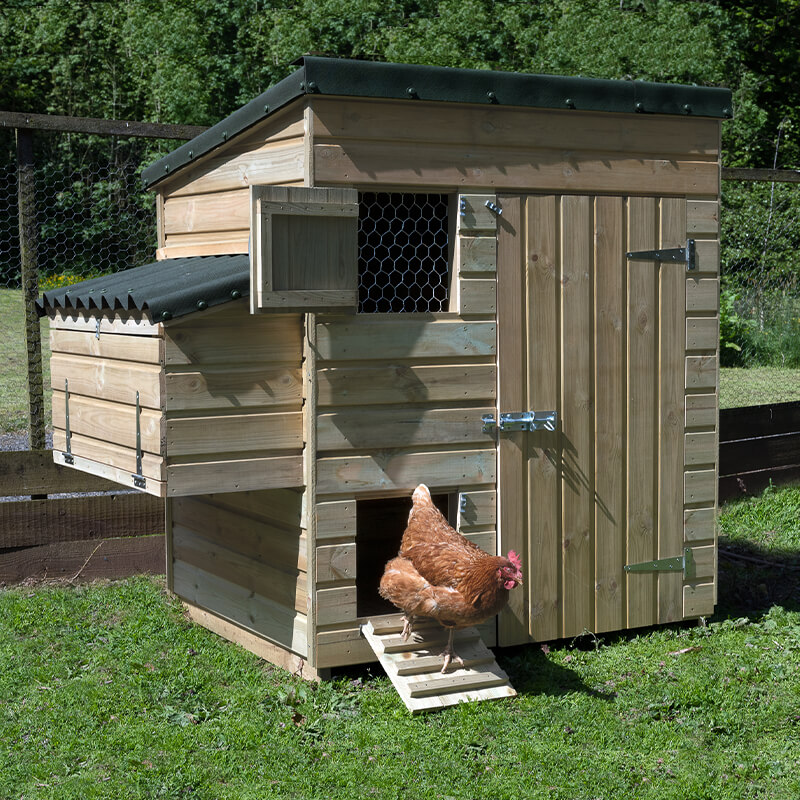
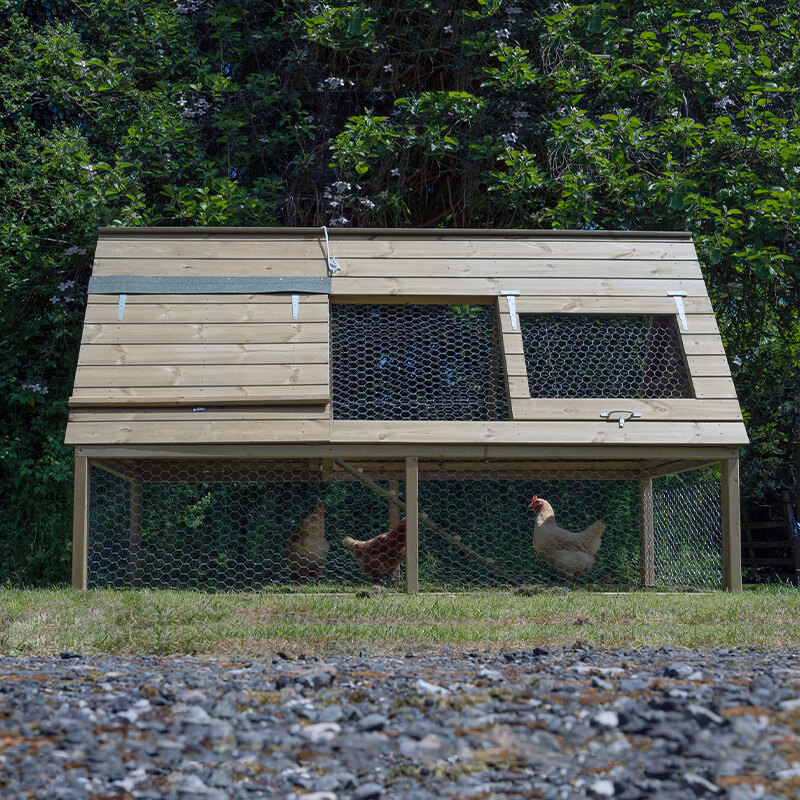
7% OFF: 8’6 x 4’8 Forest Hedgerow Wooden Raised Large Chicken Coop (2.58m x 1.41m) £699.997%

-
5’4 x 3’8 Forest Hedgerow Wooden Large Hen House (1.63m x 1.12m) £679.993%

Garden structures under £700 for UK gardens: explore pergolas, arches, gazebos, arbours, screens and trellis pieces that add shape, shelter and a clear focal point without pushing the budget.
Frame the garden, not just fill it
When people look for garden structures under £700, they’re often trying to solve more than one problem at once. A space may need a bit of height, a route through a planting area, a corner that feels defined, or simply a stronger visual shape. That is where a structure earns its place. It can act as an edge, a centre point, a walkway, a shaded spot, or a screen between areas that need a little seperation.
Within this price band, the choice is broad enough to suit a compact courtyard, a long narrow lawn, or a larger plot that needs zoning. The key is knowing which type does what. Some pieces are built to be noticed, while others work quietly in the background, giving climbers somewhere to grow and making the garden feel more considered.
Pergolas: open top, clear purpose
Pergolas are a strong option if you want a structure that feels architectural without closing off the garden. Their defining feature is the open roof with beams or rafters, which gives them a lighter look than a fully enclosed building. They work well over a seating area, along a path, or to mark a transition from house to garden.
Bestseller der Kategorie Garden Structures under £700
Under £700, pergolas are often found in slimmer profiles, modular lengths, or simpler designs. That does not mean they are less useful. A smaller pergola can still create a framed outdoor room, especially when paired with climbing plants. A square or rectangular pergola gives a tidy, formal line; a curved or arched version softens the look a bit. Timber tends to feel warmer and more traditional, while metal usually reads as cleaner and more modern.
Useful difference: a pergola gives overhead presence, but it does not provide full rain cover. That makes it better for dappled shade and visual structure than for creating a closed shelter.
Arches that lead the eye somewhere
Garden arches are one of the easiest ways to add height without taking much ground space. They work especially well where you want the eye to move from one area to another, such as from lawn to border, or from a path into a planting zone. Because they are narrow and vertical, they can make even a small garden feel more layered.
There are a few common forms. A simple rounded arch has a soft, classic shape. A pointed arch feels a touch more formal and can suit clipped hedging or structured planting. Some arches include side panels, which give climbing plants more to latch onto and make the piece feel fuller quicker. Others are open and plain, which can be useful if you want the planting to be the main event.
Best use: arches are good when you want a gateway effect, but not a heavy visual block. They can mark an entrance, support roses or clematis, and create a sense of progression through the garden.
Arbours and garden seats: small footprint, more character
Arbours are often chosen when a garden needs a tucked-away spot rather than a broad overhead frame. They tend to have a more enclosed feel than a pergola, with sides or partial sides that suggest a little nook. Some versions include seating, others are purely structural. In a budget under £700, this category is useful for adding character to the edge of a lawn, beside a border, or near a gate.
The difference between an arbour and an arch is worth noting. An arch usually acts as a passage point. An arbour is more likely to suggest pause. It can soften a view, make a hidden corner feel intentional, and provide a bit of privacy without building a solid barrier. Round-topped designs feel softer; angular ones can lean a bit more formal. If you want a feature that looks neat in winter and fuller in summer once plants climb, an arbour can be a tidy choice.
Buying tip: check the actual footprint carefully. An arbour may look modest online, but the depth and arm width can matter a lot if the space is tight.
Gazebos: for shelter with a defined shape
Gazebos sit in a different part of the category because they are more about enclosure and cover. Under £700, options are often compact, open-sided versions or simpler framed styles rather than elaborate permanent builds. Even so, they can still change how a garden is used by giving a distinct destination for dining, resting, or grouping chairs away from the main house.
Shape matters here. Round gazebos create a gentle focal point and can feel softer in a mixed planting scheme. Square or hexagonal versions tend to have clearer edges and a more structured look. The roof form also changes the mood: a peaked roof feels traditional, while a flatter profile can look more understated. If you are comparing a gazebo with a pergola, the gazebo usually offers more overhead definition and a stronger sense of shelter, while the pergola feels more open.
Useful difference: a gazebo can create a sense of a “room” in the garden, but it does not need to be large to do that. Even a modest footprint can make an outdoor area feel like a deliberate place to sit.
Trellis screens that work harder than they look
Trellis panels and screens are some of the most practical structures in this category. They can divide areas, support climbing plants, hide bins or utility corners, and break up blank fencing that feels a bit flat. Their value comes from being useful in more than one way, which is handy when working to a budget.
There are different trellis forms to consider. Square lattice trellis gives a balanced, regular look. Diagonal lattice feels a little softer and more traditional. Slatted screens offer a cleaner outline and can be better when you want partial privacy without making the space feel closed in. Some panels are freestanding, while others are made to fix to walls or fences. That difference really matters: a freestanding screen can shape a whole area, while a wall-mounted trellis tends to extend an existing surface and make it plant-friendly.
Good to know: if you want privacy, choose a structure with some solid area as well as open patterning. Pure trellis gives support and texture, but not much screening until the plants fill in.
Arched walkways and passage points
Some garden structures under £700 are less about one single feature and more about movement. An arched walkway or a repeated set of posts can guide the route through the space and make a simple path feel more thought through. This is especially effective in gardens where the layout needs a bit of direction. If you have a straight run that feels plain, a structure can break it into scenes.
The main difference between a standalone arch and a walkway-style structure is length. A single arch gives a quick threshold. A longer passage makes the journey itself part of the garden experience. That can be useful between patio and border, or from one lawn section to another. If your garden is narrow, these shapes can make it feel longer and more layered, not just full of stuff.
Visual tip: repeated verticals tend to look calmer than lots of mixed shapes. If one part of the garden already has quite a lot going on, a simple repeated frame may suit it better than a heavy decorative piece.
Open or enclosed: choosing the right feel
The most important difference across this category is probably the level of enclosure. Open structures such as pergolas, arches and trellis frames keep the space airy, letting light and planting stay central. More enclosed pieces such as arbours with sides or gazebos give stronger definition and a more sheltered feel.
If your aim is to keep views open, choose a structure with thin uprights, open sides and a roof or top that does not dominate. If you want to create a hideaway, look for side panels, heavier framing or a roofed form. This is not just a design choice. It changes how the garden is used. Open structures suit movement and visual links. Enclosed ones suit sitting, pausing and quiet corners.
Quick rule: the smaller the garden, the more important the visual weight of the structure becomes. A bulky frame can swallow space, while a lighter frame can give it shape without crowding it.
Material cues that change the whole mood
Material choice is a big part of why one structure feels rustic and another feels crisp. Timber usually brings a softer, more natural look and works well with cottage planting, roses, and mixed borders. Metal often has slimmer lines and can suit contemporary gardens, especially where you want the frame itself to feel almost drawn rather than built. Powder-coated finishes can give a cleaner appearance, while untreated-looking wood tends to blend in more quietly with planting.
Within a budget, the material also influences the kind of shape you can get. Thin metal can make intricate arches and panels feel neat without too much visual bulk. Timber may feel more substantial and grounded. Neither is automatically better; they just do different things. If your planting is already busy, a simpler frame can avoid extra clutter. If your garden is very plain, a more tactile material can bring warmth.
Difference to note: a structure with fine lines often disappears a bit more into the planting, while a chunkier one stays visible even before climbers fill it out.
Forms that suit different garden layouts
Shape should match the space, not fight it. Rectangular pergolas suit patios and dining areas because they echo tables, seating sets and straight-edged paving. Curved arches can soften a path or border line. Hexagonal or round gazebos work nicely where you want a centre point that feels less rigid. Panel screens are useful in awkward corners, because they can turn a dead spot into something that looks planned.
- Long narrow garden: use arches, slim pergolas or repeated trellis panels to break the length into sections.
- Small courtyard: choose lighter frames and upright forms so the structure adds height without taking over.
- Mixed planting border: trellis or a modest arch can give climbing plants a clear support.
- Seating area: pergola or gazebo styles help define the space as a place to sit, not just pass through.
What to look for before you buy
When browsing garden structures under £700, the details matter as much as the headline shape. Check the exact dimensions first, including depth and height, because a structure that looks right in a photo may feel too imposing or too small once measured against your patio or border. Think about whether you need a fixed feature or something that can move later. A freestanding piece gives flexibility, while a wall-fixed item can make better use of limited room.
Also think about the visual balance. If your garden already has large trees, hedging or bold paving, a simple structure may fit better than something ornate. If the garden is plain, a more detailed form can give it a focal point. It is often useful to ask: do I want this piece to support planting, divide space, or become the main feature? Picking one main job usually leads to a better choice than trying to make it do everything.
Handy tip: if you are comparing two options, choose the one that solves the real layout problem, not just the one that looks nice in isolation. That usually saves a bit of regret later on.
Why this category keeps making sense
Garden structures under £700 can do quite a lot for the money. They bring height to flat gardens, give climbers a proper framework, and help separate one part of the outside space from another. They also make a garden feel more intentional, which matters if the layout is simple but needs some shape. A well-chosen arch can turn a plain path into an entrance. A pergola can make a patio feel like a room. A screen can hide a less attractive view without building a solid wall.
That variety is the main attraction. You are not just choosing an object; you are choosing how the garden behaves. Do you want flow, pause, shelter, privacy, or a planted frame? Different structures offer different answers, and the budget leaves room to be selective rather than settling for the first thing that fits.
In short: pick the structure that matches the garden’s layout, the planting you plan to use, and the feeling you want when you step outside. That’s where the best value tends to show up, even before the plants have fully grown in.
[Sassy_Social_Share]