
Garden Structures under £600 - Best Deals in UK!
Showing the single result

Garden structures under £600 cover arches, pergolas, arches with trellis, arbours, screens, tunnels and compact shelters, giving outdoor spaces shape, height and a clearer layout without stretching the budget.
Shape first, furniture second
A good garden structure under £600 does more than fill an empty corner. It gives a garden a sense of direction. An arch can draw the eye from one area to another, a pergola can define a seating zone, and a screen can split a view without closing it off completely. That is the real appeal of this category: each piece changes how the garden feels, not just how it looks.
At this price point, buyers often find the balance between practical structure and visual presence. You are not just choosing something decorative. You are choosing a frame for planting, a marker for a path, or a way to make a space feel more settled and intentional. Even a simple form can shift a garden from “there is a corner here” to “this is a place.”
Arches that lead the eye
Garden arches are one of the most flexible structure types in this range. They work over paths, at entrances, between planting zones, or simply as a focal point in a lawn or border. Their appeal comes from their outline: curved, pointed, square-topped, or softly squared. The form changes the mood quite a bit.
Bestseller der Kategorie Garden Structures under £600
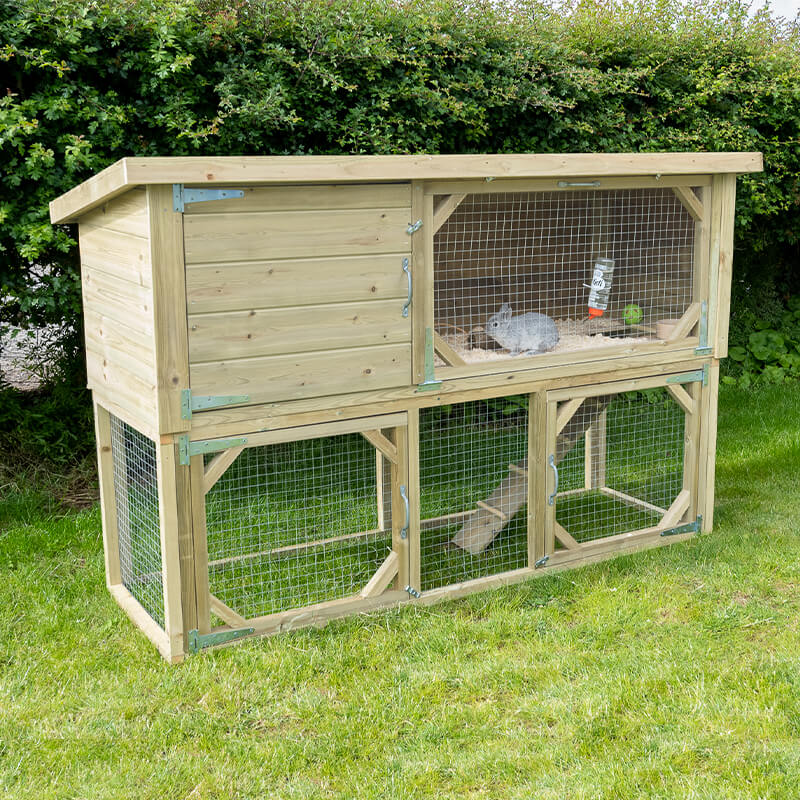
A curved arch feels softer and more traditional, often suiting cottage-style or planted gardens. A more angular arch can look cleaner and firmer, which suits modern layouts or spaces with straight lines and clipped planting. Narrow arches are handy in tight gardens where you still want vertical interest, while wider ones create a stronger sense of arrival. It is a small difference, but it matters.
For buyers who want a planting partner as much as a structure, arches offer a clear advantage: they give climbing plants a visible shape to work on. That means roses, clematis, honeysuckle and other climbers can be shown off in a way that a bare support just does not manage.
Pergolas for rooms without walls
Pergolas under £600 tend to suit people who want to define a seating area, a dining spot, or a transition between house and garden. Unlike a full shelter, a pergola keeps the space open. That open feel is the point. It gives height and structure while still letting light and air move through.
There are noticeable differences in form here. A freestanding pergola can anchor the centre of a garden or sit over a patio as its own feature. A lean-to style or wall-adjacent version can extend a building line and make a small area feel more connected to the house. Some designs are more open and airy, while others feel a bit denser because of the spacing of rafters or side framing. Each one alters the amount of shade and the visual weight.
The main benefit of a pergola is that it gives a garden a defined “outdoor room” without making it feel boxed in. It can also help a seating area feel complete even when the rest of the garden is still evolving. If the surrounding planting is sparse, the pergola provides the framework. If the planting is already lush, it becomes a neat counterpoint. Either way, it helps the space make more sense.
Arbours, tunnels and other passage makers
Not every structure needs to be large to have presence. Arbours and garden tunnels are smaller-scale pieces that can still change how a garden is used. An arbour often combines a seat with a roof-like top and side lattice, so it reads as both a place and a passage. A tunnel, by contrast, is more about movement and enclosure. It creates a run of repeated form, which feels quite different from a single arch.
The difference between them is useful. An arbour is usually more static and restful. You look at it, move toward it, sit under it. A tunnel has a stronger sense of journey. It can lead from one part of the garden to another, or frame a long border with a bit of drama, even in a modest space. In smaller gardens, this kind of structure can make a route feel longer and more considered.
These structures are especially useful where a buyer wants interest but not a heavy footprint. They can sit at the end of a path, beside a border, or in a quiet corner that needs a bit of purpose. That kind of placement is often what makes a garden feel designed rather than just filled.
Screens that divide without shutting things off
Garden screens are a very practical part of the under-£600 range, and not just for hiding an awkward view. They can break a garden into zones, give climbers a vertical surface, or create a calmer backdrop behind planting. Unlike a solid fence, a screen usually feels lighter and more decorative. It separates, but not too much.
There are several useful forms. Lattice screens allow planting to weave through and around them, while solid-framed screens create a stronger visual block. Some are freestanding, some are designed to sit beside a seating area, and some are better as repeated panels rather than a single statement. The choice comes down to how much openness you want to keep.
One of the best things about a screen is its ability to make a space feel sorted out. If a bin area, compost spot, or utility corner sits in view, a screen can improve the whole garden by reducing visual clutter. It does not need to be dramatic. It just needs to be well placed.
Raised forms, framed planting and structures with a job to do
Some garden structures are chosen because they do more than one thing. A planter with trellis, a raised bed with framework, or a support structure that mixes planting space with vertical height can be a clever buy under £600. These pieces help create structure at ground level and above it, which is useful where the garden needs a bit of order.
This kind of structure differs from a free-standing arch or pergola because it is tied more closely to planting. It often suits smaller gardens, courtyards, patios and side spaces where every item needs to earn its place. The planting base gives it weight, while the trellis or frame adds height. The result is a neat blend of form and function.
For buyers who want a sharper, more contained look, these pieces can be easier to position than a large standalone feature. They sit naturally beside walls, fences or seating areas, and they help vertical planting feel planned rather than improvised. That is a subtle thing, but it changes the whole mood.
Materials and finish: the look changes the whole feel
Within this budget, material choice has a strong effect on both appearance and placement. Wooden structures often suit softer planting and more traditional settings. They can feel warm, calm and a bit more integrated with shrubs, roses and natural borders. Metal structures, by contrast, tend to read as neater and more defined, with a lighter visual outline that can work well in contemporary gardens or mixed planting schemes.
The finish also matters. A darker structure may recede into foliage and let the planting take the lead. A lighter or more natural tone can stand out more clearly and act like a visual marker. Some buyers want the structure to be the feature; others want it to disappear a little once plants grow in. Neither approach is wrong, just different.
For gardens that already have plenty of colour and texture, a simpler frame often works better. In quieter spaces, a structure with a bit more visual presence can stop the garden feeling empty. It is really about balance, not just style.
Small garden, tight budget, still plenty of choice
One of the strengths of this category is how well it fits smaller outdoor spaces. A garden structure under £600 does not have to dominate to be useful. In fact, the best choices often feel measured. A narrow arch, a compact pergola, a single screen panel, or a modest arbour can all make a small garden feel more layered without crowding it.
There is also a practical difference between choosing one strong feature and trying to spread the budget across several weaker ones. One well-chosen structure can make a clearer impact than two pieces that do not quite relate to each other. If the garden has a focal point already, a supporting structure may be enough. If the space feels flat, a taller or more defined piece can give it the lift it needs.
For buyers who like to plan ahead, this category makes room for gradual change. You can start with a structure that sets the tone, then add planting around it later. That approach keeps the garden coherent without needing a full redesign all at once.
What each form does better than the others
Different structure types solve different garden problems. Here is a useful way to compare them:
- Arches are best when you want a clear transition or a framed entrance.
- Pergolas suit seating or dining areas that need definition without full enclosure.
- Arbours work well as rest points and decorative pauses in the garden.
- Tunnels create a stronger sense of journey and repeated rhythm.
- Screens help divide areas and soften awkward views.
- Planter-trellis combinations suit tighter spaces and give planting height from the start.
That is the key difference: some structures guide movement, some create shelter-like atmosphere, and some simply tidy the visual layout. A buyer does not need to choose based on looks alone. The right structure is often the one that solves the exact problem in the garden.
Planting and structure work best as one idea
These structures become more useful when you think about the plants that will live with them. Climbing plants change the reading of an arch or pergola quite a lot. A sparsely planted frame has a neat outline, while a well-grown climber softens the edges and makes the structure feel part of the garden rather than placed on top of it. That is especially important with under-£600 buys, where people often want value that improves over time.
Some structures suit vigorous climbing plants better, while others look finer with lighter growth. A thick, heavy-looking frame can support a more generous planting scheme visually, while a slimmer frame may be better if you want the plants to keep the focus. There is no single correct answer, but matching the structure to the eventual scale of planting is worth thinking about before buying.
A good tip is to imagine the structure in two stages: the day it arrives, and the day it has started to settle into the garden. If it still looks right in both versions, you have probably made a solid choice.
Why buyers keep coming back to this price band
Garden structures under £600 hit a useful middle ground. They are more substantial than a small ornament or basic support, but they do not require a huge spend to make a visible difference. That makes them appealing for buyers who want to improve layout, add planting opportunities, or give an outdoor area a more finished feel without going into large-project territory.
This price range also encourages better decisions. Because the budget is not unlimited, buyers usually focus on function as much as style. That tends to lead to pieces that actually fit the space. A structure chosen for a real purpose is far more likely to work well than one picked only because it looked nice in isolation.
It is also a good range for mixed gardens, where one area may be formal, another relaxed, and another still a bit unfinished. A structure can help tie those moods together. Not by forcing everything to match, but by giving the garden some repeated shape and rhythm.
How to judge whether the structure belongs in your garden
Before choosing, it helps to look at three things: the line of the garden, the amount of open space, and the role the structure needs to play. If the garden feels long and narrow, a structure that draws the eye forward can work well. If the space feels wide but flat, a taller piece or a framed seating area may be more helpful. If the main issue is that the garden lacks definition, a screen or pergola can bring some order without making it feel smaller.
Think also about the difference between a feature and a support. Some buyers want the structure to stand out immediately. Others want it to quietly support planting and shape the space in the background. Both are valid, but they lead to different choices. A bold arch at the end of a path says something quite different from a discreet trellis panel tucked beside a border.
And if you are deciding between two similar forms, ask which one will still be useful when the garden changes. That little question often makes the answer clearer.
A category made for real gardens, not just neat drawings
What makes this category appealing is that it suits the way people actually use outdoor spaces. Gardens are rarely perfect rectangles with one obvious purpose. They have odd corners, changing light, narrow runs beside fences, and places that need a bit of help. Garden structures under £600 are useful because they respond to those real conditions.
They can soften a boundary, make a route feel deliberate, give a plant a stage, or turn a plain patch into a spot with a purpose. That is not a flashy promise, just a practical one. For many buyers, that is exactly what they want: a structure that looks thoughtful, fits the space, and gives the garden a stronger sense of itself.
If you are choosing one for your own space, the best result usually comes from matching form, function and scale rather than chasing the biggest piece available. The right structure will not shout for attention. It will make the rest of the garden make more sense.
[Sassy_Social_Share]