
Garden Structures under £5000 - Best Deals in UK!
Showing all 2 results
-
45% OFF: 12′ x 14′ Palram Canopia San Remo White Lean To Conservatory (3.80m x 4.35m) £4,419.0045%

-
8% OFF: 4.5×4.5m (15’x15′) Palmako Betty Garden Pavilion – Luxury Gazebo £4,249.008%

Garden structures under £5000 for UK gardens: explore pergolas, gazebos, arches, arches with seating, summerhouses and compact shelter frames that add shade, shape and usable space.
Structures that do more than sit there
When a garden needs a clear focal point, a bit of cover, or simply a better sense of layout, a well-chosen garden structure can make a big differnce without pushing the budget past £5000. This price range is where you start to see proper materials, better proportions and designs that feel built for real outdoor use, not just decorative afterthoughts. The category covers everything from open-framed pieces that let light pass through, to enclosed spots that create a room-like feel outside.
What makes this range appealing is the mix of form and function. A structure can define a seating area, provide partial shelter, frame a path, or create a destination at the end of the garden. Some buyers want something airy and architectural. Others prefer something more enclosed, with privacy and a little retreat from the wind. Both are valid choices, and this budget lets you compare styles without settling for the flimsy version.
Pergolas, gazebos and arches: the main types
One of the easiest ways to narrow the choice is by shape. Different garden structures do different jobs, even if at first glance they all seem to be “some sort of frame”.
Bestseller der Kategorie Garden Structures under £5000
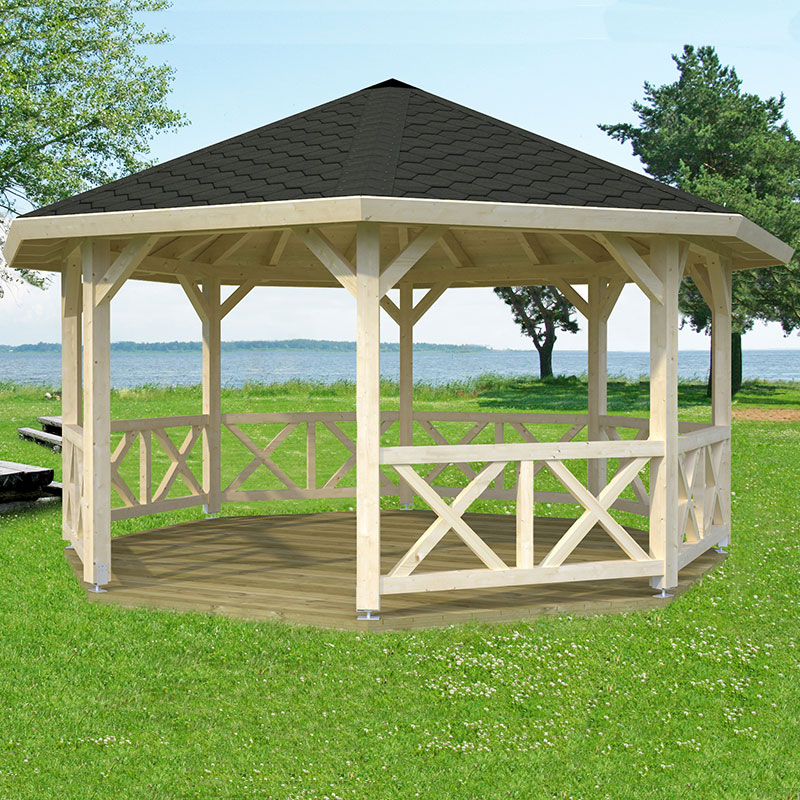
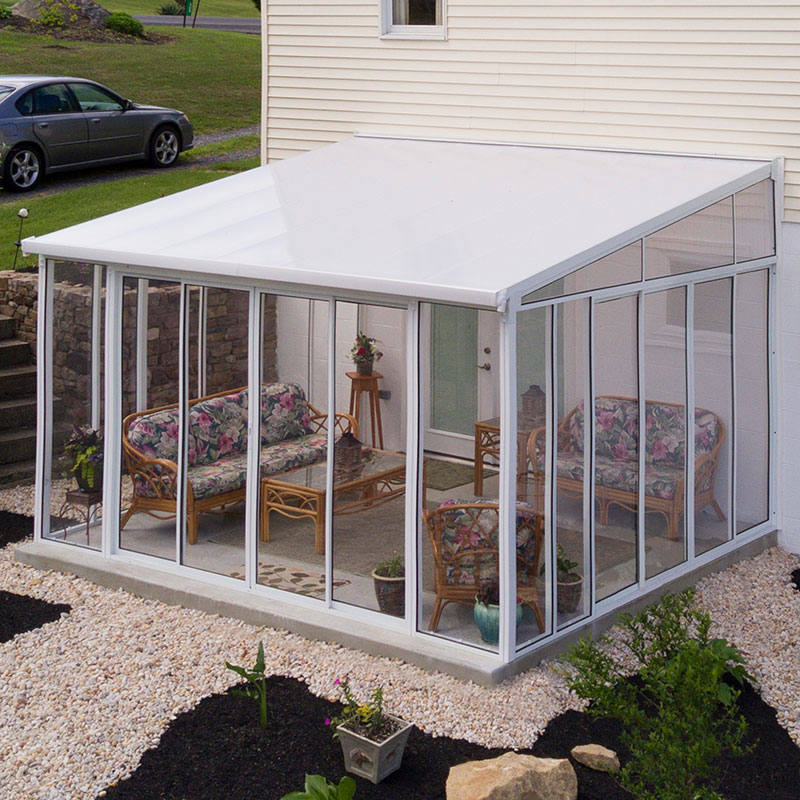
- Pergolas create an open overhead structure, often with vertical posts and crossbeams, ideal for seating areas, climbing plants and defining outdoor rooms.
- Gazebos are usually more enclosed or roofed, giving a stronger sense of shelter and a clear place to sit, eat or gather.
- Arches are smaller and more vertical, often used to mark entrances, transitions between zones, or to support climbers over a path.
- Arbours tend to combine a seat or bench form with an overhead frame, so they work well where you want a pause point rather than a full gathering space.
- Garden shelters sit somewhere between open and closed, offering cover from sun or light rain while keeping the outdoor feel.
- Summerhouses are more enclosed and room-like, better when you want a structure that feels like an outdoor extension of the home.
The difference is not just style. It is about how much cover, privacy and presence you want in the garden. A pergola is often chosen for its open character, while a gazebo or summerhouse gives a more defined destination. Arches and arbours work well when the garden needs vertical emphasis without taking too much ground space.
Open frames or enclosed spaces?
Open-framed structures suit gardens where you still want the sky above you and a bit of visual breathing room. They are useful for drawing the eye along a path, breaking up a long lawn, or creating an outdoor dining spot that feels connected to the planting around it. They also tend to look lighter, which helps in smaller gardens or narrow plots where a heavy structure could feel too much.
Enclosed or partly enclosed structures are better when you want a stronger sense of refuge. A gazbo-style build, for example, makes a seating area feel more intentional. It can help if your garden is exposed, or if you want a place that feels separate from the rest of the space. The trade-off is that enclosed forms take more visual weight, so they need a bit more thought about where they sit.
For many buyers, the sweet spot is somewhere in the middle: a structure with a roof or defined top, but open sides. That gives shelter without closing off the view. It can also work well when you want to add curtains, screening or climbing plants later on, although this category description stays focused on the structure itself rather than accessories.
Materials that change the whole feel
In the under £5000 bracket, material choice often shapes both the look and the budget balance. The same basic structure can feel rustic, formal or contemporary depending on what it is made from.
- Timber gives a natural, familiar garden feel and works especially well in traditional or cottage-style settings.
- Metal-framed structures tend to look more crisp and architectural, with cleaner lines and a slimmer profile.
- Combination designs mix materials for a more tailored finish, for example timber with metal fixings or a mixed frame and roof approach.
Timber structures often feel warmer and easier to blend into planting, timber fences and paved areas. They can suit a pergola, gazebo or arbor where you want the structure to soften into the garden. Metal-framed pieces, by contrast, usually make a sharper statement and can be useful where you want a neater outline or a more modern edge. Some buyers prefer the contrast of a strong frame against loose planting, and that contrast can make the structure feel more deliberate.
It is also worth noticing the difference between chunky posts and slimmer members. Chunkier designs usually read as more substantial and grounded. Slimmer structures can feel lighter, but they may not suit every setting. If your garden already has a lot going on visually, a lighter frame can keep things from feeling crowded. If the space is open and plain, a more solid build can add welcome weight.
Shapes that help the garden work harder
A garden structure is not only about looks. The shape can influence how the whole space is used. A square or rectangular pergola, for example, can align neatly with a patio or decking area and make furniture placement feel obvious. A round or octagonal gazebo can soften straight boundaries and give a more social, central feel. An arched form can create movement, leading the eye from one area to another.
The shape also affects how the structure sits in relation to nearby features. A narrow arch at the end of a path can pull you forward and create a sense of arrival. A broad pergola over a terrace can make the dining zone feel more like an outdoor room. A freestanding gazebo placed slightly off-centre can become a destination without taking over the entire garden.
There is a practical side too. The footprint matters. In a compact garden, a structure with a square footprint may use space more efficiently than a wide circular one. In a larger garden, a more generous roof shape can stop the structure from looking lost. The best choice is often the one that matches the geometry of the plot rather than fighting it.
Why buyers look at this budget range
Structures under £5000 hit a useful middle ground. They are usually more considered than entry-level options, but they do not move into the territory of major bespoke builds. That makes the category useful for people who want a real feature without drifting into a large project.
- Better scale for family gardens, terraces and larger seating areas.
- Clearer architectural presence than smaller decorative pieces.
- More choice of form, from simple open frames to more enclosed retreats.
- Suitable for zoning different areas of the garden, especially where one space serves several uses.
This range also helps when comparing structure types side by side. A pergola may give more open sky and a lighter outline, while a gazebo may offer a more complete sheltering feel. A buyer who is unsure between them can think about how the garden is used: quiet reading spot, dining area, path feature, or gathering space. The answer often makes the shape clearer.
What to compare before you buy
Because the category includes different forms, it helps to look beyond the label and focus on a few key details. These are the sorts of things that shape whether the structure feels right once it is in place.
- Footprint: check whether the structure suits a patio, lawn edge or pathway without blocking movement.
- Height: taller forms can feel elegant and open, while lower ones may feel more intimate.
- Roof style: open slats, solid tops and partially covered designs each create a different level of shelter.
- Side openness: some structures are visually airy, while others create more separation from the rest of the garden.
- Visual weight: think about whether the structure should blend in or stand out as a feature.
- Proportion to nearby elements: walls, fences, trees and planting beds all affect how large it seems.
These details matter because a structure that looks fine in isolation can feel wrong once placed in the garden. A low pergola can suit an intimate corner, but it may feel cramped over a larger table. A gazebo with a strong roof profile can look balanced in an open space, yet bulky if squeezed into a narrow side return. Comparing proportion early saves a lot of second-guessing later.
Style differences that show up straight away
Some structures lean traditional, others more contemporary. Traditional styles often use familiar rooflines, visible timber grain and shapes that echo classic English garden rooms. They tend to sit naturally alongside stone paving, clipped hedges and softer planting. Contemporary versions often favour straighter lines, simpler silhouettes and a more pared-back frame, which can work well with modern patios and clean-edged borders.
The visual difference is noticeable even when the structure performs a similar job. A traditional arbour with a curved top feels welcoming and a bit romantic. A square pergola with straight posts feels more deliberate and structured. A gazebo with a pitched roof can feel formal, while a low-profile shelter may look more relaxed. None of these is “better” in a general sense; they just suit different gardens and different ways of living outside.
For buyers aiming to coordinate with existing features, this is where the category becomes useful. A structure does not need to match everything perfectly, but it should not feel as though it belongs somewhere else. A little contrast is fine. Too much, and the garden can feel chopped up.
Useful buying tips without the fluff
If the goal is to choose well rather than just choose quickly, a few practical checks go a long way.
- Measure the intended spot twice, especially if the structure will sit near fences, steps or furniture.
- Think about use first: dining, lounging, passage or display will point you towards different forms.
- Look at the outline in winter and summer, because planting around it can change the impression quite a lot.
- Decide how enclosed it should feel before comparing styles, to avoid ending up with either too much or too little cover.
- Check the balance of structure and garden, so the feature feels intentional and not just dropped in.
It can also help to picture the structure at different times of day. Open frames can cast interesting shadows and keep the area bright. More roofed forms can create a stronger sense of shelter, which may be useful if the garden catches direct sun or feels exposed. The right choice often comes down to how the space is used on an ordinary day, not just how it looks in a photo.
The appeal of a structure that earns its place
In the end, garden structures under £5000 are appealing because they bring shape, purpose and a bit of character to the outside space without being overcomplicated. A pergola can make a patio feel like an outdoor room. A gazebo can give you a defined place to sit. An arch can turn a simple route into a feature. A summerhouse can create a stronger boundary between the home and the garden while still keeping that outdoor connection.
What buyers usually want is not just a thing to place in the garden, but a structure that changes how the garden is experienced. That might mean more shade, more privacy, a better flow between zones, or simply a spot that feels set apart from the rest. The best part is that this category gives room to compare these options without losing sight of the budget. You can focus on form, material, footprint and feel, and end up with something that suits the garden rather than fighting it.
For anyone weighing up the options, the main question is simple: do you want a feature that opens the garden up, or one that creates a destination? Once that’s clear, the rest gets easier, and the right structure starts to show itself.
[Sassy_Social_Share]