
Garden Structures under £500 - Best Deals in UK!
Showing all 2 results
-
39% OFF: 9’x9′ Forest Premium Radial Wooden Garden Corner Pergola £479.9939%

-
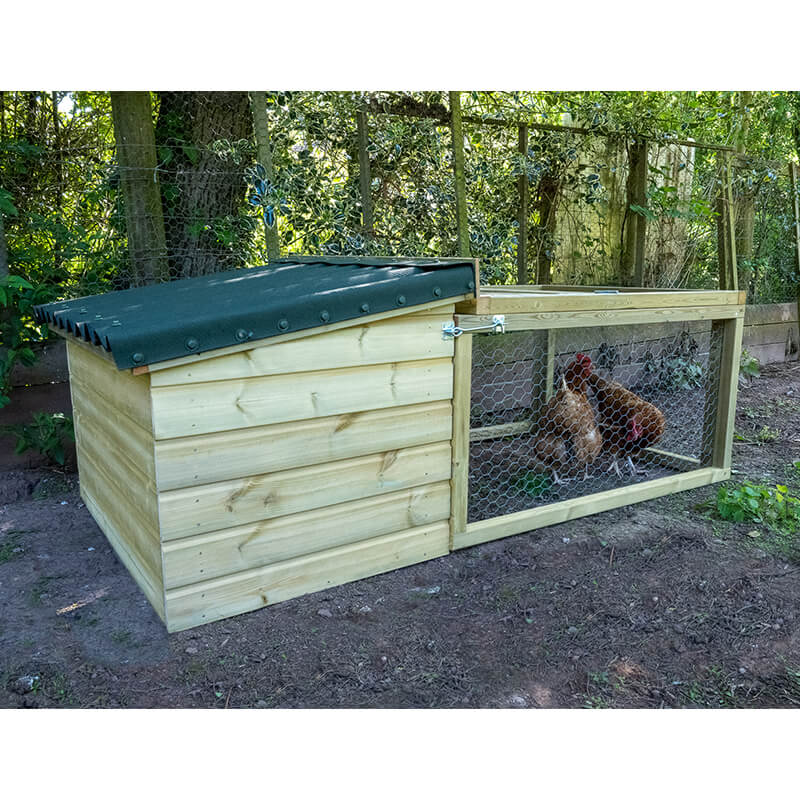
6% OFF: 6’6 x 3’5 Forest Hedgerow Wooden Chicken Coop with 4ft Run (1.99m x 1.05m) £469.996%

Garden structures under £500 for patios, borders and back gardens: compare arches, pergolas, arbours, gazebos, trellis panels and obelisks in timber, metal and composite styles.
Shapes that frame the garden without taking over
Buying a garden structure under £500 is often about finding the right balance between presence and restraint. You want something with enough shape to change how the space feels, but not a piece that dominates the whole plot. This price range opens the door to a good mix of forms, from slim garden arches that mark a path, to pergolas that create a defined outdoor room, to light-touch trellis panels that add structure to a fence or wall. Each type does a different job, so the best choice usually depends on whether you want height, screening, support for climbers, or a focal point that gives the garden some proper bones.
Many shoppers are drawn to structures in this bracket because they can change the look of a space without needing a full landscape overhaul. A simple arch can make a border feel deeper. A pergola can soften a patio. A set of trellis panels can break up blank fencing without making the garden feel closed in. And because the budget is capped, the choices tend to be practical and focused, which is no bad thing when you want something that looks considered rather than overdone.
Arches, pergolas, arbours: three very different ways to add height
Garden arches are usually the most compact option. They work well where you want a transition point: at the entrance to a path, between two planting areas, or as a framed view across the lawn. Their strength is in the outline they create. Even a plain metal arch can make a border feel more finished, while a timber version can bring a softer, more traditional feel. If you like climbing roses, clematis, honeysuckle or sweet peas, an arch gives them a clear route upwards without taking much ground space.
Bestseller der Kategorie Garden Structures under £500

Pergolas sit in a different category altogether. They are broader, more architectural, and better suited to a patio, seating area or deck where you want an overhead frame. In the under-£500 range, you may be looking at simpler designs, smaller footprints, or lighter materials, but they still do a useful job. A pergola can define an outdoor dining spot, suggest a garden “room”, or act as a support for climbing plants along the sides and top. It is a good choice if you want more of a destination than a decorative accent.
Arbours fall somewhere between the two. They often include a seat or enclosed sides, so they feel more intimate than an arch and less open than a pergola. That makes them useful in corners, at the end of a path or tucked into a border where you want a little shelter from the rest of the garden. They can be especially appealing in smaller gardens, because they create a sense of place without needing a lot of room. A neatly placed arbour can make a modest plot feel thought through rather than squeezed.
Trellis panels and screens: structure with a lighter touch
If your main aim is to add definition rather than build a feature, trellis panels are a smart option. They are useful for screening bins, compost corners, utility areas or awkward boundary sections, but they still let light and air pass through. That matters in smaller spaces, where a solid barrier can feel a bit heavy. Trellis also gives climbers something to latch on to, so it can turn a plain fence into a planting surface without replacing the whole boundary.
There are a few common differences to note. Square trellis looks neat and regular, and suits more formal layouts. Diamond trellis feels a little softer and more traditional, especially with roses or cottage-style planting. Lattice-style panels can read as more decorative, while wider-spaced panels are often better for stronger climbers or for areas where you want a bit more openness. The visual effect changes quite a lot depending on spacing, so it is worth checking the pattern, not just the size.
Trellis is also handy when you want structure without too much bulk. It can frame a seating nook, add vertical interest behind pots, or help divide one part of the garden from another. In budget terms, it often delivers a lot of impact for the money, especially when used in multiples. A single panel can look a bit lost, but two or three placed with care can make a boundary feel intentional. It’s one of those things that quietly improves a space, rather than shouting about it.
Metal, timber or composite: the material changes the mood
The material you choose affects both the look and the feel of the structure. Timber garden structures usually give the warmest, most natural appearance. They work well in planting-heavy gardens and with softer shapes. A wooden pergola or arbour can sit comfortably among shrubs and herbaceous borders, and the grain or painted finish often helps it blend into the setting. Timber tends to feel less stark, which suits traditional gardens and spaces with lots of greenery.
Metal structures, by contrast, can be slimmer, cleaner and more airy. They are often a good fit where you want support without visual weight. Black or dark powder-coated finishes can disappear into the planting once climbers begin to grow, while lighter metal styles can make a more decorative statement. Metal arches are especially useful when you want a strong outline for a path or gate-like entrance. The difference is often subtle at first, then quite noticeable once the structure is in place.
Composite options, where available in this budget, may appeal if you want something that sits between timber and metal in appearance. They can have a tidier, more uniform finish and may suit modern gardens where straight lines and low-fuss shapes matter. The main point is not which material is “best” in a general sense, but which one suits the rest of your planting, fencing and paving. A structure that echoes the materials already in the garden usually looks more at home.
When a small feature does a bigger job
One of the best things about garden structures under £500 is how much work a relatively modest piece can do. A narrow arch can guide movement and make a route feel more deliberate. A pergola can create shade and a sense of enclosure, even without any walls. Trellis can hide awkward views and stop the eye from jumping straight to sheds, wheelie bins or neighbouring fences. In other words, these are not just decorative extras; they can change how you use the garden.
They also help with scale. A long, open lawn can feel empty without a vertical anchor. A compact courtyard can feel boxy without something that breaks up the line. A structure gives the eye a resting point and helps set proportion. This is especially useful in newer gardens, where the layout can sometimes feel a bit flat or unfinished. Adding height and frame often makes the planting look more established, even before the plants have fully grown through.
There is also a practical advantage for anyone working within a set budget. Instead of trying to do too much at once, you can choose one structure that solves a specific problem: too much exposure, no focal point, an empty corner, or a border that needs better definition. That makes the purchase feel more deliberate and less like a random add-on. It’s easier to spend carefully when the structure has a clear purpose.
Budget choices that still feel considered
Under £500, the trick is to focus on proportion, finish and purpose. A well-sized structure with a clean outline will often look better than a larger one that feels out of place. It helps to measure the space properly and think about what you want the structure to frame, support or divide. Some buyers get distracted by the idea of “more garden” in one item, but the best result often comes from choosing a structure that fits the setting rather than trying to fill it.
Pay attention to how open or enclosed the design is. An open arch will keep things light and airy. A pergola creates more of a ceiling effect and can make a seating area feel enclosed, which is useful if you want a bit of intimacy. A trellis screen provides partial cover and is often better where you want privacy without blocking the view entirely. The difference sounds small, but it changes the whole mood of the garden once installed.
Finish matters as well. Clean lines and simple detailing can make a budget structure feel more refined. Heavy ornament can work in some gardens, but it is easy for it to look busy if the space is small or already full of planting. If your garden has a lot going on, a calmer structure usually works better. If the planting is restrained, a more decorative shape may help lift it a bit. It’s a balancing act, and that’s part of the fun, really.
Useful placement ideas for a better result
Placement makes a big difference to how a structure performs. An arch works well when it marks a change: path to border, lawn to seating area, or front to back garden. A pergola tends to work best over something you actually use, like a bench, table or decked corner. Trellis is strongest where you need to soften a boundary or add height behind lower planting. Arbours suit quieter spots where someone might sit and look out rather than pass through.
- At the end of a path to create a clear destination.
- Along a fence line to break up a long, flat boundary.
- Beside a seating area to make the space feel more enclosed.
- At a garden entrance for a framed first impression.
- In a bare corner to give it a reason to exist.
It also helps to think about how the structure will read from indoors. A well-placed frame seen from a kitchen window or back door can change the whole feel of a garden, even if it is not huge. This is one reason why buyers often choose structures near view lines rather than only near sitting areas. The garden then feels more composed from the house as well as outside.
Support for climbers, but with a style choice attached
Many people buy garden structures for climbers, but different plants suit different forms. Climbing roses often suit arches and pergolas where they can spill across the frame. Clematis can work well on trellis or lighter arches, especially when you want plenty of flower without a heavy structure. Honeysuckle is useful for softening the outline of an arch or arbour, while more vigorous climbers may need a sturdier frame to look right over time.
The structure and the plant should look like they belong together. A very delicate trellis with a dense climber can feel mismatched. Likewise, a chunky pergola can look overbuilt if it carries only one slim plant. Thinking about the eventual shape is helpful. If you want a lush, full look, choose a frame that can carry it. If you want clean lines and some breathing space, choose a lighter structure and a less forceful climber. It makes a difference to the final effect.
What shoppers often compare before buying
When comparing garden structures under £500, buyers usually weigh up a few practical differences rather than just the look. Height matters if you want privacy or impact. Width matters if the item needs to sit over a path, bench or dining set. The style of the top matters too: flat-topped structures feel more contemporary, while curved or peaked shapes can feel softer and more traditional. Side panels, open sides and decorative cut-outs all change how enclosed the piece feels.
Another common point is how much of the structure is meant to be seen. Some people want the frame to stay visible as a feature. Others want it to disappear once plants are established. Dark metal and simple lines help a structure recede. Timber, painted finishes and more decorative profiles tend to stay visually present. Neither approach is better; they just produce different moods. If you like the skeleton of the garden to be part of the design, choose something with a stronger outline. If you want the planting to take over, look for a lighter frame.
It is also worth checking whether the design feels proportionate to the garden’s layout. A compact courtyard can take a smaller arch or slim trellis set very well. A larger patio may need a pergola or wider structure to stop the space feeling empty. A big item in a small garden can look pushy, while a tiny piece in a large garden can seem accidental. Matching scale to setting is often what makes the purchase feel right in the end.
A final nudge for choosing the right one
If you are browsing garden structures under £500, the best choice is usually the one that answers a clear question: do you need height, screening, support or a focal point? Once you know that, the type becomes easier to narrow down. Arches are good for passage and framing. Pergolas are useful for creating zones. Arbours add a seated pause. Trellis gives structure without too much bulk. Each one changes the garden in a slightly different way, and that difference is exactly what makes the category worth exploring.
It is a category full of practical possibilities, but also one where the visual detail matters. A small change in shape, material or proportion can shift a garden from plain to purposeful. And because the budget stays under control, it becomes easier to choose with confidence instead of trying to do everything at once. That usually leads to a better result anyway.
[Sassy_Social_Share]