
Garden Structures under £4000 - Best Deals in UK!
Showing all 6 results
-
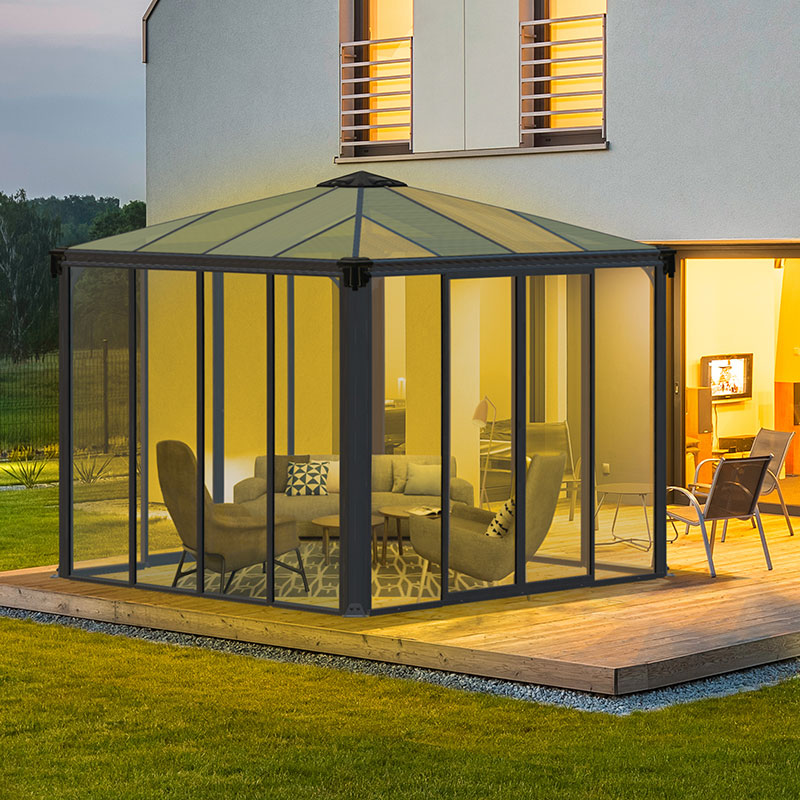
10% OFF: 10’x10′ (3x3m) Palram Canopia Ledro 3000 Enclosed Grey Gazebo £3,189.9910%

-
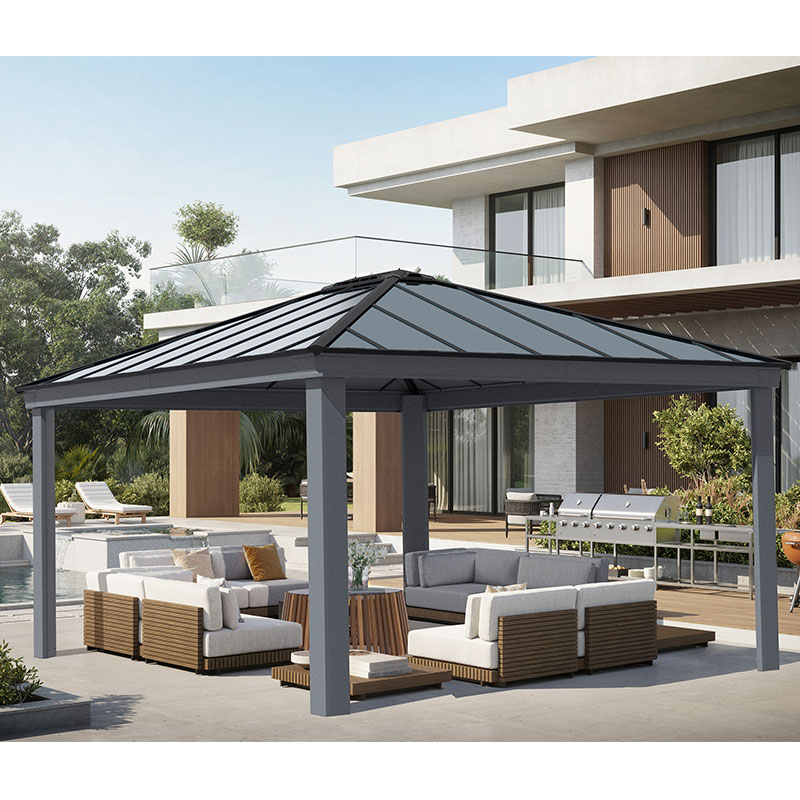
9% OFF: 14′ x 16′ Palram Canopia Dallas Grey Garden Gazebo (4.22m x 4.84m) £3,199.009%

-
9% OFF: 14′ x 20′ Palram Canopia Dallas Grey Garden Gazebo (4.22m x 6.06m) £3,999.009%

-
8% OFF: 20′ x 12′ Palram Canopia Dallas 6100 Grey Garden Gazebo (6.12m x 3.64m) £3,299.008%

-
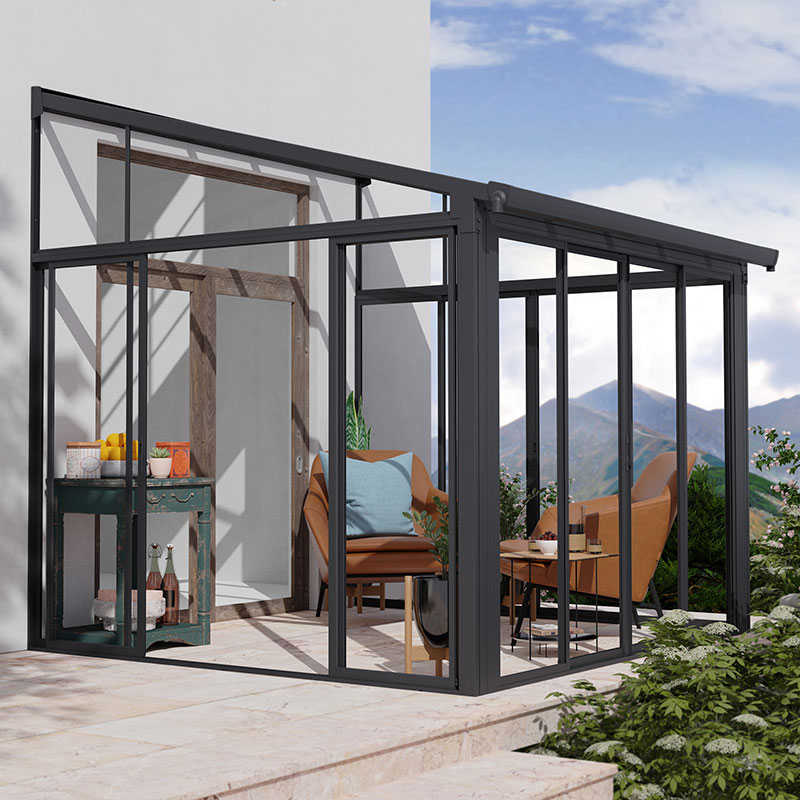
10′ x 10′ Palram Canopia SanRemo Grey Lean-To Conservatory (3.05m x 3.05m) £3,029.002%

-
10’x10′ (3x3m) Palram Canopia Ledro 3000 Enclosed Grey Gazebo £3,529.00
Garden structures under £4000 bring shade, shape and year-round character to outdoor spaces, with options from pergolas and gazebos to arches, arbours and compact shelters for seating, dining or planting.
Shapes that change the feel of the garden
A garden structure does more than sit in a corner. It draws the eye, frames a view and gives the garden a proper sense of layout. Under the £4000 mark, buyers often find a useful spread of forms, from open-sided timber pergolas to more enclosed gazebos and smaller decorative pieces like arches and arbours. The main difference is how much cover, privacy and presence you want.
An open structure such as a pergola is good when you want definition without closing the space off. It can mark a dining area, support climbers, or create a narrow walkway that feels a bit more intentional. A gazebo usually gives more shelter and a stronger focal point, which suits bigger lawns or a seating area that needs some protection from sun and light rain. An arch or arbour, by contrast, is often chosen for its visual effect rather than its footprint. These pieces suit entrances, paths and transitions between parts of the garden.
Timber, metal and mixed finishes: what changes in use
The material matters as much as the shape. Treated timber gives a warm, natural look and tends to sit comfortably in planted gardens, especially where the structure is meant to blend in rather than shout for attention. It can feel softer and more traditional, which is handy if the rest of the garden has fencing, sleepers or other wooden elements.
Bestseller der Kategorie Garden Structures under £4000
Powder-coated metal has a different character. It often looks slimmer, neater and a bit more architectural. That makes it a good match for contemporary spaces, smaller courtyards, or gardens where you want the structure to read as a clean outline rather than a rustic feature. Metal frames can also suit climbers in a more minimal way, since the plant itself becomes the main decoration.
Mixed-material designs can sit somewhere in between. A timber roof structure with metal fixings, for example, gives a balance of texture and strength. Buyers often compare these options by looking at the overall effect: do you want something that disappears into planting, or something with a clear shape from the house and path? That answer narrows the choice quite quickly.
Where each type fits best
The best structure is usually the one that matches the garden’s layout, not just the budget. A rectangular pergola suits a long terrace or dining run, because it creates a defined edge and often works well with straight paving. A square gazebo feels more central and balanced, so it can anchor a lawn or a larger patio. A circular or octagonal gazebo has a gentler visual line, which can soften a formal garden or break up a space full of straight fences and borders.
Arches are useful where the aim is movement. They mark a start or finish point, like the entrance to a side path or the link between two planting areas. Arbours often feel more intimate and can suit corners, narrow plots or smaller gardens where a full-sized shelter would look too dominant. If you have a compact outdoor area, these smaller structures can still bring height and interest without taking over.
Open, half-open and enclosed: the real practical difference
When comparing structures under £4000, it helps to think in terms of enclosure. An open frame gives shape and supports planting, but keeps the space airy. This is handy if the garden already feels small or shaded. A half-open design, like a pergola with partial side panels or slats, gives a bit more structure and can help create a sense of room within a room. An enclosed or more sheltered structure offers a stronger feeling of retreat, with more useful cover for a bench, table or relaxed seating.
That difference changes how the garden is used. Open structures often feel best as daytime features and transition points. More sheltered ones can become a proper destination, even if you’re just sitting with a coffee and looking out over the beds. It’s less about size alone and more about the way the space behaves once the structure is in place.
Why buyers choose a structure before the rest of the garden is finished
A well-chosen structure can make an unfinished garden feel deliberate. It gives a fixed point around which planting, paving and furniture can be arranged. That matters in new-build plots, long narrow gardens and spaces that need a bit of order. Instead of buying lots of smaller bits first, some people start with the structure because it sets the tone.
There is also a practical side. A pergola over a patio can help define outdoor dining without building a full extension feel. A gazebo can create a sitting place that is separate from play areas or storage. An arch can draw people down a path and make a small garden feel more layered. In other words, the structure can solve a layout problem while also making the garden look more complete. It’s a useful two-in-one thing, really.
Budget range under £4000: what that usually opens up
In this price range, shoppers are usually looking at structures that offer a solid balance of design and scale, without drifting into fully bespoke or very large build territory. That can mean a more generous pergola, a compact gazebo, or a decorative metal frame with a clear purpose. The key point is that under £4000 is enough to choose thoughtfully rather than just settling for the first thing that fits.
This budget can be especially useful if you want a structure that does more than one job. For example, a pergola can act as both a seating zone and a plant support. A gazebo can serve as a gathering point and a garden feature. An arbour can give a path extra depth while also creating a frame for roses, clematis or other climbers. The point is not that one type is “better” across the board, but that the budget lets you pick the right type for the job.
Choosing by garden style, not just by dimensions
The best-looking purchase is often the one that fits the garden’s language. In a modern garden, straight lines, slim profiles and darker metal finishes can work well because they echo paving and fencing. In a cottage-style garden, timber, curved forms and climbing plants tend to feel more at home. A traditional garden may suit a square or octagonal gazebo with a settled, classic shape. A compact urban garden often benefits from lighter, less bulky structures that add height without making the space feel boxed in.
Even the roofline changes the mood. A flat or gently sloped top looks understated and functional. A pitched roof suggests more shelter and a slightly stronger architectural presence. Lattice or slatted details create shadows and a softer finish, while plain frames keep the look cleaner. These differences are worth noticing because they affect how the structure sits beside fences, walls and planting, not just how it looks in a product photo.
Useful details buyers often compare first
When looking at garden structures under £4000, people tend to compare a handful of practical features before anything else:
- Footprint — whether the structure is suited to a patio, lawn, path or corner.
- Height — especially important if you want a sense of openness or, instead, a more cocooned feel.
- Roof style — open top, slatted, pitched or fully sheltered changes both appearance and use.
- Side detail — open sides, trellis panels or partial screening all alter privacy and airflow.
- Material finish — natural timber, painted timber or coated metal each creates a very different look.
- Form — square, rectangular, octagonal or curved structures suit different layouts.
These details sound simple, but they make the purchase feel more exact. A structure that is only slightly too large can dominate a small garden, while one that is too modest may not create the feeling of a destination. So it’s worth measuring carefully and thinking about the way people will actually move around it.
When shade is the aim, and when it is really about framing
Not every buyer wants the same thing from a garden structure. Some are looking for shade, especially over outdoor seating or dining. Others want framing, meaning a way to shape a view or make the garden feel more structured. A pergola can do both, though usually in a lighter way. A gazebo is often chosen more for the shelter it gives. An arch or arbour is often more about visual guidance and ornament, though it can still support planting and create welcome cover in a small way.
That is where the distinction becomes helpful. If you want to sit under something for a good part of the day, a more covered structure may suit. If you want the garden to feel taller and more organised but not enclosed, an open frame is often the better call. If you want the eye to move through the garden in a controlled way, a smaller structure with strong lines can do that better than a big shelter.
Climbers, panels and the way structure meets planting
Many garden structures under £4000 are chosen because they work well with planting, not apart from it. A timber pergola can support climbing roses or vines and gradually soften its own outline. A metal arch can disappear behind foliage once the plant is established, leaving shape and flower together. Trellis sections on a gazebo or arbour let the structure become part of the planting scheme rather than a separate object placed on top of it.
This is a useful buying point because the structure can look quite different in year one and year three. Some buyers want the framework to be visible; others want it to fade into the green. Neither is wrong. It just means the structure should suit your intention from the start. If the planting is meant to be the main event, a simpler frame often works better. If you want the structure itself to stay noticeable, choose clearer lines and more solid forms.
Picking a structure that works with furniture
Furniture placement is often what decides whether a structure feels useful or merely decorative. A pergola over a table creates a clear outdoor room. A gazebo can hold a bench set, a small dining suite or a single seated area with extra presence. An arbour is better for one or two chairs, or for a pause point on the way through the garden. The scale has to suit the use, otherwise the space can feel awkward, and nobody wants that.
It is also worth thinking about sightlines from indoors. A garden structure is seen from the house as much as from the lawn. A strong roofline, a neat arch or a well-placed open frame can make the whole garden look more planned from the kitchen window. That is one of the quieter benefits, but a real one.
Small differences that can make the purchase feel right
The details that seem minor at first often end up being the deciding factor. A structure with a more airy outline may suit a garden that already has a lot of planting. A heavier-looking form may be right for a larger plot that needs anchoring. A square shape can feel tidy and formal, while a curved or octagonal one feels a little softer. A simple frame may leave room for you to personalise with planting, lighting or furnishings later, while a more complete shelter can arrive with a stronger identity already built in.
For many buyers, the real appeal of this category is that it adds purpose, structure and character without needing the garden to be completely transformed first. It gives you a starting point. And sometimes that is exactly what a garden needs before everything else starts to make sense.
A few buying pointers before you decide
- Choose the form first, then the finish.
- Match the structure to the garden’s existing lines, especially fences, paths and patios.
- Think about whether you want an open frame, a part-sheltered layout or a more enclosed feel.
- Check how the structure will look from the house, not just from standing beside it.
- Use the budget to get the right shape and scale, rather than stretching for more than the space can carry.
Garden structures under £4000 are a smart way to add focus, shelter and a sense of design to outdoor space. Whether the aim is a quiet seating spot, a path marker, a planting frame or a stronger centrepiece, the right structure changes how the whole garden feels, and that matters quite a lot.
[Sassy_Social_Share]