
Garden Structures under £3000 - Best Deals in UK!
Showing all 4 results
-
12% OFF: 3.3×3.3m (11’x11′) Palmako Betty Garden Pavilion – Luxury Gazebo £2,589.0012%

-
7% OFF: 11’8 x 9’6 Palmako Kira (16mm) Premium Extra-Large Garden Bar (3.6m x 2.9m) £2,989.007%

-
5% OFF: 16′ x 12′ Palram Canopia Dallas 4900 Grey Garden Gazebo (4.88m x 3.64m) £2,649.005%

-
14′ x 14′ Palram Canopia Dallas Grey Garden Gazebo (4.22m x 4.22m) £2,749.00

Garden structures under £3000 bring together practical shade, storage, seating and architectural shape for outdoor spaces, with options in timber, metal and composite forms that suit compact patios, family gardens and longer plots.
Why a structure changes the feel of a garden
A well-chosen garden structure does more than fill space. It gives a garden a clear purpose, a sense of order and a point of focus that can anchor everything else around it. Under the £3000 mark, you’ll usually find pieces that are substantial enough to make a real difference, yet still realistic for many homes, especially when you want a feature that feels considered rather than overdone.
This price band often includes pergolas, gazebos, arches, arches with seating, garden rooms in smaller formats, cabanas, storage shelters, and other framed structures that help define how the garden is used. The differences matter: some are made to create shade and enclosure, some are designed to support climbing plants, and some simply give a more finished look to a lawn, terrace or pathway. It is a bit more than just buying an item for the garden; it is about shaping how the space works.
Forms that suit different plots
One of the main reasons buyers look at garden structures under £3000 is the range of forms available. A rectangular pergola works well over a dining area or along a terrace because its straight lines sit neatly with paving and decking. A square gazebo tends to feel more enclosed and can suit a seating nook or a central garden feature. Arched structures are different again; they guide the eye and can soften long paths, making the route through the garden feel more deliberate.
Bestseller der Kategorie Garden Structures under £3000
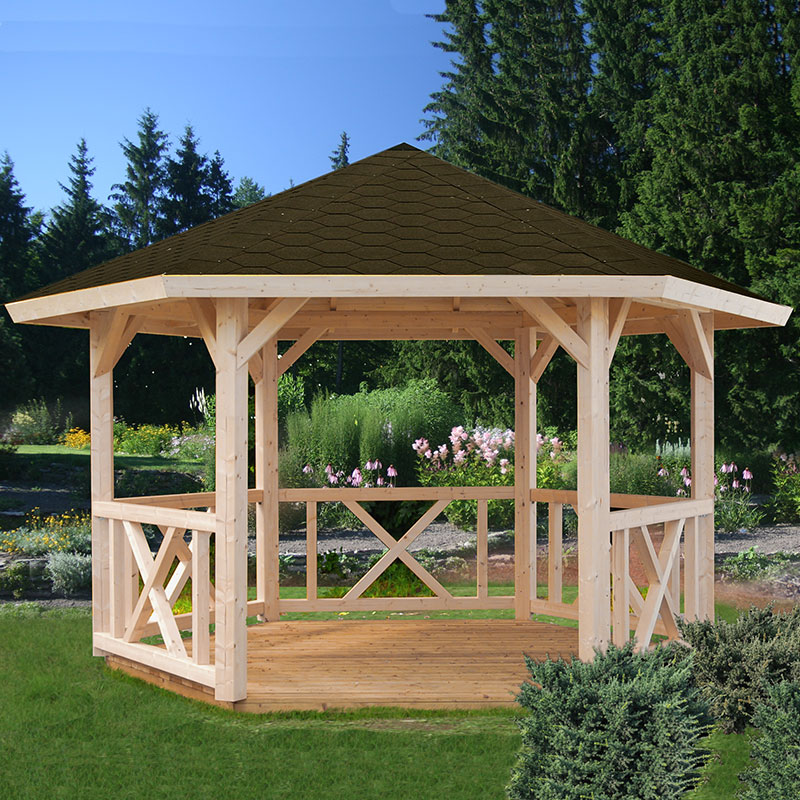
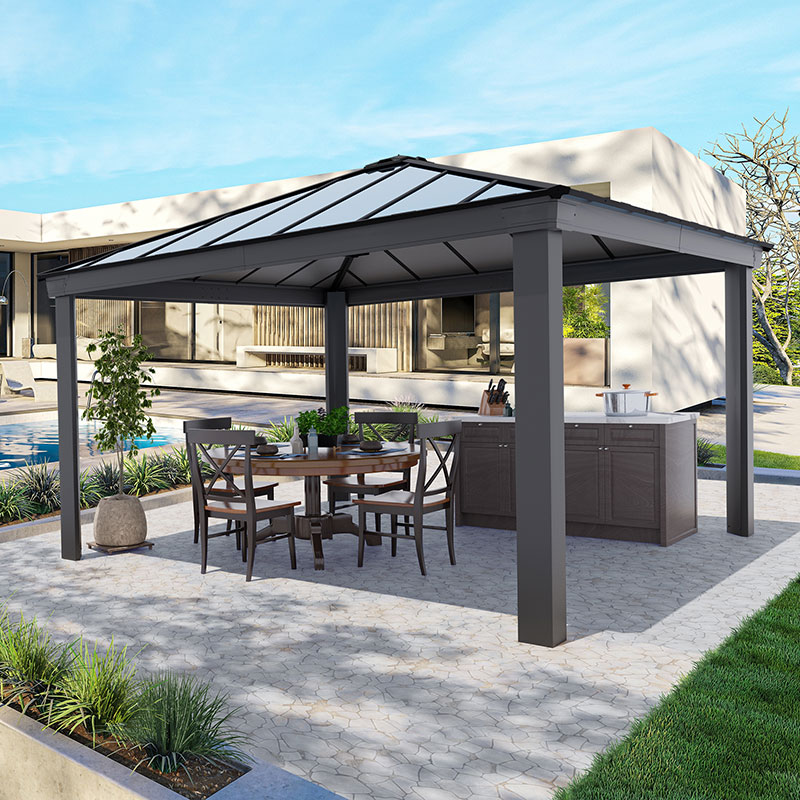
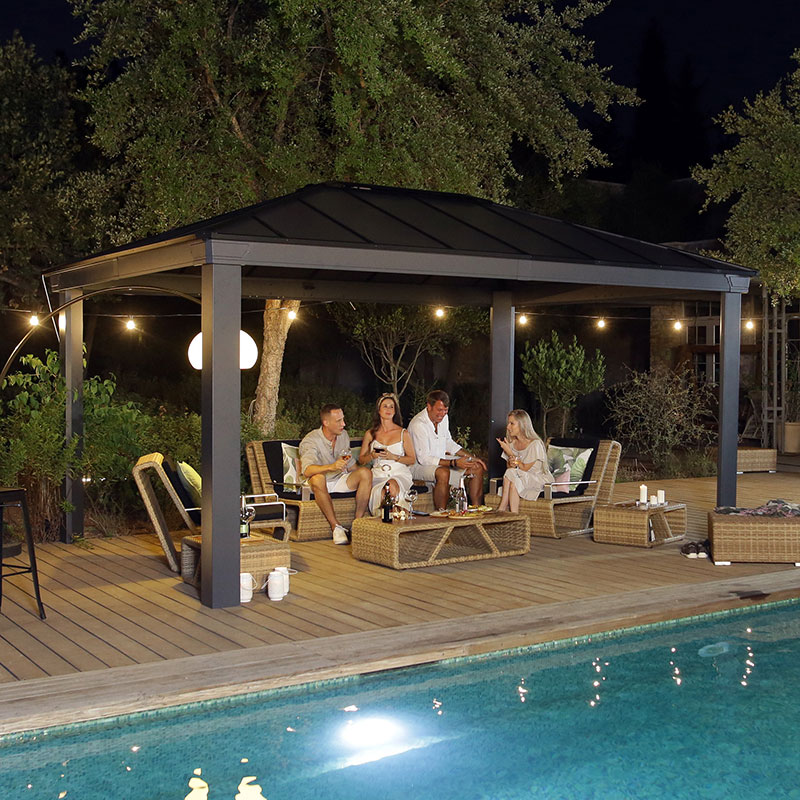
There are also freestanding frames, which are useful if you want placement flexibility, and wall-fixed designs, which can work better where space is tight or where you want the structure to extend from the house. A freestanding piece usually creates a stronger island-like feature, while a wall-adjacent version often feels more integrated with the building. That difference sounds small, but in a garden, it really changes the flow.
For narrower plots, slimmer profiles are worth a look. A heavy structure can dominate a small area, whereas a lighter frame with open sides may give the same feeling of structure without closing the space in. In larger gardens, a broader footprint can help divide areas into zones, such as dining, lounging and planting. It’s not just about size, but about how the shape sits in the view.
Materials and what they tell you at a glance
The material makes a big difference to both the look and the kind of use you get from a structure. Timber garden structures often feel warm, natural and easy to blend into planting, especially if your garden already has soft shapes or traditional borders. They suit climbing roses, clematis and other plants that like a frame to lean into, and they often have a slightly more relaxed character.
Metal structures, including powder-coated steel or aluminium designs, usually bring a cleaner outline. They can look sharper and more architectural, which is helpful if your garden leans modern or if you want contrast against softer planting. Metal frames are often chosen for their crisp lines and slimmer visual footprint, though they can differ in how substantial they feel. A thin black frame can almost disappear into foliage, while a thicker profile makes a bolder statement.
Composite and mixed-material structures may offer the look of wood with a more uniform finish, and they can suit buyers who want a tidier appearance without as much variation in grain or colour. In this category, the choice is rarely about one material being “better” across the board. It is more about whether you want a garden feature to feel rustic, refined, or somewhere in between.
Shade, shelter and the way a space is used
Some structures are chosen mainly for shade, others for shelter, and some are picked because they create a feeling of room-like enclosure outdoors. A pergola with open slats gives partial shade and still lets light through, which is useful if you want a space that feels airy rather than boxed in. A gazebo, by contrast, gives a more enclosed feeling and can make seating areas feel settled, especially when the weather turns a little changeable.
If your main goal is to create a place for eating outdoors, the structure should be large enough to define the dining zone without swallowing it. If you want a lounging area, a softer, more open frame can work better because it leaves the space feeling calm. That difference between open structure and enclosed shelter is important when browsing the category, since two products can look similar online but behave quite differently in use.
Another point worth noticing is how the roofline changes the character. Flat-topped frames can feel neat and contemporary, while pitched or domed tops tend to read as more decorative. Curved lines often bring a gentler silhouette, and this can help if your garden already has lots of straight hard landscaping. Small detail, but it matters.
Climbing plants, screening and the softer side of structure
Many buyers look for structures that support planting, and that is where forms really start to diverge. A pergola or arch can carry climbers and create a living canopy over time. An open trellis-style side adds screening without making the space feel boxed in. This is especially useful if you want to reduce sightlines from a neighbouring garden, hide a practical area, or frame a path in a way that feels more natural.
There is a useful difference between a structure that is mainly decorative and one that is plant-supporting. Decorative pieces give instant shape, even before anything grows. Plant-supporting pieces become part of the planting scheme, so they feel more integrated as the garden develops. If you like the idea of roses threading through a frame or jasmine climbing around a seated area, then the structure needs enough contact points, bars or rails for the plant to grip properly. Too smooth, and it looks nice but does less work.
For some gardens, screening is not about blocking everything out, just filtering views. Slatted sides, partial panels and open lattice give a gentler effect than a solid wall. That can be more pleasant in smaller gardens where a hard barrier might feel a bit much. A structure that filters rather than shuts out often feels more usable day to day.
How price level and structure type differ under £3000
At under £3000, you are often comparing size, material quality, design detail and versatility rather than chasing the most elaborate build. A simpler pergola with a tidy finish may leave room in the budget for placement and accessories, while a more enclosed gazebo or substantial shelter may use most of that budget on the frame alone. The difference is not just about price; it is about whether you want openness, partial cover or a more defined outdoor room.
Within this range, some structures are more focused on aesthetics, while others are aimed at practical use. A statement arch or garden doorway might be relatively compact but visually strong. A larger seating shelter may be more subtle in appearance yet more useful when you want a place to sit with some cover above. Garden buyers often underestimate how different those two purchases are. One changes the view, the other changes the habit.
If you want a structure that feels solid without taking over the budget, look at the balance between frame thickness and openness. A heavy frame can feel dependable, but it may suit a bigger plot better. A lighter frame can sit more comfortably in a modest garden and still give that framed, designed look. There is no need to overbuild if the setting does not call for it.
Shapes that make sense: square, round, arched and open-sided
The shape of a garden structure affects more than its silhouette. A square or rectangular form tends to work with contemporary gardens and neat paved areas. It creates clear corners and helps define usable space. A round or octagonal gazebo feels more social and can soften the geometry of a garden with lots of straight lines. These shapes often encourage seating to face inward, which gives a cosy, informal feel.
Arched designs are good at creating movement through a garden. They can mark an entrance, frame a walkway or lead from one area to another. Their advantage is subtlety; they suggest a boundary without making a hard one. On the other hand, if you need a structure to act like a mini outdoor room, an arch alone may not be enough. That’s a difference buyers should watch for before clicking too quickly.
Open-sided structures are ideal when you want light and visibility. They are easier to pair with planting and they keep a garden feeling larger. Partially enclosed structures offer more privacy and a stronger sense of shelter, which can be useful if the space is exposed or if you want a calmer corner for sitting. The trade-off is always the same: more enclosure means more atmosphere, but less of that open, breezy feel.
Useful buying clues that save disappointment later
When choosing a structure in this category, the practical details matter almost as much as the style. Check the footprint carefully and imagine it in relation to doors, paths, planting beds and seating. A structure that looks compact in a photo may feel much bigger once it is in place. It sounds obvious, but it is the sort of thing people get wrong when they are drawn in by the image.
Think about how the structure will be used. If it is mainly for dining, leave room for chairs to pull out comfortably. If it is for lounging, consider how much overhead cover you actually want. If it is for climbing plants, make sure the frame offers enough support and not just decorative slats. The right structure should fit the way you already use the garden, or the way you want to start using it.
It also helps to compare visual weight as well as physical size. A slim black frame may feel lighter than a pale timber piece of the same dimensions, simply because the eye reads it differently. Likewise, structures with decorative braces, latticework or thicker posts can feel more substantial even if the footprint is unchanged. Those little differences influence whether a piece blends in or becomes a feature.
Where these structures earn their place
Garden structures under £3000 can work in quite a few settings. In a small courtyard, an open pergola or arch can create interest without making the space feel closed off. On a terrace, a rectangular frame can define an outdoor dining area and make it feel like a planned part of the home. In a long garden, an arch or pergola run can break up the sightline and make the walk through the space feel more layered.
For a family garden, a structure can help separate eating from play without the need for full boundaries. In a more decorative planting garden, a frame can become part of the composition, almost like a living sculpture once plants start climbing through. And if the garden is mainly used in the evenings, a structure can give a gathering point that feels more settled than just chairs on open lawn.
What really makes these pieces appealing is that they often do several things at once. They organise the space, they add height, they create shadow patterns, and they can support planting or privacy. Not every garden needs that, of course, but when it does, the structure can be the bit that ties everything together.
What buyers tend to compare before deciding
People usually compare style, dimensions, material, level of cover and visual impact. Some want a structure that looks light and decorative from day one. Others want something with more presence and a stronger frame. Some are focused on how it will look in winter, when planting is sparse. Others are thinking about summer, when they want shade and a place to sit with a bit of cover overhead.
There is also the question of how much the structure should stand alone. Some designs work as a feature on their own, even without plants. Others are intended to be planted up and become part of the garden over time. If you like a garden to feel established rather than newly set out, a plant-ready structure often makes more sense. It lets the space mature, which is a nice thing in a garden, really.
For buyers who want a more finished outdoor look without moving into a much higher spend, this category gives a practical middle ground. You can achieve definition, height and atmosphere without needing a full garden build. That is one reason garden structures under £3000 remain such a popular part of outdoor planning.
A final way to narrow the choice
If you are choosing between different structures, ask three simple questions: What is it for? How much enclosure do I want? What shape fits the space? That usually cuts through the noise. A pergola may suit a dining terrace. An arch may suit a path or entrance. A gazebo may suit a seating spot that needs a clearer roofline and more shelter. A freestanding frame may work where the layout changes over time.
Once those answers are clear, the rest becomes easier to read: timber or metal, open or enclosed, square or curved, decorative or plant-led. Small differences add up. And in this price range, those differences are often exactly what turns a garden structure from “nice idea” into something you will actually use and enjoy season after season.
- Pergolas for dining areas, terraces and climber support
- Gazebos for a more sheltered seating zone
- Arches for entrances, paths and focal points
- Freestanding frames for flexible placement
- Wall-adjacent designs for tighter spaces and a more integrated feel
- Timber structures for a softer, more natural finish
- Metal structures for slimmer profiles and a sharper outline
- Open-sided forms for light, visibility and planting integration
- Partially enclosed forms for privacy, shelter and a stronger sense of room
Small details that make a purchase feel right
Sometimes the deciding factor is not the headline shape at all, but the little things: the spacing of slats, the height of the posts, the depth of the frame, or how much of the garden view remains visible through it. Those details decide whether a structure feels airy, grounded, formal or relaxed. And that is why this category works well for people who want more than a plain outdoor accessory.
Garden structures under £3000 can be a smart way to give the garden a stronger identity, especially when you want something that looks intentional and offers a real use as well. Whether the aim is shade, framing, screening or simply a better place to sit, the right structure can change how the space feels without overcomplicating it. Not flashy, just well judged.
[Sassy_Social_Share]