
Garden Structures under £300 - Best Deals in UK!
Showing all 7 results
-
8% OFF: Palram Canopia Gazebo Netting Set for Roma and Monaco Gazebos £229.998%

-
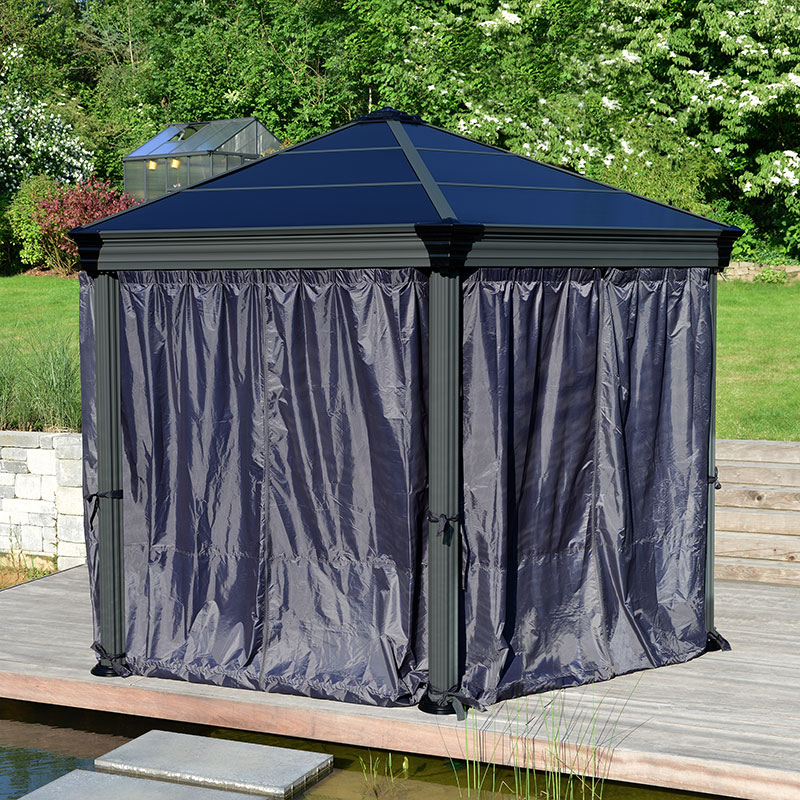
8% OFF: Palram Canopia Gazebo Curtains Set for Dallas 6100 Garden Gazebo £275.998%

-
7% OFF: 4’5 x 2’6 Forest Hedgerow Wooden Starter Small Chicken Coop (1.34m x 0.77m) £269.997%

-
6% OFF: Palram Canopia Gazebo Curtains Set for Dallas 4900 Garden Gazebo £229.996%

-
6% OFF: Palram Canopia Gazebo Netting Set for Dallas 6100 Garden Gazebo £228.996%

-
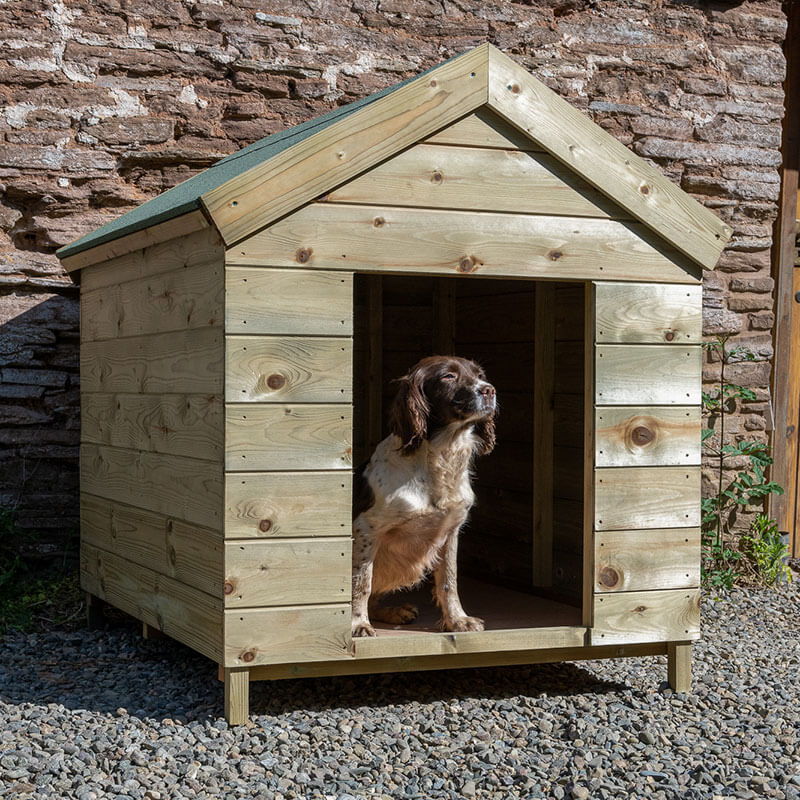
5% OFF: 4’2 x 3’6 Forest Hedgerow Wooden Dog Kennel – Pet House (1.28m x 1.06m) £264.995%

-
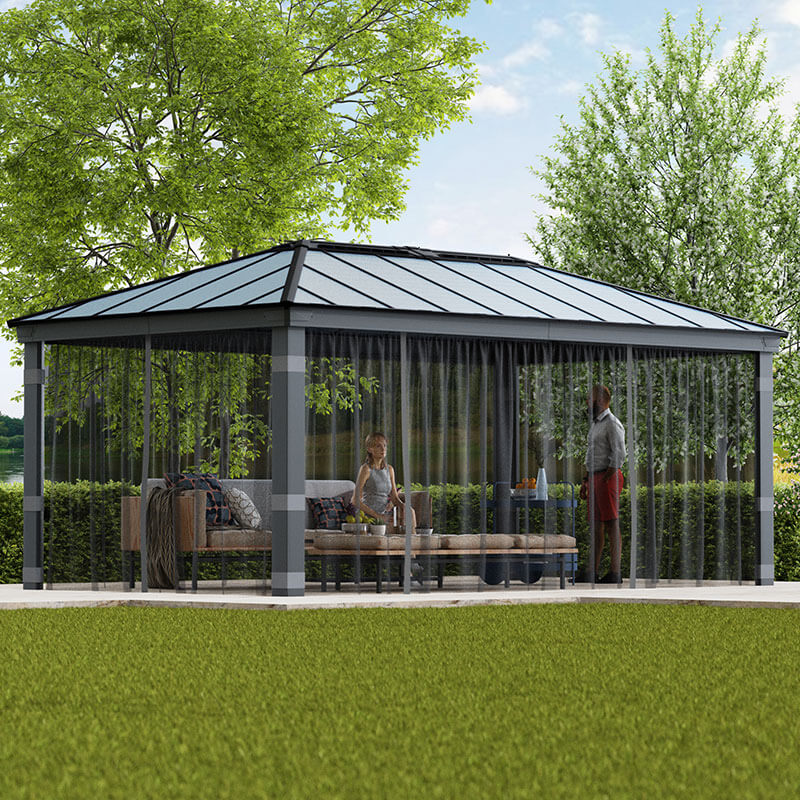
Palram Canopia Gazebo Curtains Set for Roma and Monaco Gazebos £261.993%

Garden structures under £300 can change a plain outdoor space into a room with shape, height and purpose, from arches and pergolas to obelisks, screens and compact frames.
Small Budget, Proper Shape
A garden structure under £300 does not have to feel basic or temporary. At this price point, you can still find pieces that add height, support and a clear sense of structure to beds, paths, patios and seating areas. The key is knowing what each type does best, because a slim plant support and a freestanding pergola play very different roles, even if they both sit in the same budget. One may frame a walkway, another may hold climbers, and another may give a corner a bit of order without blocking the view.
This category suits buyers who want a noticeable effect without stepping into a big spend. It is often where practical design meets visual impact. You may be choosing between metal, wood, or powder-coated steel, or between a single focal point and a full set of matching pieces. That is part of the appeal: the options are varied enough to fit different gardens, yet focused enough to keep the search sensible.
What Counts as a Garden Structure Here?
In this price range, “garden structures” usually means pieces that create form, support plants, or define an outdoor area. That can include:
Bestseller der Kategorie Garden Structures under £300
- Arches for entrances, pathways and planting through the frame.
- Pergolas for overhead definition over a patio, bench or dining spot.
- Trellises for vertical support against walls, fences or as freestanding panels.
- Obelisks and plant towers for climbing roses, sweet peas and other climbers.
- Garden screens for light partitioning and visual cover.
- Plant supports and decorative frames that keep stems upright while adding a bit of style.
- Compact gazebos or canopy-style structures where the design is simpler and the footprint is smaller.
The difference between them is not just shape. It is also about how much visual weight they bring, how much planting they can carry, and whether they work as a feature on their own or only once covered in foliage. A buyer looking for a soft, romantic look may lean towards a curved arch or an arched trellis. Someone after a cleaner, more modern layout may prefer straight lines, square posts and a simpler frame.
Arches, Arbours and the Art of an Entrance
Garden arches are one of the easiest ways to give a garden a sense of arrival. They work well over paths, at the opening of a border, or as a transition between lawn and planting. In this budget, arches are often made from steel or metal tubing, sometimes with decorative scrolls or a simple curved top. That matters, because a heavier-looking arch can feel traditional, while a lighter design can sit quietly and let the planting do the talking.
An arbour usually feels a touch more enclosed than an arch. It may include side panels, lattice or a little seat-like frame, so it reads more as a destination than a passage. If you want a focal point at the end of a path, an arbour can do that nicely. If you want movement through the garden, an arch tends to suit better. Both can support climbers, but the visual effect is different: the arch invites you through, while the arbour suggests you pause.
Useful differences to think about:
- Arch = open, directional, good for walk-through impact.
- Arbour = more enclosed, better for a tucked-away corner.
- Flat-top arch = more structured, sometimes easier to pair with modern planting.
- Curved arch = softer outline, often suits cottage-style planting.
If the garden is narrow, a slim arch can give height without eating into floor space. If the space is wider, a chunkier frame can hold its own beside broader borders. That little balance between size and shape is what makes a structure feel fitted rather than just placed there.
Pergolas with a Price in Mind
Within a £300 budget, a pergola may be simpler than a large bespoke build, but it can still define a space neatly. The main job of a pergola is to add overhead structure. Even without a solid roof, it changes the feeling of an area by marking it out. A dining spot under a pergola feels separated from the rest of the garden. A bench under one gets a frame. A path lined by a pergola section starts to feel like a journey rather than just a route.
Look out for differences in the frame style. Some pergolas are more open, with slim posts and crossbeams. Others are a bit more substantial, with squared legs or side lattice that helps climbers cling. In the lower price bands, you may also see compact pergola-style frames rather than full large-span designs. That is not a drawback if the garden is modest. A smaller pergola can be the right size for a terrace, a courtyard, or even a corner seating area where a full structure would feel too heavy.
There is also a visual choice between traditional timber-look styles and metal pergolas. Timber can feel warmer and more classic. Metal often reads as slimmer and more graphic. If the goal is to support climbing plants without the structure stealing focus, metal may suit. If the structure itself should feel part of the garden’s character, timber may be better.
Vertical Pieces That Do More Than Just Stand There
Not every structure has to spread out. Some of the most useful pieces under £300 are vertical. Obelisks, for example, are ideal for lifting a planting scheme. They work in borders, containers or at the centre of a bed, and they help climbers grow upwards instead of flopping outward. Their shape matters: square obelisks tend to feel neat and architectural, while tapered or cone-shaped designs bring a softer, classic look.
Trellises are another good example. A trellis can be fixed to a wall, placed behind a planter, or used as a freestanding screen. The key difference lies in the pattern. Diamond lattice gives a familiar garden feel and works well with informal planting. Horizontal slats feel a bit more contemporary and can suit cleaner layouts. A more open trellis allows light and glimpses through; a denser one gives stronger screening and more climbing surface.
For smaller spaces, these pieces are often the smartest spend because they add height without requiring much floor area. They are also good when you want a seasonal or even year-round shape, not just flowers in summer. A simple tower or panel can still give structure when the plants are young or sparse. That is useful if you are building a garden over time rather than all at once.
Screening, Privacy and Soft Boundaries
Some structures are chosen less for show and more for what they conceal or divide. Garden screens and lattice panels can break up a view, soften a boundary, or hide an awkward spot without making the space feel shut in. Under £300, these pieces are often compact enough to move or reposition, which gives them a practical edge over fixed fencing or larger builds.
The difference between a screen and a trellis can be subtle. A trellis usually suggests planting support first, with screening as a bonus. A screen tends to prioritise partial privacy or division, with planting support as a secondary role. If you want to frame a seating area, a screen with an open top section can be a smart choice, because it creates separation without feeling boxed in. If you want the structure to disappear behind climbers, a trellis with a more open pattern may work better.
Materials affect the feel quite a bit here. Metal screens can look neat and crisp. Wooden screens often feel more natural and easier to blend with planting. A dark finish may help the structure sit quietly behind foliage, while a lighter finish can make it stand out as part of the design. Neither is better in every case; it depends whether you want the structure to lead or to fade into the background.
Forms, Shapes and the Way They Change the Garden
Shape is not just decoration. It changes how a garden is read. Curved forms feel softer and more relaxed. They tend to suit planting-heavy gardens where edges are meant to blur. Angular forms feel more deliberate and can help bring order to mixed borders or irregular spaces. A simple circle-top obelisk, for example, has a different mood from a straight-edged panel.
Common forms you may see include:
- Arched designs for flow and entry.
- Flat-top frames for a tidy, modern outline.
- Peaked tops that give vertical emphasis.
- Domed or rounded shapes for a softer visual line.
- Rectangular frames for clean borders and screening.
- Tiered supports for plants that need space as they climb.
These shapes also change the type of planting they suit. A rose may trail beautifully over a rounded arch, while a clematis can climb happily up a narrower obelisk. A sweet pea plant tends to look especially good on slim supports, where the stems can weave without needing a huge framework. That is why the shape of the structure matters almost as much as the plant choice itself.
Why Buyers Look at This Price Band
People often shop for garden structures under £300 because they want a clear upgrade without turning the project into a large investment. This band can suit first-time buyers as well as people replacing a tired feature or adding one more layer to a garden that is already partly established. It is a useful range for testing an idea too: perhaps a pergola on the patio, an arch at the path entrance, or an obelisk to see how much vertical interest the space can take.
There is also a practical side. Many of these structures are sized for ordinary gardens, not grand layouts. That means they can work in terraces, narrow plots, patio corners and modest borders. You are less likely to end up with something that feels oversized. Instead, the structure can be chosen to fit the room you actually have, which often makes the whole garden feel more considered.
A few buyer-minded points worth weighing up:
- Footprint – does it fit the space without crowding it?
- Height – does it lift the eye enough for the area?
- Style – is it meant to blend in or stand out?
- Support pattern – will climbers have enough to grip?
- Open or enclosed feel – do you want passage, shelter or screening?
How to Match the Structure to the Job
The best choice is usually the one that matches the job most closely. If you want a feature at the end of a border, an obelistk or arch may be enough. If you want to mark out a seating area, a pergola or a screen will do more. If you want climbing plants to rise through the middle of a bed, a tower-style support is often the neatest answer. If you want to give a blank wall some life, a trellis is often the easiest fit.
There are also visual differences worth noting. Some structures are meant to be seen all year, even when the planting is sparse. These often need a more attractive frame, because they carry the look on their own. Others are designed to disappear once the foliage fills out. That is useful if you prefer the garden to feel planted rather than built. In a way, the structure can either be the main act or the quiet support behind it.
As a rough guide:
- For a path or entrance – choose an arch.
- For seating or shade feel – choose a pergola.
- For a border accent – choose an obelisk.
- For wall space – choose a trellis.
- For partial privacy – choose a screen or panel.
- For a tucked-away spot – choose an arbour.
The Kind of Detail That Makes a Difference
Small details can change how a structure performs in the garden. Wider bases often feel more stable visually and can suit larger climbers. Narrow frames are better where space is tight or where the plant itself needs to stay slim. Decorative finials, curled ends and lattice inserts can add character, while plain lines can make the structure look cleaner and less busy.
Finish matters too. A dark finish can help a frame recede, which is handy when you want the planting to lead. A lighter finish may read as more noticeable against greenery. Rustic tones can work nicely with cottage planting, while black or anthracite styles often suit sharper layouts. None of these choices is wrong; they just create different moods. That is probably why this category is so useful – it lets the garden take on a stronger outline without making the whole place feel overdone.
A Few Things Buyers Usually Notice Late
People often focus on the look first, then notice the practical differences afterwards. One structure might be easy to position but not offer much climbing space. Another might support plants well but feel too visually heavy for a small plot. Another might be ideal for a narrow entrance but not wide enough for a shared path. That is why comparing shapes, widths and heights matters before clicking through.
It helps to imagine the structure in place rather than as a standalone item. Will it sit against planting or against paving? Will it be viewed head-on, from the side, or through leaves? Will the frame still look good when the climber has only just started, not just when it has filled out? Those questions are often what separate an impulse choice from one that actually works in the garden.
If you are after a category that offers useful form, visible structure and a sensible spend, garden structures under £300 give you a broad but focused set of options. The right piece can tighten up a layout, lift a planting scheme and make a garden feel more intentional, even if the rest of the space stays simple. Sometimes that one frame, arch or panel is enough to make the whole area make more sense.
[Sassy_Social_Share]