
Garden Structures under £200 - Best Deals in UK!
Showing all 7 results
-
25% OFF: Forest Classic Dome Top Wooden Garden Pergola Arch 4’5 x 2’4 £149.9925%

-
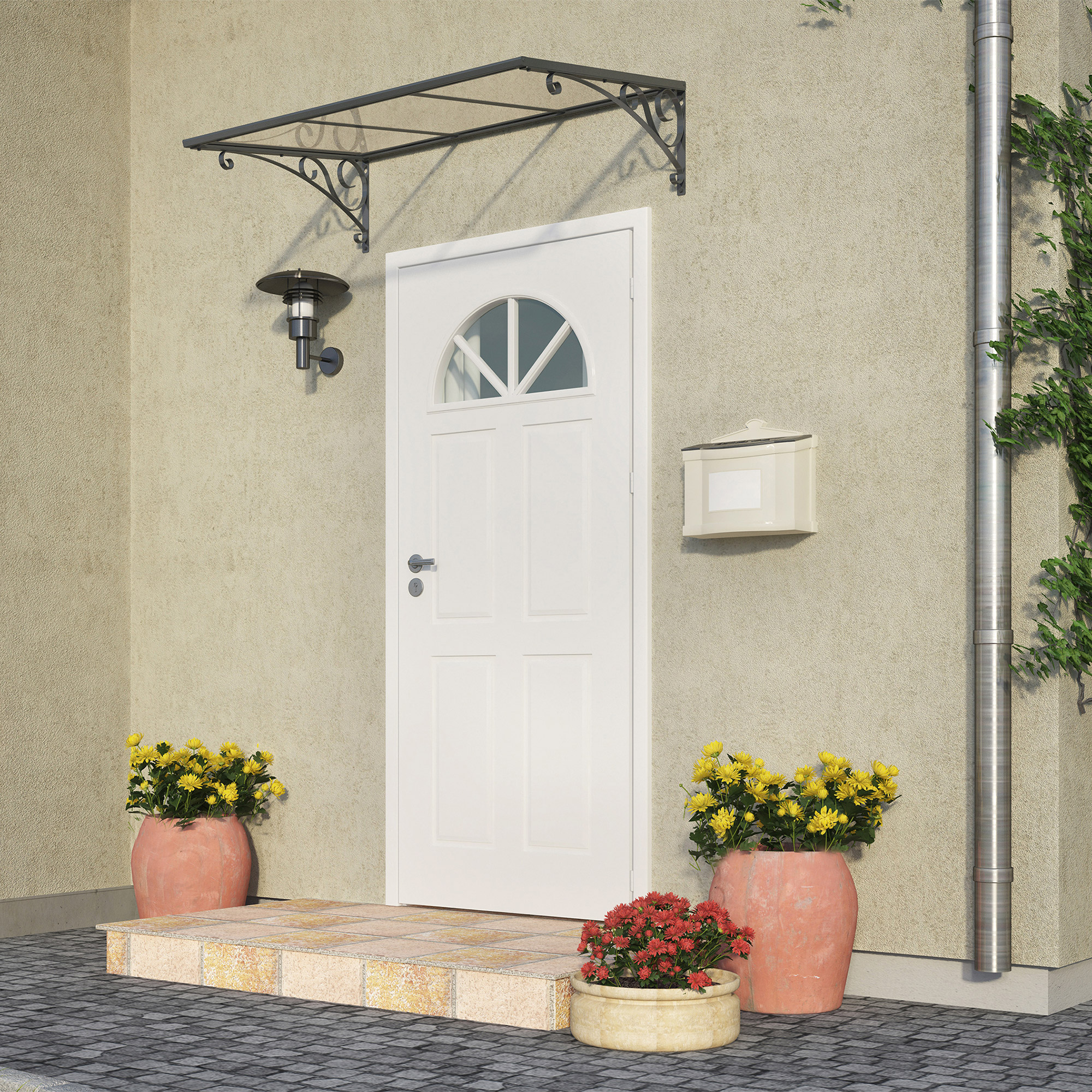
14% OFF: Palram Canopia Venus 1350 Clear Canopy Rain Protector Entryway Door Cover £136.9914%

-
13% OFF: Palram Canopia Venus 1350 Clear Canopy Rain Protector Entryway Door Cover £137.9913%
-
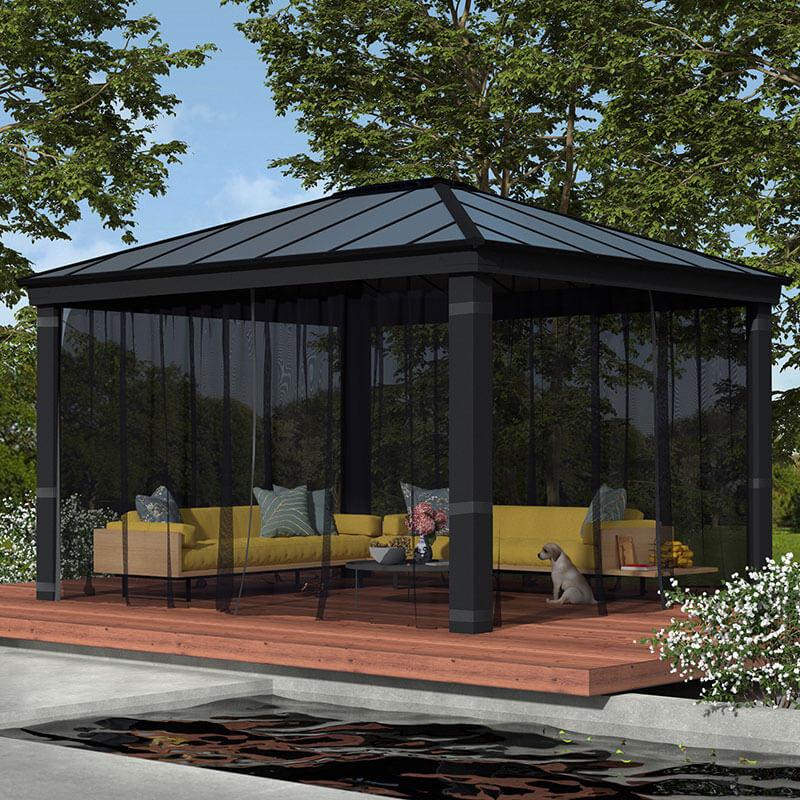
8% OFF: Palram Canopia Gazebo Curtains Set for Dallas 4300 Garden Gazebo £183.998%

-
7% OFF: Palram Canopia Gazebo Netting Set for Dallas 4300 Garden Gazebo £165.997%

-
7% OFF: Palram Canopia Gazebo Netting Set for Dallas 4900 Garden Gazebo £199.997%

-
6% OFF: Palram Canopia Venus 1350 Clear Canopy Rain Protector Entryway Door Cover £149.996%
Garden structures under £200 for adding shape, support and a finished look to outdoor spaces, from arches and trellises to obelisks, screens and compact pergola-style frames.
Shapes That Do More Than Sit There
Choosing a garden structure is often about more than filling a gap. It can change how a border feels, guide the eye through a small patio, or give climbers a proper frame to work with. In this price range, the emphasis is usually on smart proportions, practical support and a look that suits everyday gardens rather than show-garden scale. That is part of the appeal. You can add a clear feature without making the space feel crowded, and you do not need to push the budget into four figures to do it.
Garden structures under £200 tend to cover a useful middle ground: decorative enough to make an impact, but still realistic for front gardens, courtyards, terraces and smaller back gardens. The category also gives you a good choice of forms, from upright shapes that work in narrow beds to wider pieces that help divide a space. If you are comparing options, think about the role the structure needs to play first, then the material, then the style. That order usually makes the decision easier.
Arches: A Frame For The Eye
Garden arches are one of the easiest ways to create a sense of arrival. Even in a modest garden, an arch can mark a path, connect two planting areas, or make a boundary feel more deliberate. Under £200, you will often find simpler metal arches, sometimes with curved tops, sometimes with square or pointed profiles. Each shape gives a different feel. A round-topped arch looks softer and more relaxed, while a gothic-style point can feel a little sharper and more formal.
Bestseller der Kategorie Garden Structures under £200
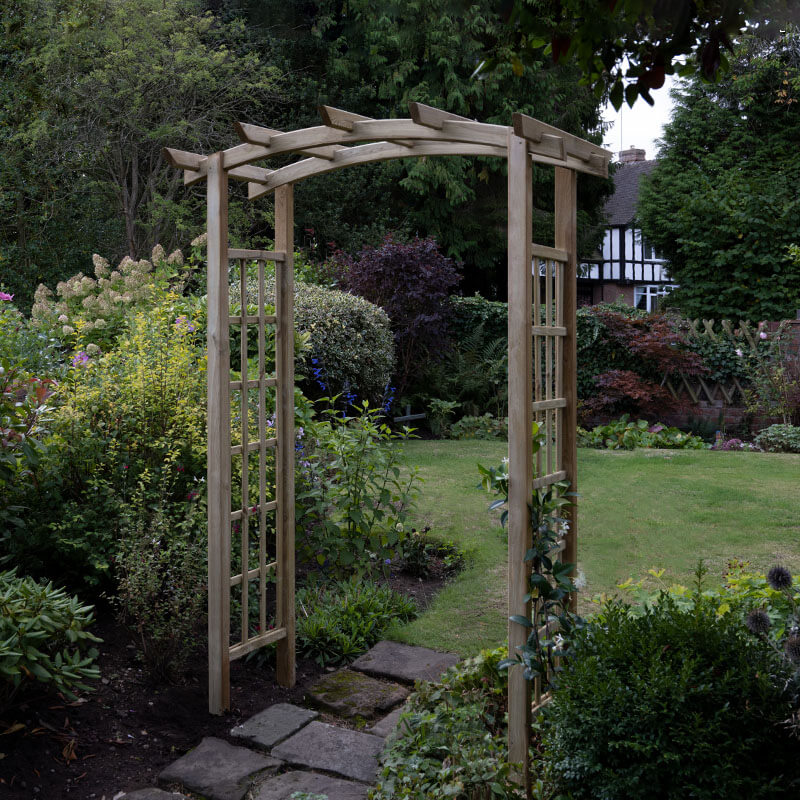
Arches work especially well with climbing plants because they create height without taking much ground space. That is useful in tighter layouts where every square metre counts. Some are best suited to light climbers and seasonal growth, while others are designed with a stronger frame for heavier plants. The difference matters. A slim arch can look neat in a small space, but if you want it to carry more weight visually, a broader frame may sit better in the garden.
Trellises: Slim, Handy, And Easy To Place
Trellises are one of the most flexible structures in this category. They can stand alone, lean against a wall, sit in a planter, or be used to break up a plain fence line. Because they are usually flat or gently shaped, they are ideal when you want structure without losing too much room. For smaller gardens, that can be a real advantage. A trellis gives climbers a surface to work up, but it also adds pattern and a bit of visual rhythm.
There are a few common forms to look out for: fan trellises, which spread out neatly; panel trellises, which feel more structured; and arched trellises, which soften corners and transitions. Some are made from timber for a warmer, more natural finish, while others use metal for a sharper outline. Neither is automatically better. Timber can suit cottage planting and softer lines, while metal often works well if you prefer something slimmer and more graphic.
A good trellis can also help you manage awkward spots. A narrow side return, a bare wall or a fence that looks a bit plain can all benefit from one well-chosen piece. The trick is to think about scale. A small panel can disappear if the wall is large, while an oversized design can overpower a compact courtyard. Matching the size to the setting makes a bigger difference than people expect.
Obelisks: Upright, Neat, And Very Useful
Garden obelisks bring height in a controlled way. They are often used in borders, raised beds and containers, where their vertical shape helps pull the planting upward. In practical terms, that makes them ideal for climbers that need support but do not need the sweep of a full arch. You can place one in the middle of a bed as a focal point, or use a pair to echo each other and create balance.
The usual shapes are pyramid, cone and cage-like tower forms. A pyramid obelisk has a firmer, more architectural feel. A cone shape looks slightly lighter and can work well with flowering climbers. Some versions are tall and narrow, which suits small spaces, while others are broader at the base for a steadier stance. If you want something that reads as a feature even when planting is still young, an obelisk often gives more presence than a plain stake or cane frame.
One useful point is that obelisks can suit both soft and structured planting schemes. They work in formal beds, but they also fit into looser borders where the planting does most of the visual work. Because they occupy a smaller footprint, they are a sensible choice when you want height but not a bulky structure. That is why they show up so often in budget-conscious gardens: they do a lot without needing a lot of space.
Pergola-Style Pieces For Smaller Outdoor Zones
Compact pergola-style structures in this price range usually focus on definition rather than scale. You are not looking at a full-sized installation here, but smaller frames, freestanding sections or decorative overhead elements that can suggest a room-like shape outdoors. They can help zone a seating area, give a path a sense of direction, or make a corner feel more intentional.
The main difference between these and lighter structures like trellises is the feeling of enclosure. A pergola-style piece brings more visual weight, and that can be useful if a patio feels exposed. It can also give climbers and hanging plants a clearer setting. In a smaller garden, though, proportion matters a lot. A frame that is too deep or too heavy can make the space feel tighter, so lower profiles and simpler lines are often the better option under £200.
For buyers comparing styles, it helps to notice whether the piece is meant to be a feature, a support, or a divider. Some designs do all three, but usually one role is strongest. That distinction makes it easier to choose something that actually fits your layout instead of just looking good in a product photo.
Screens, Panels, And A Bit Of Privacy
Garden screens and decorative panels are useful when you want to tidy a view, soften a boundary, or create a more private corner without building anything permanent. Under £200, these are often sold as simple panels, foldable screens, or linked sections that can be arranged in different ways. They can hide compost bins, disguise a plain wall, or make a seating area feel less overlooked.
The big difference between a screen and a trellis is how closed the surface feels. A screen usually gives more coverage, while a trellis allows more light and air through. If you want to keep a space open but still structured, a trellis may be the better fit. If you need more separation, a screen is more direct. Some designs lean toward decorative slats, while others use cut-out patterns or simple framed boards. That choice affects not only the look, but also how much of the garden remains visible beyond it.
These pieces are especially handy in shared spaces or narrow plots where every sightline counts. They can also help create a backdrop for planting, which makes flowers and foliage stand out more clearly. A plain fence line can be useful, but a screen often brings a more finished feel with very little fuss.
Raised Beds And Planters With Structure Built In
Raised beds and larger planters count as garden structures too, and under £200 they can be a very practical buy. They give shape at ground level, define borders, and help separate areas without needing extra edging. The form matters here: square beds feel orderly, rectangular ones suit long borders or narrow spaces, and corner arrangements can help make awkward layouts feel deliberate rather than leftover.
Different materials create different effects. Timber tends to feel warmer and more natural, while metal or stone-effect finishes can look more defined. The point is not just what they hold, but how they sit in the garden. A raised bed can act like a low wall, a planting stage, or a neat boundary between lawn and patio. A large planter can do something similar on a smaller scale, especially when paired with tall grasses, topiary or climbers that need a fixed point.
If you want to stretch the budget, think about where the structure will do the most visual work. A raised bed at the edge of a terrace can be more useful than a decorative object placed in the middle of a space with no clear purpose. That sounds obvious, but it is easy to forget when browsing. The best pieces are the ones that solve a layout problem as well as looking tidy.
Timber, Metal, And Why The Material Changes The Mood
The material you choose can change the whole feel of a structure, even when the shape is similar. Timber garden structures usually feel softer and more traditional. They suit mixed borders, cottage-style planting, and spaces where natural texture is part of the look. Metal structures often look slimmer and more defined, which can work well in modern gardens or in places where you want the frame to stand out less than the planting.
Within this price band, timber may appear in latticed panels, simple frames or shaped supports, while metal might be used for arches, obelisks and trellis forms. The differences are practical as well as visual. A metal piece often reads more lightly from a distance, while timber can give a more grounded appearance. If your garden already has a lot of hard surfaces, timber may soften it. If the space is full of planting, metal can stop the structure from feeling too heavy.
There is also the matter of finish. Darker finishes can help a structure blend into foliage, while pale or natural tones can make it more visible as a feature. Neither option is right in every case. It depends on whether you want the structure to lead the eye or sit quietly behind the planting.
How To Match The Structure To The Job
It helps to choose by purpose rather than by shape alone. If you need support for climbing plants, look first at the opening, height and strength of the frame. If you want a border feature, consider obelisks and sculptural arches. If your goal is privacy or screening, then panels and taller trellises may be more useful. If you need to define a zone, a small pergola-style frame or linked screen can make that boundary feel more natural.
The best structure for a front garden is not always the same as the best one for a rear patio. Front spaces often benefit from upright, neat forms that read clearly from the street. Rear spaces can carry slightly more layered or enclosed designs. In narrow gardens, flatter forms usually work better than bulky ones. In wider spaces, stronger shapes can stop the layout feeling empty. Small differences like that are what make a purchase feel thoughtful instead of random.
It is also worth thinking about whether the structure needs to be a feature in winter as well as summer. A good shape still matters when the planting is quiet. An arch, obelisk or screen with a clear outline can hold the garden together even when climbers are cut back or not yet full. That is one of the reasons these pieces are popular: they give structure that lasts beyond one season of flowers.
Little Buying Checks That Save Headaches Later
Before adding anything to the basket, check a few simple things. Height matters if the piece will sit near a path, doorway or window. Width matters if the garden is tight and you do not want to block movement. Shape matters more than it first seems, because a straight panel and a curved arch do very different jobs even if both are the same price. And fixing style matters if the structure needs to stand securely in soil, gravel or a planter.
It is also sensible to think about how the structure will look next to what is already there. A slim black trellis can look clean beside pale walls. A timber arch can sit nicely with informal planting. A lattice panel may suit a more traditional space, while a plain geometric frame can feel better in a modern setting. None of that is complicated, but it does make the difference between a piece that feels placed and one that feels left over.
Budget is part of the appeal here too. Under £200, you can often combine style and function without overcommitting. That makes it easier to choose a piece that adds value to the garden in a practical way, not just as decoration. And when a structure does its job properly, it tends to make the rest of the space easier to enjoy.
Why This Category Works So Well For Everyday Gardens
Garden structures under £200 suit real gardens, not just large plots with unlimited room. They can bring order to a messy border, make a small patio feel more intentional, and give climbers something worth growing on. The range of forms means you can go for softness, height, screening or clear definition, depending on the layout in front of you.
That variety is useful because garden spaces are rarely tidy little squares. They have awkward corners, plain fences, short runs of border, narrow side paths and spots that never quite know what to be. A well-chosen structure can answer one of those problems without taking over the whole design. Sometimes the right choice is a simple trellis. Sometimes it is an obelisk standing in a bed. Sometimes an arch changes the feel of the route through the garden more than a dozen smaller decorative items ever could.
If you are browsing with a budget in mind, the key is to look for a shape that earns its place. Something that supports planting, improves a view, or gives the garden a clearer outline will usually feel like money well used. That is what makes this category useful: it is practical, visual, and fairly easy to tailor to different styles, even when you are keeping an eye on the cost.
[Sassy_Social_Share]