
Garden Structures 8x5 - Best Deals in UK!
Showing the single result

Garden Structures 8×5 bring a neat, usable footprint to smaller and medium gardens, offering a practical mix of shelter, storage and style in a space-saving size for flexible outdoor layouts.
Why the 8×5 footprint works so well
An 8×5 garden structure sits in that very useful middle ground: not so compact that it feels cramped, and not so large that it takes over the whole plot. The 8ft x 5ft format gives you a clear rectangular shape that suits boundary lines, side returns, patio edges and narrower lawns. For many gardens, this size feels easier to place than a square unit because the longer side can run along a fence, leaving better circulation around the rest of the space.
What makes this format especially appealing is the balance between internal room and external footprint. You can use the length for shelving, seating, bins or tools, while the shorter depth helps keep pathways open. That makes the 8×5 size a sound choice where every metre matters, and where you want a structure that looks intentional rather than squeezed in. It’s a tidy proportion, really, and that matters more than people sometimes think.
Different forms, same useful size
Garden structures in the 8×5 category are not all the same thing. The size can be used across several forms, each one changing how the structure feels and how it works in daily use. A long, low profile can look subtle against fencing, while a taller shape creates more presence and can offer better headroom or display space.
Bestseller der Kategorie Garden Structures 8x5
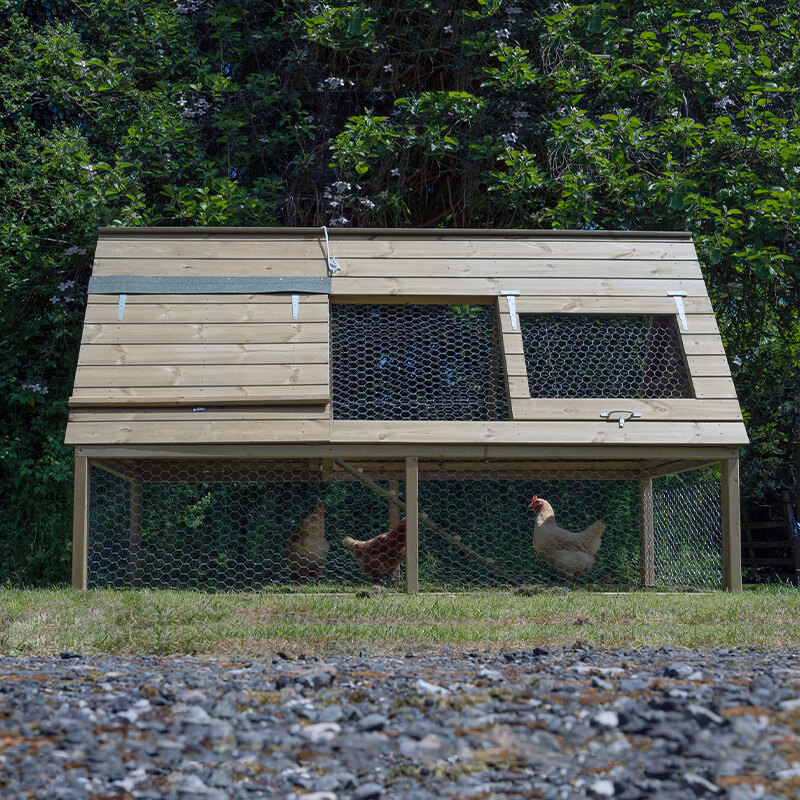
- Rectangular sheds for straightforward storage and easy access along one long wall.
- Lean-to structures that sit beside a wall or boundary and use the 8×5 shape to keep the profile slim.
- Corner-style builds where the 8×5 footprint helps fit awkward spaces without wasting the site.
- Pavilion or pergola-inspired frames in the same size range, giving a more open look with defined overhead structure.
- Enclosed garden rooms that use the footprint for a compact retreat, office-like nook, or seating area.
The real difference between these forms is not just appearance. It changes how much light passes through, how enclosed the space feels, and how the structure interacts with the rest of the garden. A fully enclosed build gives privacy and clear use, while a more open frame keeps views through the garden. Some buyers want a structure that disappears a little; others want one that acts like a focal point. The 8×5 size can do both, depending on the design.
Compact storage or proper garden room?
One of the biggest decisions in this category is whether you want a structure mainly for storage or for usable garden living space. In an 8×5 footprint, storage-focused designs are often more efficient, because the depth can be used for wall-mounted shelving, stacked boxes, tools and outdoor equipment without feeling overbuilt. These are the ones that make daily garden tidying easier, and yes, that can be a quiet relief.
A more room-like structure in the same size will usually trade some storage capacity for a more open interior. That might suit a reading corner, a compact hobby space, or somewhere to sit without being fully exposed to the weather. The difference is in layout: storage versions prioritise access and stacking, while room-style versions prioritise movement and atmosphere. If you need both, the 8×5 format can work, but it helps to be honest about which use comes first.
There’s also a visual difference. Storage-led structures tend to look more practical, with simpler lines and a closed finish. Room-style options often feature larger openings, glazing or more deliberate architectural framing. Neither is better by default. It comes down to how you want the structure to feel when seen from the house or the patio.
Shapes and roof styles that change the whole look
Within the same 8×5 size, roof shape makes a surprising difference. A pent roof gives a clean, sloping profile that suits a modern garden and usually works well against a boundary wall. It can make the structure feel less bulky, especially in a narrow plot. A apex roof, by contrast, brings a more traditional outline and can offer a little extra headroom in the centre. That can matter if you want a structure that feels more comfortable inside, not just useful outside.
Flat-roof inspired designs can look crisp and understated, though they still need proper detailing to feel finished rather than plain. They suit contemporary gardens where straight lines and simple geometry are part of the overall look. Meanwhile, more open canopy or framed structures can create a lighter feel, especially if you don’t want a full wall of material dominating the view.
The roof style also affects how the eye reads the footprint. A lower roof can make an 8×5 structure seem longer and slimmer. A pitched roof can make it feel more substantial. That matters when the structure sits near planting, decking or smaller lawn areas, because it helps the proportions work with the rest of the garden rather than against it.
Materials that suit the space and the style
In this category, material choice is one of the clearest ways to see the difference between products. Timber structures usually give the most natural look, blending well with planting, fencing and traditional garden settings. They often feel warmer and softer in the landscape, which is part of the appeal. If you want the structure to sit comfortably among shrubs, borders and bark mulch, timber tends to fit that mood.
Metal-framed structures bring a sharper, more structural appearance. They can suit contemporary gardens where slim lines and a clearer frame are wanted. These often look less rustic and more architectural. That may be exactly what you need if the garden already has a modern terrace, straight-edged paving or minimalist planting.
There are also mixed-material styles, where frame, panel and roof finishes work together. In an 8×5 format, this can be especially useful because a smaller structure benefits from a well-balanced design: too much visual heaviness and it overwhelms, too little and it can look flimsy. The point is not only what it is made of, but how the material choice changes the mood of the whole space.
How the 8×5 size compares with other footprints
The biggest advantage of 8×5 garden structures over larger footprints is placement. They fit into spaces where an 8×6 or 10×6 might start to feel awkward. That one-foot difference can matter more than it sounds, especially near paths, gates, borders or a neighbour-facing boundary. The 8×5 size often keeps a more relaxed edge around the garden, which helps the whole layout breathe.
Compared with smaller structures, the extra length gives more freedom inside. You can separate items instead of stacking everything in one place. You can create a clearer zone for one purpose and still have room left for another. Compared with larger units, it asks less from the garden visually. It can look proportional where a bigger build would dominate.
If you are choosing between similar sizes, think in terms of movement and line. Longer, narrower spaces are good when you need one wall for storage and a second area for use. Squarer spaces often feel more enclosed. The 8×5 ratio is especially useful when you want the structure to look deliberate but not heavy.
Practical layout ideas for the inside
The inside arrangement of an 8×5 structure should follow the shape rather than fight it. Because the footprint is rectangular, one long side naturally becomes the best place for storage runs or seating. That leaves the middle space open enough for movement. Even a modest layout can feel organised if the longer wall is used well.
- Long wall shelving for hand tools, pots and smaller outdoor bits.
- Stacked storage zones at one end to keep bulkier items away from the entrance.
- Bench-style use along the length if the structure is meant for sitting or light use.
- Clear central aisle so the space does not feel blocked by every item you own.
- End-zone planning where the back section is reserved for items used less often.
A useful tip is to choose the structure with its intended layout in mind, not after the fact. A design with the opening on the long side feels different from one with access on the short side. This affects what you can see when you step in, how easily things are moved around, and whether the structure feels like a working area or a tucked-away hideaway.
Where 8×5 structures work best in the garden
This size is very often chosen for side returns, narrow lawns, patio ends and boundary spaces. It suits gardens where the available width is limited but the length can be used. Placing an 8×5 structure along a fence line can create a natural finish, especially if the exterior colour or material echoes existing garden elements.
It can also work well near planting, provided the structure does not cut off key views. In some gardens, the goal is to use the structure as a visual anchor at the far end of a run of paving or path. In others, it serves as a discreet side feature that helps define zones. Because the footprint is modest, it is easier to place without turning the rest of the garden into a corridor. That’s a real plus if you still want open space for planting or sitting out.
One difference to note is whether the structure is meant to be seen as part of the garden design or kept more tucked away. An 8×5 build can do both, but the finish needs to suit the position. A visible one should look considered from multiple angles. A hidden one can lean more heavily into practical use. That choice changes the buying decision quite a bit, actually.
Details that make a real difference
When comparing garden structures 8×5, small design details often decide which one feels right. Door position, opening width, panel style, and the amount of visible framing all change how the structure functions. A wider opening can make access simpler, especially if you plan to move items in and out regularly. A more enclosed front can improve privacy and reduce visual clutter from the garden side.
Glazing or open panel sections, where present, can soften the look and bring more light into the interior. Solid panels create more of a defined boundary, which can be useful if the structure needs to feel separate from the rest of the garden. The texture of the surface matters too: smooth finishes lean modern, while more natural grain or panel detail can look better in a traditional setting.
In this category, it pays to think about the structure as part of the whole outdoor room, not just as a box to fill. The right details help it sit neatly beside paving, planting and fences without looking like an afterthought. And a structure that fits the garden visually is usually easier to enjoy for years, not just on day one.
What buyers often look for before deciding
People choosing an 8×5 garden structure are usually comparing a few clear things: how much room it gives, how it will look in the garden, and whether the shape suits the site. That sounds simple, but it makes for better decisions. A structure with the right proportions can feel more useful than a larger one that never really fits the space.
It also helps to think about the structure’s main role in the garden. If it is doing one job only, the design can be very direct. If it needs to do two or three jobs, the layout matters more. That is where the 8×5 format can be handy, because it offers enough internal length to divide functions without becoming awkward. Not roomy, but not tight either — which is a useful place to be.
There is a quiet confidence to this size. It does not shout for attention, but it can still bring structure to the garden and make the space feel more complete. For many buyers, that balance is exactly what they’re after.
Small size, clear purpose, easy fit
If you want a garden structure that feels purposeful without taking over the plot, the 8×5 format is worth a serious look. It gives you enough space for genuine use, enough shape to affect the garden design, and enough flexibility to suit storage-led, room-like or more open structures. The differences are not only in style, but in how the footprint changes the way you move, store and sit within the space.
Choosing well here is mostly about matching the form to the function. Rectangular, lean-to, enclosed, open-framed, pitched or pent-roofed — each version has its own character. If you want something that looks fitted to the garden rather than forced into it, the 8×5 size is often the one that lands in the right spot. And that can make all the difference when you finally see it in place.
[Sassy_Social_Share]